Uíge is a peaceful and distinctive city in northern Angola, serving as the administrative center of the province of the same name. Situated in a picturesque mountainous area at an altitude of about 829 meters above sea level, it offers travelers an atmosphere of authentic provincial life, far from the noise of major metropolises. The city was founded by Portuguese colonizers and was known as Carmona for a long time until 1975.
Modern Uíge is a hub for regional administration and agriculture, home to over 320,000 people. The city's architectural style combines functional modern buildings with charming colonial-era structures concentrated in the historical center. Getting to know the local historical heritage allows for a better understanding of the development of this region, which is inextricably linked with indigenous traditions and European influence.
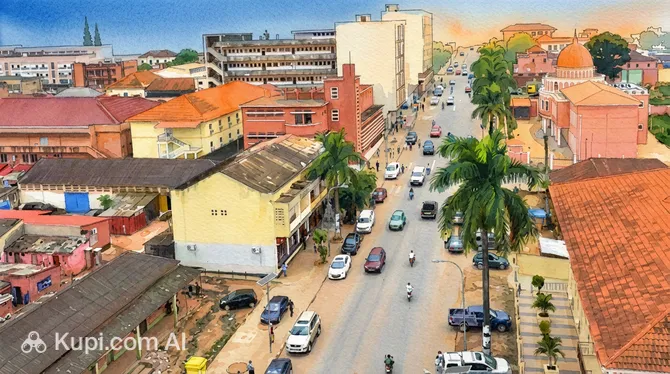
Although the city is not a typical tourist hub, it attracts visitors with its authenticity and proximity to the region's natural wealth, such as the Cuango River basin. Visiting Uíge is an excellent opportunity to see a "different" Angola: hospitable, unhurried, and surrounded by lush tropical greenery. We recommend this city to those seeking off-the-beaten-path routes and wanting to immerse themselves in the daily rhythm of Central African life.
