Angola

About

Angola, a country in southwest Africa washed by the Atlantic Ocean, attracts travelers with its diverse landscapes – from its extensive coastline to vast inland plateaus and savannas. It is a land of contrasts where modernity is intertwined with ancient traditions. The country's capital, Luanda, is a dynamic center reflecting the energy and development of Angola.
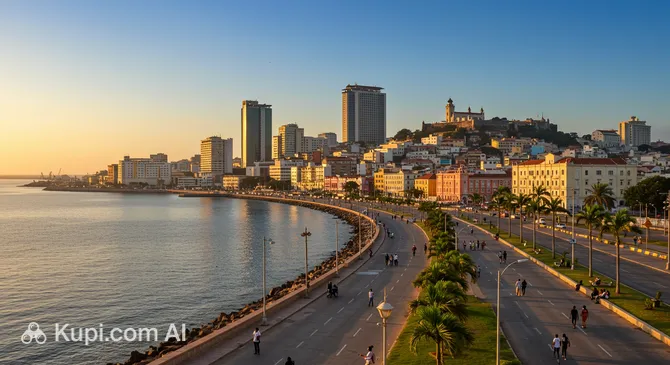
Illustration.
Source: Kupi.com AI

Angola's cultural heritage is rich and multifaceted, shaped by the influence of numerous ethnic groups and a Portuguese colonial past. This is evident in the music, dances such as kizomba and semba, and local art. Historical landmarks like Fort São Miguel in Luanda tell the story of the country's past. Cities like Lubango, located on the picturesque Huila plateau, offer a glimpse into the diversity of Angolan life and nature.

Angola's natural beauty includes impressive waterfalls, national parks with unique flora and fauna, and scenic beaches. The country's tropical climate ensures warm conditions for exploring its wonders all year round. Angola is a destination for those seeking off-the-beaten-path routes, authentic experiences, and the chance to touch the unique culture and nature of Africa.

Currency

The national currency of Angola is the Angolan kwanza (AOA). Kwanza banknotes are decorated with images reflecting the culture and history of the country, including portraits of national figures and scenes from life. It is recommended to carry a sufficient amount of cash, especially when traveling outside the capital, Luanda.

Exchanging foreign currency for kwanzas is best done at official banks or licensed exchange offices (casas de câmbio), which can be found in major cities. Avoid exchanging money with street money changers, as this may involve a risk of fraud or receiving counterfeit notes. The use of credit cards in Angola is limited: they are accepted mainly in large hotels, some restaurants, and supermarkets in Luanda and other large cities. However, for everyday expenses, shopping at markets, and in smaller towns, cash is preferred.

Visa Requirements

When planning a trip to Angola, it is important to check the current visa requirements in advance, as they depend on your citizenship and the purpose of your visit. For citizens of a number of countries, including many EU countries, the US, and CIS countries, a visa-free regime for short-term tourist trips may apply. In other cases, or for other types of visits, a visa is generally required. Usually, this refers to a tourist visa, which must be obtained in advance through an Angolan embassy or consulate in your country of residence. The procedure and the possibility of obtaining a visa on arrival or online can vary, so planning ahead is of great importance.

In addition to the visa itself, you will need a valid international passport to enter the country, the expiration date of which must exceed the planned period of stay. Also, be prepared to provide return tickets, proof of accommodation booking, and possibly medical insurance. It is extremely important to always check the most up-to-date information on visa requirements and necessary documents on the official websites of Angolan embassies or visa centers immediately before your trip, as visa rules can change.

```

We'll let you know if you need a visa

Enter your destination or
Your nationality
Destination

Timezones

When planning a trip to Angola, you won't have to worry about changing time zones within the country. The entire territory of Angola is in one time zone – West Africa Time (WAT), which corresponds to UTC+1. This means that the time in the capital, Luanda, and in any other corner of the country will be the same.

Getting There

The main way to reach Angola is by air. The country has several international airports, the main one being Quatro de Fevereiro Airport, located in the capital, Luanda. Direct flights or convenient connections to Angola are usually available from major aviation hubs in Europe (e.g., Lisbon, Paris, Frankfurt), Africa (Johannesburg, Addis Ababa, Nairobi), and some other regions such as the Middle East or South America. Most international flights arrive exactly at the capital's airport.

Land transport for entering Angola is used less frequently, although the country shares land borders with the Democratic Republic of the Congo, Zambia, Namibia, and the Republic of the Congo. International bus or rail routes for tourists are less developed compared to air travel. If you are considering this option, it is critically important to research current border crossing rules and visa formalities in advance. Sea transport is also not a popular way for tourists to arrive; Angola's seaports are primarily oriented toward freight, and regular passenger service is limited.

When planning a trip to Angola, it is highly recommended to book flights well in advance, especially if your trip coincides with the peak tourist season or national holiday periods. This will not only save money but also guarantee seat availability. Also, don't forget to clarify all visa requirements for your country of citizenship in advance.

AirportCityIATA
Quatro de Fevereiro AirportLuandaLAD
Lubango AirportLubangoSDD
Cabinda AirportCabindaCAB
Yuri Gagarin AirportNamibeMSZ
LuenaLuenaLUO

Angola is ready to surprise travelers with its variety of cities and resort areas, offering both immersion in the bustling life of metropolises and a relaxing holiday on the Atlantic coast. Of course, the main point of attraction for many is the capital — Luanda. This dynamic city is an amazing mix of modern skyscrapers, historic colonial-era buildings, and bustling markets, serving as the economic and cultural center of the country.

Illustration.
Source: Kupi.com AI

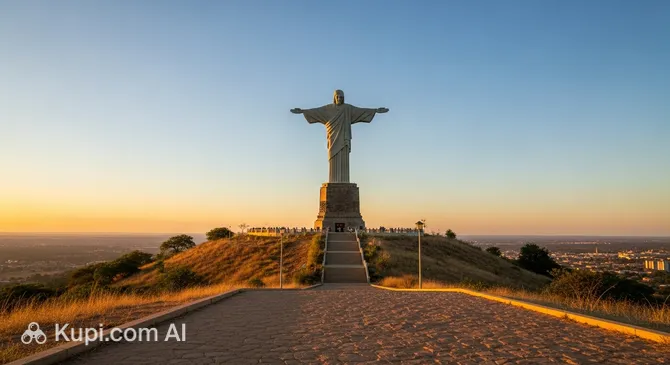
In addition to the capital, there are other noteworthy cities in Angola. Lobito, located on the coast, is famous for its long beaches and is an important port city with a picturesque natural harbor. If you are interested in history, Benguela, one of the oldest cities in the country, offers walks through streets with colonial architecture and a more measured pace of life. And for those seeking natural beauty and mountain landscapes, an excellent choice would be Lubango, known for its impressive views such as the Tundavala Gap and the Christ the King statue towering over the city.

Top Attractions

Angola is a country that can surprise you with the diversity of its attractions. Traces of the colonial past, natural beauties, and dynamically developing modern cities are all intertwined here. When planning a trip to Angola, be sure to include a visit to its iconic sites in your itinerary.

One of the most impressive landmarks in Angola is the Christ the King Statue in Lubango. This monumental sculpture, standing on a hill, not only serves as an important religious symbol but also offers visitors breathtaking panoramic views of the surroundings. This place attracts both believers and tourists wishing to touch history and enjoy the beauty of the landscape.

Illustration.
Source: Kupi.com AI

Traveller photos:

In the country's capital, Luanda, Fort São Miguel is definitely worth a visit. This is the oldest defensive structure in the city, built by the Portuguese back in the 16th century, and it holds centuries of history. Today, the walls of the fort house the Museum of the Armed Forces, whose exhibition tells the story of Angola's military past. From its walls, there is also a beautiful view of the Luanda Bay.

For those interested in the modern life of the capital and who love shopping, the Avennida Shopping Center in Luanda is an excellent choice. Here you can find many shops of famous brands, a food court with a variety of cuisines, a cinema, and other entertainment. It is a popular place for relaxation and shopping for both locals and visitors to the city.

Illustration.
Source: Kupi.com AI

Traveller photos:

Best Time to Visit

When planning a trip to Angola, it is important to consider two main climatic seasons. The high season, or dry season, lasts roughly from May to October. During this time, the weather is most comfortable for travel: sunny days prevail, temperatures are moderate, and humidity is low, especially on the coast and in central regions. This is an ideal period for safaris in national parks, as animals gather near water sources, as well as for beach holidays and exploring cities like Luanda or Lobito. A downside may be a slightly higher number of tourists in popular spots and potentially higher accommodation prices, although Angola is not yet a mass tourism destination.

The low season, or rainy season, falls between November and April. During this time, the country is hot and humid, with frequent rain, which is especially intense in the north. The advantages of this period can include lower housing prices and fewer tourists. The landscapes become particularly lush and green. However, rains can wash out roads, making travel difficult in some regions, and mosquito activity increases. An important cultural event to consider is Carnival, usually held in February or March despite the rainy season. Angola's climate varies: coastal areas are generally more temperate, while the inland plateaus can experience large daily temperature fluctuations. The south of the country is more arid than the north. Therefore, it is recommended to check the weather forecast for the specific regions you plan to visit before your trip.

Traditions

The culture of Angola is rich and multifaceted, and knowing local customs will help you feel more confident and show respect for the residents. Greetings play an important role: a handshake is standard, often accompanied by a smile and direct eye contact. It is customary to greet elders first. Angolans are very hospitable, and if you are invited into a home, it is considered a sign of great respect. A small gift for the hosts, such as fruit or a souvenir from your country, would be a nice gesture, though not strictly mandatory. Politeness and a calm tone are valued in communication.

In everyday life in Angola, there are no special clothing requirements; however, when visiting churches and other religious sites, it is worth choosing more modest outfits that cover the shoulders and knees. There are no particular complications at the table, but if eating with hands, it is usually done with the right hand. It is polite to try all the dishes offered and not to start the meal before the host or the eldest at the table. To avoid awkward situations, try not to photograph people without their permission and refrain from public criticism of local order. Showing respect for elders is a key aspect of Angolan culture.

Among the most important national holidays are Independence Day (November 11), marking the country's liberation, and National Heroes Day (September 17), dedicated to the memory of national leaders. These days provide a vivid insight into the spirit and history of Angola. In general, Angolans value openness and friendliness, but avoid excessive familiarity with people you don't know well. Remember that patience and a smile will help establish contact and make your journey through this amazing country even more pleasant.

Entertainment

Angola offers its guests a variety of opportunities for recreation and entertainment capable of satisfying the interests of very different travelers. Fans of active pastimes can enjoy the beauty of the Atlantic coast, where water sports are popular, or go exploring the country's unique natural landscapes during hiking trips and safaris. For those who prefer a more relaxed vacation, the country offers an introduction to its rich culture through visits to museums, galleries, and music events where you can hear traditional African rhythms.

As evening falls, life buzzes in major cities, especially in the capital, Luanda, where numerous bars, restaurants serving local and international cuisine, and nightclubs offering entertainment for all tastes open. Shopping in Angola is an opportunity to purchase authentic souvenirs such as handicrafts, masks, wooden sculptures, and colorful fabrics. Although there may be few specialized theme parks, families with children will always find something to do, whether it's relaxing on spacious beaches or walking through city parks and green areas.

Currency rates

Planning a trip? Wonderful! To make sure the financial side of your journey holds no surprises, it's worth remembering that exchange rates are constantly changing. That's why we strongly recommend keeping an eye on current rates both before departure and throughout your trip. To help with that, you can use the data provided below — we monitor exchange rates 24/7 and strive to provide the most up-to-date information.

AOA exchange rate for 14/08/2026

1 AED
~ 248.45 AOA
1 AMD
~ 2.49 AOA
1 AUD
~ 643.50 AOA
1 AZN
~ 536.77 AOA
1 BYN
~ 304.32 AOA
1 CAD
~ 654.45 AOA
1 EUR
~ 1051.52 AOA
1 GBP
~ 1231.53 AOA
1 HUF
~ 2.89 AOA
1 INR
~ 9.56 AOA
1 KGS
~ 10.43 AOA
1.55 KRW
~ 1 AOA
1 KZT
~ 1.96 AOA
1 PLN
~ 244.26 AOA
1 RUB
~ 10.95 AOA
1 SAR
~ 242.54 AOA
1 SGD
~ 712.76 AOA
1 TRY
~ 19.10 AOA
1 UAH
~ 20.40 AOA
1 USD
~ 912.41 AOA
13.10 UZS
~ 1 AOA

Reached the bottom of the page?

Looks like you know this route inside out

We use cookies and services to collect user information. This is essential for the functioning of the site and for marketing purposes. You can find out more in .