Support

Eswatini

Cities in the country

About

Eswatini, formerly known as Swaziland, is a small but incredibly colorful kingdom nestled in Southern Africa between South Africa and Mozambique. One of the few remaining absolute monarchies in Africa, this country charms visitors with its authenticity and rich cultural heritage. The capital city, Mbabane, serves as the administrative center and the starting point for many journeys across the kingdom.
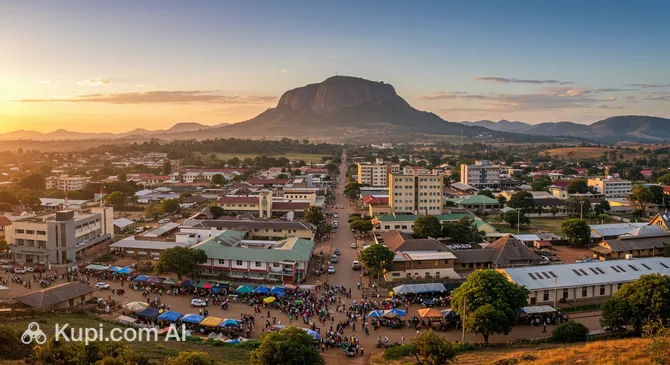
Illustration.
Source: Kupi.com AI

Eswatini's greatest asset is its people and ancient traditions, which are carefully preserved to this day. Travelers can witness colorful festivals such as Umhlanga (the Reed Dance) and get to know the daily life of the Swazi people. Beyond its cultural treasures, the country offers diverse natural landscapes, from the majestic mountains in the west to fertile valleys and savannas. The city of Lobamba is the spiritual and legislative heart of the nation, while Manzini is its bustling commercial center.

Eswatini leaves the impression of a warm and welcoming country with a relaxed pace of life. Here, you can enjoy hiking along scenic trails, visit craft markets, observe wildlife in nature reserves, or simply immerse yourself in the unique atmosphere of an African kingdom. Thanks to its compact size, Eswatini is easy to explore, offering a wealth of experiences in a short amount of time.


Currency

The national currency of Eswatini is the Swazi lilangeni (SZL), often denoted by the symbol E. One lilangeni is divided into 100 cents. It is important to know that the lilangeni is pegged to the South African Rand (ZAR) at a 1:1 ratio, and South African Rands are also legal tender and widely accepted throughout Eswatini. The emalangeni banknotes (plural of lilangeni) usually feature portraits of King Mswati III, as well as scenes from national life and local flora and fauna.

You can exchange foreign currency for emalangeni or rands at banks, official exchange offices in cities like Mbabane, and at the international airport. It is recommended to avoid exchanging money with street money changers due to unfavorable rates and the risk of fraud. Credit cards (mostly Visa and Mastercard) are accepted at most major hotels, restaurants, and supermarkets in cities. However, for purchases at markets, in small shops, and especially in rural areas, it is advisable to carry a sufficient amount of cash.

Visa Requirements

When planning a trip to Eswatini, it is important to clarify the visa requirements in advance. Citizens of many countries, including most European Union countries, the USA, and some CIS countries, generally do not require a visa for short-term tourist trips to Eswatini. However, if a visa is required for your country of citizenship, it will be a tourist visa, which usually should be obtained in advance at an Eswatini embassy or consulate in your country of residence.

Regardless of visa requirements, to enter the country you will need a valid passport, which should usually be valid for at least six months beyond your intended date of departure. Return tickets, proof of hotel booking, and medical insurance may also be required. As visa rules can change, it is strongly recommended to check the most up-to-date information on the official websites of Eswatini embassies or visa centers immediately before your trip.

We'll let you know if you need a visa

Enter your destination or
Your nationality
Destination

Timezones

When planning a trip to Eswatini, you won't have to worry about changing time zones within the country. The entire territory of the Kingdom of Eswatini operates in a single time zone.

It follows UTC+2 (Coordinated Universal Time +2 hours), also known as SAST (South African Standard Time). This means the time in Eswatini is the same as in South Africa and several other countries in the region. Thus, you can easily keep track of the time wherever you are in the country, from the capital Mbabane to the most remote corners.

Getting There

When planning a trip to the picturesque Kingdom of Eswatini, it's worth thinking about your route in advance. The main way to reach the country for most international tourists is by air. The primary gateway to Eswatini is King Mswati III International Airport (SHO), located near the city of Manzini. Direct flights to Eswatini may be limited, but convenient connections are usually available through major aviation hubs in South Africa (such as Johannesburg) or other parts of Africa and Europe.

For those who prefer overland travel or are combining a visit to Eswatini with a trip through neighboring countries, there is the option to cross the border by car or bus. Eswatini shares land borders with South Africa and Mozambique. There are regular bus routes linking major cities in these countries with cities in Eswatini. There is no sea connection to Eswatini, as the country is landlocked.

Regardless of your chosen mode of transport, it is highly recommended to book tickets in advance, especially if your trip coincides with the peak tourist season. This will not only help you save money but also ensure seat availability and more convenient connection options or schedules.

AirportCityIATA
King Mswati III International AirportManziniSHO

Eswatini, an enchanting kingdom in Southern Africa, attracts travelers with its unique blend of ancient traditions, rich culture, and breathtaking natural landscapes. The country offers a variety of destinations, from bustling urban centers to peaceful corners where you can enjoy the beauty of nature. The main administrative and business hub is the capital, Mbabane. Located in the picturesque Dlangeni Valley, the city serves as an excellent starting point for exploring the country's many attractions.

Illustration.
Source: Kupi.com AI

If you want to dive deeper into the culture and history of Eswatini, be sure to visit Lobamba — the spiritual and traditional heart of the kingdom. Here you will find the National Museum, the King Sobhuza II Memorial Park, and the Ludzidzini Royal Village, where important ceremonies are held. For those interested in urban life and commercial activity, Manzini, the largest city and the country's main industrial hub, offers vibrant markets and shops.

Nature and outdoor enthusiasts should head to Pigg's Peak, a town in the north surrounded by forests and mountains, known for its scenic views and craft markets. Also interesting is the town of Siteki, located on the edge of the Lebombo Plateau, offering magnificent panoramas. Each of these cities and regions offers its own unique perspective on Eswatini's multifaceted life, inviting travelers to discover their charm.

Top Attractions

Eswatini, a kingdom with a rich culture and stunning landscapes, also offers travelers the chance to immerse themselves in local life through its culinary traditions and welcoming venues. Here are some notable places that will help you get an idea of the country's gastronomic side and simply have a pleasant time.

In the capital, Mbabane, one popular place to experience local flavor is Fried Chicken at Mbabane Plaza. This establishment is famous for its mouth-watering chicken prepared according to a special recipe and is an excellent choice for a quick and satisfying lunch in the heart of the city.

Illustration.
Source: Kupi.com AI

Traveller photos:

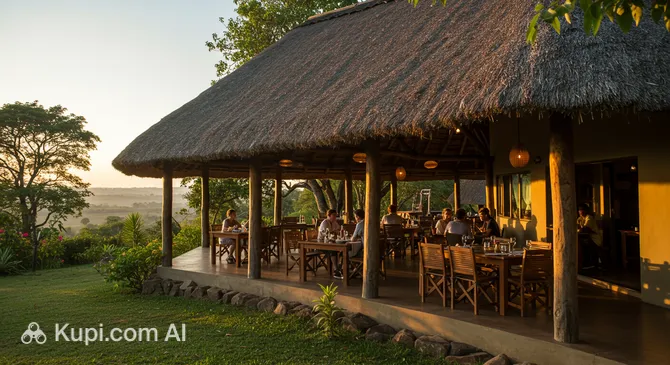
If you are looking for a combination of delicious food and beautiful views, look no further than Mantenga Lodge, located near the cultural center of Lobamba. This lodge's restaurant offers visitors the chance to enjoy local and international dishes surrounded by picturesque nature, making it an ideal place to relax.

Illustration.
Source: Kupi.com AI

Traveller photos:

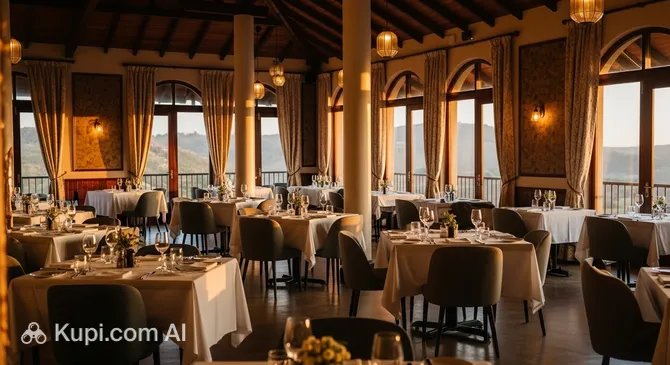
Another noteworthy venue in Mbabane is Solani's. It attracts guests with its cozy atmosphere and a diverse menu where everyone will find something to their taste, from traditional African dishes to familiar European recipes.

Illustration.
Source: Kupi.com AI

Traveller photos:

In the Lobamba area, The Gables is also worth a visit. It is a well-known place for meetings and dining, offering a wide selection of dishes in a lively and welcoming environment, often being part of a larger complex with shops and other entertainment.

Illustration.
Source: Kupi.com AI

Traveller photos:

Best Time to Visit

When planning a trip to Eswatini, it is important to consider the changing seasons to choose the most comfortable time for your visit. The high season in the country usually lasts from May to September. This period is dominated by dry and sunny weather with pleasant daytime temperatures, ideal for safaris in national parks as vegetation thins out and animals are easier to spot near water sources. Evenings and nights can be chilly, especially in highland areas, so it's worth bringing warm clothes. This is also an excellent time for hiking and exploring Eswatini's diverse landscapes. Although there may be slightly more tourists and accommodation prices may be a bit higher, the excellent weather conditions more than compensate for this.

The low season, or rainy season, falls between October and April. This is summer in Eswatini — it becomes hotter and more humid, especially in the lowlands, and short but intense afternoon thunderstorms occur frequently. The advantages of this period include lush green vegetation that transforms the landscape and better birdwatching opportunities, including many migratory species. There are usually fewer tourists during this time, and you can find better deals on accommodation. However, keep in mind that rain can temporarily make travel difficult on some dirt roads, and high humidity may be uncomfortable for some travelers.

The timing of your trip may also depend on cultural events. Eswatini's two main festivals — the colorful Umhlanga (Reed Dance), which usually takes place in late August or early September, and the sacred Incwala (First Fruits Ceremony), held in December or January — attract many spectators and offer a unique opportunity to experience Swazi culture. Many of these ceremonies take place near Lobamba. Although Eswatini is a small country, the climate can vary slightly: the Highveld is usually cooler than the Lowveld. Overall, the dry season is considered the best time for most activities, but the wet season has its own charms for nature lovers and those seeking a more secluded getaway.

Traditions

When planning a trip to Eswatini, it is important to get to know local cultural traditions so that your stay is pleasant and respectful. Greetings play an important role here: it is customary to say "Sawubona" when addressing one person, and "Sanibonani" to several. A handshake is a common form of greeting. Remember that to give or receive items, including money or food, it is customary to use your right hand or both hands; the left hand is considered unclean for such interactions. Hospitality is highly valued in Swazi culture. If you are invited to a home, a small gift such as fruit or something from your home country will be received with gratitude, though it is not strictly required. Always ask for permission before taking photos of people, especially in rural areas.

In Eswatini, it is recommended to adhere to a modest dress style, especially when visiting rural areas, royal homesteads, or religious sites. Women should cover their shoulders and knees. During meals, especially traditional ones, people often eat with their hands — don't forget to wash them before the meal and use your right hand. Accepting offered food is considered a sign of politeness. Eswatini's culture is rich with vibrant festivals. Among the most significant are the Umhlanga (Reed Dance), usually held in August or September, and the Incwala (First Fruits Ceremony), celebrated in December or January. These ceremonies deeply reflect the traditions and unity of the people. To avoid misunderstandings, try not to criticize local customs or the monarchy, and show patience, as the pace of life here can be more relaxed.

Entertainment

Eswatini offers its guests a variety of leisure opportunities, harmoniously combining outdoor adventure with immersion in a unique culture. Fans of active recreation will appreciate the country's picturesque landscapes, perfect for hiking along mountain trails and through national parks where you can observe wildlife and enjoy panoramic views. Horseback riding and mountain biking are also popular, providing another way to explore the natural beauty of this kingdom.

For those interested in cultural entertainment, Eswatini opens the door to the world of authentic Swazi traditions. Visiting cultural villages allows you to get closer to local life, music, and dance. In cities such as Mbabane and Lobamba, you can find small museums and craft markets. Shopping in Eswatini is an opportunity to purchase unique handmade souvenirs: beadwork, wood carvings, colorful fabrics, and handmade candles, which will serve as wonderful reminders of your trip.

Nightlife in Eswatini is more low-key and centered mainly around restaurants and bars, especially in larger cities like Mbabane or Manzini. Here you can enjoy both local and international cuisine, and some venues feature live music. For family holidays, visits to nature reserves are excellent, where you can watch animals and birds together, as well as spending quiet time in lodges that offer comfort and a connection with nature, which will be interesting for both adults and children.

Currency rates

Planning a trip? Wonderful! To make sure the financial side of your journey holds no surprises, it's worth remembering that exchange rates are constantly changing. That's why we strongly recommend keeping an eye on current rates both before departure and throughout your trip. To help with that, you can use the data provided below — we monitor exchange rates 24/7 and strive to provide the most up-to-date information.

Reached the bottom of the page?

Looks like you know this route inside out

We use cookies for your convenience.