Congo Democratic Republic Of

About

The Democratic Republic of the Congo (DRC) is a vast country in the heart of Africa, the second largest on the continent. Its landscapes are strikingly diverse: from the dense equatorial forests of the mighty Congo River basin to savannas and mountain ranges. The country's capital, Kinshasa, is one of Africa's largest and most dynamic metropolises, pulsing with life and contrasts.
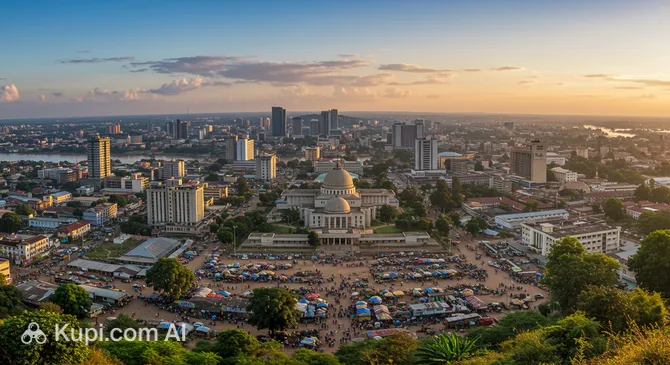
Illustration.
Source: Kupi.com AI

The DRC attracts adventurers with its incredible nature and rich cultural heritage. It is home to rare animal species, including mountain gorillas and bonobos (pygmy chimpanzees), which can be seen, for example, at the Lola ya Bonobo Sanctuary. The country is home to hundreds of ethnic groups, each with its unique traditions, music, and art. The famous Congolese rumba is known far beyond Africa. The climate here is predominantly equatorial, hot and humid throughout the year.

A trip to the DRC is an immersion into a world of wildlife, authentic culture, and unforgettable experiences. While the country may present certain challenges for tourists, it rewards those ready for discovery, offering a unique experience far from beaten tourist paths. In addition to the capital, cities such as Lubumbashi, known for its colonial architecture and industrial heritage, may be of interest.

Currency

The national currency of the Democratic Republic of the Congo is the Congolese franc (CDF). Banknotes are decorated with images of local fauna, cultural sites, and the country's prominent figures. It is recommended to exchange currency at official banks or licensed exchange offices found in major cities like Kinshasa. Try to avoid exchanging money with street money changers, as this involves a risk of fraud and unfavorable rates.

The use of credit cards in Congo (DRC) is limited. They are accepted mainly in major international hotels, some restaurants, and supermarkets in the capital and other large cities. However, for daily expenses, market purchases, and in smaller towns, it is preferable to carry a sufficient amount of cash. Ensure you have small bills, as getting change can be difficult.

Visa Requirements

To visit Congo (DRC), citizens of most countries, including EU countries, the USA, and the CIS, generally require a visa. A tourist visa is usually issued and must be obtained in advance at an embassy or consulate of the Democratic Republic of the Congo in your country of residence. The possibility of obtaining a visa on arrival or online should be verified, as it may be limited or unavailable for some categories of travelers.

In addition to a visa, you will need a valid passport to enter the country (usually with a validity of at least six months beyond the intended date of departure from Congo (DRC)). Return tickets, proof of hotel reservation, and medical insurance may also be required. Visa rules can change, so it is strongly recommended to check the most current information on the official websites of the embassies or visa centers of the Democratic Republic of the Congo before your trip.

We'll let you know if you need a visa

Enter your destination or
Your nationality
Destination

Timezones

When planning a trip to the Democratic Republic of the Congo (DRC), it is important to remember that the country is located in two time zones. This means that the time in different parts of the DRC may vary.

The western part of the country, including the capital Kinshasa, operates on UTC+1 (West Africa Time, WAT). The eastern regions of the country are in the UTC+2 (Central Africa Time, CAT) time zone. When moving between these regions, be sure to check the local time to correctly plan your meetings, excursions, and travels.

Getting There

The most convenient way to reach the Democratic Republic of the Congo (DRC), or Congo (DRC), is by air. The country's main international hub is N'djili International Airport (FIH), located in the capital, Kinshasa. This airport receives flights from many African capitals and also has connections to Europe (e.g., direct flights or convenient connections via Paris or Brussels) and other parts of the world. In addition to the capital, other airports such as those in Lubumbashi, Goma, and Kisangani serve international flights, providing links with neighboring countries and some long-distance destinations.

For travelers considering land or water routes, options also exist, though they may require more thorough preparation and take longer. Congo (DRC) has extensive land borders with nine states, and these can be crossed via official border crossings. However, it should be noted that the state of road infrastructure in some regions can be challenging. Traveling by bus between countries is possible but often involves certain difficulties and is suitable for more experienced and hardy tourists. The Congo River plays an important role in the transport system; there is a ferry service between Kinshasa and Brazzaville (the capital of the Republic of the Congo), as well as transport on other sections of the river. Sea access to the country is limited and is primarily through the port of Matadi on the Atlantic Ocean.

When planning a trip to Congo (DRC), it is strongly recommended to book international flights in advance, especially if your trip coincides with peak tourist periods or major events. It is equally important to check current visa requirements for citizens of your country in advance and consult a doctor regarding necessary vaccinations and tropical disease prevention measures to ensure your stay in Congo (DRC) is as safe and comfortable as possible.

For clarity, here is summary information on the main international airports of Congo (DRC):

AirportCityIATA
N'djili AirportKinshasaFIH
Lubumbashi International AirportLubumbashiFBM
Bangoka International AirportKisanganiFKI
Goma AirportGomaGOM
Mbuji-MayiMbuji-MayiMJM

The Democratic Republic of the Congo (DRC) is a country of contrasts and discoveries, offering travelers a chance to experience bustling cities and unique natural landscapes. The DRC's major urban centers are hubs of culture, history, and business activity, each with its own unique character. When planning a trip, it is worth paying attention to several key destinations that will help you form an idea of the diversity of this African country.

Illustration.
Source: Kupi.com AI

Start your journey in the capital, Kinshasa, a massive and dynamic metropolis and the country's main economic and cultural center. Here you can dive into the bustling life, visit colorful markets, and discover local art. No less interesting is Lubumbashi, the second largest city, located in the southeast and known for its mining industry and preserved colonial architecture. If nature calls to you, head to Goma, a city in the east that serves as a gateway to picturesque Lake Kivu and the famous Virunga National Park, home to mountain gorillas. River scenery and history lovers should consider Kisangani, situated on the banks of the mighty Congo River and preserving the memory of African exploration.

Each of these cities offers its own unique perspective on the multifaceted Democratic Republic of the Congo. Traveling through them will allow for a better understanding of the culture, history, and modern life of this amazing African country, revealing more and more facets of its original identity.

Top Attractions

The Democratic Republic of the Congo, a country with rich nature and unique culture, offers travelers many interesting places. Among them are several attractions that should definitely be included in your itinerary, especially if you plan to visit the capital, Kinshasa.

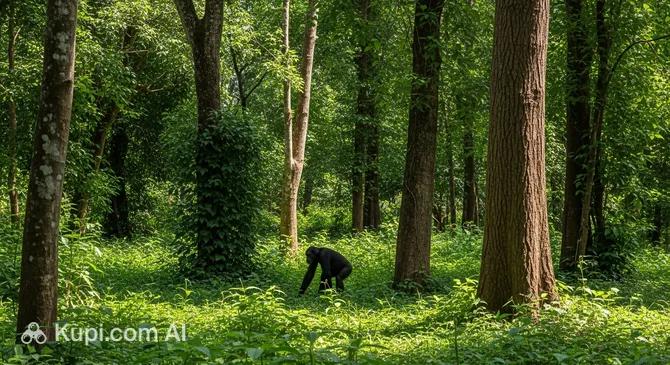
One of the most touching and unique sites is the Lola ya Bonobo Sanctuary, located near Kinshasa. This is not just a zoo, but a true haven for orphaned bonobo apes, where they are cared for in conditions as close to natural as possible. Visitors can observe these amazing primates, our closest relatives, and learn more about the importance of their conservation.

Illustration.
Source: Kupi.com AI

Traveller photos:

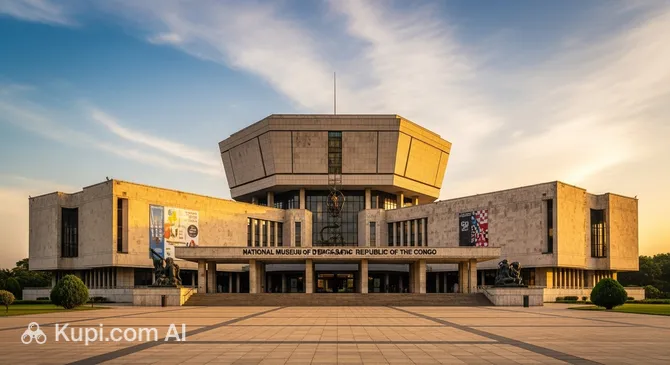
For a deep dive into the country's rich history and culture, it is definitely worth visiting the National Museum of the Democratic Republic of the Congo in Kinshasa. It houses thousands of exhibits telling the story of the region's traditional art, daily life, beliefs, and historical events. This is a wonderful opportunity to better understand the multifaceted heritage of Congo (DRC).

Illustration.
Source: Kupi.com AI

Traveller photos:

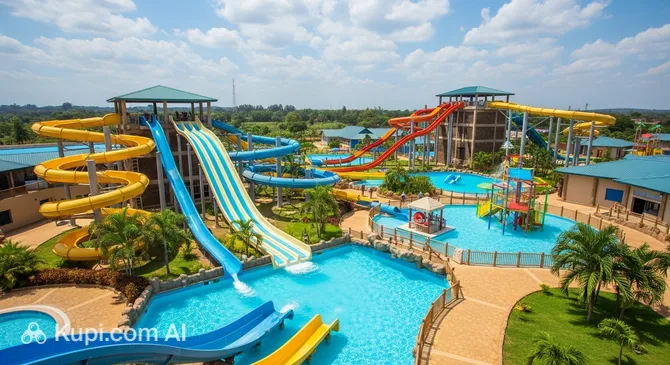
If you are traveling with family or just want to cool off and have fun in the capital, check out Aqua Splash. This water park in Kinshasa offers various water slides and pools that will provide plenty of positive emotions for both children and adults. It is an excellent place to relax from the city bustle and the hot climate.

Illustration.
Source: Kupi.com AI

Traveller photos:

Best Time to Visit

When planning a trip to Congo (DRC), it is important to consider the climatic features of this equatorial country. High season for visiting usually falls during the long dry period, which lasts from June to September, as well as a shorter dry interval in January-February. During this time, the weather is generally sunny and relatively dry, with comfortable temperatures, creating excellent conditions for outdoor activities. This is the optimal period for wildlife viewing, including the famous mountain gorilla trekking in national parks like Virunga, as vegetation is less dense and animals gather more often at water bodies. Roads are also more passable in the dry season. However, keep in mind that there may be more tourists during high season, and prices for accommodation and excursions may be higher.

Low season, or the rainy season, in the DRC mainly covers the periods from March to May and from October to November. This time is characterized by high humidity, heat, and frequent, sometimes heavy, downpours. Nevertheless, traveling in the rainy season has its advantages: nature comes alive with a riot of greenery, the country appears in all its tropical beauty, there are significantly fewer tourists, and you can expect lower prices. Waterfalls are particularly full and impressive at this time. Disadvantages include possible difficulties with movement, especially on unpaved roads, which can wash out and become impassable. You should also be prepared for increased mosquito activity. Given the huge size of the DRC, the climate can vary significantly between regions. For example, in the vast Congo River basin, it is typically equatorial—hot and humid all year round. Meanwhile, in the southern regions and eastern highlands, such as around the city of Goma, where volcano and gorilla trekking is popular, seasons are more clearly defined. Therefore, it is always recommended to check current weather conditions for the specific region you plan to visit before your trip.

Traditions

The culture of the Democratic Republic of the Congo is rich and multifaceted, and showing respect for local customs will make your trip more enjoyable. Greetings play an important role here: a handshake is common, often with the right hand, which may be supported by the left as a sign of special respect, particularly toward elders. When addressing people, especially those older than you, use respectful forms of address. Congolese people are famous for their hospitality; if you are invited to a home, it is a great honor, and a small gift for the hosts (such as fruit or something useful for the house) will be appreciated. Refusing offered refreshments may be perceived as impolite.

In daily life, and especially when visiting religious sites or rural areas, modest clothing is recommended: women should avoid overly revealing outfits, while men should wear long trousers and shirts. In the capital, Kinshasa, customs may be more liberal, but a respectful appearance is always appropriate. At the table, especially if eating traditional dishes with your hands, use your right hand, as the left is often considered unclean. Also remember that it is not customary to photograph people without their permission, and public displays of anger or criticism should be avoided to not offend local residents.

Among the important dates in the Congolese calendar is Independence Day (June 30), which is celebrated on a grand scale and allows for a deeper understanding of the national spirit. Christian holidays such as Christmas and Easter are also widely celebrated. Overall, show patience, as the concept of time may differ from what you are used to ("African time"), and always treat elders with respect—this is one of the key aspects of local culture. These simple tips will help you establish warm relations with local residents and get the most positive impressions from your trip to Congo (DRC).

Entertainment

Congo (DRC) offers a variety of leisure opportunities to suit the interests of many different travelers. Nature and outdoor enthusiasts will find unique landscapes to explore. Although infrastructure for some sports may be unevenly developed, the country attracts visitors with wildlife viewing opportunities, such as at the famous Lola ya Bonobo Sanctuary, where bonobos can be seen in their natural habitat. Hiking through picturesque national parks and exploring the country's rich flora and fauna are also popular.

The cultural life of Congo (DRC) is particularly rich in the capital, Kinshasa, and other major cities. Here you can visit museums, such as the National Museum of the Democratic Republic of the Congo, to gain a deeper understanding of the region's history and art. Congolese music, world-renowned for its infectious rhythms, is heard everywhere, and tourists have the chance to catch live performances. Evening entertainment is concentrated in the cities, which feature numerous restaurants serving local and international cuisine, as well as bars and clubs where you can experience the nightlife atmosphere.

For those interested in shopping, local markets and craft shops offer authentic souvenirs: handmade goods, colorful fabrics, wooden sculptures, and traditional masks. This is a great opportunity to bring home a piece of African culture. Families with children will also find things to do. For example, in Kinshasa, you can visit a water park for a refreshing break or go on educational excursions to nature reserves. Overall, Congo (DRC) offers a range of entertainment, from outdoor adventures to immersion in the vibrant local culture.

Currency rates

Planning a trip? Wonderful! To make sure the financial side of your journey holds no surprises, it's worth remembering that exchange rates are constantly changing. That's why we strongly recommend keeping an eye on current rates both before departure and throughout your trip. To help with that, you can use the data provided below — we monitor exchange rates 24/7 and strive to provide the most up-to-date information.

Reached the bottom of the page?

Looks like you know this route inside out

We use cookies and services to collect user information. This is essential for the functioning of the site and for marketing purposes. You can find out more in .