Tunisia

About

Tunisia, located in North Africa on the Mediterranean coast, is a country where ancient history meets modernity, and Eastern flavor harmoniously intertwines with European charm. This compact state offers an amazing variety of experiences: from golden beaches and azure seas to majestic ruins of ancient civilizations and mysterious landscapes of the Sahara Desert. The country's capital, the city of Tunis, is the pulsing heart of the nation, where ancient medinas sit alongside modern avenues.
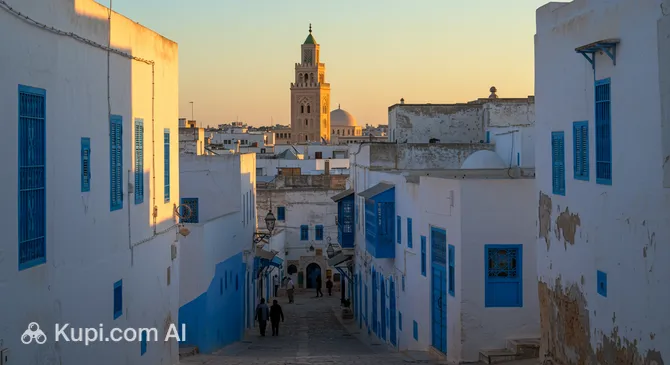
Illustration.
Source: Kupi.com AI

Tunisia's cultural heritage is incredibly rich. The Phoenicians, who founded powerful Carthage, the Romans, who built grand amphitheaters and aqueducts, the Arabs, who brought Islam and unique architecture, and the French, whose influence is noticeable in the appearance of many cities, have all left their mark here. A visit to places such as ancient Carthage or the impressive Ribat of Sousse will allow you to touch the centuries-old history of this land.

Tunisia attracts tourists not only with its historical treasures but also with excellent opportunities for relaxation. The mild Mediterranean climate and the long sandy beaches of popular resorts such as Hammamet and Sousse make it an ideal place for beach relaxation. The country's atmosphere is filled with the aromas of spices, the hospitality of the locals, and a sense of immersion in a unique culture where everyone will find something for themselves, whether it's exploring ancient ruins, enjoying thalassotherapy, or getting acquainted with traditional crafts.

Currency

The official currency of Tunisia is the Tunisian Dinar, with the international designation TND. Banknotes are usually decorated with images of historical figures, cultural sites, and national symbols of the country, reflecting Tunisia's rich heritage. Coins also have various designs and denominations. Remember that exporting Tunisian Dinars from the country may be restricted or prohibited, so it is better to exchange unspent dinars back before departure.

Exchanging foreign currency for Tunisian Dinars is recommended at banks, official exchange offices (including those at airports), or in some hotels. Avoid exchanging money with street money changers to avoid falling victim to fraud. Keep exchange receipts, as they may be required for reverse exchange. Credit cards such as Visa and Mastercard are accepted in most hotels, large restaurants, and shops in tourist areas. However, for small purchases at markets, in small cafes, or for paying for taxis, it is always useful to have cash dinars with you.

Visa Requirements

When planning a trip to Tunisia, it is important to familiarize yourself with the visa requirements in advance. For citizens of many countries, including most European Union countries, the USA, and some CIS countries (e.g., Russia, Belarus, Kazakhstan), a visa to Tunisia is generally not required for tourist trips up to 90 days. However, if a visa is necessary, it will be a tourist visa, which is usually applied for through the Tunisian embassy or consulate in your country of residence.

Regardless of visa requirements, to enter Tunisia you will need a valid passport, the expiration date of which should usually exceed the date of the intended departure from the country. It is also recommended to have return tickets, hotel reservation confirmation, and medical insurance with you. Since visa rules can change, we strongly advise checking current information on the official websites of Tunisian embassies or visa centers before your trip.

We'll let you know if you need a visa

Enter your destination or
Your nationality
Destination

Timezones

When planning a trip to Tunisia, you won't have to worry about changing time zones within the country. The entire territory of Tunisia operates in a single time zone. It corresponds to Central European Time (CET), which is UTC+1.

This significantly simplifies the planning of travel between different cities and regions of the country, as the time will be the same everywhere. You won't need to change your watch when crossing the country from north to south or from west to east.

Getting There

The most convenient way to reach Tunisia, a sunny country in North Africa, is by air. The country has several international airports, the main one being Tunis–Carthage International Airport, located in the capital, Tunis. Direct flights and convenient connections to Tunisia are available from many European cities (especially from France, Germany, Italy), as well as from Middle Eastern countries and some African nations. Major European airlines and charter carriers provide regular service, especially during the tourist season.

Besides air travel, there are other ways to get to Tunisia. Thanks to its extensive Mediterranean coast, the country receives ferries from some European ports, particularly from Marseille (France) and Genoa or Palermo (Italy). This can be an attractive option for those who prefer a leisurely sea voyage or plan to bring a car. Land borders with Algeria and Libya offer the possibility for ground crossing; however, this method is less common among international tourists and requires careful study of current entry rules. Regardless of the chosen method, it is highly recommended to book tickets in advance, especially if your trip falls during the peak season (summer months or holiday periods), to guarantee the best prices and availability.

AirportCityIATA
Tunis-Carthage International AirportTunisTUN
Melita AirportMidounDJE
Habib Bourguiba International AirportMonastirMIR
Enfidha - Hammamet International AirportEnfidhaNBE
Sfax El Maou AirportSfaxSFA

Tunisia is a country where everyone will find a holiday to their liking, as it wonderfully combines ancient cities with a rich history and modern resorts on the picturesque Mediterranean coast. Discover the multifaceted Tunis, the country's capital, where the ancient medina, listed as a UNESCO World Heritage site, sits alongside elegant avenues of the new part of the city. This is a place where you can wander for hours through narrow streets, breathing in the aromas of spices and admiring ancient architecture.

Illustration.
Source: Kupi.com AI

If your goal is beach relaxation and wellness, pay attention to popular resorts such as Hammamet. It is famous for its golden beaches, modern hotels, and thalassotherapy centers. No less attractive is Sousse, where you can not only enjoy the sea but also touch history by exploring its impressive medina and ancient ribat. Another famous resort town with a rich past is Monastir, the birthplace of Tunisia's first president, offering excellent beaches and interesting historical monuments.

For those looking for seclusion and an authentic atmosphere, the island of Djerba is an excellent choice, where the charming town of Houmt Souk is located. It attracts visitors with its white houses, traditional markets, and calm pace of life. Each of these places has its own unique charm and is ready to give you an unforgettable experience of traveling through Tunisia.

Top Attractions

Tunisia offers travelers a kaleidoscope of experiences, and an introduction to the country would be incomplete without visiting its key attractions. One of the main cultural treasuries is the Bardo National Museum in the capital. It is world-famous for its unsurpassed collection of ancient Roman mosaics, which amaze the imagination with their craftsmanship and preservation. The museum's exhibition covers a huge historical period, from prehistoric artifacts to Islamic art.

Illustration.
Source: Kupi.com AI

Traveller photos:

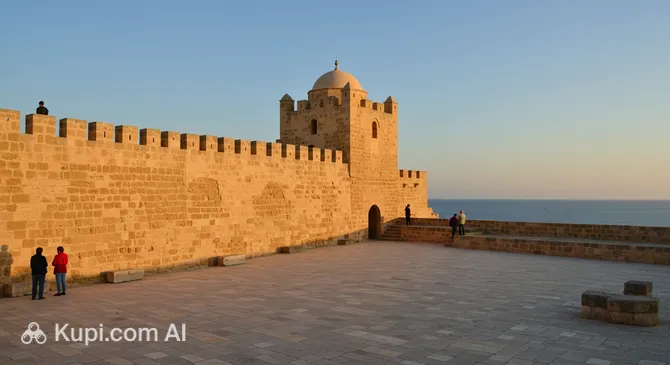
For those interested in medieval history and fortifications, a mandatory point on the program is the Ribat of Sousse. This ancient fortress-monastery, built in the 8th century to protect the coast, is today one of the symbols of the city. Climbing its walls, you can enjoy panoramic views of the medina and the endless sea, as well as touch centuries-old history.

Illustration.
Source: Kupi.com AI

Traveller photos:

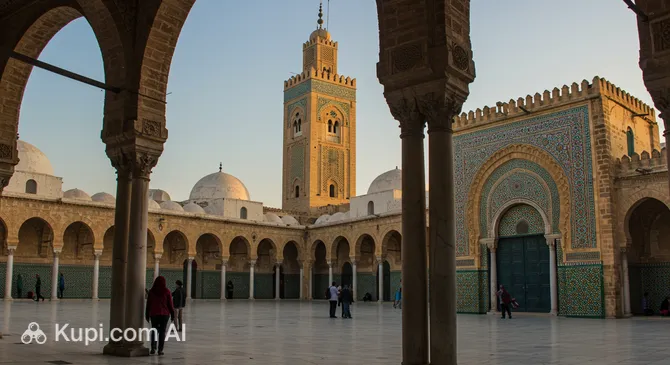
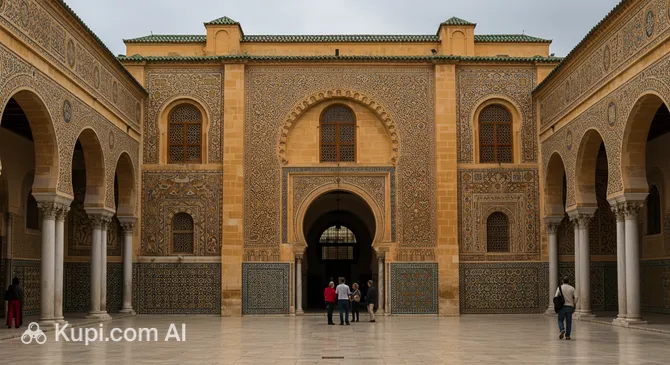
In the heart of the old city of Tunis is the majestic Zitouna Mosque, also known as the Great Mosque of Olive. This is one of the oldest and most significant Islamic shrines in North Africa, founded in the 7th century. Its architectural ensemble and inner courtyard, even if access inside for tourists is limited, make a deep impression with their beauty and monumentality.

Illustration.
Source: Kupi.com AI

Traveller photos:

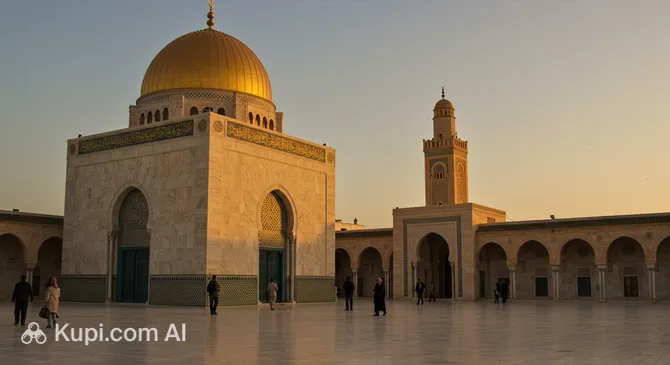
Another iconic landmark worth seeing is the Mausoleum of Habib Bourguiba in Monastir. The lavish structure with golden domes and elegant minarets is dedicated to the first president of independent Tunisia. The mausoleum is a vivid example of modern Islamic architecture and an important memorial complex for the country.

Illustration.
Source: Kupi.com AI

Traveller photos:

Best Time to Visit

High season in Tunisia traditionally falls in the summer months, from June to August. At this time, hot and sunny weather is established, ideal for beach holidays and swimming in the Mediterranean Sea. The air temperature often rises above +30°C, and the water warms up to a comfortable +25-28°C. The main advantage of this period is, undoubtedly, the best conditions for fans of sunbathing and water activities. However, it is worth considering that this is also the time of the greatest influx of tourists, which can affect the prices of accommodation and services, as well as the occupancy of popular resorts such as Hammamet or Sousse.

Shoulder season, covering spring (April-May) and autumn (September-October), is considered by many travelers to be the golden time for a trip to Tunisia. The weather during these months is very comfortable: warm but without the grueling summer heat, which is perfect for excursion programs, visiting ancient ruins such as majestic Carthage, or exploring the country's culture in cities like Kairouan. There are significantly fewer tourists at this time, and prices for hotels and flights are more attractive. Low season lasts from November to March. It can be cool and occasionally rainy on the coast during this period, but it is a good time for exploring the southern regions of the country and the Sahara Desert, where daytime temperatures remain moderate. It is important to remember that Tunisia's climate is not uniform: it is Mediterranean in the north and on the coast, and desert in the south, so it is always useful to check the forecast for a specific region before your trip.

When planning your trip, it is also worth paying attention to cultural events. In summer, usually in July and August, the famous International Festival of Carthage takes place, gathering artists and spectators from all over the world. At the end of December, a colorful Sahara Festival is held in the city of Douz, demonstrating the rich culture and traditions of nomads. Participating in or visiting such events can make your trip even more vivid and memorable; however, keep in mind that the demand for housing in the relevant locations may increase during their duration.

Traditions

When traveling to Tunisia, it is worth getting to know local cultural traditions so that your trip is as comfortable and respectful as possible toward the residents. Tunisians are known for their hospitality. If you are invited into a home, it is a great honor. A small gift for the hosts, such as sweets or a souvenir from your country, would be a nice gesture. In communication, a handshake is common, especially between men; when greeting a woman, it is better to wait until she extends her hand herself. Eye contact is important, but you should not stare at strangers. When handing objects or eating, try to use your right hand, as the left in some situations may be considered "unclean."

In Tunisia, as in many Muslim countries, there are certain rules regarding clothing, especially when visiting religious sites. In mosques and mausoleums, women need to cover their head, shoulders, and knees; men should also avoid shorts and tank tops. Outside tourist areas, it is recommended to stick to a modest style of clothing. At the table, if you are eating traditional dishes with your hands, use your right hand. It is important to remember that photographing local residents without their permission is considered impolite. You should also avoid public displays of strong emotions or affection.

Among the main holidays in Tunisia are Ramadan, the month of fasting, and the following celebration of breaking the fast, Eid al-Fitr, as well as Eid al-Adha. During these periods, the rhythm of life in the country may change, and some establishments may operate on a reduced schedule. Showing respect for local customs, such as not eating or drinking in public during daylight hours during Ramadan (unless you are in a tourist area), will be highly appreciated. In general, Tunisians are very friendly and open, and showing basic courtesy and interest in their culture will make your trip even more pleasant.

Entertainment

Tunisia offers a variety of entertainment for every taste, capable of satisfying both adventure seekers and connoisseurs of a quiet holiday. Outdoor enthusiasts will appreciate the magnificent opportunities for water sports on the Mediterranean coast – from diving and snorkeling in crystal-clear waters to windsurfing and jet skiing. Boat trips along the picturesque coast and exciting fishing are also popular. For those who prefer land adventures, exciting quad bike or camel rides through impressive desert landscapes are available, as well as world-class golf, especially in resort areas such as Hammamet.

The cultural program in Tunisia is no less rich and interesting. The country is proud of its rich historical heritage, numerous ancient ruins, and impressive museums, among which the Bardo National Museum in the capital, Tunis, stands out. In many cities, for example, in Kairouan or Sousse, you can visit traditional theaters, enjoy musical performances, or just stroll through ancient streets. Shopping in Tunisia is a separate pleasure: colorful souk markets, especially in the medinas of old cities, will offer you authentic products of local artisans, colorful ceramics, magnificent handmade carpets, fragrant spices, and high-quality leather goods. Modern shopping centers also offer a wide selection of goods.

As evening falls, Tunisia comes alive in a new way, offering entertainment for all tastes. In popular resort towns such as Hammamet and Sousse, nightlife is bustling with many bars, lively discos, and restaurants offering local and international cuisine, often accompanied by live music. For a more peaceful and relaxed evening, cozy cafes and traditional shisha lounges are perfect for enjoying the atmosphere of the East. Families with children will also find plenty to do: many hotels offer kids' clubs and various animation programs, and some resort areas have water parks and small amusement parks that will provide fun and memorable leisure for all ages.

Currency rates

Planning a trip? Wonderful! To make sure the financial side of your journey holds no surprises, it's worth remembering that exchange rates are constantly changing. That's why we strongly recommend keeping an eye on current rates both before departure and throughout your trip. To help with that, you can use the data provided below — we monitor exchange rates 24/7 and strive to provide the most up-to-date information.

Reached the bottom of the page?

Looks like you know this route inside out

We use cookies and services to collect user information. This is essential for the functioning of the site and for marketing purposes. You can find out more in .