Burundi

Cities in the country

About

Burundi, a small country nestled in the heart of Africa within the African Great Lakes region, is often called the "Heart of Africa." Despite its modest size, Burundi impresses with diverse landscapes: from hilly vistas that earned it the nickname "land of a thousand hills" to the shores of majestic Lake Tanganyika, the world's second-deepest lake. This country offers travelers a unique blend of natural beauty and authentic culture.
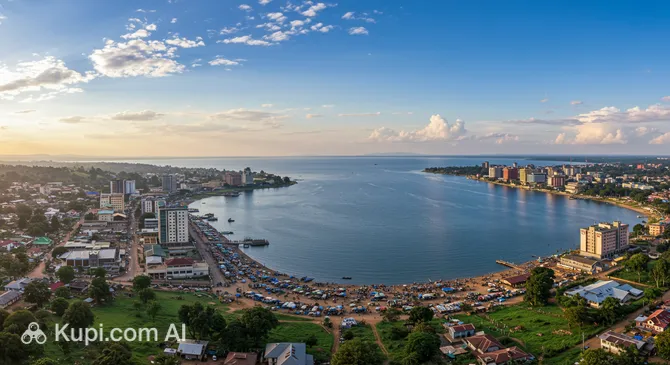
Illustration.
Source: Kupi.com AI

Cultural heritage is rich and multifaceted, and locals are known for their hospitality. A special place in the culture is held by the famous Burundian drummers, whose performances are a true spectacle recognized by UNESCO as a Masterpiece of the Oral and Intangible Heritage of Humanity. The main economic center and largest city remains Bujumbura, located on the shores of Lake Tanganyika. Also worth noting is Gitega, the country's political capital, which preserves many historical artifacts.

Nature is Burundi's main treasure. Beyond Lake Tanganyika with its beaches and water sports opportunities, the country boasts several national parks where one can encounter various African flora and fauna. The climate is mild and equatorial, making Burundi attractive to visit year-round. A journey through Burundi will give you unforgettable impressions and allow you to touch authentic Africa, while local travel companies like M Travel and Tours will help plan your itinerary.


Currency

The currency of Burundi is the Burundian franc, with the international code BIF. Banknotes often feature scenes from local life, cultural symbols, portraits of significant figures, or the country's fauna. Coins of various denominations are also in circulation and used for daily transactions.

Exchanging foreign currency into Burundian francs is recommended at official banks or licensed exchange offices, which are mainly concentrated in the capital, Bujumbura, and other major cities. Try to avoid exchanging money with street money changers, as this can involve risks of unfavorable rates or even fraud. Credit card use in Burundi is quite limited and primarily possible in large hotels and some international-level restaurants in the capital. For most daily expenses, such as market purchases, transport, or services, it is strongly recommended to have a sufficient amount of cash.

Visa Requirements

To visit Burundi, most foreign citizens, including citizens of the EU, USA, and CIS countries, require a visa. Usually, this refers to a tourist visa. There is a possibility of obtaining a visa on arrival; however, it is recommended to check this information in advance as conditions may change. The standard procedure is to apply at the Burundian embassy or consulate in your country of residence. To obtain a visa and enter the country, you will need a valid passport with a validity period exceeding the intended stay. Return tickets, proof of hotel booking, and medical insurance may also be required.

Visa rules and requirements can change, so it is strongly recommended to check the most up-to-date information on the official websites of Burundian embassies or visa centers before your trip. This will help avoid unforeseen difficulties and make your travel preparations smoother.

We'll let you know if you need a visa

Enter your destination or
Your nationality
Destination

Timezones

When planning a trip to Burundi, you won't have to worry about changing time zones within the country. A single time zone applies throughout the territory of Burundi.

The country is in the UTC+2 time zone, also known as Central Africa Time (CAT). This means you will only need to set your clock once upon arrival, and the time will remain the same across all regions, including the capital, Bujumbura, throughout your trip.

Getting There

Reaching Burundi, a country in the heart of Africa, can be done in several ways, although air transport is the most common. The main gateway to the country is Bujumbura International Airport, located near the capital, Bujumbura. Direct flights from most countries in Europe, Asia, or America are usually not available, so travelers should look for flights with connections in major African hubs such as Nairobi, Kigali, or Addis Ababa, as well as some European cities.

Since Burundi is landlocked, sea transport is not used to enter the country. However, for those who prefer land travel or combine a visit to Burundi with a trip through neighboring countries, there are options for crossing land borders. Main border crossings connect Burundi with Rwanda to the north, Tanzania to the east and south, and the Democratic Republic of the Congo to the west. International bus routes can connect Bujumbura with cities in neighboring states. There is also service across Lake Tanganyika, which can link Burundi with Tanzania and the DRC, but this is a less standard method for most international tourists.

Regardless of the chosen method, it is recommended to plan your trip and book tickets in advance, especially if traveling during peak tourist season or holiday dates. It is also important to clarify the visa requirements for citizens of your country to enter Burundi well in advance.

AirportCityIATA
Bujumbura International AirportBujumburaBJM

Burundi, a country of picturesque hills and the shores of the African Great Lakes, offers travelers several interesting destinations to explore. From vibrant urban centers to tranquil corners, there is something for everyone here. The largest city and main economic center is Bujumbura, sprawling along the northeastern shore of Lake Tanganyika. This city attracts with its lively atmosphere, colorful markets, and opportunities for lakeside relaxation.

Illustration.
Source: Kupi.com AI

The heart of the country's political life and an important cultural center is Gitega. Here, you can delve deeper into the history and traditions of Burundi and visit the National Museum. Another notable city is Ngozi, located in the north of the country, known for its tea and coffee plantations, as well as beautiful hilly landscapes. For those who want to explore the eastern regions, the city of Ruyigi may be of interest, offering a glimpse into local life and culture.

Each of these cities has its own unique charm and is ready to offer travelers a unique experience. Explore these and other corners of Burundi to discover the full diversity of this amazing African country.

Top Attractions

Burundi, a country with a rich culture and picturesque nature, offers travelers a chance to discover its unique corners. There are places here that will leave vivid impressions and allow a deeper understanding of the authentic spirit of this African nation.

To plan your journey and discover the most interesting routes, look to M Travel and Tours. This agency specializes in organizing tours across Burundi, helping guests explore its cultural heritage and natural beauties. They offer options for both active recreation and quiet contemplation.

Illustration.
Source: Kupi.com AI

Traveller photos:

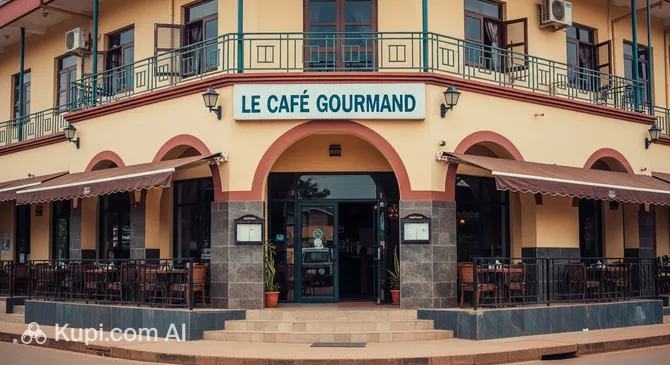
After a full day of exploration or during a break between excursions, the restaurant Le Café Gourmand is a pleasant place for relaxation and gastronomic discovery. Here you can enjoy delicious dishes in a cozy atmosphere, choosing from local cuisine or opting for familiar international recipes.

Illustration.
Source: Kupi.com AI

Traveller photos:

Best Time to Visit

When planning a trip to Burundi, it is important to consider local climatic features to make your journey as comfortable as possible. The best time to visit the country is during the two main dry seasons: the long one from June to August (sometimes extending into September), and the shorter one from December to January. During these periods, the weather is usually sunny and pleasant with moderate temperatures, creating ideal conditions for exploring national parks, hiking, and discovering the country's rich culture. This is the high season, when travel conditions are most favorable. Although Burundi is not a mass tourism destination, one can expect slightly more visitors at popular locations during this time.

The periods between dry seasons, known as the low season or rainy seasons, fall between February to May (long rainy season) and from late September to November (short rainy season). During this time, Burundi's nature comes alive, and the landscapes become especially emerald and lush. Advantages of traveling in the low season can include fewer tourists and potentially lower accommodation prices. However, be prepared for frequent, and sometimes heavy, showers that can make travel difficult on some roads, especially in rural areas, and may affect outdoor activity plans.

One significant national event that might interest tourists and falls during the dry season is Burundi Independence Day, celebrated on July 1st. On this day, celebrations and festivities take place throughout the country, especially in cities like Bujumbura and Gitega. Although Burundi's climate is generally stable due to its equatorial location and highland influence which tempers the heat, small climatic variations related to altitude can be observed in different regions. Therefore, when planning an itinerary, it is a good idea to check weather conditions for specific locations.

Traditions

When planning a trip to Burundi, it is worth getting acquainted with local cultural traditions to ensure your stay is comfortable and respectful. Burundians highly value politeness and hospitality. A greeting usually includes a handshake, and it is important to maintain eye contact – this is a sign of respect and openness. Don't forget to greet elders first. If you are invited into a home, a small token of appreciation, like fruit or sugar, will be warmly received, though it is not a strict requirement. A calm tone of voice is preferred in communication. As for clothing, it is recommended to stick to a modest style, especially outside the capital, Bujumbura, and when visiting rural areas or religious sites. Women should cover their shoulders and knees.

There are also specific customs at the table in Burundi. In traditional settings, people often eat with their right hand, so don't be surprised if you don't see cutlery. It is customary to wash your hands before and after a meal. It is considered polite to wait until the host or the oldest person starts the meal. In daily interaction, try to avoid pointing at people or objects with a finger – it's better to use an open-palm gesture. Be sure to ask permission before taking photos of local residents. Public displays of affection are not common here. Key national holidays reflecting the country's spirit are Independence Day (July 1st) and Unity Day (February 5th). Overall, showing patience, a genuine interest in the local culture, and knowing a few simple phrases in Kirundi, such as greetings, will make your interactions with Burundians warmer and more memorable.

Entertainment

Burundi offers travelers various opportunities for recreation and entertainment, allowing a deep dive into the culture and nature of this African country. Here, activities can be found for both adventure seekers and those who prefer a quiet introduction to local traditions.

For fans of active recreation, Burundi offers opportunities for walking and hiking through picturesque hills and national parks, where one can enjoy stunning views and unique flora and fauna. Water sports, such as swimming and boat trips, are available on Lake Tanganyika. The cultural program can include experiencing traditional music and dance, especially the famous Burundian drummers, whose performances are a vital part of the country's heritage. Visiting local markets also provides insight into daily life and crafts.

Nightlife is mainly concentrated in the capital, Bujumbura, where one can find restaurants serving both local and international cuisine, as well as several bars and clubs for a pleasant evening. Shopping in Burundi is primarily an opportunity to acquire unique handmade items: woven baskets, wooden sculptures, ceramics, and bright fabrics. These souvenirs will serve as excellent reminders of the trip. Although specialized entertainment centers for children are few, families can enjoy walks in nature and learning about local culture, which in itself can be an exciting adventure for young travelers.

Currency rates

Planning a trip? Wonderful! To make sure the financial side of your journey holds no surprises, it's worth remembering that exchange rates are constantly changing. That's why we strongly recommend keeping an eye on current rates both before departure and throughout your trip. To help with that, you can use the data provided below — we monitor exchange rates 24/7 and strive to provide the most up-to-date information.

Reached the bottom of the page?

Looks like you know this route inside out

We use cookies and services to collect user information. This is essential for the functioning of the site and for marketing purposes. You can find out more in .