Mali

Cities in the country

About

Mali is a country in West Africa that impresses with its scale and incredibly rich historical heritage. Stretching across a vast territory where the Sahara Desert meets the savannas of the Sahel region, Mali was once the heart of powerful empires that left behind unique cultural treasures. The modern center of the country is its capital, the lively city of Bamako, situated on the banks of the Niger River.
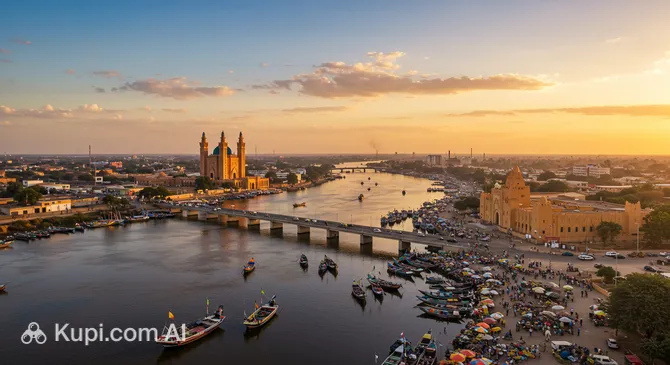
Illustration.
Source: Kupi.com AI

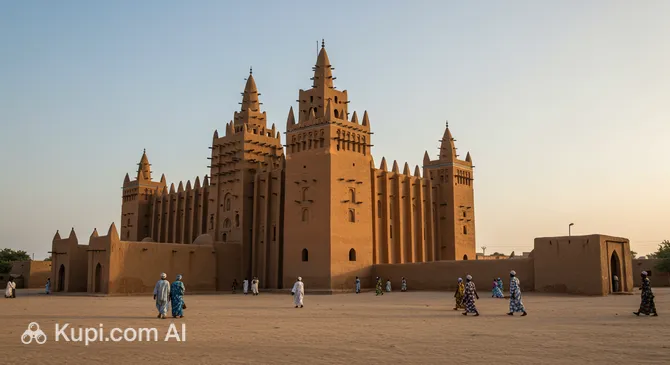
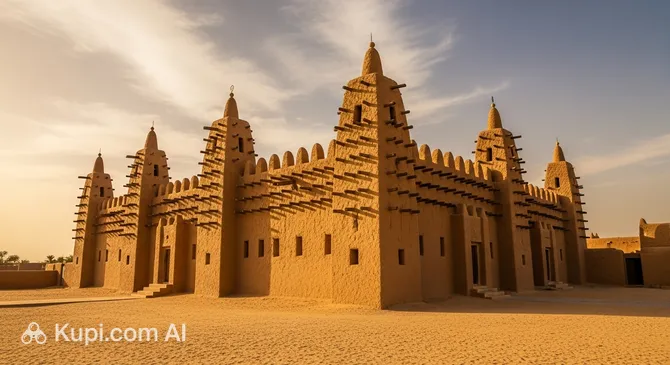
A journey to Mali is an immersion into ancient history and a distinctive culture. The country is famous for its legendary cities, such as Timbuktu, once a major center of scholarship and trade, and Djenné, known for its impressive Great Mosque, the largest mud-brick building in the world. Mali's architecture, especially its raw-earth mosques like the famous Djinguereber Mosque in Timbuktu, is recognized as a UNESCO World Heritage site and attracts lovers of authenticity from all over the globe. Furthermore, Mali is the birthplace of vibrant musical traditions whose sounds can be heard everywhere.

Mali's nature is diverse, ranging from the sandy dunes of the Sahara in the north to the fertile lands along the Niger River, which serves as the country's vital artery. The climate is predominantly hot and dry, especially in the northern regions. The atmosphere of Mali is permeated with the spirit of antiquity, the hospitality of the local people, and the feeling of touching something genuine and eternal. This is a destination for those seeking not just a vacation, but a true adventure and deep cultural immersion.

Currency

The currency of Mali is the West African CFA franc (international code XOF). This currency is also used in several other West African countries. CFA franc banknotes and coins come in various denominations. For everyday transactions, it is convenient to carry small bills and coins, as getting change for large banknotes can be difficult, especially in markets and small shops.

Exchanging foreign currency for CFA francs is recommended at official banks or licensed exchange offices, which can be found in the capital Bamako and other major cities. Try to avoid exchanging money with street changers due to the risk of fraud or unfavorable rates. The use of credit cards in Mali is quite limited; they are accepted primarily in large hotels and some restaurants in the capital. Therefore, for most purchases and services, especially outside of Bamako, you will need cash. It is recommended to check the possibility of cashless payment in advance.

Visa Requirements

To enter Mali, most foreign citizens, including citizens of EU countries, the USA, and the CIS, generally require a visa. Usually, a tourist visa is issued. You can obtain it by applying to the embassy or consulate of Mali in your country of residence. In some cases, it may be possible to obtain a visa on arrival, but this information should be verified in advance.

In addition to a visa, you will need a valid passport to cross the border, the validity of which must cover the entire period of your intended stay. Return tickets, proof of hotel reservation, and medical insurance may also be required. As visa rules can change, it is strongly recommended to check for up-to-date information on the official websites of Malian embassies or visa centers before your trip.

We'll let you know if you need a visa

Enter your destination or
Your nationality
Destination

Timezones

When planning a trip to Mali, you don't have to worry about changing time zones within the country. A single time is used across the entire territory of Mali.

The country is located in the GMT (Greenwich Mean Time) zone, which corresponds to UTC+0. This means that time in Mali coincides with Coordinated Universal Time and does not shift for daylight savings.

Getting There

The easiest way to reach Mali is by air. The country's main international transport hub is Bamako–Sénou International Airport, located near the capital, Bamako. Flights operate here from several European cities, particularly Paris, as well as from many African capitals and major cities. Direct flights may be limited, so travelers often need to use connecting flights.

For those who prefer land travel or are planning a combined route through West Africa, it is possible to enter Mali by bus or car from neighboring countries such as Senegal, Ivory Coast, Burkina Faso, Guinea, Niger, or Algeria. However, it should be kept in mind that such trips can be long and require thorough preparation, including checking current information on road conditions and border crossings. Since Mali is landlocked, sea transport is not used for arriving in the country.

Regardless of the chosen travel method, it is recommended to book tickets well in advance, especially if your trip coincides with the peak tourist season or major local holidays. This will help not only to save money but also to guarantee seat availability.

AirportCityIATA
Bamako-Senou International AirportBamakoBKO

Mali, a country with a rich history and culture, offers travelers an introduction to unique cities, each holding its own secrets and treasures. There are no conventional seaside resorts here, but there are places that will amaze you with their authenticity and ancient traditions. From bustling urban centers to legendary settlements on the edge of the desert—Mali is capable of surprising even the most seasoned tourist.

Illustration.
Source: Kupi.com AI

The heart of the country is undoubtedly its capital—Bamako. This dynamic city, located on the banks of the Niger River, serves as the main economic and cultural center of Mali. Here you can visit the National Museum, stroll through colorful markets, and experience the modern rhythm of West African life. No less famous is the legendary Timbuktu, once a vital center of Islamic scholarship and trade, shrouded in an aura of mystery and ancient knowledge. Its mud-brick mosques and libraries still attract researchers and travelers from all over the world.

Among other notable cities in Mali is Djenné, known for its impressive Great Mosque—the largest mud-brick building in the world and a UNESCO World Heritage site. The city of Mopti, often called the "Venice of Mali" due to its location at the confluence of the Niger and Bani rivers, is a bustling river port and trade hub. Also worth visiting is Ségou, the former capital of the Bambara Empire, which preserves traces of its colonial past and rich cultural traditions.

Top Attractions

Mali, a country with an incredibly rich history and culture, offers travelers unique attractions that reflect its centuries-old heritage. Here, ancient cities stand alongside natural beauty, and architectural monuments tell stories of the former greatness of empires.

One of the most famous shrines not only in Mali but in all of West Africa is the Djinguereber Mosque in Timbuktu. Built in the 14th century, it is striking for its mud-brick architecture and is an important center of Islamic learning. This is a place where history comes alive, allowing you to touch ancient traditions.

Illustration.
Source: Kupi.com AI

Traveller photos:

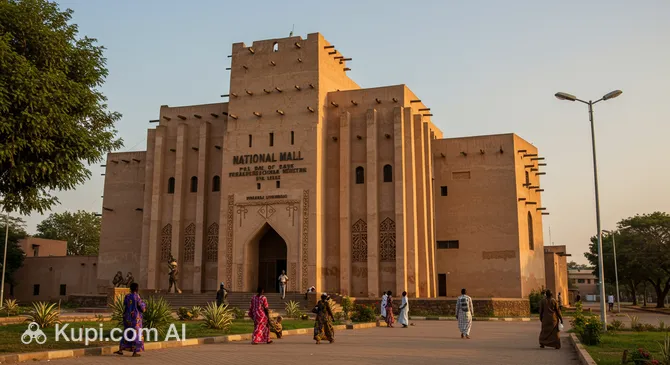
For a deeper immersion into the country's culture, it is worth visiting the National Museum of Mali in the capital, Bamako. It houses rich collections of archaeological finds, ethnographic artifacts, musical instruments, and ritual masks that tell the story of the diverse peoples and civilizations that inhabited this land.

Illustration.
Source: Kupi.com AI

Traveller photos:

In the heart of Bamako stands the Grand Mosque of Bamako. This impressive modern structure, built with support from Saudi Arabia, is one of the city's main religious centers and a striking example of Islamic architecture. Not far from the city's bustle, you can find peace in Bamako National Park, which offers visitors walks through botanical gardens and the opportunity to see representatives of the local fauna in the zoological section of the park.

Illustration.
Source: Kupi.com AI

Traveller photos:

Illustration.
Source: Kupi.com AI

Traveller photos:

Best Time to Visit

The best time to visit Mali is during the dry season, which typically lasts from November to February. During this period, the weather is most favorable for travel: days are generally sunny and warm but not exhaustively hot, while nights can be quite cool, especially in the northern desert areas. This is the ideal time to explore famous historical cities like Timbuktu or Djenné and for trips into the Sahara. A plus is the comfortable weather; however, this is also the peak tourist season, which can mean more tourists and potentially higher prices for accommodation and services. It is during this period, usually in February, that the colorful Festival sur le Niger, dedicated to music and culture, takes place in the city of Ségou.

The low season in Mali falls during the rainy period, which lasts approximately from June to October, as well as the hottest period immediately before the rains from March to May. During the rainy season, especially in the south around the capital Bamako, heavy rainfall occurs, making the landscape brighter and greener. Advantages of this time can include fewer tourists and lower prices. However, rains can wash out roads, making travel difficult, especially on unpaved tracks. The period from March to May is characterized by very high temperatures that may be uncomfortable for most travelers. It is worth noting that the famous Festival au Désert, traditionally held in January, has been unstable in recent years, so current information should be checked in advance.

Overall, Mali is a country with a predominantly hot climate. Southern regions receive more precipitation, while the northern part of the country, belonging to the Sahara Desert, remains arid almost year-round. When planning a trip, it is always useful to check the weather forecast for the specific regions you intend to visit to ensure your journey is as comfortable and fulfilling as possible.

Traditions

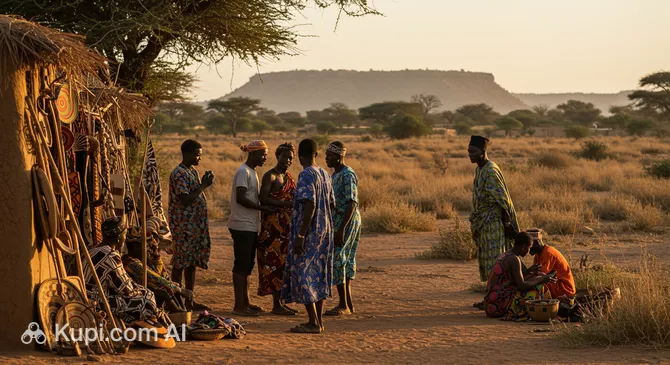
The culture of Mali is rich and multifaceted, and showing respect for local traditions will make your journey much more pleasant. Greetings are an important part of communication here. They usually involve a handshake, which can be quite long, and sincere inquiries about health and family. Don't be surprised if you are invited to visit – hospitality in Mali is highly valued. If you accept such an invitation, a small gift for the hosts, such as tea, sugar, or fruit, will be very appropriate and well-received.

When visiting Mali, you should pay attention to your appearance. It is recommended to dress modestly, especially outside the capital and tourist zones. Cover your shoulders and knees, particularly when visiting mosques or other religious sites. At the table, especially if you are eating from a communal dish, it is customary to use the right hand; the left hand is traditionally considered unclean. It is also polite to wait until the host of the house begins the meal or gives you a signal. Malians are known for their warmth, and showing interest in their customs will always be appreciated.

Among the important holidays in Mali are the Muslim holiday of Tabaski (Eid al-Adha), which is celebrated on a large scale with family feasts and sacrifices, and Independence Day (September 22), accompanied by parades and public festivities. To avoid awkward situations, remember that you should not photograph people without their permission. Also, keep in mind that the concept of time in Mali may be more flexible than you are used to – exercise patience. Avoid public displays of affection and try not to use your left hand for passing money or important items.

Entertainment

Mali attracts travelers with its unique combination of ancient history, living culture, and impressive natural landscapes. For fans of active recreation, the country offers opportunities to explore diverse ecosystems, whether through hiking in unique geological formations like the Bandiagara Escarpment or engaging boat trips along the mighty Niger River, which reveal views of traditional settlements and rich nature.

The cultural life of Mali is rich and multifaceted; the country is especially known for its musical traditions, which can be heard at numerous festivals or in informal settings. Museums, such as the National Museum of Mali in the capital, and historical monuments scattered across the country help visitors get acquainted with its rich heritage. Nightlife is most vibrant in Bamako, where travelers will find a variety of restaurants offering both local and international cuisine, as well as bars and clubs playing modern and traditional Malian music.

Shopping in Mali is an immersion into a world of bright colors and authentic crafts. At local markets, especially in cities like Bamako or Djenné, one can find the famous bogolan (mudcloth) fabrics, leather goods, bronze items, silver jewelry, and ritual masks. For family vacations, Mali can offer visits to nature reserves or parks, such as Bamako National Park or the National Zoo of Mali, where you can see local flora and fauna, as well as participate in cultural events that may be interesting for children.

Currency rates

Planning a trip? Wonderful! To make sure the financial side of your journey holds no surprises, it's worth remembering that exchange rates are constantly changing. That's why we strongly recommend keeping an eye on current rates both before departure and throughout your trip. To help with that, you can use the data provided below — we monitor exchange rates 24/7 and strive to provide the most up-to-date information.

XOF exchange rate for 14/08/2026

1 AED
~ 154.15 XOF
1 AMD
~ 1.55 XOF
1 AUD
~ 399.52 XOF
1 AZN
~ 333.00 XOF
1 BYN
~ 188.79 XOF
1 CAD
~ 406.17 XOF
1 EUR
~ 652.74 XOF
1 GBP
~ 763.36 XOF
1 HUF
~ 1.79 XOF
1 INR
~ 5.93 XOF
1 KGS
~ 6.47 XOF
2.51 KRW
~ 1 XOF
1 KZT
~ 1.22 XOF
1 PLN
~ 151.52 XOF
1 RUB
~ 6.79 XOF
1 SAR
~ 150.53 XOF
1 SGD
~ 442.28 XOF
1 TRY
~ 11.85 XOF
1 UAH
~ 12.66 XOF
1 USD
~ 565.93 XOF
21.12 UZS
~ 1 XOF

Reached the bottom of the page?

Looks like you know this route inside out

We use cookies and services to collect user information. This is essential for the functioning of the site and for marketing purposes. You can find out more in .