Djibouti

Cities in the country

About

Djibouti is a small but surprisingly diverse state located in the strategically important Horn of Africa region, on the coast of the Bab-el-Mandeb Strait, which connects the Red Sea to the Gulf of Aden. This country offers tourists a unique combination of rugged volcanic landscapes, salt lakes, coral reefs, and a distinctive culture, making it an attractive destination for adventure seekers and lovers of untouched nature.

Djibouti's cultural heritage is shaped by the centuries-old traditions of the nomadic Afar and Issa peoples, as well as a notable influence from the French colonial period. The official languages are French and Arabic, but Afar and Somali are also widely spoken. The heart of the country and its main economic center is the capital — Djibouti City, a bustling port city where modernity meets tradition.
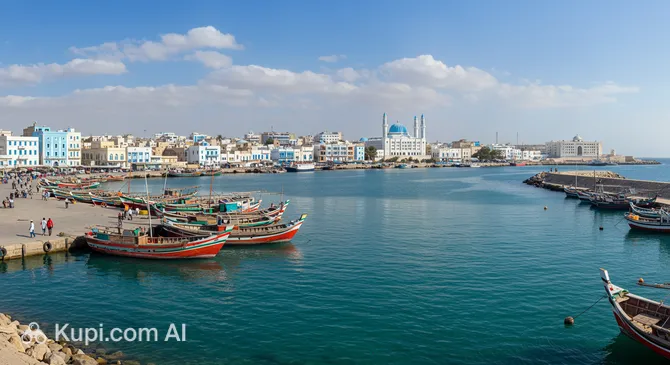
Illustration.
Source: Kupi.com AI

Djibouti's natural attractions are truly impressive. The country is known for its geological wonders, such as Lake Assal — the lowest point in Africa and one of the saltiest lakes in the world, surrounded by surreal landscapes. Diving and snorkeling enthusiasts will appreciate the rich underwater world of the Red Sea, especially around the Seven Brothers archipelago. Besides the capital, the ancient city of Tadjoura is worth a visit, known for its characteristic architecture and as a starting point for exploring the Gulf of Tadjoura. Djibouti leaves the impression of a land of contrasts, where desert expanses give way to oases of life, and ancient customs harmoniously coexist with the modern world.


Currency

The national currency of Djibouti is the Djiboutian franc (DJF). Banknotes of various denominations and coins are in circulation. The design of the currency reflects the country's uniqueness: banknotes often feature images related to the rich marine world, such as the whale shark, scenes from nomadic life, portraits of locals, or important infrastructure like the port.

It is recommended to exchange foreign currency for Djiboutian francs at banks or official exchange offices, which can be found in the capital, Djibouti City, as well as at the international airport. Try to avoid currency exchange offers from private individuals on the street to prevent encountering unfavorable rates or fraud. Credit cards (mostly Visa and MasterCard) have limited acceptance – primarily in large hotels, some restaurants, and supermarkets in the capital. For everyday purchases, taxi fares, and payments in smaller towns, it is always better to carry enough cash.

Visa Requirements

To visit Djibouti, most foreign citizens, including citizens of the EU, USA, and CIS, will require a visa. Generally, this refers to a tourist visa. It can be obtained in several ways: in advance through a Djibouti embassy or consulate in your country, or by applying for an electronic visa (e-Visa) online, which is the most common option. In some cases, it may be possible to obtain a visa on arrival at Djibouti-Ambouli International Airport, but it is recommended to verify this possibility in advance, as rules can change.

Regardless of the method of obtaining the visa, to enter the country you will definitely need a valid foreign passport, the expiration date of which should usually exceed six months from the moment of your intended departure from Djibouti. Return tickets, proof of hotel reservation, and medical insurance may also be required. It is extremely important to check the most up-to-date information on visa requirements and necessary documents on the official websites of Djibouti embassies or accredited visa centers before your trip, as visa policies can change.

We'll let you know if you need a visa

Enter your destination or
Your nationality
Destination

Timezones

When planning a trip to Djibouti, you won't have to worry about changing time zones within the country. The entire territory of Djibouti operates in a single time zone — East Africa Time (EAT), which corresponds to UTC+3. This means that the time in the capital, Djibouti City, and in any other corner of the country will be the same.

Getting There

The main way to reach Djibouti is by air. The country's primary air gateway is Djibouti-Ambouli International Airport (JIB), located near the capital, Djibouti City. Direct flights to Djibouti may be limited, but convenient connections usually exist through major aviation hubs in Africa (e.g., Addis Ababa), the Middle East (e.g., Dubai), and Europe (e.g., Paris).

Djibouti has land borders with Eritrea, Ethiopia, and Somalia. While crossing borders by land is possible, especially from Ethiopia, tourists should check the latest rules and safety conditions in advance. An important transport corridor is the railway line linking the port of Djibouti with Addis Ababa in Ethiopia, which may be of interest to some travelers. Regarding sea travel, the port of Djibouti plays a key role in the region, mainly for cargo, but it is occasionally visited by cruise ships. Regular international passenger ferry lines are less common.

When planning a trip, especially during the peak tourist season, it is highly recommended to book flights well in advance. This will not only help ensure seat availability but also help secure better fares. Also, do not forget to check the current visa requirements for entry into Djibouti for citizens of your country long before your intended travel date.

AirportCityIATA
Djibouti-Ambouli International AirportDjibouti CityJIB

Djibouti, a country on the Horn of Africa, offers tourists a unique combination of cultural heritage, amazing natural landscapes, and opportunities for active recreation. Here, you can find both bustling urban centers and secluded natural spots that attract divers, history buffs, and lovers of the exotic.

Illustration.
Source: Kupi.com AI

The main center of attraction and the starting point for most travelers is the country's capital — Djibouti City. This colorful port city offers a chance to explore local culture, visit lively markets, and see examples of colonial architecture. Equally interesting is the city of Tadjoura, known for its whitewashed houses and historical significance, as well as being a popular spot for diving and snorkeling in the Gulf of Tadjoura. Obock, another coastal town, attracts visitors with its history and the chance to enjoy a quieter seaside holiday. For those who want to dive deeper into the culture and nature of the interior, consider a trip to Ali Sabieh, known for its desert landscapes, or Dikhil, an oasis with palm groves.

Top Attractions

A journey through Djibouti is unimaginable without a visit to Lake Assal. This crater lake, located in the center of the country, is the lowest point on the African continent. The body of water is surrounded by dazzling white salt fields and black volcanic rock, creating an incredible contrast with the turquoise water. The landscape here seems completely otherworldly, and the high salt concentration makes the water feel dense and oily to the touch.

Another amazing place, reminiscent of science fiction movie sets, is Lake Abbe on the border with Ethiopia. It is known for its giant limestone "chimneys" from which puffs of steam escape, creating a mystical atmosphere at sunrise and sunset. Despite the harsh desert climate, flocks of pink flamingos are often seen here, bringing life to this lunar landscape.

For those looking for relaxation by the water, the Moucha Islands, located in the Gulf of Tadjoura near the capital, are a real find. This small archipelago is famous for its mangroves, white-sand beaches, and crystal-clear water. It is an ideal place for diving and snorkeling, where you can enjoy the richness of the Red Sea's underwater world away from the city's hustle and bustle.

Best Time to Visit

When planning a trip to Djibouti, it is important to consider the characteristics of the local climate. The most favorable time to visit the country is considered to be the period from November to March. During these months, the weather is relatively mild by Djiboutian standards: daytime temperatures range between +25-30°C, and nights bring a pleasant coolness. This is an ideal time for exploring unique landscapes such as Lake Assal and Lake Abbe, as well as for diving and snorkeling in the Gulf of Tadjoura. It is during this period that whale sharks can be found off the coast of Djibouti, which attracts many lovers of the underwater world. Although Djibouti is not a mass tourism destination, you can expect a slightly higher number of travelers and perhaps slightly higher accommodation prices during the high season.

The low season in Djibouti falls between May and October, characterized by extremely hot and humid weather. Daytime temperatures regularly exceed +40°C, sometimes reaching +45-50°C, especially in the interior of the country. Traveling and outdoor activities in such conditions can be extremely difficult and even dangerous for health. The advantages of this period may include fewer tourists and potentially lower prices for some services. However, many activities, especially outdoors, will be severely limited due to the intense heat.

An important event in the life of the country is the celebration of Independence Day on June 27, though it is worth remembering that this falls during the hottest period. A key natural phenomenon to consider when planning is the whale shark migration season, which, as mentioned, coincides with the cooler high season. Overall, for the most comfortable and fulfilling journey through Djibouti, it is recommended to choose the months from November to March.

Traditions

The culture of Djibouti is closely intertwined with Islamic traditions and a rich nomadic heritage, which is clearly reflected in daily communication and customs of hospitality. When meeting, it is customary to exchange handshakes, especially among men. When interacting with women, it is recommended to wait for them to initiate. It is important to remember that the right hand is used for greetings, eating, and passing objects, as the left is considered unclean. Hospitality in Djibouti is highly valued: if you are invited into a home, it is a sign of great respect. A small gift for the hosts, such as tea, sugar, or sweets, is appropriate, although not a strict requirement. Refusing offered refreshments is considered impolite.

For a comfortable and respectful stay in Djibouti, tourists should consider local norms in dress and behavior. It is recommended to choose modest clothing that covers the shoulders and knees, especially for women when visiting public places outside of beaches and tourist hotels. When entering a mosque, women must cover their heads, and all visitors must remove their shoes. At the table, especially if a meal is shared from a common dish, it is customary to eat with the right hand. Be tactful when taking photographs: always ask for permission before filming locals, especially women. Avoid public displays of affection and any criticism of local traditions or religion. Key holidays reflecting cultural identity are the Muslim Eid al-Fitr and Eid al-Adha, as well as Independence Day (June 27). A respectful attitude toward Djibouti's culture will make your trip more enriching and pleasant.

Entertainment

Djibouti offers tourists unique opportunities for leisure, combining natural beauty with local flavor. Active recreation here is closely linked to the sea and the desert. The Red Sea and the Gulf of Aden attract diving and snorkeling enthusiasts thanks to the rich underwater life and coral reefs. Boat trips, fishing, and whale shark watching during certain seasons are also popular. For those who prefer land, excursions are organized to salt lakes like Lake Assal and to desert regions with their Martian landscapes, where you can learn about nomadic culture.

Cultural entertainment in Djibouti is mainly concentrated in the capital, Djibouti City. Here, you can visit local markets, such as the Central Market (Marché Central), which sells traditional crafts, spices, and souvenirs. This is an excellent place for shopping and getting a glimpse of the daily life of Djiboutians. While there are few large museums or theaters in the European sense, the atmosphere of the city itself, its architecture, and the blend of cultures are of great interest. In the evening, life comes alive in restaurants offering local and international cuisine, which forms the core of the nightlife. There are few specialized theme parks for family vacations, but the country's nature itself can be an exciting adventure for children, especially sea excursions.

Currency rates

Planning a trip? Wonderful! To make sure the financial side of your journey holds no surprises, it's worth remembering that exchange rates are constantly changing. That's why we strongly recommend keeping an eye on current rates both before departure and throughout your trip. To help with that, you can use the data provided below — we monitor exchange rates 24/7 and strive to provide the most up-to-date information.

Reached the bottom of the page?

Looks like you know this route inside out

We use cookies and services to collect user information. This is essential for the functioning of the site and for marketing purposes. You can find out more in .