Ethiopia

About

Ethiopia, located in the Horn of Africa region, is a country with an ancient history and unique culture, notable for being never fully colonized. It is a land where millennia-old traditions, distinctive Christian shrines, and amazing natural landscapes intertwine. A journey here promises immersion into a completely different world, full of discoveries and unforgettable experiences.

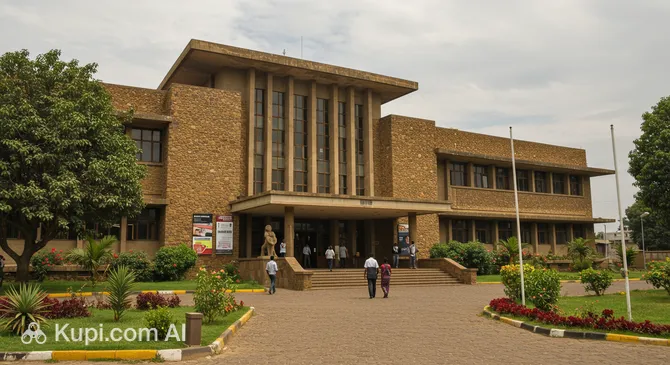
The country's capital, Addis Ababa, is a vibrant cultural and political center. Here, you can visit the National Museum of Ethiopia, which houses the remains of the famous Lucy. However, Ethiopia's true historical gems lie outside the capital – from the rock-hewn churches of Lalibela to the majestic castles of Gondar, telling the story of the country's rich imperial past.
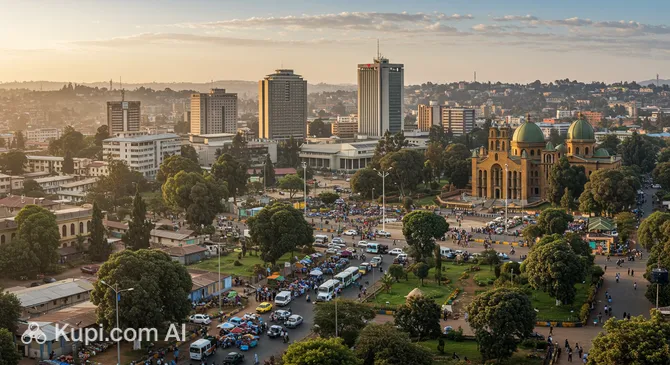
Illustration.
Source: Kupi.com AI

Ethiopia's nature is striking in its diversity: from the majestic Simien Mountains with their endemic fauna to the Danakil Desert with its otherworldly landscapes and volcanic activity. The climate varies from hot and dry in the lowlands to cool in the highlands. Ethiopia is a land of contrasts, hospitable people, and deep spirituality that leaves an indelible mark on the heart of every traveler.

Currency

The national currency of Ethiopia is the Ethiopian Birr (ETB). Banknotes of various denominations are in circulation, often depicting important historical figures, cultural symbols, or scenes from the country's life. Coins are also used for small transactions. It is recommended to exchange currency at official banks or licensed exchange offices, which can be found at the airport and in major cities like Addis Ababa. Avoid exchanging money with street changers, as this can be risky and illegal.

The use of credit cards in Ethiopia is limited. They are accepted mainly in large international hotels, some restaurants, and airline offices in the capital. In most other places, especially outside major cities, it is preferable to carry a sufficient amount of cash in Birr for daily expenses, market purchases, and service payments.

Visa Requirements

To visit Ethiopia, most foreign citizens, including tourists from the EU, USA, and CIS countries, generally require a visa. A tourist visa can be obtained in several ways: in advance online via the official Ethiopian e-visa portal, at an Ethiopian embassy or consulate in your country of residence, and for citizens of some countries, there is an option to obtain a visa on arrival at Bole International Airport in Addis Ababa. To enter the country, you must have a passport valid for at least six months from the date of intended entry, and you may also need return tickets, proof of hotel reservation, and medical insurance.

It is important to remember that visa rules can change. Therefore, before planning a trip to Ethiopia, it is strongly recommended to check the latest information on visa requirements, necessary documents, and procedures for obtaining them on the official website of the Ministry of Foreign Affairs of Ethiopia, or at the Ethiopian embassy or consulate in your country.

We'll let you know if you need a visa

Enter your destination or
Your nationality
Destination

Timezones

When planning a trip to Ethiopia, you won't have to worry about changing time zones within the country. A single time zone applies throughout Ethiopia, corresponding to East Africa Time (EAT).

This means that the time here is three hours ahead of Coordinated Universal Time (UTC+3 or GMT+3). Therefore, whether you are exploring the capital Addis Ababa or traveling to other regions, you will not need to adjust your watch.

Getting There

When planning a trip to Ethiopia, most tourists choose air travel as the most convenient and fastest way to reach the country. The main gateway is Bole International Airport in Addis Ababa. This airport serves as a major hub for the national carrier, Ethiopian Airlines, offering flights to many cities in Africa, Europe, Asia, North and South America. Direct flights or convenient connections are available from most major world capitals and transport hubs.

Reaching Ethiopia by land is possible as the country borders several nations, including Djibouti, Kenya, Sudan, South Sudan, Eritrea, and Somalia. However, land travel can be associated with certain difficulties, and most tourists prefer flights. There are bus routes connecting Ethiopia with neighboring countries like Djibouti and Kenya, but they are more frequently used by the local population. International rail connections are poorly developed. Since Ethiopia is landlocked, there is no direct sea connection, although one can reach the ports of neighboring Djibouti and continue the journey by land from there. Regardless of the chosen method, it is recommended to book tickets in advance, especially during the peak tourist season, to ensure the best prices and availability.

AirportCityIATA
Addis Ababa Bole International AirportAddis AbabaADD
Bahar Dar AirportBahir DarBJR
Gondar AirportGonderGDQ
Jijiga AirportJijigaJIJ
Aba Tenna D Yilma AirportDire DawaDIR

Ethiopia is a country with a rich history and culture, offering travelers a unique combination of ancient traditions and breathtaking landscapes. Among its popular destinations are both vibrant urban centers and places that hold the secrets of centuries. The main center is undoubtedly the capital — Addis Ababa. This city is not only the political heart of the country but also a place where you can get acquainted with modern Ethiopian life, visit interesting museums, and enjoy local cuisine.

Illustration.
Source: Kupi.com AI

Besides the capital, Ethiopia is famous for its historical cities. Gondar, known as the "African Camelot," impresses with its medieval castles and churches. No less famous is Lalibela, where pilgrims and tourists from all over the world come to see unique monolithic churches carved directly into the rocks. For those seeking natural beauty, Bahir Dar, located on the shores of Lake Tana, is an excellent choice; from there, you can head to the source of the Blue Nile and visit ancient monasteries on the islands. These cities are just a small part of what amazing Ethiopia has to offer, inviting everyone to discover its treasures.

Top Attractions

Ethiopia is a country with ancient history and unique culture, offering travelers many amazing discoveries. Here, everyone will find something for themselves: from ancient relics to modern parks. Let's get acquainted with some of the most iconic attractions of this African gem.

One of the main places to visit in the capital is the National Museum of Ethiopia. It houses the famous skeleton of Lucy, an Australopithecus who lived more than 3 million years ago, as well as a rich collection of archaeological finds, artworks, and ethnographic exhibits that tell the story of the country's centuries-old history. This place is a must-visit for everyone interested in the origins of humanity and Ethiopian culture.

Illustration.
Source: Kupi.com AI

Traveller photos:

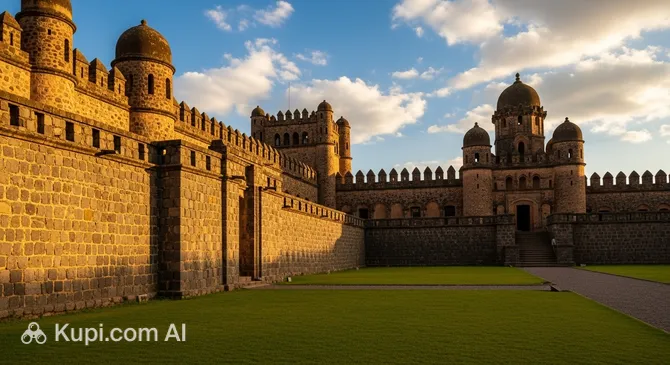
For those who want to touch Ethiopia's imperial past, it's worth heading to Gondar to see Fasil Ghebbi. This impressive 17th-18th century palace complex, listed as a UNESCO World Heritage site, is a fortress with castles, churches, and other structures reminiscent of medieval European castles. A walk through its territory is a true journey back in time.

Illustration.
Source: Kupi.com AI

Traveller photos:

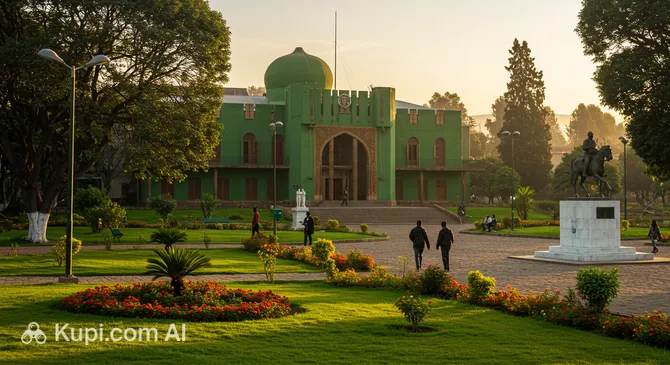
Returning to Addis Ababa, you cannot overlook Unity Park. This is a relatively new but already popular destination that combines natural beauty, historical pavilions, and modern installations. The park offers visitors not only outdoor recreation but also the opportunity to learn more about the history and cultural diversity of Ethiopia.

Illustration.
Source: Kupi.com AI

Traveller photos:

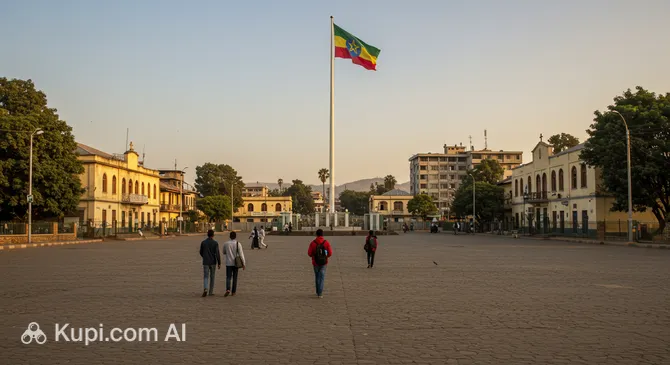
Another iconic spot in the capital is Meskel Square. This is not just a large city square but an important social and cultural space where major festivals and events are held, including the famous Meskel festival (Finding of the True Cross). Visiting the square allows you to feel the pulse of modern Ethiopian life.

Illustration.
Source: Kupi.com AI

Traveller photos:

Best Time to Visit

When planning a trip to Ethiopia, it is important to consider the country's climatic features to choose the most comfortable time for your visit. The high tourist season usually lasts from October to May. During this period, dry and sunny weather prevails, especially in the highland regions, creating ideal conditions for trekking, for example, in the Simien Mountains, as well as for visiting famous historical sites such as the rock-hewn churches of Lalibela or the castles of Gondar. Air temperatures during this time are generally comfortable for excursions, although it can be very hot in lowland areas like the Danakil Depression. The downsides of this period include a larger number of tourists and, consequently, potentially higher prices for accommodation and services. It is in January, at the height of the dry season, that one of the country's most colorful and significant festivals – Timkat (Epiphany) – takes place.

The low season (off-season) in Ethiopia mainly coincides with the main rainy season, which lasts from June to September. During this time, especially in the central and northern highland regions, including the capital Addis Ababa, there can be prolonged downpours, which sometimes makes travel difficult and some roads less accessible. However, this period has its advantages: there are significantly fewer tourists, prices for accommodation and tours can be lower, and nature is transformed, pleasing the eye with emerald greenery and full-flowing waterfalls. The important festival of Meskel (Finding of the True Cross) is celebrated at the end of September, often at the transition between seasons when the rains begin to subside. Given the size of the country, the climate can vary significantly: for example, in the southern Omo Valley, the rainfall schedule differs from the northern regions. Therefore, it is always recommended to check the weather conditions for the specific places you plan to visit before your trip.

Traditions

Ethiopia is a country with an ancient and original culture, the acquaintance with which will enrich your journey. When communicating with locals, a warm handshake is common, often using the right hand, sometimes with the left hand touching the right elbow of the interlocutor as a sign of special respect. Eye contact is important and demonstrates your sincerity. Ethiopians are very hospitable; an invitation to a traditional coffee ceremony is a sign of great respect, and it is not customary to refuse it. If you are invited to a home, a small souvenir from your country or something for the children would be a nice gesture, although not mandatory.

When visiting the numerous ancient churches and monasteries of Ethiopia, as well as mosques, it is important to observe modesty in dress: shoulders and knees should be covered for both men and women. Women may need a scarf to cover their head when entering Orthodox churches. At the table, especially when traditional injera is served with various sauces (wat), it is customary to eat with the right hand. Offering food is considered a sign of care and should be accepted with gratitude. Among the most important holidays that give a vivid insight into the culture are Timkat (Epiphany) in January, accompanied by colorful processions and the blessing of water, and Meskel (Finding of the True Cross) in September, known for its huge bonfires.

To show respect for local traditions, try not to use your left hand for passing objects or food, as it is traditionally considered "unclean." When photographing people, always ask for their permission. Displaying excessive public affection between a man and a woman may be perceived ambiguously, especially in rural areas. Overall, Ethiopians are very friendly and appreciate politeness and interest in their rich culture.

Entertainment

Ethiopia offers travelers a unique blend of entertainment, where ancient history intertwines with vibrant modern culture. For lovers of active recreation, the country opens up opportunities for exciting hikes and trekking through picturesque highlands, such as the Simien Mountains, as well as exploring unique geological formations like the Erta Ale volcano. The cultural program is rich with visits to ancient rock-hewn churches in Lalibela and historical complexes like Fasil Ghebbi in Gondar. In the capital, Addis Ababa, you can visit the National Museum of Ethiopia to gain a deeper understanding of the country's rich heritage.

Evening life in Ethiopia is particularly colorful in Addis Ababa, where you can find many restaurants offering traditional cuisine accompanied by live national music and dancing, for instance, at the Yod Abyssinia Traditional Restaurant. There are also modern bars and clubs where you can spend the evening. Shopping in Ethiopia is primarily an opportunity to purchase authentic souvenirs: famous Ethiopian coffee, leather goods, traditional fabrics, silver jewelry, and wooden crafts. Large markets, such as the Merkato in the capital, offer a huge selection of goods.

For family vacations, Ethiopia can offer educational excursions to historical sites that will be of interest to both adults and children. Visiting national parks where you can see endemic animals will also be a memorable adventure. Although the country does not have large theme parks in the conventional sense, the atmosphere and cultural diversity themselves make a journey through Ethiopia an unforgettable experience for the whole family.

Currency rates

Planning a trip? Wonderful! To make sure the financial side of your journey holds no surprises, it's worth remembering that exchange rates are constantly changing. That's why we strongly recommend keeping an eye on current rates both before departure and throughout your trip. To help with that, you can use the data provided below — we monitor exchange rates 24/7 and strive to provide the most up-to-date information.

ETB exchange rate for 13/08/2026

1 AED
~ 43.71 ETB
2.28 AMD
~ 1 ETB
1 AUD
~ 113.39 ETB
1 AZN
~ 94.42 ETB
1 BYN
~ 53.95 ETB
1 CAD
~ 115.22 ETB
1 EUR
~ 185.15 ETB
1 GBP
~ 216.83 ETB
1.97 HUF
~ 1 ETB
1 INR
~ 1.68 ETB
1 KGS
~ 1.84 ETB
8.82 KRW
~ 1 ETB
2.90 KZT
~ 1 ETB
1 PLN
~ 43.02 ETB
1 RUB
~ 1.94 ETB
1 SAR
~ 42.79 ETB
1 SGD
~ 125.39 ETB
1 TRY
~ 3.36 ETB
1 UAH
~ 3.58 ETB
1 USD
~ 160.51 ETB
74.29 UZS
~ 1 ETB

Reached the bottom of the page?

Looks like you know this route inside out

We use cookies and services to collect user information. This is essential for the functioning of the site and for marketing purposes. You can find out more in .