Ivory Coast

About

Côte d'Ivoire, located on the picturesque coast of West Africa, beckons travelers with its unique blend of tropical nature, rich cultural heritage, and dynamic modern life. This country, also known as the Ivory Coast, offers an amazing variety of experiences, from bustling urban centers like the economic capital Abidjan to the tranquil beaches of the Atlantic Ocean.
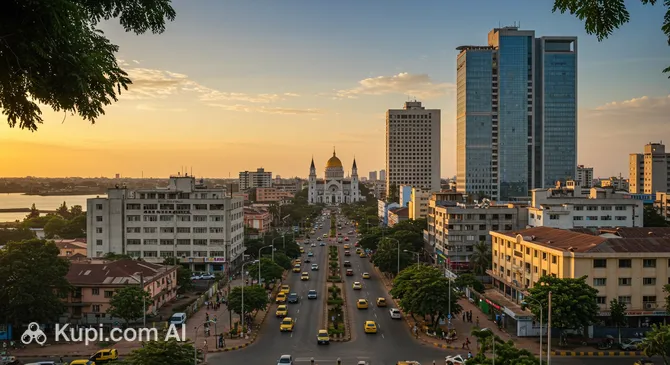
Illustration.
Source: Kupi.com AI

The nature of Côte d'Ivoire is striking in its diversity: here you can find dense humid tropical forests, such as Banco National Park, as well as savannas and magnificent sandy beaches. The country's climate is equatorial in the south and tropical in the north, providing warm weather year-round that is ideal for exploring both natural beauty and cultural treasures. The historic city of Grand-Bassam, a former French colonial capital, is listed as a UNESCO World Heritage site and enchants with its architecture and atmosphere.

Côte d'Ivoire's cultural mosaic, comprised of more than 60 ethnic groups, is vividly reflected in its music, dance, art, and traditions. The political capital, Yamoussoukro, surprises with its grandiose structures, most notably the famous Basilica of Our Lady of Peace, one of the largest Christian churches in the world. The atmosphere in the country is generally welcoming and lively, offering tourists an unforgettable experience of immersion into authentic West African culture.

Currency

The official currency of Côte d'Ivoire is the West African CFA franc (BCEAO), with the international code XOF. This currency is used in eight countries of the West African Economic and Monetary Union. Banknotes of various denominations are in circulation, often depicting cultural symbols and wildlife iconic to the region. Coins are also widely used for small transactions.

Exchanging foreign currency for CFA francs is recommended at official banks or licensed exchange offices, which can be found in major cities like Abidjan and at the airport. Avoid exchanging money with street changers, as this may involve risks of fraud or unfavorable rates. Credit cards (mainly Visa and Mastercard) are accepted in large hotels, some restaurants, and supermarkets in the capital and other tourist centers; however, for everyday expenses, especially in smaller towns and markets, it is preferable to carry cash. ATMs are also available, but their concentration is higher in major urban areas.

Visa Requirements

To visit Côte d'Ivoire, citizens of most countries, including those of the EU, USA, and CIS, generally require a visa. Usually, this refers to a tourist visa, which can be arranged in advance through an embassy or consulate of Côte d'Ivoire in your country of residence, and in some cases, an electronic visa (e-Visa) option is available online. The possibility of obtaining a visa on arrival exists, but its conditions should be clarified beforehand.

In addition to a visa, entry into the country requires a valid passport with an expiration date that covers the entire period of the intended stay. It is also recommended to have return tickets, hotel booking confirmation, and medical insurance. Since visa regulations can change, we strongly advise checking for the most current information on the official websites of Côte d'Ivoire embassies or authorized visa centers before your trip.

We'll let you know if you need a visa

Enter your destination or
Your nationality
Destination

Timezones

When planning a trip to Côte d'Ivoire, you won't have to worry about changing time zones within the country. A single time zone applies throughout the entire territory of Côte d'Ivoire.

It corresponds to Greenwich Mean Time (GMT) or UTC+0. This means that the time in Abidjan and other cities in the country will be the same, which simplifies the planning of travel and events.

Getting There

The easiest way to reach Côte d'Ivoire is by air. The country's main international aviation hub is Félix-Houphouët-Boigny Airport, located in Abidjan. Direct flights operate here from many major cities in Europe and Africa, and convenient connections are available through European and Middle Eastern hubs for travelers from other regions of the world. It is recommended to check airline websites for current schedules and flight availability.

For those who prefer land travel or multi-destination routes, Côte d'Ivoire shares land borders with several neighboring countries, such as Ghana, Liberia, Guinea, Mali, and Burkina Faso. International bus routes may connect Abidjan and other cities with population centers in these countries; however, you should clarify information about visa requirements and border safety in advance. Sea connections are primarily represented by cargo ports, and passenger ferries or cruise ships are not the primary method of arrival for most tourists. Regardless of the chosen method, we advise booking tickets in advance, especially if your trip falls during the peak tourist season, to ensure the best prices and availability.

AirportCityIATA
Felix Houphouet Boigny AirportAbidjanABJ
San PedroSan PedroSPY
Korhogo AirportKorhogoHGO
Bouake AirportBouakéBYK
ManManMJC

Côte d'Ivoire offers travelers a kaleidoscope of impressions: from dynamic metropolises to cozy resort towns on the Atlantic coast. The economic and cultural center of the country is undoubtedly Abidjan. This bustling city is striking for its contrasts, where modern skyscrapers stand alongside colorful markets, and business bustle gives way to a relaxed atmosphere on the waterfronts.

Illustration.
Source: Kupi.com AI

For those dreaming of a beach holiday and historical immersion, Côte d'Ivoire has prepared gems like Grand-Bassam. The former capital of the French colony, this city is a UNESCO World Heritage site and attracts visitors with its colonial architecture and beautiful beaches. Another important coastal city is San Pedro, known for its large port and also offering opportunities for relaxation by the ocean.

The political capital of the country, Yamoussoukro, offers a completely different experience. This grandiosely planned city is famous primarily for the Basilica of Our Lady of Peace, one of the largest churches in the world, as well as other impressive modern structures. Each of these destinations reveals its own unique side of Côte d'Ivoire, inviting you to explore its rich heritage and natural beauty.

Top Attractions

Côte d'Ivoire, a land of contrasts and rich culture, offers travelers many interesting sites. From majestic religious structures to pristine nature, there is something here for everyone. Let's get to know some of the most iconic attractions of this West African gem.

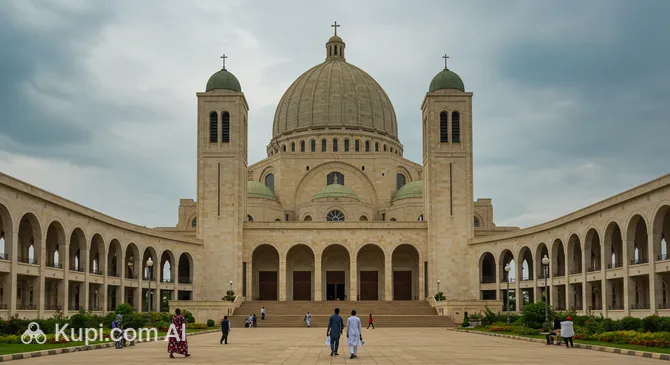
One of the most impressive landmarks is the Basilica of Our Lady of Peace in Yamoussoukro. This is one of the largest Christian places of worship in the world, striking in its scale and architectural splendor. Its dome is visible from afar, and the interior decor and stained glass leave an indelible impression.

Illustration.
Source: Kupi.com AI

Traveller photos:

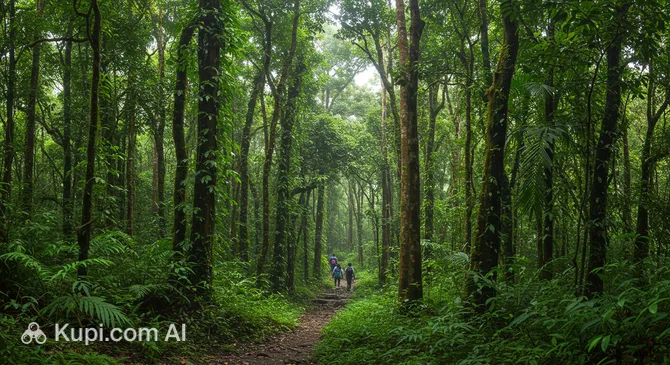
For nature lovers and eco-tourism enthusiasts, Banco National Park, located near Abidjan, is a must-visit. This primary tropical forest is a true oasis of tranquility, where you can walk along shady paths, observe monkeys and diverse birds, and learn more about the local flora.

Illustration.
Source: Kupi.com AI

Traveller photos:

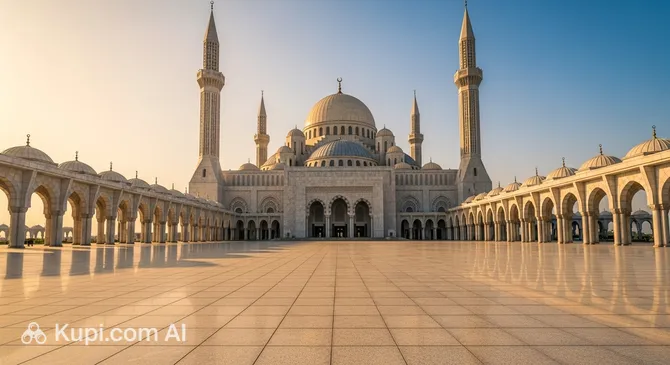
Another iconic religious building, this time Islamic, is the Great Mosque of Yamoussoukro. This beautiful building with elegant minarets is an important spiritual center and an architectural landmark of the city, reflecting the cultural diversity of the country.

Illustration.
Source: Kupi.com AI

Traveller photos:

If you dream of a beach vacation, the San Pedro beach resort can offer you excellent opportunities for relaxation. Located in the port city of the same name, it attracts tourists with its sandy beaches and opportunities for water sports, allowing you to enjoy the Atlantic coast.

Best Time to Visit

The best time to visit Côte d'Ivoire largely depends on your plans and preferences. In general, the high season falls during the dry periods. For southern coastal areas, including cities like Abidjan and Grand-Bassam, this covers the months from December to April, as well as a short dry season in August-September. During these times, sunny, hot, and humid weather prevails, ideal for beach holidays and sightseeing. Northern regions of the country also experience a dry season from November to March, although the dry and dusty Harmattan wind may blow here. The advantages of this period are comfortable conditions for travel and outdoor activities, but it is worth considering a possible increase in the number of tourists and service prices.

The low season, or off-season, coincides with the rainy seasons. In the south, these are the periods from May to July (main rainy season) and from October to November (short rainy season). In the northern part of the country, it rains from April to October. Although there are fewer tourists during this time and prices may be lower, be prepared for frequent and sometimes heavy downpours that can make travel difficult and limit some activities. The landscapes become particularly lush and green during the rainy season. When planning your trip, it is also worth paying attention to local festivals, such as the famous Festival of Masks (Fêtes des Masques), which takes place in various regions, often in February, and can be a vibrant addition to your journey. Given the climate differences between the south and north, it is recommended to check weather conditions for the specific regions you intend to visit.

Traditions

When traveling to Côte d'Ivoire, it is important to remember local cultural characteristics so that your trip goes smoothly and leaves only pleasant impressions. Greeting here is an important ritual. Usually, this is a handshake with the right hand (the left is considered unclean), often accompanied by questions about health and family. It is customary to greet everyone present, starting with the elders. Ivorians are very hospitable, and refusing an offered treat may be perceived as impoliteness. If you are invited to a home, a small symbolic gift, such as fruit or sweets, would be appropriate, though not strictly required.

In everyday life, Ivorians value modesty in clothing, especially outside of cosmopolitan Abidjan and when visiting religious sites—try to keep shoulders and knees covered. At the table, people often eat with their hands, using the right hand; if you are offered utensils, you may use them. Don't be surprised if you are persistently offered second helpings—this is a sign of hospitality. To avoid offending locals, avoid photographing people without their permission, do not raise your voice in public places, and always show respect for elders. One of the main national holidays is Independence Day (August 7), which is celebrated on a grand scale. Remember that patience and a smile will help you establish contact and better understand this amazing country.

Entertainment

Côte d'Ivoire offers a diverse range of leisure and entertainment options to suit the tastes of many different travelers. Active recreation enthusiasts will appreciate the Atlantic coast with its beaches suitable for water sports, as well as national parks like Banco National Park, where you can go hiking and observe nature. For those interested in culture, the country offers an introduction to traditional art, music, and dance. In cities, particularly Abidjan, you can find museums and galleries showcasing both the modern and historical heritage of the country.

Nightlife in Côte d'Ivoire is most prominent in large cities such as Abidjan and Cocody. Here you will find many bars, restaurants with local and international cuisine, and nightclubs where you can dance to infectious African rhythms. Some venues, such as Pams Plus or Prestige Lounge Bar, offer a special atmosphere for evening relaxation. Shopping in Côte d'Ivoire is an opportunity to purchase unique souvenirs: traditional masks, items made of wood and bronze, batik, and colorful fabrics. Local markets and craft shops are full of authentic goods, while for more modern shopping you can visit shopping centers like Cap Sud Mall in Abidjan or COSMOS Yopougon.

Families with children will also find plenty to do in Côte d'Ivoire. Besides beach relaxation, many hotels and resort areas offer entertainment for young guests. Visiting nature parks can be an exciting adventure for the whole family. Overall, the country offers a welcoming atmosphere and a variety of leisure options, from quiet nature contemplation to active urban entertainment.

Currency rates

Planning a trip? Wonderful! To make sure the financial side of your journey holds no surprises, it's worth remembering that exchange rates are constantly changing. That's why we strongly recommend keeping an eye on current rates both before departure and throughout your trip. To help with that, you can use the data provided below — we monitor exchange rates 24/7 and strive to provide the most up-to-date information.

XOF exchange rate for 13/08/2026

1 AED
~ 154.08 XOF
1 AMD
~ 1.55 XOF
1 AUD
~ 399.84 XOF
1 AZN
~ 332.78 XOF
1 BYN
~ 190.15 XOF
1 CAD
~ 406.17 XOF
1 EUR
~ 652.74 XOF
1 GBP
~ 763.94 XOF
1 HUF
~ 1.79 XOF
1 INR
~ 5.93 XOF
1 KGS
~ 6.47 XOF
2.50 KRW
~ 1 XOF
1 KZT
~ 1.21 XOF
1 PLN
~ 151.65 XOF
1 RUB
~ 6.84 XOF
1 SAR
~ 150.85 XOF
1 SGD
~ 442.09 XOF
1 TRY
~ 11.85 XOF
1 UAH
~ 12.64 XOF
1 USD
~ 565.61 XOF
21.07 UZS
~ 1 XOF

Reached the bottom of the page?

Looks like you know this route inside out

We use cookies and services to collect user information. This is essential for the functioning of the site and for marketing purposes. You can find out more in .