Zambia

About

Zambia is an incredible landlocked country in Southern Africa that captures the hearts of travelers with its vast wilderness, rich wildlife, and authentic African atmosphere. It is a place where you can truly feel the spirit of adventure and see nature in all its pristine beauty, making Zambia one of the most exciting destinations on the continent.
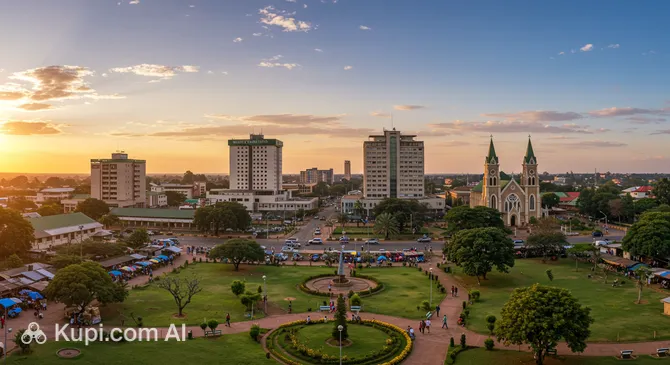
Illustration.
Source: Kupi.com AI

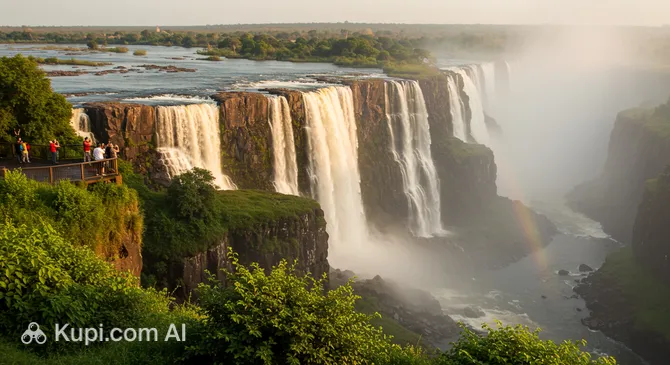
The crown jewel of Zambia is undoubtedly the majestic Victoria Falls, known locally as Mosi-oa-Tunya — "The Smoke That Thunders." One of the Seven Natural Wonders of the World, its power and beauty leave a lasting impression. Many tourists begin their journey to the falls from the city of Livingstone, which serves as the gateway to this natural wonder and other activities, such as safaris in Mosi-oa-Tunya National Park. Beyond the falls, the country is famous for its numerous national parks, such as South Luangwa and Lower Zambezi, where wild animals can be observed in their natural habitat.

The capital city, Lusaka, is a vibrant and fast-growing city where modern buildings stand alongside traditional markets, offering a unique blend of cultures. Zambia is not only about breathtaking landscapes but also its welcoming people, with over 70 different ethnic groups and a rich cultural heritage reflected in its music, dance, and crafts. A trip to Zambia promises unforgettable experiences and a deep immersion into the heart of Africa.

Currency

The national currency of Zambia is the Zambian Kwacha (international code ZMW). Banknotes are decorated with images reflecting the country's rich nature and culture; for example, many feature the African Fish Eagle — the national symbol of Zambia. Banknotes of various denominations are in circulation, along with coins.

It is recommended to exchange foreign currency for Zambian Kwacha at official banks or licensed exchange bureaus, which can be found at airports, major cities, and tourist centers. Avoid exchanging money with street changers, as this carries a risk of fraud or receiving counterfeit notes. Credit cards (mostly Visa and Mastercard) are accepted in most major hotels, restaurants, and supermarkets in cities like Lusaka. However, for purchases at local markets, small shops, and when traveling to rural areas, it is always best to have a sufficient amount of cash on hand.

Visa Requirements

To visit Zambia for tourism purposes, citizens of most countries, including the EU, USA, and CIS, generally require a visa. A tourist visa can be obtained in several ways: in advance online through the electronic visa system (eVisa), at a Zambian embassy or consulate in your country, and in some cases, directly upon arrival in the country. The type of visa and available methods for obtaining it may vary depending on your citizenship.

In addition to a visa, to enter Zambia, you must have a valid passport, usually with an expiration date more than six months from the intended date of departure. It is also recommended to have return tickets, proof of hotel booking, and medical insurance. Since visa rules can change, we strongly advise checking the latest information on the official website of the Zambia Department of Immigration or at the nearest embassy/consulate of the country before your trip.

We'll let you know if you need a visa

Enter your destination or
Your nationality
Destination

Timezones

When planning a trip to Zambia, you won't have to worry about changing time zones within the country. A single time is observed throughout the entire territory of Zambia. The country is in the CAT (Central Africa Time) zone, which corresponds to GMT+2. This means the time here is two hours ahead of Coordinated Universal Time and is the same in the capital, Lusaka, as in other regions.

Getting There

The primary way to reach Zambia is by air. The country has several international airports, the main one being Kenneth Kaunda International Airport in the capital, Lusaka. It serves as the main hub for international flights. Direct flights or convenient connections are available from various regions of the world, including Europe, the Middle East, and other major African cities. Other important airports handling international and regional flights are located in cities such as Livingstone (near Victoria Falls) and Ndola.

For travelers from neighboring countries, there is also the option of reaching Zambia by land, such as by buses crossing the land borders. However, for most international tourists, flying remains the most convenient and fastest option. Regardless of the chosen method, it is recommended to book tickets in advance, especially if your trip coincides with the peak tourist season, to ensure the best prices and availability. It is also wise to check visa requirements for entry into the country well ahead of time.

AirportCityIATA
Kenneth Kaunda International AirportLusakaLUN
Simon Mwansa Kapwepwe International AirportNdolaNLA
Livingstone AirportLivingstoneLVI
MfuweMfuweMFU
SolweziSolweziSLI

Zambia is a country of amazing contrasts, offering travelers both immersion into the bustling life of modern cities and unforgettable encounters with the wild. The heart of the country and its main transport hub is the capital — Lusaka. This dynamic city will introduce you to modern Zambian culture, offer lively markets where you can find authentic souvenirs, and serve as an excellent starting point for exploring other regions of Zambia.

Illustration.
Source: Kupi.com AI

For those craving adventure and dreaming of seeing natural wonders, Zambia is a true treasure. The city of Livingstone, located in the immediate vicinity of the grandiose Victoria Falls, is the world capital of extreme entertainment — from rafting on the Zambezi to bungee jumping. If your goal is world-class safari, you should look toward Mfuwe, which serves as the gateway to the famous South Luangwa National Park, known for its high concentration of leopards. Lower Zambezi National Park also offers unforgettable impressions, where you can go on a canoe safari and observe elephants and hippos in their natural environment. Each of these places is unique and reveals Zambia from a new, exciting side.

Top Attractions

Zambia is a country of amazing natural beauty and rich cultural heritage, offering tourists unforgettable experiences. Among the many interesting places, several key attractions stand out that should be included in your itinerary to fully experience the spirit of this African nation.

Among Zambia's natural treasures, Mosi-oa-Tunya National Park holds a special place. This is where the Zambian side of the famous Victoria Falls is located, known locally as "Mosi-oa-Tunya" — "The Smoke That Thunders." The park offers not only breathtaking views of one of the world's largest waterfalls but also the chance to see a variety of wild animals, including elephants, giraffes, and antelopes, in their natural habitat. This is a place where the power of nature is felt most acutely.

Illustration.
Source: Kupi.com AI

Traveller photos:

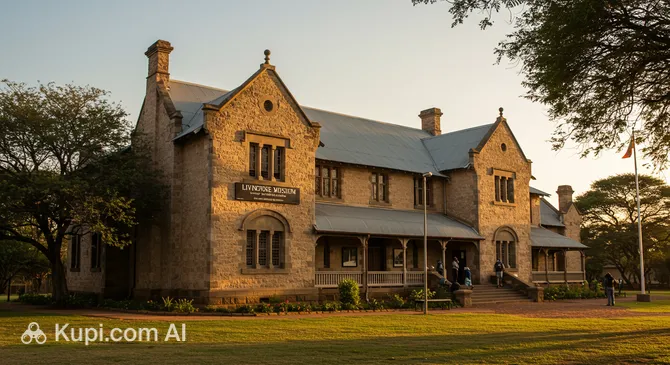
For those interested in the history and exploration of the African continent, a visit to the Livingstone Museum in the city of Livingstone is a must. It is Zambia's oldest and largest museum, dedicated to the life and expeditions of the famous Scottish missionary and explorer David Livingstone. The museum's exhibits also cover the archaeology, ethnography, and natural history of the region in detail, offering a deep dive into the country's past.

Illustration.
Source: Kupi.com AI

Traveller photos:

To see the modern side of Zambian life and purchase souvenirs, it is worth visiting EastPark Mall in the capital, Lusaka. This is one of the city's largest shopping complexes, offering a wide selection of shops, restaurants, and entertainment venues. Here you can find both international brands and products from local artisans, as well as simply enjoy a pleasant time observing the urban bustle.

Illustration.
Source: Kupi.com AI

Traveller photos:

Best Time to Visit

When planning a trip to Zambia, it is important to consider the climate seasons to choose the most comfortable time for your journey. The high season, or dry season, lasts roughly from May to October. During this time, the weather is most favorable: days are warm and sunny, while nights are cool. This is the ideal period for safaris, as animals gather near water sources and are easier to spot. Victoria Falls is also at its best, especially from June to September, when water levels are still high but there is less spray than during the peak flood season. The downsides of this season are larger crowds and, consequently, higher prices for accommodation and excursions.

The low season, or rainy season (also known as the "green season"), falls between November and April. It is characterized by hotter and more humid weather, with frequent but usually short afternoon downpours. The advantages of this time are the lush greenery transforming the landscapes, excellent birdwatching opportunities, fewer tourists, and lower prices. However, some roads may become impassable, and some lodges and camps, particularly in remote areas, may close. Victoria Falls reaches its maximum power during this time, but the massive amount of spray can make it difficult to see the falls in their entirety. It is also worth noting that from October to December, you can witness the massive bat migration in Kasanka National Park — a unique natural phenomenon.

In general, for most activities, including safaris and visiting Victoria Falls, the period from June to September is considered optimal. If you are interested in birdwatching or want to see the country in its greenest state while saving money, the "green season" can be an excellent choice, but be prepared for possible rain and some logistical challenges. Before your trip, it is always helpful to check the weather conditions for the specific regions you plan to visit.

Traditions

Zambia is a country with rich cultural traditions, and showing respect for local customs will make your trip more pleasant and memorable. Greetings play an important role here: a handshake is common, often with the right hand, while the left hand may support the right forearm as a sign of special respect, especially when addressing elders. Zambians are very hospitable; if you are invited into a home, a small gift like fruit or sweets for the children will be appreciated, though not strictly required. Refusing offered food or drink is considered impolite. Politeness and a calm tone are valued in communication; loud talking or laughing in public may be viewed with disapproval.

Regarding clothing, it is generally recommended to stick to a modest style, especially when visiting rural areas, churches, or official institutions — clothing should cover the shoulders and knees. In the capital, Lusaka, and at tourist lodges, standards are more relaxed, but overly revealing outfits are still discouraged. At the table, especially if you are eating traditional dishes like nshima (a thick corn porridge), it is customary to eat with your right hand after washing your hands. It is important to wait until the elders or the hosts begin eating. Avoid pointing at people with your finger and always ask permission before photographing locals. Showing respect for elders is a fundamental aspect of Zambian culture.

Among the major national holidays, Independence Day (October 24) stands out, celebrated on a large scale across the country with parades, music, and dancing, symbolizing the achievement of sovereignty. Understanding and respecting these simple rules will help you build warm relationships with local residents and immerse yourself more deeply in the unique atmosphere of Zambia.

Entertainment

Zambia is a country that charms travelers with its variety of leisure opportunities, especially if you appreciate active tourism and outdoor adventures. The main draw for many is the famous safaris through numerous national parks, where wild animals can be observed in their natural habitat. The Zambezi River provides unique opportunities for water sports such as rafting and kayaking, as well as relaxing river cruises. Hiking enthusiasts will find picturesque routes of varying difficulty levels here.

For those interested in culture, Zambia offers an introduction to local traditions, art, and music. In cities, particularly the capital Lusaka, you can visit museums, such as the Livingstone Museum, which tells the history of the region, as well as art galleries. Nightlife is most active in large urban centers, where travelers will find various bars, such as Chicago Reloaded in Lusaka, restaurants, and clubs offering both local and international cuisine and music.

Shopping in Zambia is a great opportunity to bring home authentic souvenirs. Especially popular are handmade wooden items, colorful fabrics, traditional jewelry, and art pieces that can be found in local markets and souvenir shops. Major cities also have modern shopping centers, such as EastPark Mall in Lusaka. For family vacations, the country offers unforgettable wildlife viewing experiences in national parks like Mosi-oa-Tunya National Park, which will undoubtedly appeal to both adults and children.

Currency rates

Planning a trip? Wonderful! To make sure the financial side of your journey holds no surprises, it's worth remembering that exchange rates are constantly changing. That's why we strongly recommend keeping an eye on current rates both before departure and throughout your trip. To help with that, you can use the data provided below — we monitor exchange rates 24/7 and strive to provide the most up-to-date information.

Reached the bottom of the page?

Looks like you know this route inside out

We use cookies and services to collect user information. This is essential for the functioning of the site and for marketing purposes. You can find out more in .