Sierra Leone

Cities in the country

About

Sierra Leone is an amazing country in West Africa that attracts travelers with its natural beauty and authentic culture. This is a place for those looking for something more than a standard tourist itinerary. The country is famous for its picturesque Atlantic coast with white-sand beaches surrounded by lush tropical vegetation and pristine rainforests in the interior. The heart of the country is its capital, the colorful and bustling Freetown, which stretches along the coast and is steeped in rich history.
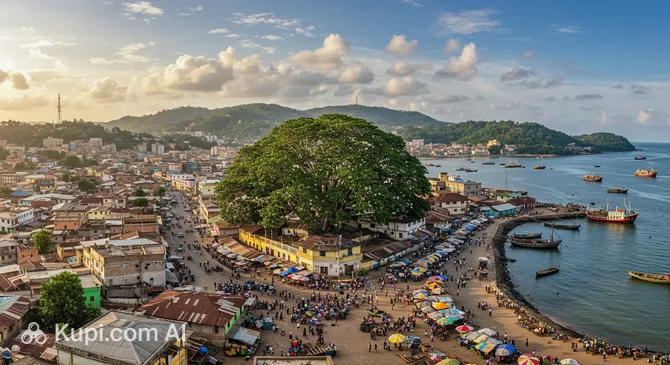
Illustration.
Source: Kupi.com AI

Sierra Leone offers a unique combination of relaxed beach holidays and adventure. Here you can explore national parks inhabited by rare animal species, including monkeys and elephants, or head to the picturesque Banana Islands. In addition to its natural wonders, the country possesses a rich cultural heritage. The local population is famous for its hospitality and zest for life, creating a particularly warm and welcoming atmosphere for guests. A journey here is an opportunity to experience unique traditions, hear local music, and discover one of the most authentic destinations on the African continent.

Cities in the interior, such as Bo and Kenema, are important trade and cultural centers that provide a better understanding of everyday life in Sierra Leone beyond the capital. A trip to this country will leave unforgettable impressions thanks to its incredible nature, friendly people, and the sense of a true discovery.

Currency

The official currency of Sierra Leone is the Sierra Leonean leone. In 2022, the country underwent a denomination, resulting in the new leone (currency code: SLE), which replaced the old banknotes (SLL) at a ratio of 1 to 1,000. Today, banknotes in denominations of 1, 2, 5, 10, and 20 leones are in circulation, along with coins. For travelers, this means that prices have become more convenient for calculations.

It is recommended to exchange foreign currency, such as US dollars or euros, exclusively at official institutions—banks and licensed exchange offices. Most of these are concentrated in the capital city, Freetown. Avoid the services of street money changers to avoid becoming a victim of fraud. Cash remains the primary means of payment throughout the country, especially outside the capital, so it is worth ensuring you have a sufficient supply of local currency.

The use of credit and debit cards in Sierra Leone is very limited. Paying by card is only possible in some large international hotels, expensive restaurants, and supermarkets in Freetown. ATMs are also infrequent, mainly in the capital, and may not always be in working order or have enough cash. Therefore, you should not rely solely on bank cards while traveling through the country.

Visa Requirements

To visit Sierra Leone, citizens of most countries, including the EU, CIS, and USA, require a visa. The most convenient way to obtain one is by applying for an electronic visa (e-Visa) online before the trip. The application process takes place via the internet, and the visa authorization itself arrives by email. There is also the possibility of obtaining a visa on arrival at Freetown International Airport; however, this may require prior online registration. In some cases, a visa can also be issued at Sierra Leonean consulates.

To enter the country, you will definitely need an international passport with a validity period of at least six months from the date of entry. Although the full list of documents may vary, it is standardly recommended to have confirmation of a hotel booking or host details, return flight tickets, and medical insurance. It is important to remember that visa rules and requirements can change, so before planning your trip, we strongly advise checking the most up-to-date information on the official website of the Sierra Leone Immigration Service or at the nearest embassy of the country.

We'll let you know if you need a visa

Enter your destination or
Your nationality
Destination

Timezones

A single time zone operates throughout the territory of Sierra Leone. This means that the time is the same in all corners of the country, from the capital to the most remote regions. This is very convenient for travelers, as they do not need to worry about resetting their watches when moving around the country.

The time zone of Sierra Leone corresponds to Coordinated Universal Time and is designated as GMT or UTC+0. The country does not observe daylight saving time, so the difference with other countries remains constant throughout the year. Thus, when planning calls home or onward flights, you can always count on a stable time difference.

Getting There

The main way to reach Sierra Leone is by air. The primary gateway to the country is Lungi International Airport, located near the capital, Freetown. Direct flights from countries outside Africa and the Middle East are limited. Most travelers arrive with connections in major European hubs such as Brussels, Paris, or Istanbul, as well as through major African cities. Given the high demand, especially during the tourist season, it is recommended to book flight tickets in advance.

Overland travel to Sierra Leone is possible via borders with neighboring Guinea and Liberia; however, this method of travel is better suited for experienced travelers. Road quality can be low, and border formalities require careful preparation. International bus services are poorly developed. Opportunities to reach the country by sea on regular passenger ferries or cruise ships are virtually non-existent; maritime transport is mainly used for domestic travel between the coast and the islands.

AirportCityIATA
Lungi International AirportFreetownFNA

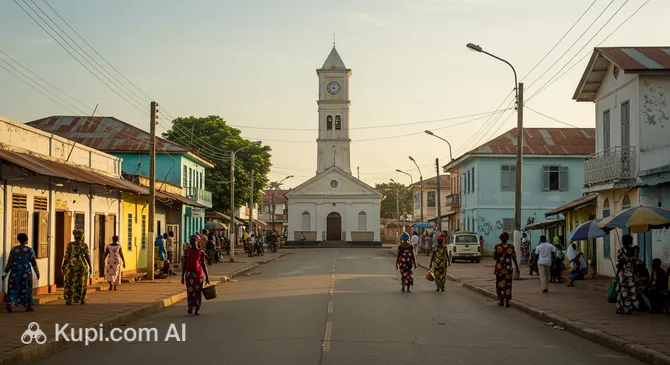
Sierra Leone offers travelers not only magnificent beaches but also an introduction to vibrant cities, each with its own unique character. The main center of the country is undoubtedly its capital — Freetown. This port city, founded as a "free town" for former slaves, attracts visitors with its rich history, colonial architecture, and beautiful beaches on the eponymous peninsula. Cultural and business life thrives here, and numerous hills offer picturesque views of the Atlantic Ocean.

Illustration.
Source: Kupi.com AI

Away from the coast, in the interior of the country, lie other important centers that provide a better understanding of life in modern Sierra Leone. The second-largest city, Bo, is known as a major educational and commercial center in the south of the country. The city of Kenema, located in the east, is the heart of a region famous for diamond mining, as well as the coffee and cocoa trade. Makeni is the main city of the Northern Province, a bustling commercial hub surrounded by savannas and tropical forests, making it a starting point for ecotourism. Other notable cities include Koidu, another center of the diamond industry, and Port Loko.

Each of these cities — from coastal Leicester to northern Kabala — opens its own unique page in the history and culture of Sierra Leone. Traveling through them provides an opportunity to see the diversity of the country: from the business hustle of Magburaka and Kambia to the cultural heritage of larger centers.

Top Attractions

Sierra Leone holds many treasures, and one of the most impressive from a historical perspective is Bunce Island. Located in the estuary of the Sierra Leone River, this small piece of land is an important world heritage monument. It contains the ruins of an 18th-century British fortress that once served as a major trading outpost. A walk among the remains of stone walls and old cannons surrounded by tropical greenery leaves a powerful impression and allows you to touch the deep and complex history of the region.

For nature lovers, the Tacugama Chimpanzee Sanctuary, nestled in the forested hills near the capital, Freetown, will be a true discovery. This place was created to rescue and rehabilitate orphaned chimpanzees, which are a national symbol of the country. Visitors can walk along picturesque forest trails, watching the primates play in their natural environment, and enjoy the tranquility of the jungle filled with the sounds of exotic birds and the noise of waterfalls.

Deep in the interior, on the Moa River, lies another gem of ecotourism — Tiwai Island. This is a unique nature reserve known for its incredible biodiversity. Tiwai attracts travelers with the opportunity to see rare pygmy hippos and many species of monkeys in their wild habitat. A trip here is a chance to immerse yourself in the atmosphere of real Africa, take a boat ride on the river, and feel the harmony of untouched nature far from civilization.

Best Time to Visit

The best time to visit Sierra Leone is during the dry season, which lasts from November to April. During this period, the weather is sunny and comfortable, ideal for beach holidays on the famous coast and traveling through national parks. This is the high tourist season, so you should be prepared for higher accommodation prices and more travelers, especially around the Christmas and New Year holidays. A small downside in December and January can be the dry "Harmattan" wind, which brings dust from the Sahara, but it does not prevent you from enjoying the warmth and sun. Many cultural events, including colorful festivals in Freetown, take place during the dry season.

From May to October, the country enters the rainy season, which is considered the low season for tourism. During this time, heavy tropical downpours occur, with peak rainfall in July and August, which can lead to flooded roads and make traveling around the country difficult, especially in rural areas. Many beach hotels and restaurants may be closed. However, this period has its advantages: the nature of Sierra Leone becomes incredibly lush and green, there are significantly fewer tourists, and prices for flights and accommodation can be lower. This time is suitable for adventure seekers who are not deterred by changeable weather and want to see the country in its most vibrant and secluded state.

Traditions

The culture of Sierra Leone is rich and multifaceted, and its key elements are hospitality and respect. When communicating with locals, it is important to remember the significance of greetings. It is customary to say hello even to strangers, especially in small settlements. A simple handshake and a smile will be appreciated. Particular respect is shown to the older generation. In conversation, try to maintain eye contact; it is a sign of sincerity. As in many other cultures, the left hand is considered "unclean," so always use your right hand for greetings, passing money, or food. If you are invited into a home, it is a great honor. While gifts are not mandatory, a small souvenir or treats for children will be a pleasant gesture.

To show respect for local traditions, tourists are recommended to adhere to a modest style of dress, especially outside of beach resorts and in the capital, Freetown. When visiting religious sites—mosques or churches—shoulders and knees should be covered. At the table, if you are eating traditional dishes with your hands, also use only your right hand. In general, the people of Sierra Leone are very friendly and sociable, but you should avoid photographing people without their permission. Showing politeness and a sincere interest in their culture will open the hearts of these amazing people to you. Among the important national holidays, Independence Day (April 27) stands out, celebrated throughout the country with parades and festivities, reflecting national pride and unity.

Entertainment

Sierra Leone offers excellent opportunities for those who are not used to sitting still. Water sports enthusiasts will find true freedom here: the Atlantic coast is famous for waves perfect for surfing, as well as calm bays for swimming and snorkeling. For fans of walking and hiking, trails are open through picturesque hills and tropical forests where you can enjoy untouched nature and observe exotic birds. Open-ocean or river-mouth fishing is also a popular leisure activity, attracting enthusiasts from all over the world.

The center of attraction for evening entertainment is invariably Freetown. The epicenter of nightlife is located along the city's famous beaches, where many open-air bars, restaurants, and clubs are concentrated. A relaxed and friendly atmosphere prevails here: you can dine on fresh seafood to the sound of the waves and then dance to the infectious rhythms of afrobeats. The cultural program may include visiting the National Museum and small art galleries which, although modest in size, allow for a deep dive into the history and art of the region.

Shopping in Sierra Leone is primarily an immersion into local flavor at bustling markets. As souvenirs, travelers most often bring back handmade items: woven baskets, expressive wooden masks, and figurines. A special pride of local artisans is the bright "gara" fabric (traditional batik) and clothing made from it. For family vacations, the country offers quiet time in nature: although there are no large amusement parks, the pristine beaches with soft sand and excursions to chimpanzee sanctuaries will provide plenty of impressions for both adults and children.

Currency rates

Planning a trip? Wonderful! To make sure the financial side of your journey holds no surprises, it's worth remembering that exchange rates are constantly changing. That's why we strongly recommend keeping an eye on current rates both before departure and throughout your trip. To help with that, you can use the data provided below — we monitor exchange rates 24/7 and strive to provide the most up-to-date information.

Reached the bottom of the page?

Looks like you know this route inside out

We use cookies and services to collect user information. This is essential for the functioning of the site and for marketing purposes. You can find out more in .
