Madagascar (Malagasy)

About

Madagascar is an amazing island nation located off the southeast coast of Africa in the Indian Ocean. The fourth largest island in the world, it impresses with its scale and diversity. A journey here promises unforgettable experiences, as Madagascar is a whole world that separated from the mainland millions of years ago, allowing unique flora and fauna to develop. The capital, Antananarivo, located in the central part of the island, is the main political, economic, and cultural center.
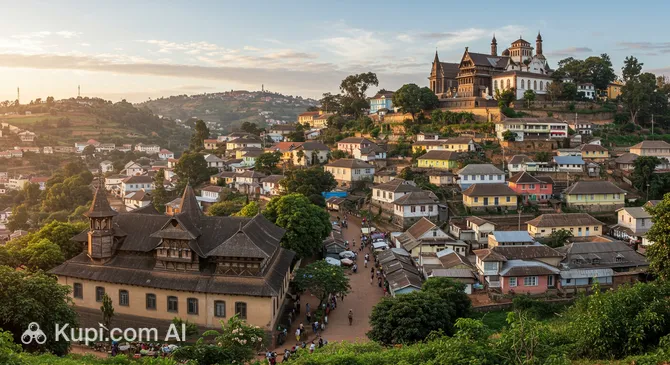
Illustration.
Source: Kupi.com AI

Madagascar is often called a "sanctuary island" due to its incredible biodiversity. It is home to lemurs — the symbol of the island, which are found nowhere else in the wild — as well as chameleons, exotic birds, and the famous baobabs. Malagasy culture is a unique blend of African and Asian traditions, reflected in the language, music, crafts, and customs of the local people. The island's climate ranges from tropical on the coast to temperate in the highlands, offering diverse travel conditions throughout the year.

The atmosphere of Madagascar is imbued with a spirit of adventure and discovery. This is a destination for those seeking something more than just a beach holiday. Here, you can explore tropical forests, climb volcanoes, dive into crystal-clear ocean waters, or get acquainted with the original local culture. In addition to exploring the capital, many tourists seek to visit places like Nosy Be, known for its beaches and diving opportunities, or head to Morondava to see the famous Avenue of the Baobabs at sunset.

Currency

The national currency of Madagascar is the Malagasy ariary (MGA). An interesting feature of the ariary is that it is one of only two non-decimal currencies in existence in the world. Banknotes are usually decorated with images of the island's unique flora and fauna, as well as cultural motifs, making them not only a means of payment but also a kind of souvenir.

It is recommended to exchange foreign currency (preferably Euros or US Dollars) for ariary at banks or official exchange offices in major cities like Antananarivo and at the airport. Avoid exchanging money with street money changers due to the high risk of fraud. Credit cards (mostly Visa and Mastercard) are accepted in large hotels, some restaurants, and shops in the capital and popular tourist zones. Nevertheless, for everyday expenses, especially in rural areas and at markets, it is necessary to carry a sufficient amount of cash.

Visa Requirements

To visit Madagascar, most foreign citizens, including citizens of the EU, USA, and CIS countries, generally require a visa. A tourist visa can usually be obtained upon arrival at the country's international airports, such as the airport in Antananarivo, or in advance through a Madagascar embassy in your country of residence. To enter the country, you must have a valid passport, the expiration date of which should usually exceed six months from the moment of intended departure from Madagascar.

In addition to a visa and passport, you may also be required to present return tickets, hotel booking confirmation, and medical insurance when crossing the border. It is important to remember that visa rules and requirements can change. Therefore, before your trip, it is highly recommended to check for current information on the official website of the Madagascar embassy or consulate, or at an accredited visa center.

We'll let you know if you need a visa

Enter your destination or
Your nationality
Destination

Timezones

When planning a trip to Madagascar, you won't have to worry about changing time zones within the country. The entire territory of Madagascar operates in a single time zone – East Africa Time (EAT), which corresponds to GMT+3. This means the time in the capital, Antananarivo, and on remote islands will be the same, simplifying the planning of travel and activities.

Getting There

Madagascar is a stunning island that beckons with its unique nature and culture. Since it is an island nation, the primary way to reach Madagascar is by air. The country's main international gateway is Ivato Airport (TNR), located near the capital, Antananarivo. Flights operate here from various regions of the world, most often with layovers in major European hubs (such as Paris), as well as from some African and Asian countries. Direct connections may be limited, so most travelers arrive via convenient connecting routes.

While regular ferry services from mainland Africa are practically non-existent for tourists, some cruise ships sailing the Indian Ocean include Madagascar ports, such as Nosy Be or Toamasina, in their itineraries. This can be an interesting alternative for those who prefer sea travel. Regardless of the chosen method, it is highly recommended to book tickets in advance, especially if your trip is planned for the high tourist season (usually from May to October). Early booking will not only help you save money but also guarantee seat availability for your desired dates.

AirportCityIATA
Antananarivo AirportAntananarivoTNR
TamataveToamasinaTMM
Fascene AirportNosy BeNOS
Antsiranana Arrachart AirportAntsirananaDIE
SambavaSambavaSVB

Madagascar, an island nation with unique nature and culture, offers travelers a variety of experiences – from bustling urban centers to paradisiacal beach resorts. Everyone will find something for themselves here, whether it's exploring historical monuments, immersing in local flavor, or relaxing on the shores of the Indian Ocean.

Illustration.
Source: Kupi.com AI

The heart of the country is certainly its capital – Antananarivo. This city, set on hills, attracts visitors with its colonial architecture, royal palaces, and vibrant markets where you can experience the authentic atmosphere of Madagascar. For those dreaming of white sand beaches and azure seas, Nosy Be island is the ideal choice – the country's most famous resort, offering diving, snorkeling, and relaxing recreation.

Adventure seekers and lovers of unique landscapes should turn their attention to Morondava, the starting point for a journey to the famous Avenue of the Baobabs, which is particularly impressive at sunset. Another popular destination is Sainte Marie (Nosy Boraha), known for its pirate history, cozy bays, and the opportunity to watch humpback whales during their migration season. These and many other corners of Madagascar await their explorers, promising unforgettable impressions.

Top Attractions

Madagascar is an island full of contrasts and unique experiences, attracting travelers with its incredible nature and distinctive culture. While the main magnets for tourists remain its endemic flora and fauna, as well as breathtaking landscapes, the country can offer other notable places, especially in its capital, Antananarivo.

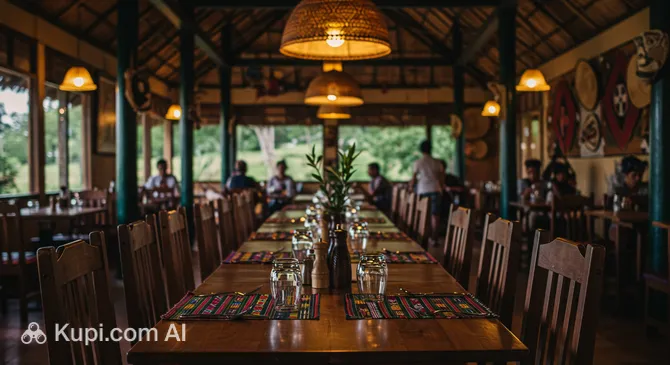
Among the interesting spots in the capital, the Sakamanga Hotel stands out. It is not just an establishment but a kind of cultural space known for its unique collection of artifacts and eclectic design. Guests note it as a place with a special atmosphere where you can not only eat well but also touch the history and art of Madagascar.

Illustration.
Source: Kupi.com AI

Traveller photos:

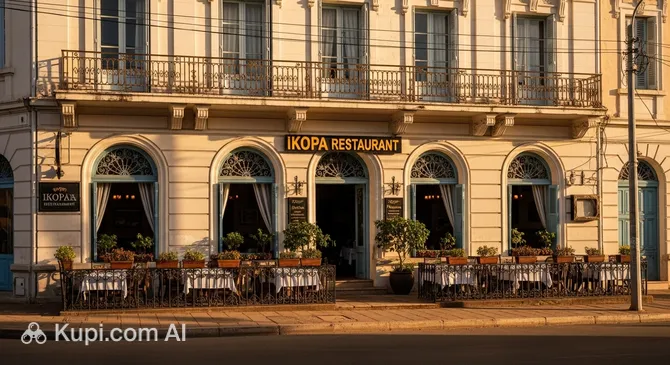
For connoisseurs of fine cuisine and an authentic setting, the Ikopa Hotel Restaurant will be a real discovery. It is famous for its dishes prepared from the freshest local products and offers guests the opportunity to enjoy traditional Malagasy flavors in an elegant atmosphere. Many consider it one of the best places for a gastronomic introduction to the capital.

Illustration.
Source: Kupi.com AI

Traveller photos:

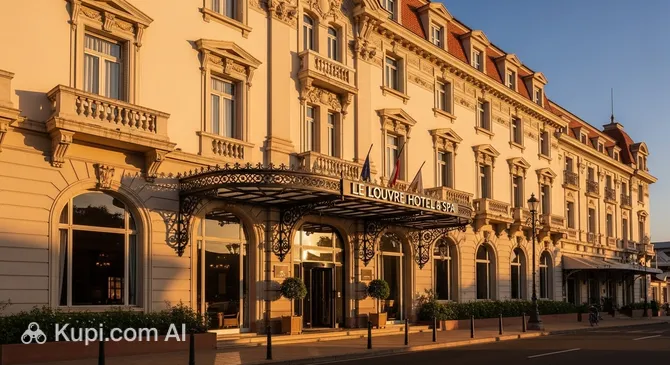
Speaking of iconic places in Antananarivo, one cannot fail to mention the Le Louvre Hotel & Spa. This hotel resort offers not only luxurious accommodation but is also a popular place for relaxation and rejuvenation. Its architecture, high level of service, and spa treatments attract both tourists and locals looking for an island of tranquility in the bustling city.

Illustration.
Source: Kupi.com AI

Traveller photos:

Best Time to Visit

When planning a trip to Madagascar, it is important to consider its unique climatic seasons to make your journey as comfortable and fulfilling as possible. Generally, the best time to visit the island is during the dry season, which lasts roughly from May to October. During this period, the weather is most favorable: days are sunny and warm, while nights are cool, especially in the central highlands. This is the ideal time for spotting lemurs, chameleons, and other endemic species, as animals are more active and vegetation is less dense, making them easier to find. It is also an excellent season for trekking in national parks like Isalo or Ranomafana, and for relaxing on beaches such as those on Nosy Be or Sainte Marie. Possible downsides of this period include higher prices for accommodation and services, as well as more tourists at popular sites.

The wet season, or low season, in Madagascar occurs from November to April. It is characterized by hotter and more humid weather, with frequent but usually short downpours, especially in the afternoons. The east coast is at risk of cyclones during this time, particularly from January to March. The advantages of traveling in the low season are fewer tourists and generally lower prices. The landscapes become incredibly lush and green, and some animals, such as frogs and chameleons, are especially active. However, be prepared for some roads, particularly in the west and south, to become difficult to navigate, and some national parks or sections of them may be temporarily closed. An important event that attracts many travelers is the humpback whale migration, which can be observed off the coast of Sainte Marie from June to September. It is also worth mentioning a unique cultural phenomenon – the Famadihana ceremony ("turning of the bones"), which is held by some ethnic groups during the dry season, usually from July to September.

Given the size of Madagascar, the climate can vary significantly depending on the region. The east coast receives more rainfall year-round, the west is drier, and the south has a semi-desert climate. The central highlands, where the capital Antananarivo is located, feature more temperate temperatures. Therefore, when choosing a time to travel, it is recommended to check the specific weather conditions for the regions you plan to visit.

Traditions

The culture of Madagascar is a unique blend of African and Asian influences, with deeply rooted respect for ancestors and strong communal ties. Greetings usually include a handshake. It is important to remember "fady" — local taboos that can vary significantly depending on the region and concern behavior, food, or visiting certain places. For example, pointing a finger at people or sacred objects is often considered impolite. Showing respect for elders is a key aspect of communication, and overly direct or long eye contact may be perceived ambiguously in some situations.

Hospitality in Madagascar is highly valued. If you are invited into a home, a small symbolic gift (for example, something from your country or something useful for the household) will be accepted with gratitude, although it is not a strict requirement. Modesty in dress is recommended, especially when visiting rural areas, religious sites, or official institutions — it is better to cover shoulders and knees. There are few strict rules at the table, but it is always appreciated if you try the dishes offered and express gratitude. In some communities, it is customary to eat with the right hand, especially if food is served in a shared dish.

One of the main national holidays is Independence Day, celebrated on June 26 with parades and public festivities. Generally, many rituals and daily customs are connected in one way or another with the veneration of ancestors, which is the cornerstone of Malagasy culture. To show respect, always ask for permission before photographing local residents and treat their traditions and shrines with reverence. Remember the principle of "mora-mora" (literally "slowly-slowly") — this is the leisurely, measured pace of life characteristic of the island. Showing patience and understanding this aspect will help you better connect with the local population and avoid misunderstandings.

Entertainment

Madagascar offers a truly unique range of entertainment, much of which is inextricably linked to its incredible nature and endemic fauna. Outdoor enthusiasts will find plenty to do here: from fascinating hiking through numerous national parks where you can encounter lemurs and chameleons, to diving and snorkeling in the crystal-clear waters of the Indian Ocean, especially off the coast of islands like Nosy Be or Sainte Marie. Kayaking, surfing in certain areas, and, of course, whale watching during their migration season are also popular.

For connoisseurs of cultural experiences, Madagascar will open its arms through local traditions, "salegy" music, and ritual dances. In the capital, Antananarivo, and other major cities like Fianarantsoa, you can visit small museums telling the story of the island's history and art, as well as art galleries. Shopping in Madagascar is an immersion into a world of vibrant crafts: from carved wooden items and woven baskets to unique spices (especially vanilla), essential oils, semi-precious stones, and traditional "lamba" fabrics, which make wonderful souvenirs.

Nightlife in Madagascar is not particularly boisterous but offers pleasant options for evening leisure. In Antananarivo and at popular resorts like Nosy Be, there are restaurants serving Malagasy and international cuisine, often featuring live music, as well as cozy bars where you can relax with a cocktail. For family vacations, the island is a real treasure trove. Observing lemurs in their natural habitat, visiting private reserves and parks, getting to know various reptiles and birds, and relaxing on picturesque beaches will provide unforgettable experiences for both adults and children.

Currency rates

Planning a trip? Wonderful! To make sure the financial side of your journey holds no surprises, it's worth remembering that exchange rates are constantly changing. That's why we strongly recommend keeping an eye on current rates both before departure and throughout your trip. To help with that, you can use the data provided below — we monitor exchange rates 24/7 and strive to provide the most up-to-date information.

Reached the bottom of the page?

Looks like you know this route inside out

We use cookies and services to collect user information. This is essential for the functioning of the site and for marketing purposes. You can find out more in .