Guinea Bissau

Cities in the country

About

Guinea-Bissau is a small but surprisingly diverse country on the West African coast of the Atlantic Ocean. It offers travelers a unique blend of untouched nature, rich culture, and a relaxed atmosphere. The capital, Bissau, is the main economic and administrative center, making it a convenient starting point for exploring this authentic corner of Africa.
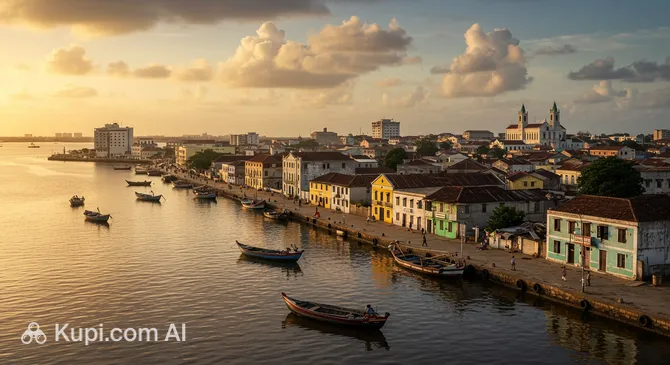
Illustration.
Source: Kupi.com AI

One of the main gems of Guinea-Bissau is the Bijagós Archipelago—a group of more than 80 islands, many of which are uninhabited and famous for their white sandy beaches, mangroves, and unique marine fauna, including rare sea turtles and hippos that have adapted to saltwater. The popular island of Bubaque serves as an excellent base for exploring the archipelago. The country's climate is tropical, with distinct wet and dry seasons, making it attractive to visit depending on your weather preferences.

The cultural heritage of Guinea-Bissau is shaped by the influence of many ethnic groups, each contributing to the country's music, dance, and traditions. The Portuguese colonial past has also left its mark, particularly in the architecture of old towns like Bolama, the former capital, or the historic Cacheu. Guinea-Bissau is a destination for those seeking authentic experiences far from mass tourism, ready to discover local hospitality and incredible natural beauty.

Currency

The national currency of Guinea-Bissau is the West African CFA franc (international code XOF). This currency is used in eight countries of the West African Economic and Monetary Union (UEMOA). CFA franc banknotes and coins have a uniform design for all member countries, often depicting cultural and natural motifs of the region. It is recommended to exchange currency at official banks or licensed exchange offices in the capital, Bissau, or other major cities. Avoid exchanging money with street changers due to the risk of fraud or unfavorable rates.

The use of credit cards in Guinea-Bissau is extremely limited and mainly possible in major hotels and some restaurants in Bissau. In most cases, cash payment is preferred. ATMs are also rare, so it is important to ensure you have enough cash in advance, especially if you plan to travel outside the capital. Before your trip, check with your bank regarding cash withdrawal conditions and potential fees.

Visa Requirements

To visit Guinea-Bissau, most foreign citizens, including citizens of the EU, USA, and CIS countries, generally require a visa. A tourist visa usually needs to be arranged in advance at a Guinea-Bissau embassy or consular office in your country of residence. In some cases and for citizens of certain countries, a visa-on-arrival option may be available, but this option is less predictable and it is recommended to confirm its availability beforehand.

To enter the country, you will definitely need a valid passport with an expiration date that covers the entire period of your stay. Return tickets, proof of hotel reservation, and medical insurance may also be required. Since visa rules can change, it is strongly recommended to check the most up-to-date information on the official websites of Guinea-Bissau embassies or visa centers before your trip.

We'll let you know if you need a visa

Enter your destination or
Your nationality
Destination

Timezones

When planning a trip to Guinea-Bissau, you won't have to worry about changing time zones within the country. A single time zone applies throughout the entire territory of Guinea-Bissau.

This time corresponds to Greenwich Mean Time (GMT) or Coordinated Universal Time (UTC+0). Therefore, the time in the capital, Bissau, and in other regions of the country will be the same, which simplifies the planning of travels and activities.

Getting There

When planning a trip to Guinea-Bissau, it's worth knowing that the primary way to reach this West African country is by air. The country's main international gateway is Osvaldo Vieira International Airport (OXB), located in the capital, Bissau. Direct flights are most often available from Portugal and some neighboring West African countries. For travelers from other parts of the world, connections through major European or African hubs are usually required.

Although Guinea-Bissau shares land borders with Senegal to the north and Guinea to the south and east, overland travel can be quite adventurous. Traveling by shared taxis or buses is possible, but one should consider the condition of the roads and potential delays at borders. This option is better suited for experienced travelers already in the region. Regarding maritime transport, regular international passenger services to Guinea-Bissau are virtually non-existent; this mode of transport is more relevant for domestic travel, such as to the islands of the Bijagós Archipelago.

Regardless of the chosen method, it is recommended to book tickets in advance, especially if your trip coincides with the peak tourist season. Also, do not forget to check the current visa requirements for entry into Guinea-Bissau well beforehand.

AirportCityIATA
Osvaldo Vieira AirportBissauOXB

Guinea-Bissau, a country on the West African coast, offers travelers a unique blend of colonial history, vibrant culture, and stunning nature. The heart of the country is undoubtedly its capital—Bissau. This bustling port city attracts visitors with its colonial architecture, colorful markets, and the opportunity to get acquainted with the daily life of the Bissau-Guinean people. Here, you can stroll through old quarters, visit the Presidential Palace, and the National Museum of Ethnography.

Illustration.
Source: Kupi.com AI

Beyond the capital, Guinea-Bissau is famous for its islands and coastal areas. Special attention should be given to the Bijagós Archipelago, where Bubaque is a popular spot for ecotourism, bird watching, and relaxing on secluded beaches. For those interested in history, it's worth visiting Cacheu, one of the oldest European outposts in the region, which preserves memories of the colonial past. Equally interesting is the city of Bafatá, known as the birthplace of Amílcar Cabral, a key figure in the country's history, as well as for its lively atmosphere and cultural traditions. Each of these places offers its own unique perspective on the multifaceted Guinea-Bissau.

Top Attractions

Guinea-Bissau, in addition to its natural beauty such as the famous Bijagós Archipelago, also offers other interesting places to visit, especially in its capital—Bissau. Here you can find establishments that have become landmarks in their own right thanks to their atmosphere and cuisine, offering a unique gastronomic experience.

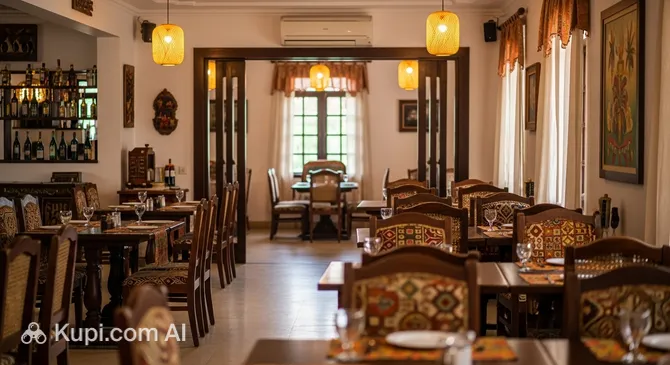
One such popular spot is the restaurant O Bistro. It is famous for its cozy setting and offers visitors both local dishes and international delicacies. This establishment is an excellent choice for those who want to have a pleasant time and enjoy delicious food in the capital.

Illustration.
Source: Kupi.com AI

Traveller photos:

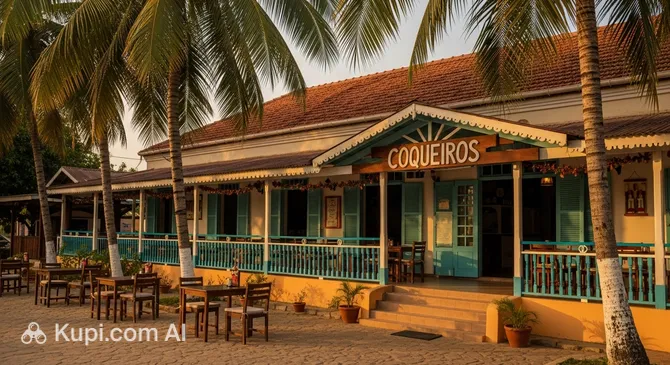
No less famous is the restaurant Coqueiros. This venue is also located in Bissau and attracts guests with its authentic menu and hospitable atmosphere. A visit to "Coqueiros" allows for a deeper dive into the culinary traditions of Guinea-Bissau and the enjoyment of local delicacies.

Illustration.
Source: Kupi.com AI

Traveller photos:

Best Time to Visit

The best time to travel to Guinea-Bissau is during the dry season, which usually lasts from late November to April or May. During this period, you can expect predominantly sunny and hot weather with lower humidity, creating ideal conditions for exploring the Bijagós Archipelago, visiting national parks, and experiencing the country's rich culture. This period is considered the high tourist season, which may mean slightly higher prices for accommodation and services, though Guinea-Bissau does not yet experience an influx of mass tourism. One of the highlights of the dry season is the colorful Carnival, which traditionally takes place in February or March, with particularly grand celebrations in the capital, Bissau, and the city of Bafatá.

The rainy season, or low season, in Guinea-Bissau lasts from approximately June to October or November. This time is characterized by frequent and heavy rainfall, high humidity, and occasional thunderstorms. Traveling around the country can be challenging, as some roads, especially in rural areas, can become washed out. However, visiting during this period has its advantages: nature becomes incredibly lush and green, there are significantly fewer tourists, and prices for accommodation and some services may be lower. Additionally, for wildlife enthusiasts, this can be an interesting time to observe sea turtles, which lay their eggs on the beaches of the Bijagós islands from August to November.

Overall, the climate in Guinea-Bissau is quite consistent, although the coast and islands may have their own microclimatic features. The best time to visit largely depends on your plans: the dry season offers more comfort for outdoor activities and excursions, while the rainy season attracts those seeking solitude and wanting to see the country in its most vibrant green attire. It is recommended to check weather conditions for specific regions if your trip involves visiting remote islands or the interior.

Traditions

The culture of Guinea-Bissau is rich and multifaceted, and knowledge of local customs will help you immerse yourself deeper into the country's atmosphere and show respect for its residents. Greetings play an important role: a handshake is the standard form, it can be quite long, and is often accompanied by questions about health and family. It is customary to greet elders first. Direct eye contact during a conversation is usually considered a sign of sincerity and respect. Politeness is valued in communication; try to speak in a calm tone and avoid excessive gesturing. An important nuance: the left hand is traditionally considered "unclean," so try to offer and receive items, as well as food, with your right hand.

Hospitality is one of the key traits of the national character in Guinea-Bissau. If you are invited into a home, it is a sign of great respect, and it is not customary to refuse. A small gift for the hosts, such as fruit, sweets for children, or a modest souvenir from your country, will be warmly received. Regarding clothing, it is recommended to stick to a modest style, especially outside the capital, Bissau, and tourist zones. When visiting religious sites, whether a mosque or a church, women should cover their shoulders and knees, and men should avoid overly revealing clothing such as tank tops and short shorts. At the table, especially if the meal is served in a traditional style from a communal dish, it is customary to eat with the right hand. Also, do not be surprised if things do not move as quickly as you are used to—the concept of "African time" exists here, and patience is appreciated.

Among the significant national holidays, Independence Day (September 24) stands out, celebrated throughout the country with parades and public festivities. Major Muslim and Christian holidays are also widely celebrated, reflecting the country's religious diversity. To avoid awkward situations, always ask for permission before photographing local residents. It is considered impolite to argue loudly or publicly express strong dissatisfaction or impatience. By showing openness, friendliness, and respect for local traditions, you will undoubtedly earn the sympathy and warm welcome of the people of Guinea-Bissau.

Entertainment

Guinea-Bissau offers travelers a unique spectrum of entertainment closely intertwined with its pristine nature and vibrant local culture. For outdoor enthusiasts, the country provides opportunities to explore the numerous islands of the Bijagós Archipelago, where you can go bird watching, fishing, or simply enjoy secluded beaches. Hiking in national parks and boat excursions along rivers are also popular, allowing for immersion in the world of mangrove forests. While there are no world-class ski resorts or surfing spots here, authentic adventures in the heart of nature are guaranteed.

The cultural program in Guinea-Bissau is primarily about experiencing living traditions, music, and dance that permeate daily life. Instead of large theaters and galleries, you can immerse yourself in the atmosphere of local festivals and ceremonies if you are lucky enough to attend them. Nightlife is most noticeable in the capital, Bissau, where bars and restaurants offer local cuisine often accompanied by live music. These are usually calm and soulful evenings rather than loud parties. As for shopping, travelers can bring home original souvenirs from Guinea-Bissau: handmade items such as wooden figurines, masks, woven products, as well as colorful fabrics and local spices found in vibrant markets.

For family vacations, Guinea-Bissau can offer a peaceful and educational atmosphere. Although there are no traditional theme parks or water parks, exploring nature together, seeing exotic animals and birds, and diving into a completely different culture can be an unforgettable experience for both children and adults. Boat trips, relaxing on the ocean coast, and simply observing the slow pace of local life will provide many vivid impressions.

Currency rates

Planning a trip? Wonderful! To make sure the financial side of your journey holds no surprises, it's worth remembering that exchange rates are constantly changing. That's why we strongly recommend keeping an eye on current rates both before departure and throughout your trip. To help with that, you can use the data provided below — we monitor exchange rates 24/7 and strive to provide the most up-to-date information.

XOF exchange rate for 14/08/2026

1 AED
~ 154.15 XOF
1 AMD
~ 1.55 XOF
1 AUD
~ 399.52 XOF
1 AZN
~ 333.00 XOF
1 BYN
~ 188.79 XOF
1 CAD
~ 406.17 XOF
1 EUR
~ 652.74 XOF
1 GBP
~ 763.36 XOF
1 HUF
~ 1.79 XOF
1 INR
~ 5.93 XOF
1 KGS
~ 6.47 XOF
2.51 KRW
~ 1 XOF
1 KZT
~ 1.22 XOF
1 PLN
~ 151.52 XOF
1 RUB
~ 6.79 XOF
1 SAR
~ 150.53 XOF
1 SGD
~ 442.28 XOF
1 TRY
~ 11.85 XOF
1 UAH
~ 12.66 XOF
1 USD
~ 565.93 XOF
21.12 UZS
~ 1 XOF

Reached the bottom of the page?

Looks like you know this route inside out

We use cookies and services to collect user information. This is essential for the functioning of the site and for marketing purposes. You can find out more in .