Eritrea

Cities in the country

About

Eritrea, a country on the Horn of Africa bordering the Red Sea, offers travelers a unique combination of ancient African traditions and a vibrant colonial heritage. This relatively young nation attracts visitors with its distinct culture, rich history, and diverse natural landscapes, from coastal plains to mountain plateaus. The capital city, Asmara, is a true gem known for its unique early 20th-century architecture.
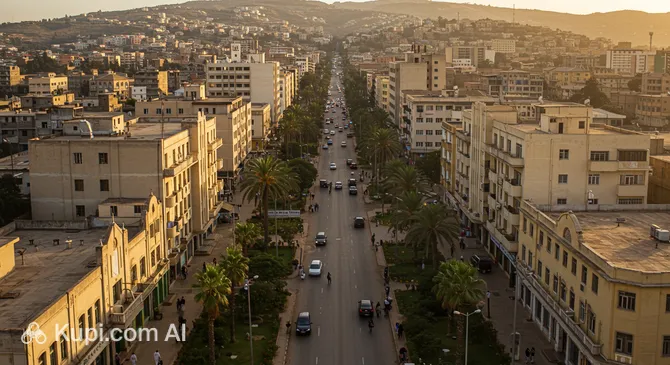
Illustration.
Source: Kupi.com AI

Eritrea's historical heritage is particularly evident in its cities. Asmara, often called "Little Rome," is a UNESCO World Heritage site thanks to its beautifully preserved buildings in the styles of Italian Modernism, Art Deco, and Futurism. Walking through its streets is like traveling through time. Another significant city is Massawa, an ancient port on the Red Sea where Ottoman, Egyptian, and Italian influences blend to create a unique atmosphere.

In addition to cultural treasures, Eritrea boasts natural beauty. The long coastline of the Red Sea and the Dahlak Archipelago offer excellent opportunities for diving and snorkeling among pristine coral reefs. The country's interior features a variety of landscapes, from desert areas to green highlands. Eritrea is a destination for those seeking off-the-beaten-path routes, authentic experiences, and the chance to encounter a unique culture in an atmosphere of peace and hospitality.


Currency

The national currency of Eritrea is the Eritrean Nakfa (ERN). The Nakfa was introduced in 1997, replacing the Ethiopian Birr. Banknotes come in denominations of 1, 5, 10, 20, 50, and 100 Nakfa, often featuring scenes reflecting the country's culture, history, and aspirations for development, such as workers or students. Coins are also in circulation in denominations of cents and 1 Nakfa.

Foreign currency exchange, such as US Dollars or Euros, should be done exclusively at official exchange bureaus, which are usually located in banks or major hotels, primarily in the capital Asmara. It is strongly recommended to avoid street money changers, as this carries a risk of fraud and violates local laws. The use of credit cards in Eritrea is very limited and only possible in a few major international hotels and some airline offices. Therefore, tourists are strongly advised to carry enough cash for daily expenses throughout their entire trip.

Visa Requirements

For entry into Eritrea, citizens of most countries, including the EU, the US, and the CIS, generally require a visa. A tourist visa must be obtained in advance through Eritrean embassies or consular departments in your country of residence. The possibility of obtaining a visa on arrival or online for tourism purposes is extremely limited or non-existent, so planning ahead is key.

In addition to a visa, you will need a valid passport to cross the border, with an expiration date that usually must exceed your planned date of departure from the country. You may also need return tickets, proof of hotel reservation, and medical insurance. As visa rules and document requirements can change, it is strongly recommended to check the latest information on official Eritrean embassy websites or at accredited visa centers before your trip.

We'll let you know if you need a visa

Enter your destination or
Your nationality
Destination

Timezones

When planning a trip to Eritrea, you won't have to worry about changing time zones within the country. The entire territory of Eritrea operates on a single time zone — East Africa Time (EAT), which corresponds to GMT+3. This means that the time in the capital, Asmara, and in any other corner of the country will be the same.

Thanks to the lack of time difference between regions, you can easily plan your movements and excursions without thinking about resetting your watch. This simplifies logistics and allows you to make the most efficient use of your time to explore this amazing country.

Getting There

The easiest way to reach Eritrea is by air. The main international gateway to the country is Asmara International Airport, located in the capital, Asmara. Regular flights connect Eritrea with several cities in the Middle East, Africa, and Europe, often with convenient connections through major aviation hubs. It is recommended to check current schedules and available routes with airlines in advance.

Although Eritrea has land borders and access to the Red Sea, options for entering by land or sea for tourists are currently limited and are not common ways to arrive in the country. Most travelers choose to fly. In any case, when planning a trip, especially during popular tourist seasons, it is always helpful to book tickets and accommodation well in advance to ensure the best options and prices.

AirportCityIATA
Asmara International AirportAsmaraASM

Eritrea's cities are a kaleidoscope of history and architectural styles, each offering its own unique perspective on this remarkable country. The heart of the country is undoubtedly Asmara, the capital, famous for its early 20th-century modernist architecture. Due to this unique heritage, the city is a UNESCO World Heritage site, and walking its streets is like traveling back in time.

Illustration.
Source: Kupi.com AI

Equally attractive is the port city of Massawa, Eritrea's historical gateway to the Red Sea. This ancient city with a rich history charms visitors with its old architecture, where Ottoman, Egyptian, and Italian influences are interwoven. In addition to architectural treasures, Massawa offers beautiful beaches and diving opportunities. For those interested in authentic culture and history, Keren, the country's second-largest city, is worth a visit. It is famous for its lively market and iconic sites such as the St. Mary Dearit Chapel, built into the trunk of a massive baobab tree.

In the south of the country lies another important port city — Assab. It plays a key role in Eritrea's economy and also offers opportunities to experience coastal life and local traditions. Each of these cities is unique in its own way and is ready to offer travelers unforgettable impressions, introducing them to different facets of Eritrean culture and history.

Top Attractions

One of the country's most recognizable and impressive architectural monuments is the Fiat Tagliero building in the capital. This futurist masterpiece, built in the late 1930s, resembles an airplane ready for takeoff, with massive concrete wings soaring without the support of columns. The engineering audacity of the design was such that the architect guaranteed its stability with his own life, and today the building remains a proud symbol of Asmara's modernist legacy.

For lovers of pristine nature and deep-sea exploration, the Dahlak Archipelago is a true treasure. This group of islands in the Red Sea is famous for its white-sand beaches and crystal-clear turquoise waters. The site is considered a paradise for divers and snorkelers: here you can explore untouched coral reefs, observe rich marine fauna, and enjoy the silence far from civilization.

Fans of ancient history should head to the Qohaito archaeological site. The ruins of this ancient city are located on a picturesque mountain plateau and contain traces of civilizations that flourished here thousands of years ago. A walk among the remains of columns and ancient walls is accompanied by breathtaking views of a deep canyon, creating a unique atmosphere of contact with eternity.

Best Time to Visit

The best time to visit Eritrea largely depends on your plans and the region you intend to explore. High tourist season usually falls between October and March. During this time, the weather is most favorable for travel: in the highland regions, including the capital Asmara, the weather is dry and sunny with comfortable daytime temperatures and cool evenings. On the Red Sea coast, in cities like Massawa, the heat subsides and humidity decreases, making for a more pleasant stay. This is the ideal time for exploring historical sites, trekking in the mountains, and experiencing the country's culture.

Low season covers the months from April to September. During this period, the central highlands, such as the area around Keren, experience their main rainy season (usually from June to September). While rain can make travel difficult on some roads, it also brings nature to life, making the landscapes particularly green and vibrant. At the same time, coastal and western lowland areas, such as Assab, are subject to intense heat and high humidity during this period, which may be uncomfortable for some travelers. A benefit of traveling in the low season can be fewer tourists, though Eritrea generally does not suffer from overcrowding.

It is important to remember that the climate in Eritrea varies significantly by region: from temperate in the highlands to hot desert on the coast and in the western lowlands. Therefore, it is recommended to check the weather forecast for the specific locations you plan to visit. It is also worth noting local holidays, such as Independence Day (May 24) or major religious festivals like Timkat (Epiphany) in January. These events can enrich your trip with unique experiences but may also affect the availability of certain services.

Traditions

The culture of Eritrea is rich and multifaceted, and becoming familiar with local customs will help make your journey more pleasant and respectful. Greetings play an important role: usually, this involves a handshake, often using both hands to symbolize respect, especially toward elders. Eye contact is valued but should not be overly intense. Hospitality is sacred here. If you are invited into a home, it is a great honor, and a small gift for the hosts (such as fruit or sweets) would be appropriate. A special place in the culture is held by the coffee ceremony — it's not just a drink, but an important social ritual, and declining an invitation to coffee may be perceived as a sign of disrespect.

In public places and especially when visiting religious sites (both Christian churches and mosques), modest clothing is recommended: shoulders and knees should be covered, and it is advisable for women to have a scarf to cover their head. When dining, people often eat with their right hand, as the left is traditionally considered unclean. It is customary to wash your hands before and after eating. Try to avoid public displays of strong emotions, loud arguments, or criticism of local ways. It is best to photograph people only with their prior permission. An important national holiday reflecting the spirit of the country is Independence Day (May 24), marking the attainment of sovereignty. Religious holidays, both Christian (such as Christmas and Easter) and Muslim (Eid al-Fitr and Eid al-Adha), are also widely celebrated, highlighting the multi-confessional nature of Eritrean society.

Entertainment

Eritrea offers travelers a variety of experiences, especially for those who appreciate active outdoor recreation and exploring a unique culture. The Red Sea coast, including the famous Dahlak Archipelago, is a wonderful destination for diving and snorkeling, allowing you to explore the rich underwater world. The country's mountainous regions provide opportunities for exciting hiking trips and observing local nature.

The cultural program in Eritrea is largely tied to its historical heritage. In the capital, Asmara, you can spend hours admiring the unique Art Deco architecture, which is listed as a UNESCO World Heritage site. While there are few large theaters or concert halls, you can visit local museums and galleries to gain a deeper understanding of the country's history and art. As for shopping, you can find authentic souvenirs in the colorful city markets: handmade goods, traditional clothing, spices, and, of course, fragrant Eritrean coffee.

Evening entertainment in Eritrea is mainly centered around restaurants offering both local and international cuisine, and cozy bars where you can relax after a busy day. Nightlife here is generally quiet and conducive to socializing. For family vacations, the country offers an immersion into a unique culture and nature, which can be an unforgettable adventure for children, although there are few specialized theme parks. The main emphasis is on exploring together and gaining new experiences.

Currency rates

Planning a trip? Wonderful! To make sure the financial side of your journey holds no surprises, it's worth remembering that exchange rates are constantly changing. That's why we strongly recommend keeping an eye on current rates both before departure and throughout your trip. To help with that, you can use the data provided below — we monitor exchange rates 24/7 and strive to provide the most up-to-date information.

Reached the bottom of the page?

Looks like you know this route inside out

We use cookies and services to collect user information. This is essential for the functioning of the site and for marketing purposes. You can find out more in .