Ghana

About

Ghana is an amazing country in West Africa, washed by the waters of the Gulf of Guinea, which welcomes travelers with a warm tropical climate and an incredible kaleidoscope of cultures. This is a place where history comes alive at every step, and nature amazes with its diversity. The country's capital, the bustling city of Accra, is a perfect starting point for exploring Ghana, offering both modern amenities and authentic markets and historic districts.
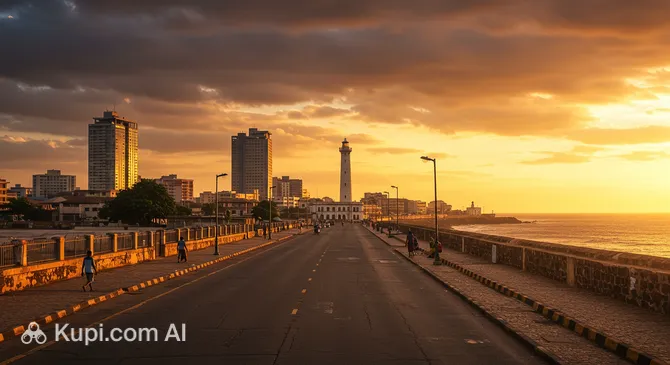
Illustration.
Source: Kupi.com AI

Ghana is known for its rich historical heritage associated with the "Gold Coast" era and the transatlantic slave trade. Numerous forts and castles along the coast, such as those in Cape Coast and Elmina, serve as silent witnesses to those times and are UNESCO World Heritage sites. Inland, in the Ashanti region, you can learn about the culture of this powerful kingdom, centered in the city of Kumasi. In addition to historical landmarks, Ghana enchants with its national parks featuring lush tropical forests, waterfalls, and diverse wildlife.

The atmosphere of Ghana is permeated with the friendliness and hospitality of the locals, who often call their country "Africa for beginners" due to its relative safety and ease of travel. Vibrant festivals, catchy highlife music, colorful kente fabrics, and bustling markets like the Makola Shopping Center in Accra create a unique flavor. Ghana offers a unique combination of cultural immersion, historical discovery, and relaxation on picturesque beaches, leaving every guest with warm and vivid memories.

Currency

The currency of Ghana is the Ghanaian cedi, international code GHS. Cedi banknotes feature colorful designs, often depicting portraits of the "Big Six"—the leaders who led the country to independence—as well as significant national symbols and monuments. Coins called "pesewas" are also in circulation.

Exchanging foreign currency for Ghanaian cedis is recommended at official banks or licensed exchange offices (Forex Bureau), which can be found at the airport, in large cities such as Accra, and in tourist centers. Try to avoid exchanging money with street money changers, as this can involve the risk of receiving counterfeit bills or an unfavorable exchange rate. Credit cards (mostly Visa and MasterCard) are accepted in large hotels, some restaurants, and supermarkets in the capital and other large cities. However, for everyday expenses, shopping at markets, and in smaller towns, it is preferable to have cash with you.

Visa Requirements

To enter Ghana, most foreign citizens, including citizens of the EU, USA, and CIS countries, generally require a visa. A tourist visa usually needs to be obtained in advance at the Ghana embassy or consulate in your country of residence. In some cases, a visa-on-arrival or online option may be available, but this should be clarified in advance as conditions may vary depending on your citizenship.

In addition to a visa, to cross the border, you will need a valid passport, which must typically be valid for at least six months from the date of entry. It is also recommended to have return tickets, hotel booking confirmation, and medical insurance. Visa rules and document requirements can change, so we strongly advise checking the most current information on the official websites of Ghana embassies or visa centers before your trip.

We'll let you know if you need a visa

Enter your destination or
Your nationality
Destination

Timezones

When planning a trip to Ghana, you won't have to worry about changing time zones within the country. The entire territory of Ghana is in one time zone—Greenwich Mean Time (GMT) or UTC+0. This means that the time is the same in all regions, including the capital Accra.

The absence of multiple time zones simplifies the planning of domestic travel and activities. You won't need to change your watch when traveling from one city to another, which makes organizing your vacation more comfortable.

Getting There

The easiest way to reach Ghana is by air. The country's main gateway is Kotoka International Airport (ACC), located in the capital, Accra. Regular flights operate here from many major cities in Europe, North America, the Middle East, and other African countries. Many airlines offer both direct flights and convenient connections, making Ghana accessible to travelers from all over the world.

For those who prefer land travel or are exploring West Africa comprehensively, there is the possibility to enter Ghana from neighboring countries such as Côte d'Ivoire, Burkina Faso, and Togo. The border can be crossed by bus or private transport; however, it is advisable to check current requirements and road conditions in advance. Maritime connections to Ghana for regular passenger transport are less common and mainly represented by occasional cruise ship calls at the country's ports. In any case, it is recommended to book tickets, especially air tickets, well in advance, particularly if your trip falls during the peak tourist season, to ensure the best prices and availability.

For clarity, here is a summary of Ghana's main airports:

AirportCityIATA
Kotoka International AirportAccraACC
Kumasi AirportKumasiKMS
Tamale AirportTamaleTML
Takoradi AirportSekondi-TakoradiTKD
WaWaWZA

Ghana offers travelers an amazing variety of places to explore, from vibrant urban centers to quiet coastal resorts. The heart of the country is undoubtedly its capital, Accra. This dynamic metropolis combines modern architecture, bustling markets, historical monuments, and cultural centers, offering guests an immersion into a true African atmosphere.

Illustration.
Source: Kupi.com AI

In addition to the capital, Ghana is proud of its other significant cities. Kumasi, the historical center of the Ashanti Kingdom, attracts visitors with its rich culture, traditional crafts, and the famous Kejetia Market. For those seeking a combination of history and a beach holiday, the cities of Cape Coast and Elmina will be a true discovery. They are known for their UNESCO World Heritage forts, which tell the story of the colonial past, as well as their beautiful beaches on the Atlantic coast.

Every city and resort in Ghana has its own unique charm and is ready to offer special experiences. Whether it's exploring ancient traditions, relaxing on golden sands, or getting to know the bustling city life, Ghana will not leave any traveler indifferent. Explore these and other destinations to discover all the diversity of this amazing country.

Top Attractions

Ghana is a country with a rich culture and many interesting places that can surprise any traveler. Here you can find both lively shopping centers for modern shopping and cozy restaurants serving authentic dishes. Let's take a closer look at some of them.

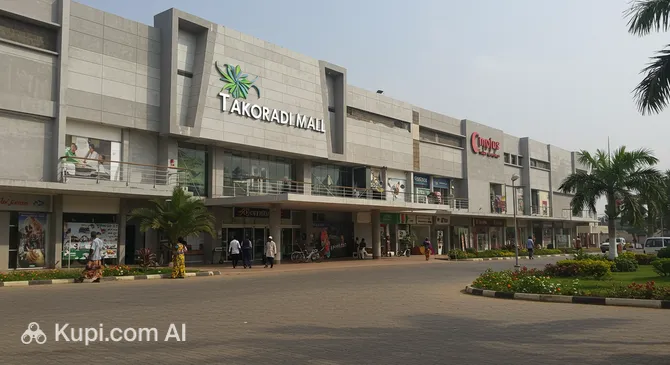
In the city of Sekondi-Takoradi, you will find the Takoradi Mall, a modern shopping center offering visitors a wide selection of shops and entertainment. Here you can find products from both local and international brands, have a snack in one of the many cafes, or simply spend some pleasant time shopping in a comfortable environment.

Illustration.
Source: Kupi.com AI

Traveller photos:

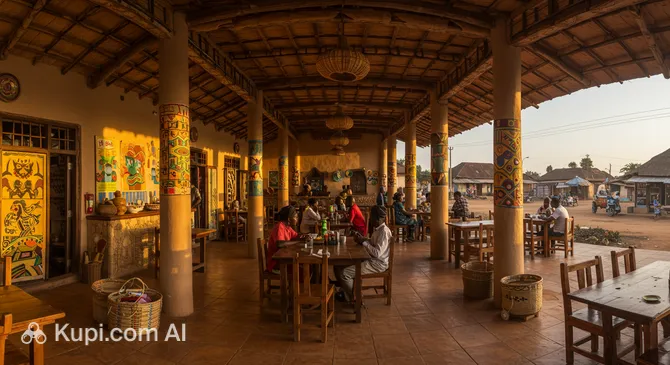
If you find yourself in the city of Tamale, stop by the Tamale Shell restaurant. This establishment is known for its pleasant atmosphere and delicious cuisine, offering visitors both local Ghanaian dishes and more familiar European options. It's a great place for lunch or dinner in the northern part of Ghana.

Illustration.
Source: Kupi.com AI

Traveller photos:

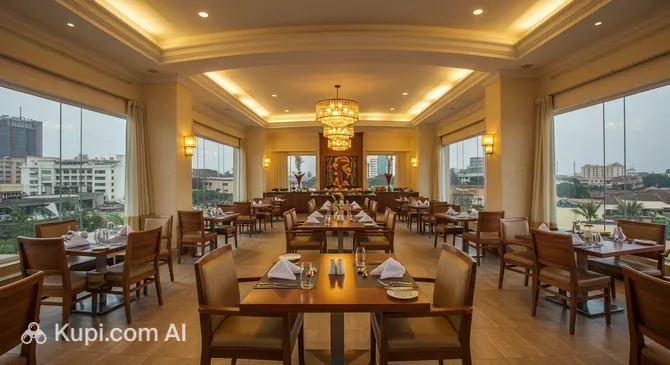
In the capital of Ghana, Accra, it's worth visiting the Alisa Hotel North Ridge Restaurant. Located at the hotel, it offers guests exquisite dishes in an elegant setting. This is an excellent choice for a special dinner or a business meeting, where you can enjoy quality service and culinary masterpieces.

Illustration.
Source: Kupi.com AI

Traveller photos:

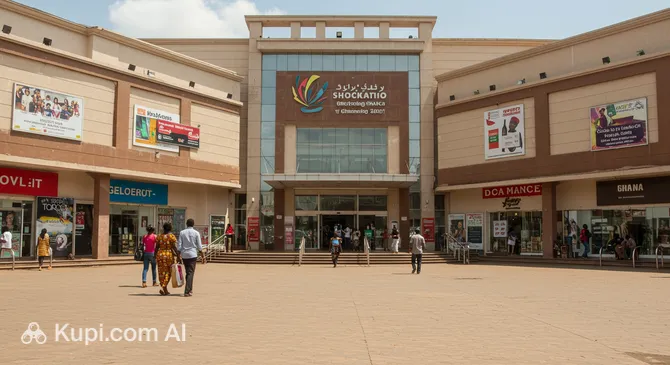
In Kumasi, one of the largest cities in Ghana, is the Adum Shopping Center. This is a popular shopping spot among locals and visitors alike, offering a variety of goods ranging from clothing and electronics to souvenirs and groceries. Visiting this center will allow you to experience the commercial spirit of Kumasi.

Illustration.
Source: Kupi.com AI

Traveller photos:

Best Time to Visit

Choosing the best time for a trip to Ghana largely depends on your preferences and plans. The high season in the country usually falls between November and March. During this time, dry and sunny weather prevails, especially in the north, creating excellent conditions for safaris in national parks as animals gather more often at waterholes. The coast is also comfortable for a beach holiday. A downside of this period can be the Harmattan wind, which brings dust from the Sahara, sometimes reducing visibility and causing dry air. Also, there are usually more tourists during the high season, and accommodation prices can be higher.

The low season, or rainy season, in Ghana lasts approximately from April to October. The southern part of the country experiences two rainfall peaks (usually April–June and September–October), while the north has one long wet season. At this time, nature comes alive, everything around becomes emerald green, there are significantly fewer tourists, and prices can be more attractive. However, heavy rains can make travel difficult, especially on dirt roads in remote areas. Ghana is also known for its numerous and colorful festivals that take place throughout the year. For example, the Homowo festival is celebrated by the Ga people in Accra (usually in August–September), and the Aboakyer festival (deer hunting) takes place in Winneba in May. If you want to immerse yourself in the local culture, it is worth checking the dates of events that interest you in advance.

Overall, the climate in Ghana is tropical but has regional characteristics: the coast is usually warmer and more humid, while northern regions are characterized by a drier and hotter climate. If your plans include visiting specific regions, such as Mole National Park in the north or historic forts on the coast, it is worth checking the weather conditions for those specific locations. For most travelers, the dry season from November to March is the most comfortable, but other months can also provide unforgettable experiences, especially if your goal is to see the country in all its natural and cultural diversity.

Traditions

Ghana is a country with a rich culture and deeply rooted traditions; respecting these will make your trip particularly pleasant. Ghanaians are very hospitable and friendly. Greeting is an important part of communication: it is customary to exchange handshakes, often quite long ones, and always with the right hand. The left hand is traditionally considered "unclean," so it is not used for eating, passing, or receiving items, especially money. Show respect to elders by greeting them first. If you are invited to a home, a small symbolic gift (for example, fruit or sweets) will be appreciated, although it is not a strict requirement.

In daily life, there are no special dress requirements; however, when visiting villages or religious sites (churches, mosques, traditional shrines), it is worth choosing modest clothing that covers shoulders and knees. At the table, especially if you are eating traditional dishes with your hands, the right hand is also used. Before eating, water is usually offered for washing hands. It is considered impolite to photograph people without their prior permission. Also, avoid pointing at people or objects with your index finger—it is better to use an open palm. One of the most important national holidays reflecting the spirit of the country is Independence Day, celebrated on March 6th with parades and festivities.

Remember that Ghanaians highly value politeness and respect. Simple gestures such as a smile and using words like "please" or "thank you" (or "medaase" in the Twi language) will always be appropriate. Avoid public displays of anger or loud arguments, as this is considered bad manners. By showing a little attention to local customs, you will not only avoid awkward situations but also earn the goodwill and sincere hospitality of the people of Ghana.

Entertainment

Ghana offers travelers an amazing variety of entertainment for every taste. For those who enjoy active recreation, there are great opportunities: from relaxing on the numerous beaches of the Atlantic coast, where you can swim or surf, to fascinating hiking trails through national parks and reserves, revealing the richness of the local flora and fauna. The country's cultural life is equally rich: guests can visit museums that introduce the history and traditions of Ghana, art galleries, and have the chance to hear authentic African music and see vibrant dances.

In the evening, large cities, especially the capital Accra, come alive, offering many bars, restaurants with national and international cuisine, and clubs where you can immerse yourself in the local nightlife. Shopping in Ghana is an adventure in itself. Be sure to visit the colorful local markets to buy unique souvenirs: bright kente fabrics, handmade products made of wood, beads, and leather. Families with children will also find activities to their liking, whether it's relaxing on the coast, getting to know nature in reserves, or visiting cultural centers that offer interactive programs.

Currency rates

Planning a trip? Wonderful! To make sure the financial side of your journey holds no surprises, it's worth remembering that exchange rates are constantly changing. That's why we strongly recommend keeping an eye on current rates both before departure and throughout your trip. To help with that, you can use the data provided below — we monitor exchange rates 24/7 and strive to provide the most up-to-date information.

Reached the bottom of the page?

Looks like you know this route inside out

We use cookies and services to collect user information. This is essential for the functioning of the site and for marketing purposes. You can find out more in .