Support

Chad

Cities in the country

About

Chad is a vast, landlocked country located in the heart of Africa. It impresses with its contrasts: from the endless sands of the Sahara Desert in the north to the fertile savannas in the south. The country's capital, N'Djamena, is a bustling center where you can feel the pulse of Chad's modern life and its rich history.
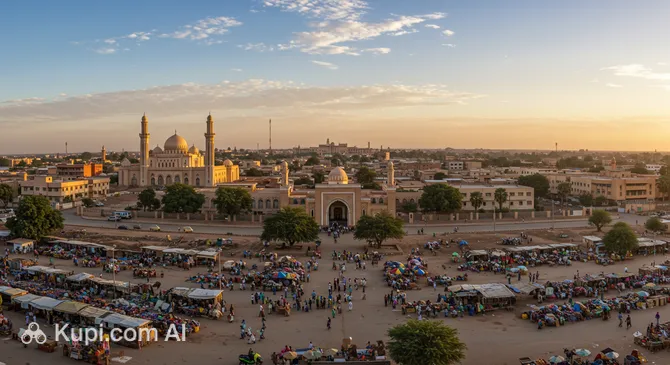
Illustration.
Source: Kupi.com AI

Chad's nature is unique and diverse. It is home to part of the legendary Lake Chad, a vital body of water for the region. For wildlife enthusiasts, a visit to places like Zakouma National Park, known for its rich animal world, can be a true discovery. The country's cultural heritage is woven from the traditions of numerous ethnic groups, reflected in music, dance, and crafts.

A journey to Chad is an opportunity to immerse yourself in an authentic African atmosphere, far from the beaten tourist paths. In addition to the capital, cities such as Moundou, the country's second-largest city, may be of interest to visitors. Chad offers a unique experience for those seeking adventure and wishing to get acquainted with an original culture and impressive natural landscapes.

Currency

The official currency of Chad is the Central African CFA franc (XAF), which is also used in several other Central African countries. Banknotes of various denominations and coins are in circulation. It is recommended to exchange foreign currency (preferably Euros or US Dollars) for local money at official banks or exchange offices in major cities like N'Djamena. Avoid exchanging currency with street money changers, as this carries a risk of fraud and receiving an unfavorable rate.

The use of credit cards in Chad is extremely limited. They may be accepted only in some large hotels, high-end restaurants, and airline offices in the capital. For most daily expenses, market purchases, and taxi fares, you will need cash. ATMs are also rare and may not always service international cards, so it is worth making sure you have a sufficient amount of CFA franc cash in advance.

Visa Requirements

To enter Chad, citizens of most countries, including the EU, USA, and CIS, generally require a visa. Usually, this is a tourist visa that must be arranged in advance at a Chad embassy or consulate in your country of residence. The key document for obtaining a visa is a valid passport, which must cover the planned period of stay.

In addition to a passport, other standard documents may be required for a Chad visa application, such as proof of hotel booking, return flight tickets, and a medical insurance policy. Since visa requirements can change, it is strongly recommended to check the most current information and the full list of required documents on the official website of the Chad embassy or at an authorized visa center before planning your trip.

We'll let you know if you need a visa

Enter your destination or
Your nationality
Destination

Timezones

When planning a trip to Chad, you won't have to worry about changing time zones within the country. The entire territory of Chad is in one time zone: West Africa Time (WAT), which corresponds to UTC+1. This means that the time in the capital, N'Djamena, and all other regions of the country will be the same.

A single time zone simplifies the planning of travel and events throughout Chad, saving tourists from the need to reset their watches and account for time differences between different destinations.

Getting There

The most convenient way to reach Chad is by air. The country's main international transport hub is the airport located in the capital, N'Djamena. Flights are operated here from some African and European countries, and there are connecting routes from other regions of the world. It is recommended to check current schedules and available destinations with airlines in advance.

Chad has long land borders with neighboring states, and theoretically, crossing the border by road is possible through certain checkpoints. However, it should be kept in mind that such travels can involve certain difficulties, and it is important to study the current border situation and visa requirements beforehand. There is virtually no international rail or sea connection to Chad for tourists. In any case, when planning a trip, especially during popular tourist seasons, it is worth booking flight tickets well in advance to ensure the best prices and availability.

AirportCityIATA
Ndjamena AirportN'DjamenaNDJ

Chad, a country with a rich history and diverse landscapes, offers travelers unique experiences. The main tourist centers here are the cities, each with its own unique character, and national parks where you can connect with Africa's wild nature. Exploration of the country often begins with its capital, N'Djamena, located at the confluence of the Chari and Logone rivers. This bustling city is the political, economic, and cultural heart of Chad, offering tourists both modern amenities and the opportunity to explore traditional markets and mosques.

Illustration.
Source: Kupi.com AI

In addition to the capital, there are other interesting places in Chad. For example, Moundou is the country's second-largest city, an important industrial and agricultural center that has nonetheless retained its local flavor. For nature lovers, Zakouma will be a true revelation, known for its national park where you can see elephants, giraffes, and many other African animals in their natural habitat. The city of Sarh, located in the south, attracts visitors with its mild climate and proximity to the Chari River, while Faya-Largeau, an oasis in the desert, offers a look at another, harsher but no less fascinating side of Chad.

Each of these destinations reveals a different facet of Chad, whether it be urban life, natural beauty, or cultural heritage. Explore the links to learn more about what awaits you in these amazing corners of Africa.

Top Attractions

Chad is a country capable of surprising even the most seasoned traveler with its contrasts, from the endless sands of the Sahara to unique cultural traditions. In addition to its famous natural wonders, Chad holds man-made treasures that allow for a deeper understanding of the history and spirit of this African land.

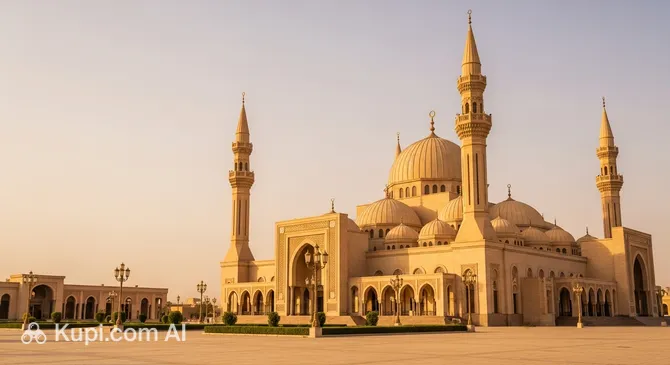
One of the main architectural and spiritual centers of the capital, N'Djamena, is the Grand Mosque of N'Djamena. This impressive structure serves not only as a place of prayer for the Muslim community but also as a striking symbol of the city. Its graceful minarets and distinctive architectural style attract the attention of those interested in Islamic culture and art. A visit to the mosque provides an opportunity to touch the spiritual life of the capital.

Illustration.
Source: Kupi.com AI

Traveller photos:

When exploring Chad, it is also worth paying attention to its rich natural and historical heritage. The mysterious rock paintings in the Ennedi region, telling of ancient civilizations, or the unique ecosystem of Lake Chad, vital for the entire region—all these are parts of the multifaceted face of the country waiting for their explorers. Each of these places reveals the amazing soul of Chad in its own way.

Best Time to Visit

When planning a trip to Chad, it is important to consider its climatic features to ensure the journey is as comfortable as possible. The country is dominated by a hot desert climate in the north and a more humid tropical climate in the south. The best time to visit most of Chad is during the high season, which lasts roughly from November to March. During this period, the weather is most favorable: days are warm and sunny, and nights are cool, especially in desert areas. This is the ideal time for safaris in national parks like Zakouma, when animals gather at watering holes, and for exploring the cultural attractions of N'Djamena. The downsides may include slightly higher prices for some services and more tourists in popular spots, although Chad is not a mass tourism destination.

The low season, or rainy season, usually falls between May-June and October, with peak rainfall in July and August, particularly in the south. During this time, temperatures remain high, but humidity increases, and rain can make roads impassable, especially in remote areas. Pros of this period can include lower prices and fewer travelers. However, some tourist routes and parks may be temporarily inaccessible or difficult to visit. The northern, desert part of Chad, including the Ennedi region, is theoretically accessible year-round, but summer months there are extremely hot, so the cooler dry season is also preferred for visiting it.

While there are few specific world-famous festivals tied to certain times of the year in Chad, local cultural events and markets can be more vibrant after the rainy season when nature comes to life. It is always recommended to check the weather conditions for the specific region you plan to visit, as the climate in Chad can vary significantly. For example, for a visit to Faya-Largeau in a northern oasis, it is better to choose the winter months to avoid the extreme heat.

Traditions

The culture of Chad is rich and multifaceted, and showing respect for local customs will make your trip more pleasant. Greetings play an important role here: a handshake is standard, especially between men. When interacting with women, it is better to wait for their initiative to shake hands. It is important to remember that the right hand should be used for greetings, passing objects, and eating, as the left hand is traditionally considered unclean. Hospitality is a cornerstone of Chadian society. If you are invited into a home, it is a sign of great respect. A small gift for the hosts, such as tea, sugar, or fruit, will be appropriate and appreciated, although it is not a strict requirement. In general, try to avoid public displays of strong emotions and always ask permission before photographing local residents, especially women and the elderly.

Regarding clothing in Chad, modesty is valued, especially outside the capital, N'Djamena, and when visiting rural areas. Women are advised to wear clothing that covers the shoulders and knees, while men should avoid wearing shorts that are too short in public places. When visiting mosques and other religious sites, everyone should be dressed conservatively; women will also need to cover their heads. At the table, especially if food is served from a communal dish, it is customary to eat with the right hand. It is polite to wait until the host starts the meal or invites you to join. Among the important holidays reflecting cultural values are Independence Day (August 11), as well as major Muslim holidays such as Eid al-Fitr (the end of Ramadan) and Eid al-Adha (the Festival of Sacrifice), the dates of which are determined by the lunar calendar. Showing patience, a smile, and respectful curiosity toward local traditions will always be met with warmth and will help establish contact with the people of Chad.

Entertainment

Chad offers travelers a variety of leisure opportunities, though they may differ from typical tourist destinations. Outdoor enthusiasts will appreciate the country's unique landscapes: here you can go on expeditions through the Sahara Desert, explore mountain ranges like the Ennedi Plateau, or observe wildlife in national parks inhabited by rare animal species. Opportunities for trekking and safaris attract adventure seekers wanting to encounter untouched nature.

Cultural activities in Chad are closely linked to the rich heritage of its numerous ethnic groups. Tourists can experience traditional music, dance, and crafts by visiting local villages or festivals if any are held during their visit. In the capital, N'Djamena, you can find the National Museum, which offers exhibitions on the country's history and ethnography, as well as craft markets where you can not only buy souvenirs but also watch artisans at work.

Nightlife in Chad is mainly concentrated in N'Djamena and a few other major cities. It is represented by restaurants offering both local and international cuisine, as well as some bars and clubs where you can spend the evening. The atmosphere is usually calm and conducive to socializing. Regarding shopping, people bring authentic handmade items from Chad: leather goods, silver jewelry, colorful fabrics, woven baskets, and wooden figurines. The main shopping venues are local markets.

For family vacations, Chad can offer a unique experience of immersion in another culture and encounter with amazing nature. Although there are no large theme parks or water parks, shared trips across the country, watching animals in their natural habitat, and learning about the lifestyle of local residents can be an unforgettable adventure for children and adults. Visiting cultural centers or participating in workshops on local crafts can also be an interesting leisure option.

Currency rates

Planning a trip? Wonderful! To make sure the financial side of your journey holds no surprises, it's worth remembering that exchange rates are constantly changing. That's why we strongly recommend keeping an eye on current rates both before departure and throughout your trip. To help with that, you can use the data provided below — we monitor exchange rates 24/7 and strive to provide the most up-to-date information.

XAF exchange rate for 19/07/2026

1 AED
~ 155.38 XAF
1 AMD
~ 1.56 XAF
1 AUD
~ 398.41 XAF
1 AZN
~ 335.68 XAF
1 BYN
~ 197.28 XAF
1 CAD
~ 407.00 XAF
1 EUR
~ 652.74 XAF
1 GBP
~ 768.05 XAF
1 HUF
~ 1.80 XAF
1 INR
~ 5.91 XAF
1 KGS
~ 6.53 XAF
2.61 KRW
~ 1 XAF
1 KZT
~ 1.21 XAF
1 PLN
~ 150.40 XAF
1 RUB
~ 7.29 XAF
1 SAR
~ 151.84 XAF
1 SGD
~ 441.89 XAF
1 TRY
~ 12.10 XAF
1 UAH
~ 12.77 XAF
1 USD
~ 570.45 XAF
21.04 UZS
~ 1 XAF

Reached the bottom of the page?

Looks like you know this route inside out

We use cookies for your convenience.
