South Sudan

Cities in the country

About

South Sudan is one of the world's youngest countries, located in the heart of East Africa. It is a vast land where endless savannas give way to lush tropical forests and the famous Sudd swamps, fed by the waters of the White Nile. The country's capital, vibrant Juba, is situated on the banks of this great river and serves as the main gateway for exploring this amazing and yet little-studied destination.
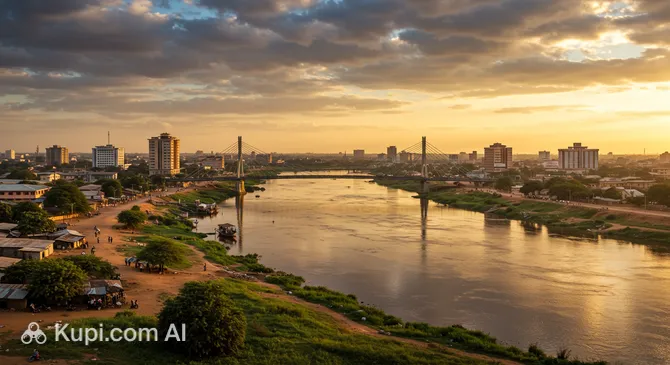
Illustration.
Source: Kupi.com AI

The cultural heritage of South Sudan is incredibly rich and diverse: it is home to more than sixty ethnic groups, each of which carefully preserves its unique traditions, languages, and customs. This country is a true kaleidoscope of cultures. Its natural wealth is also impressive: national parks such as Bandingilo, known for its antelope migrations, and the Southern National Park, offer unique opportunities for wildlife observation. In addition to the capital, cities such as Wau, an important commercial and cultural center, or Bor, which plays a significant role in the region's history, may be of interest.

South Sudan is a destination for bold and curious travelers ready to discover untouched corners of Africa and immerse themselves in an authentic atmosphere. The country is gradually developing, and although the tourism infrastructure is still forming, it offers a rare opportunity to see a world that is only beginning to reveal its treasures to guests. Here, genuine hospitality and unforgettable experiences of meeting wild nature and original culture await you.

Currency

The official currency of South Sudan is the South Sudanese Pound (SSP). The banknotes of this young African nation often feature images related to its culture, history, and rich nature, such as portraits of national leaders or representatives of local fauna. It is recommended to familiarize yourself with the appearance of current bills in advance to avoid misunderstandings.

The exchange of foreign currency, predominantly US dollars, into South Sudanese pounds should be done exclusively at official banks or licensed exchange offices, which can be found in the capital, Juba, and other major cities. Try to avoid exchanging money with street changers due to the high risk of fraud and receiving an unfavorable rate. It is important to know that credit card use in South Sudan is extremely limited, so you will need cash for most transactions. Although some major hotels and establishments may accept US dollars, it is better to have local currency for daily expenses and market purchases.

Visa Requirements

To visit South Sudan, citizens of most countries, including those from the EU, the USA, and the CIS, generally require a visa. This is typically a tourist visa that must be arranged in advance at a South Sudanese embassy or consular department in your country of residence. The possibility of obtaining a visa on arrival or online is extremely limited and should be verified beforehand.

In addition to a visa, entry into the country requires a valid passport, the expiration date of which should usually exceed the intended length of stay. You may also need return tickets, proof of hotel reservation, and medical insurance. Given that visa regulations can change, it is strongly recommended to check for the latest information and a full list of required documents on the official website of the South Sudanese embassy or at accredited visa centers before your trip.

We'll let you know if you need a visa

Enter your destination or
Your nationality
Destination

Timezones

When planning a trip to South Sudan, you won't have to worry about time zone changes within the country. A single time zone – UTC+2 – applies to the entire territory of South Sudan. This corresponds to Central Africa Time (CAT).

Thus, the time in the capital city, Juba, and in any other region of South Sudan will be the same. This simplifies the planning of transfers and activities during your trip.

Getting There

There are several ways to reach South Sudan, but the most common and convenient is air travel. The country's primary international hub is Juba International Airport, located in the capital city of Juba. Direct flights are available from several African countries and some Middle Eastern states. Travelers from Europe, Asia, or the Americas will generally need to make a connection at one of the major transit airports.

Land transport is used less frequently for entry into South Sudan and can involve certain complexities. Although the country shares land borders with several nations, regular international bus or rail services are poorly developed. Before planning a land trip, it is necessary to thoroughly study the current situation at the borders and the available routes. South Sudan is landlocked, so sea transport is not used for arrival in the country.

Regardless of the chosen method of travel, it is recommended to book tickets in advance, especially if your trip coincides with the peak tourist season or periods of major events. It is also worth checking the current visa requirements for citizens of your country and reviewing safety recommendations well ahead of time.

AirportCityIATA
Juba International AirportJubaJUB

South Sudan, a country with a distinct culture and impressive natural landscapes, offers travelers the chance to discover unique corners of Africa. The main points of attraction here are the cities, each possessing its own unique character and atmosphere. The country's capital, Juba, serves as the main economic, political, and cultural hub. It is a dynamic city where you can feel the rhythm of modern life in South Sudan, get acquainted with its administrative structure, and begin your exploration of the country.

Illustration.
Source: Kupi.com AI

Besides the capital, there are other interesting cities to visit in South Sudan. For example, Wau, one of the country's largest cities, is known for its lively atmosphere and is an important trade and transport hub. The city of Bor, located on the banks of the White Nile, has historical significance and offers opportunities to learn about local culture and the nature of the river region. Yei, located in the south of the country, attracts visitors with its fertile lands and can serve as a starting point for studying the agricultural traditions and daily life of local communities. Each of these cities reflects the diversity of South Sudan in its own way.

Top Attractions

South Sudan, a country with a unique culture and impressive natural landscapes, is gradually opening its doors to travelers seeking unexplored routes. Although the tourism infrastructure is still developing, you can already find interesting places, especially in the capital, Juba, that allow you to get closer to the local character.

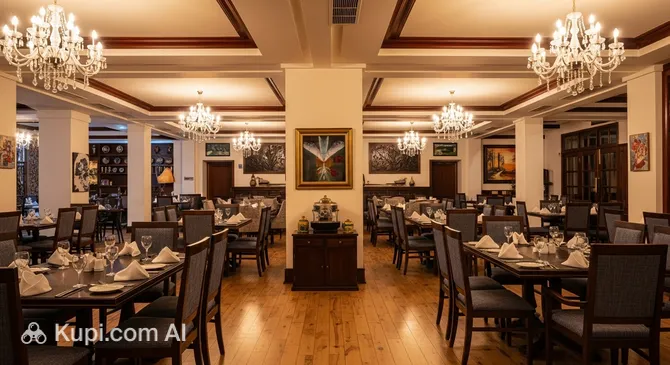
One such place is the Phonika restaurant. Here, visitors can taste dishes, likely with an emphasis on local or Middle Eastern cuisine, while enjoying a hospitable atmosphere. It is a great place to have a meal and feel the rhythm of capital life in South Sudan.

Illustration.
Source: Kupi.com AI

Traveller photos:

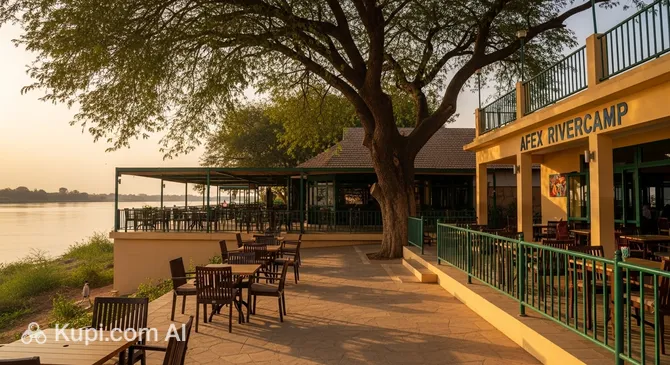
Another establishment worth noting in Juba is AFEX Rivercamp. Judging by the name, this restaurant may offer not only a diverse menu but also a pleasant setting, possibly with views of the river. It is a good place to relax after a busy day of exploration or business meetings.

Illustration.
Source: Kupi.com AI

Traveller photos:

Best Time to Visit

When planning a trip to South Sudan, it is important to consider its tropical climate with distinct dry and rainy seasons. High season, and the most preferred time for a visit, usually falls during the dry period – roughly from November-December to March-April. Hot and sunny weather prevails during this time, which significantly facilitates movement around the country as roads become more passable. This can also be the best time for wildlife viewing in national parks, as animals tend to gather at remaining water sources. However, you should be prepared for high air temperatures.

Low season, or the rainy season, lasts approximately from April-May to October-November. During this period, there is heavy rainfall, leading to increased humidity and making many roads difficult or impossible to traverse. Although nature comes alive and becomes lush and green during this time, and there are typically very few tourists, travel can involve significant logistical challenges. There is little information regarding major festivals that would significantly influence a foreign tourist's choice of travel dates, so weather conditions are the main guide. Given the size of the country, it is recommended to check weather conditions for the specific regions you plan to visit, as there may be local climatic variations.

Traditions

The culture of South Sudan is rich and diverse, and knowing local customs will help you better understand the country and its people. Greetings play a vital role: handshakes are common and can be quite lengthy, and you should always greet elders first. Hospitality is a sacred concept here; refusing a offered treat can be perceived as disrespect. A small souvenir from your country for your hosts will be a pleasant token of appreciation, though not always mandatory. In communication and when handing over items, as well as during meals, it is customary to use the right hand, as the left is traditionally considered "unclean."

When choosing clothing, especially outside the capital Juba and in rural areas, opt for modest outfits: women are recommended to cover their shoulders and knees. For visiting religious sites, whether churches or mosques, clothing requirements are even stricter. At the table, especially if food is served from a communal dish, it is also customary to eat with the right hand. Always try to ask for permission before photographing local people, as this is a sign of respect. Showing excessive emotion in public or engaging in loud arguments is considered impolite. One of the key national holidays is Independence Day, celebrated on July 9th, which symbolizes the unity and pride of the nation and is accompanied by various festive events.

Entertainment

South Sudan offers travelers unique opportunities to experience authentic African culture and nature, although the tourism infrastructure is still in the developmental stage. Active recreation is mainly associated with exploring national parks and reserves, where you can observe wildlife, as well as hiking through picturesque areas, especially in the southern regions of the country. Opportunities for organized sports, such as diving or skiing, are absent, but nature itself provides many options for an active pastime.

Cultural entertainment in South Sudan is closely intertwined with the daily life of local communities. Instead of traditional theaters and galleries, you can immerse yourself in local color by visiting villages and becoming acquainted with traditional dances, music, and crafts. In the capital, Juba, cultural events and festivals reflecting the diversity of the country's ethnic groups are sometimes held. Museums in the classic sense are rare, but history and culture come to life in the stories of local residents and in the artifacts seen within communities.

Nightlife in South Sudan is concentrated primarily in Juba and some other major cities, such as Wau or Bor. Here you can find restaurants offering both local and international cuisine, as well as bars where locals and foreigners gather. The atmosphere is usually calm and friendly. Regarding shopping, the best souvenirs from South Sudan are the products of local artisans: woven baskets, wooden figurines, bead jewelry, and traditional clothing. These can be purchased at local markets found in most settlements. Specialized family entertainment, such as theme parks, is not yet widespread; however, connecting with nature and learning about local culture can be an exciting experience for families with children.

Currency rates

Planning a trip? Wonderful! To make sure the financial side of your journey holds no surprises, it's worth remembering that exchange rates are constantly changing. That's why we strongly recommend keeping an eye on current rates both before departure and throughout your trip. To help with that, you can use the data provided below — we monitor exchange rates 24/7 and strive to provide the most up-to-date information.

Reached the bottom of the page?

Looks like you know this route inside out

We use cookies and services to collect user information. This is essential for the functioning of the site and for marketing purposes. You can find out more in .