Support

Botswana

Cities in the country

About

Botswana, located in the heart of Southern Africa, attracts travelers with its pristine wilderness and unique wildlife viewing opportunities. It is one of the most stable and prosperous states on the continent, known for its commitment to environmental protection and the development of ecotourism. Botswana offers an immersion into a world where nature still reigns supreme, and modern conveniences harmoniously blend with authentic African culture.
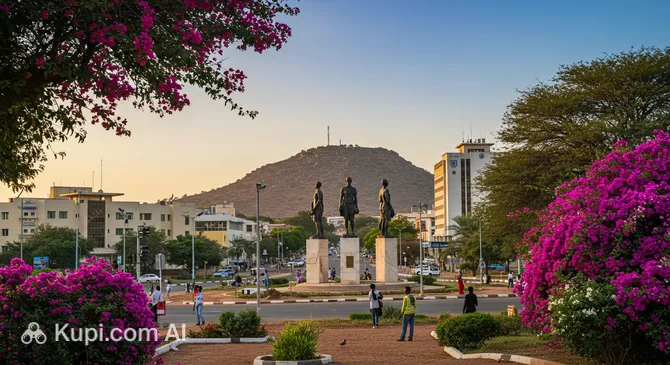
Illustration.
Source: Kupi.com AI

Botswana's main treasure is undoubtedly its nature. The country is famous for its vast protected areas, such as the famous Okavango Delta – a unique ecosystem where the river flows not into the sea, but into the sands of the Kalahari Desert, creating a labyrinth of channels, lagoons, and islands. The city of Maun serves as the main gateway for exploring this natural wonder. Equally impressive is Chobe National Park, known for the largest elephant population in Africa, easily accessible from the town of Kasane. The Kalahari Desert, which covers a significant part of the country, offers completely different but no less exciting landscapes and the opportunity to learn about the culture of the San people.

The country's capital, Gaborone, is a modern and fast-growing city reflecting Botswana's economic progress. Although most tourists come here for safaris, Gaborone offers a glimpse into urban life, local markets, and cultural centers. Botswana leaves the impression of a peaceful, welcoming country where you can fully enjoy the beauty of wild Africa and feel its primal spirit.

Currency

The national currency of Botswana is the Botswana pula (international code BWP). Interestingly, the word "pula" in the Setswana language means "rain," symbolizing blessing and prosperity in this predominantly arid country. The banknotes often feature local fauna and figures important to the country. The pula is divided into 100 thebe, which means "shield."

Foreign currency can be exchanged for pula at banks and official exchange offices found in major cities like Gaborone and at airports. It is recommended to avoid exchanging money with street money changers. Credit cards (mainly Visa and Mastercard) are accepted in most hotels, restaurants, and major shops in tourist centers. However, when traveling to more remote areas or for small purchases, it is always useful to have some cash on hand.

Visa Requirements

When planning a trip to Botswana, it is important to check visa requirements in advance. Citizens of many countries, including European Union countries, the USA, the UK, and most Commonwealth countries, generally do not require a visa for tourist trips for up to 90 days. However, citizens of some other states, including a number of CIS countries, may require a tourist visa, which usually needs to be arranged in advance through a Botswana embassy or consulate in their own country or country of residence. The possibility of obtaining an electronic visa (e-Visa) is also worth checking.

Regardless of visa requirements, a valid foreign passport is absolutely necessary to enter Botswana, the validity of which should usually exceed the intended date of departure from the country by at least six months, and which contains empty pages for stamps. It is also recommended to have return tickets, confirmation of hotel or other accommodation bookings, and proof of sufficient financial funds for the duration of the stay. Since visa rules can change, it is strongly recommended to check the most up-to-date information on the official website of the Ministry of Foreign Affairs of Botswana, or at the nearest embassy or consulate before your trip.

We'll let you know if you need a visa

Enter your destination or
Your nationality
Destination

Timezones

When planning a trip to Botswana, you won't have to worry about time zone changes within the country. The entire territory of Botswana is in one time zone – Central Africa Time (CAT), which corresponds to UTC+2. This means that the time in the capital, Gaborone, and in all other regions of the country will be the same.

Getting There

The main way to reach Botswana for most international travelers is by air. The country's primary air hub is Sir Seretse Khama International Airport (GBE), located near the capital, Gaborone. Regular flights connect Botswana with major hubs in South Africa (such as Johannesburg), from where convenient connections are available with flights from Europe, Asia, America, and other parts of Africa. Direct flights from outside the African continent are limited, so most travelers arrive via one or more layovers.

Since Botswana is landlocked, sea transport is not used to enter the country. However, thanks to a developed road network and land borders with South Africa, Namibia, Zambia, and Zimbabwe, the country can also be reached by land. There are bus routes connecting Botswana with neighboring states, and self-driving in a rented car is also a popular option, especially for those planning to explore national parks. It is recommended to book flights and accommodation in advance, especially if your trip falls during the peak tourist season, which usually coincides with the dry period ideal for safaris.

AirportCityIATA
Sir Seretse Khama International AirportGaboroneGBE
Maun AirportMaunMUB
Francistown AirportFrancistownFRW
Kasane AirportKasaneBBK

Botswana attracts travelers primarily with its unique nature reserves and safari opportunities, so most popular destinations are concentrated around national parks and the Okavango Delta. Here you will find both bustling cities serving as starting points for adventures and secluded lodges and campsites in the heart of the wilderness.

Illustration.
Source: Kupi.com AI

The country's capital, Gaborone, is a modern and fast-growing city where you can get to know the local culture, visit the national museum, or go on an excursion to the nearby Gaborone Game Reserve. For those who dream of seeing the famous Chobe National Park with its massive herds of elephants, the ideal starting point is the town of Kasane, located on its border. From here, it is easy to organize river safaris and trips through the park.

The town of Maun serves as the main gateway to the amazing Okavango Delta – a unique ecosystem where you can explore water labyrinths in traditional mokoro canoes or take a scenic flight. Wildlife enthusiasts should also look into Savuti, a region in Chobe National Park known for its dramatic landscapes and predator encounters. Another interesting destination is Francistown, the country's second-largest city, offering a look into the region's gold mining history.

Top Attractions

Botswana, a country of amazing nature and hospitable people, offers travelers a variety of experiences. While the country is famous primarily for its national parks and safaris, there are other interesting places worth visiting.

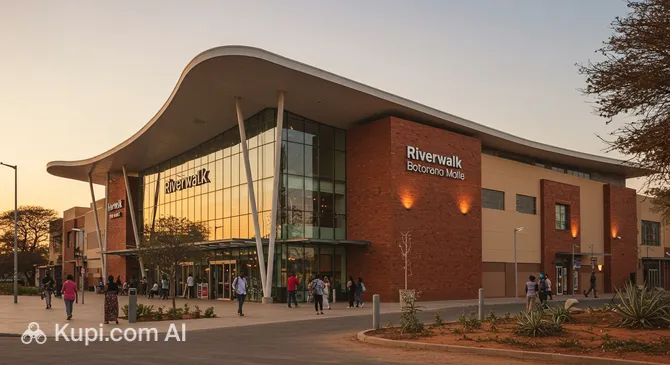
In the capital, Gaborone, one of the popular places for shopping and leisure is the Riverwalk Mall. This modern shopping center offers a wide selection of shops, restaurants, and entertainment where you can have a good time and buy souvenirs.

Illustration.
Source: Kupi.com AI

Traveller photos:

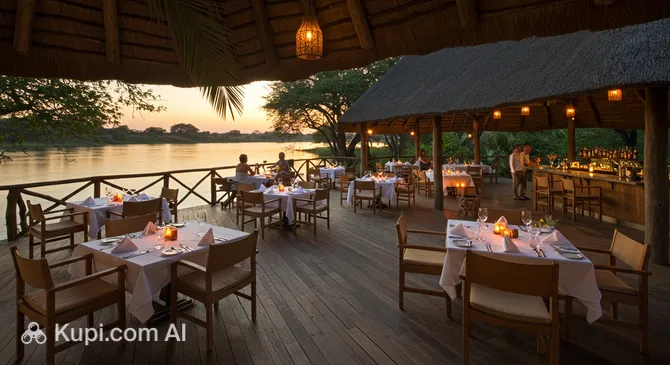
If you find yourself in Kasane, look for the Chobe Marina Lodge. It is not just a restaurant, but a place where you can enjoy delicious food in a picturesque setting, often with a view of the Chobe River, which adds a special touch to your holiday.

Illustration.
Source: Kupi.com AI

Traveller photos:

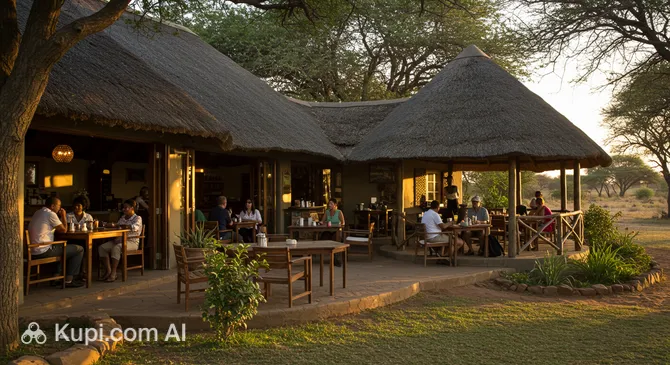
For those looking for a quiet place to relax in Gaborone, the Sanitas Tea Garden will be a true oasis. This charming tea garden offers a cozy atmosphere where you can relax with a cup of tea or coffee among the greenery.

Illustration.
Source: Kupi.com AI

Traveller photos:

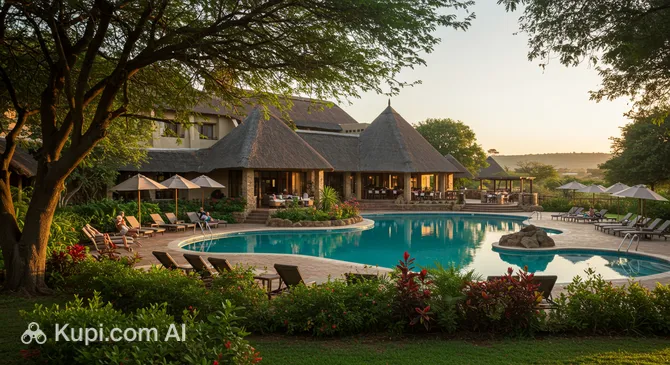
Also located in the capital is the Gaborone Resort and Casino. This place attracts those looking for a combination of comfortable accommodation, gambling opportunities, and various entertainment under one roof.

Illustration.
Source: Kupi.com AI

Traveller photos:

Best Time to Visit

The best time to visit Botswana largely depends on your preferences and travel plans. The high season traditionally falls during the dry winter months, from May to October. During this period, you can expect clear, sunny weather with warm days and cool nights, creating ideal conditions for safaris. Animals gather near rivers and remaining waterholes at this time of year, making them more accessible for viewing. The months from July to September are particularly popular. It is during this time, usually from June to August, that the flood in the famous Okavango Delta reaches its peak, offering unique opportunities for travel in traditional mokoro canoes. However, it is worth considering that there are significantly more tourists during the high season, and prices for accommodation and tours can be higher.

The low season, also known as the "green season," lasts from November to April and coincides with the rainy period. During this time, Botswana's landscapes are transformed, covered in emerald greenery. Daytime temperatures rise, humidity increases, and short but intense afternoon thundershowers are common. This period is excellent for birdwatching, including many migratory species, and for seeing newborn animal young. The significant advantages of traveling in the low season are fewer tourists and more attractive prices. Nevertheless, some roads may become difficult to traverse due to the rain, and thick vegetation can make tracking large animals somewhat more challenging.

In addition to climatic features, when choosing a time to travel to Botswana, you should pay attention to unique natural phenomena. For example, during the "green season" (roughly from November to March-April), you can witness the impressive zebra migration in the Makgadikgadi Salt Pans area. Although the climate in the country's main tourist regions is generally similar, it is always recommended to check the weather conditions for the specific locations on your itinerary, especially if traveling during the transitional months between seasons.

Traditions

Botswana is a country with rich cultural traditions where respect and politeness are highly valued. When meeting, it is customary to exchange handshakes accompanied by a greeting. Addressing men as "Rra" (Sir) and women as "Mma" (Madam) is a sign of respect, especially toward elders. During a conversation, a calm tone and moderate eye contact are valued. Local people are very hospitable, and being invited into a home is a great honor. A small symbolic gift (such as fruit) will be appreciated by the hosts, but is not mandatory. It is important to accept offered treats, as refusal may be perceived as disrespect.

In everyday life in Botswana, there are no strict dress requirements; however, when visiting rural areas, villages, or private homes, it is recommended to choose modest outfits that cover the shoulders and knees. This is a manifestation of respect for local customs. At the table, especially in a traditional setting, food is often taken with the right hand. Usually, the meal is started by the eldest family member or the host of the house. Show patience and observation to follow the accepted etiquette.

Among the important national holidays reflecting the spirit of the country are Botswana Day (September 30), marking the anniversary of independence, and President's Day (celebrated in July). To make your communication with local residents as comfortable as possible, try to avoid excessively loud behavior and public displays of affection, which may be perceived ambiguously. Pointing a finger at someone or something is considered impolite – it is better to use an open palm or a nod of the head. And, of course, always ask permission before taking photos of people. Remember that respect for elders is a key aspect of Botswana's culture.

Entertainment

Botswana offers tourists a unique range of entertainment, primarily related to its incredible nature and wildlife. Active recreation here is first and foremost about exciting safaris through famous national parks and reserves. Mokoro trips (traditional canoes) through the Okavango Delta, birdwatching, and walking safaris accompanied by experienced guides are popular, allowing for a closer look at the unique flora and fauna. To learn about the country's cultural heritage, you can visit local villages where guests are told about the traditional way of life, shown crafts, and perhaps offered national cuisine. In cities like Gaborone, you can find small museums and galleries representing local art and history.

Nightlife in Botswana is mainly concentrated in restaurants, hotel bars, and a few local pubs, especially in the capital Gaborone and other large cities like Francistown or Maun. Here, it is more common to enjoy a good dinner and drinks in a calm atmosphere than to look for loud club parties. As for shopping, you can find shopping centers in the cities, such as the Riverwalk Mall in Gaborone, as well as local markets and craft shops selling unique souvenirs: handmade woven baskets, pottery, wood carvings, and traditional African textiles. There are few specialized theme parks here, but safaris and wildlife viewing themselves will be a fascinating and educational adventure for the whole family, leaving unforgettable impressions.

Currency rates

Planning a trip? Wonderful! To make sure the financial side of your journey holds no surprises, it's worth remembering that exchange rates are constantly changing. That's why we strongly recommend keeping an eye on current rates both before departure and throughout your trip. To help with that, you can use the data provided below — we monitor exchange rates 24/7 and strive to provide the most up-to-date information.

Reached the bottom of the page?

Looks like you know this route inside out

We use cookies for your convenience.