Nigeria

About

Nigeria is an amazing country in West Africa, impressive in its scale and cultural diversity. As the continent's most populous country, it offers travelers a kaleidoscope of experiences, from bustling metropolises to serene natural landscapes. The capital, Abuja, is a modern and dynamically developing city that serves as the administrative and political center.
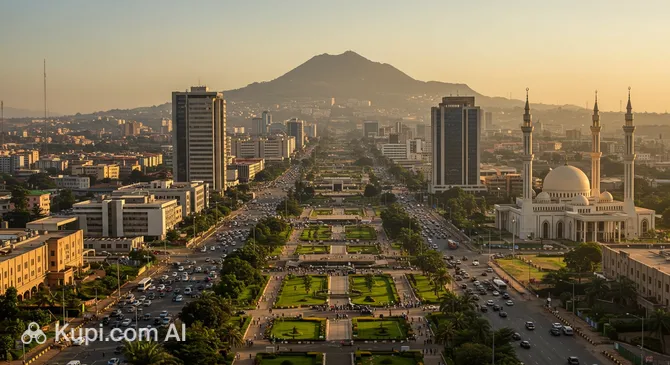
Illustration.
Source: Kupi.com AI

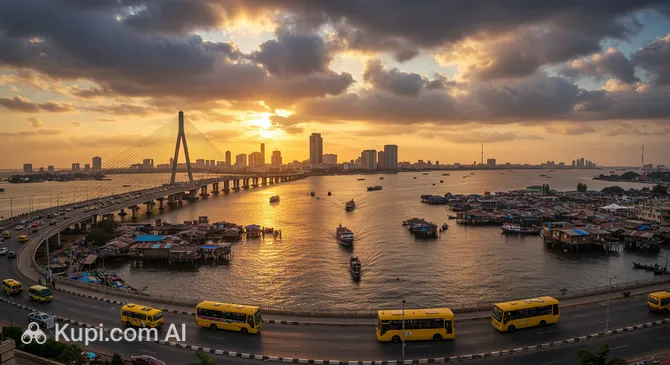
Nigeria's cultural heritage is incredibly rich, as it is home to more than 250 ethnic groups, each with its own unique traditions, languages, and art. The country is famous for its vibrant music scene, the world-renowned Nollywood film industry, and ancient kingdoms whose history is still felt in everyday life. To dive into this bubbling cultural melting pot, many tourists head to Lagos — the former capital and the country's largest city, known for its markets, galleries, and nightlife.

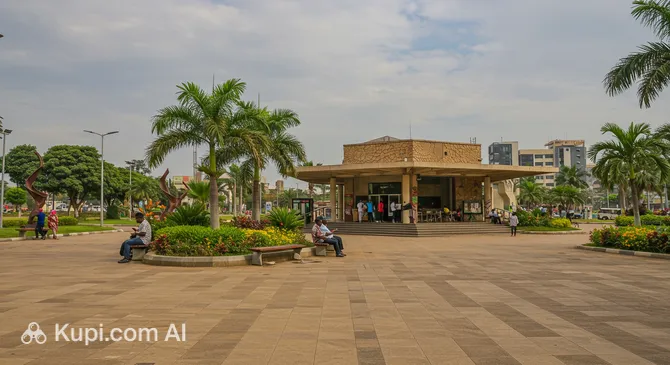
Nigeria's nature is equally diverse and attractive: from humid tropical forests in the south and vast savannas in the central part to the picturesque Atlantic coast. The climate is predominantly tropical, with clearly defined dry and wet seasons, which is important to consider when planning a trip. Among the urban oases, City Park Abuja stands out, offering outdoor recreation in the capital. Overall, Nigeria is a country of contrasts and bright discoveries, capable of giving unforgettable impressions to everyone who decides to explore its expanses.

Currency

The national currency of Nigeria is the Nigerian naira (international code NGN). Banknotes of various denominations are in circulation, often featuring portraits of prominent Nigerian figures and cultural symbols of the country. Coins are also used, but less frequently due to their low value.

Exchanging foreign currency for naira is recommended at official banks or licensed exchange offices, which can be found at airports and in major cities such as Abuja. Avoid exchanging money with street money changers, as this carries a risk of fraud or receiving counterfeit bills. Credit cards (mainly Visa and MasterCard) are accepted in major hotels, some restaurants, and supermarkets in large cities; however, for everyday expenses, especially in small towns and at markets, it is preferable to carry cash. Before your trip, check with your bank about fees for cash withdrawals and card use abroad.

Visa Requirements

To enter Nigeria, citizens of most countries, including those of the European Union, the USA, and the CIS, generally require a visa. Usually, a tourist visa is issued, for which you should contact the Nigerian embassy or consulate in your country of residence. The main document for entry is a valid passport, which must meet the requirements for entry and stay in the country.

In addition to a visa and passport, you may be asked for return tickets, hotel booking confirmation, and a medical insurance policy when crossing the border. Visa rules can change, so it is strongly recommended to check for the most up-to-date information and the full list of required documents on the official websites of Nigerian embassies or visa centers before planning your trip.

We'll let you know if you need a visa

Enter your destination or
Your nationality
Destination

Timezones

When planning a trip to Nigeria, you won't have to worry about changing time zones within the country. A single time zone operates throughout Nigeria — West Africa Time (WAT), which corresponds to GMT+1. This means that the time in Abuja, Lagos, and other cities in the country will be the same.

Getting There

The main and most convenient way to reach Nigeria is by air. The country has several international airports receiving flights from various parts of the world. Key air gateways are Murtala Muhammed International Airport in Lagos and Nnamdi Azikiwe International Airport in the capital, Abuja. Direct flights and convenient connections to Nigeria are usually available from major cities in Europe, the Middle East, and other African countries. Some airlines also offer routes from North America and Asia, often with one transfer.

For travelers from neighboring countries such as Benin, Niger, or Cameroon, there is the possibility of reaching Nigeria by land transport, such as buses or cars. However, before such a trip, it is important to carefully study the current border crossing rules and road conditions. Regarding sea connections, it is mainly focused on freight transport, and regular passenger ferries or cruise ships calling at Nigerian ports are not a common option for tourists.

When planning a trip to Nigeria, especially by air, it is recommended to book tickets in advance. This is particularly relevant if your trip coincides with the high tourist season or major local holidays, as the demand for air tickets increases during these times, which can affect their cost and availability.

AirportCityIATA
Murtala Muhammed International AirportLagosLOS
Nnamdi Azikiwe International AirportAbujaABV
Port Harcourt International AirportPort HarcourtPHC
Akwa Ibom AirportUyoQUO
Mallam Aminu Kano International AirportKanoKAN

Nigeria is a country of contrasts, offering travelers both bustling metropolises and places with a rich cultural heritage. Here you can immerse yourself in the atmosphere of modern business centers, explore ancient cities, or enjoy natural beauty. Each region is unique in its own way and ready to surprise even the most seasoned tourist.

Illustration.
Source: Kupi.com AI

Among the most popular destinations, Lagos, the former capital and the country's largest city, stands out. It is a true economic and cultural melting pot, known for its restless energy, music scene, and numerous markets. The current capital, Abuja, is equally interesting. This planned city attracts with its modern architecture, wide avenues, and a calmer pace of life compared to Lagos. Important government buildings and national monuments are located here.

For those interested in history, Ibadan, one of Nigeria's oldest cities known for its university and historical quarters, is a must-visit. The city of Calabar, located in the southeast, is famous for its annual carnival, which attracts thousands of tourists, as well as its colonial architecture and proximity to nature reserves. Port Harcourt, a major port city in the Niger Delta, is an important center for the oil industry but also offers opportunities for waterside relaxation and getting to know the local culture.

Top Attractions

Nigeria offers travelers a variety of places for relaxation and entertainment, from modern shopping malls to picturesque parks. Here, everyone will find something to their liking, whether it's world-class shopping or a quiet getaway in nature.

One of the popular spots in the capital is Jabi Lake Mall. Located by the scenic Jabi Lake, it offers not only a wide selection of shops and restaurants but also beautiful views, making it an excellent place for shopping and leisure.

Illustration.
Source: Kupi.com AI

Traveller photos:

Also located in Abuja is City Park Abuja — a wonderful place for those who want to enjoy nature and fresh air. This well-maintained park is ideal for walks, picnics, and family outings, offering an oasis of tranquility in the busy city.

Illustration.
Source: Kupi.com AI

Traveller photos:

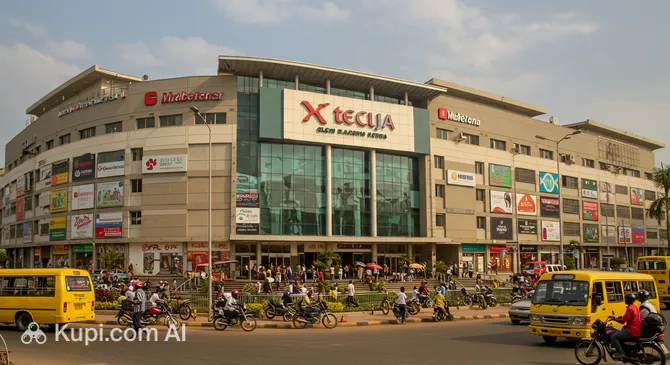
In Lagos, Ikeja City Mall is worth your attention. It is a large, modern complex where you can find many well-known brand stores, a food court with diverse cuisine, and entertainment zones for the whole family.

Illustration.
Source: Kupi.com AI

Traveller photos:

For those who find themselves in Calabar, Calabar Mall is an excellent choice for shopping and leisure. This shopping center offers visitors a good range of goods and services, as well as places to grab a bite and relax.

Best Time to Visit

When planning a trip to Nigeria, it is important to consider the changing seasons, as the climate here is tropical and divided into dry and rainy periods. The high season usually falls during the dry period, which lasts from November to March. During this time, sunny weather prevails, especially in the north of the country, creating favorable conditions for sightseeing and safaris. However, the dry and dusty Harmattan wind can blow in the northern regions at this time. Prices for accommodation and services may be slightly higher due to the increased tourist flow. One of the highlight events attracting many guests is the famous Carnival in Calabar, which takes place in December.

The low season, or rainy season, covers the period from April to October. At this time, Nigeria's nature blooms with lush greenery, and the number of tourists decreases noticeably, which can positively affect the cost of the trip. The main disadvantage is frequent and sometimes intense downpours, high humidity, and possible difficulties with movement, especially in remote areas. Nevertheless, significant cultural events also take place during this period, such as the Osun-Osogbo festival in the city of Osogbo in August. It is worth remembering that the climate in Nigeria is not uniform: in the south, the rainy season is longer and more intense, while in the north it is shorter. Therefore, before your trip, it is recommended to check the current weather forecast for the specific region of your destination.

Traditions

Nigeria is a country with a rich cultural heritage where respect for tradition plays a vital role. Greetings here are an entire ritual, especially toward elders, to whom it is customary to show special signs of respect. A handshake is common, but remember that the left hand is considered unclean, so always use the right hand for greetings, passing objects, and eating. Nigerians are famous for their hospitality; if you are invited into a home, it is a great honor. A small gift for the hosts is a nice gesture, although not strictly mandatory.

When heading to Nigeria, pay attention to clothing style: it is recommended to choose modest outfits that cover the shoulders and knees, especially when visiting religious sites and in northern regions of the country. At the table in many Nigerian homes, it is customary to eat with your hands (using the right hand, of course); if you are unsure how to behave, do not hesitate to ask politely or observe others. It is considered impolite to smell food before tasting it. Among the significant holidays, Independence Day (October 1st) is celebrated nationwide with great fanfare, as are important religious festivals reflecting the diversity of faiths. To ensure your trip goes smoothly, always ask for permission before photographing people and avoid excessive public displays of affection, which may not be accepted in the local culture.

Entertainment

Nigeria offers tourists a kaleidoscope of entertainment to suit all tastes. The country is rich in cultural events: from visiting museums and art galleries where you can get acquainted with traditional and contemporary art, to immersing yourself in the authentic atmosphere of local festivals with their energetic music and dancing. For active recreation enthusiasts, there are opportunities to explore national parks, and coastal areas offer water activities. While there are no specialized ski or diving resorts, the country's natural beauty provides plenty of space for hiking and wildlife watching.

As evening falls, major cities like Lagos and the capital Abuja come alive, offering guests a chance to dive into the vibrant nightlife. Here you can find many restaurants with local and international cuisine, cozy bars, and energetic nightclubs where Afrobeats rhythms often play. Shopping in Nigeria is an adventure in itself. In colorful local markets, you can purchase unique handcrafted items, bright fabrics, traditional masks, and sculptures. For those who prefer a more modern format, shopping malls are open, such as the Ikeja City Mall in Lagos or the Jabi Lake Mall in Abuja, where both local and international brands are represented.

There are also interesting options for family vacations in Nigeria. Many cities have public parks where you can spend pleasant time with children, such as City Park Abuja. Some coastal areas offer relaxing beach holidays. Overall, Nigeria is capable of surprising with its variety of leisure activities, combining ancient traditions and modern entertainment, making a trip through the country rich and memorable.

Currency rates

Planning a trip? Wonderful! To make sure the financial side of your journey holds no surprises, it's worth remembering that exchange rates are constantly changing. That's why we strongly recommend keeping an eye on current rates both before departure and throughout your trip. To help with that, you can use the data provided below — we monitor exchange rates 24/7 and strive to provide the most up-to-date information.

NGN exchange rate for 13/08/2026

1 AED
~ 369.14 NGN
1 AMD
~ 3.71 NGN
1 AUD
~ 957.85 NGN
1 AZN
~ 797.45 NGN
1 BYN
~ 455.58 NGN
1 CAD
~ 972.76 NGN
1 EUR
~ 1564.95 NGN
1 GBP
~ 1831.50 NGN
1 HUF
~ 4.29 NGN
1 INR
~ 14.21 NGN
1 KGS
~ 15.50 NGN
1.04 KRW
~ 1 NGN
1 KZT
~ 2.91 NGN
1 PLN
~ 363.24 NGN
1 RUB
~ 16.38 NGN
1 SAR
~ 361.40 NGN
1 SGD
~ 1058.20 NGN
1 TRY
~ 28.39 NGN
1 UAH
~ 30.27 NGN
1 USD
~ 1355.01 NGN
8.80 UZS
~ 1 NGN

Reached the bottom of the page?

Looks like you know this route inside out

We use cookies and services to collect user information. This is essential for the functioning of the site and for marketing purposes. You can find out more in .