Cameroon, United Republic Of

About

Cameroon, located in the heart of Central Africa, is often called "Africa in miniature" thanks to the incredible diversity of its landscapes. From lush tropical forests in the south to savannas in the north, from impressive volcanic mountains to the picturesque beaches of the Atlantic Ocean – this country offers a unique blend of natural beauty. The capital of Cameroon is the vibrant city of Yaoundé, which serves as the country's cultural and administrative hub.
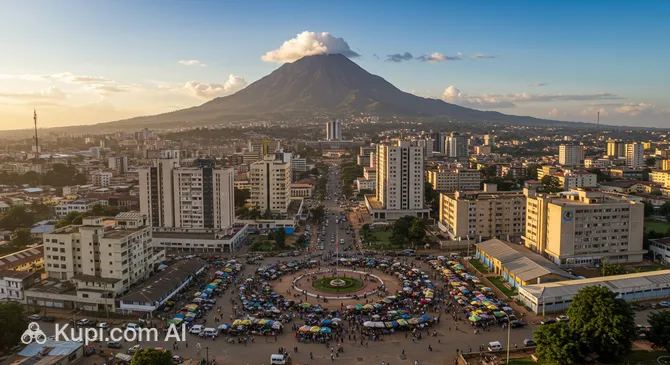
Illustration.
Source: Kupi.com AI

Cameroon's rich cultural heritage is reflected in the diversity of its ethnic groups, numbering more than 250, each contributing to a vibrant mosaic of traditions, music, dance, and art. Travelers can explore traditional chiefdoms, discover local crafts, and enjoy the hospitality of the Cameroonian people. The country's climate varies from equatorial on the coast and in the southern regions to a drier tropical climate in the north, making the country interesting to visit at different times of the year. In addition to the capital, an important city is Douala, Cameroon's largest port and economic center.

Cameroon leaves the impression of a land of contrasts and amazing discoveries, where modernity is intertwined with ancient customs. Here you can climb the active Mount Cameroon volcano, relax on the golden beaches of the resort town of Kribi, or immerse yourself in history and culture by visiting, for example, the National Museum of Cameroon in Yaoundé. This destination is ideal for those seeking authentic experiences, unforgettable landscapes, and a deep introduction to the multifaceted African soul.

Currency

The national currency of Cameroon is the Central African CFA franc (international code: XAF). This currency is also used in several other Central African countries. CFA franc banknotes and coins come in various denominations and are often decorated with images reflecting the local culture, flora, and fauna of the region. It is recommended to familiarize yourself with the appearance of the bills before your trip to avoid misunderstandings.

Currency exchange (preferably Euros or US Dollars) for local francs is best done at official banks or licensed exchange offices, which can be found in major cities like Yaoundé. Avoid exchanging money with street money changers, as this carries a risk of fraud or unfavorable rates. The use of credit cards in Cameroon is limited: they are mainly accepted in large hotels, some restaurants, and supermarkets in the capital and other large cities. Therefore, for daily expenses and when traveling outside major centers, it is strongly recommended to carry a sufficient amount of cash.

Visa Requirements

To visit Cameroon, citizens of most countries, including the EU, USA, and CIS countries, generally require a visa. This is usually a tourist visa, which must be obtained in advance at the embassy or consulate of Cameroon in your country of residence. The possibility of obtaining a visa on arrival or online should be checked separately, as it may not be available to all citizens or may have specific conditions.

In addition to a visa, you will need a valid passport to enter the country, the validity of which should usually exceed the intended length of stay. It is also recommended to have return tickets, hotel booking confirmation, and medical insurance. Since visa rules can change, we strongly advise checking the most current information on the official websites of Cameroon embassies or visa centers before your trip.

We'll let you know if you need a visa

Enter your destination or
Your nationality
Destination

Timezones

When planning a trip to Cameroon, you won't have to worry about changing time zones within the country. A single time zone operates throughout the entire territory of Cameroon – West Africa Time (WAT), which corresponds to UTC+1. This means the time in the capital, Yaoundé, and in any other corner of the country will be the same.

This feature significantly simplifies the planning of movements and events during your journey through Cameroon. You can be sure that the times indicated on schedules will be relevant for any point on your route.

Getting There

The main way to reach Cameroon is by air. The country has several international airports, the main ones being the airport in Douala, the largest city and economic center, and Nsimalen Airport in the capital, Yaoundé. Regular flights connect Cameroon with many countries in Africa, Europe (particularly with frequent flights from France and Belgium), and some other regions of the world, either directly or with convenient connections through major European or African hubs.

For travelers from neighboring African countries, it is possible to reach Cameroon by land. Main border crossings are equipped for cars or buses that run between major cities in the border regions. Rail service is primarily focused on domestic transport. Cameroon has access to the Atlantic Ocean, and the Port of Douala is an important maritime hub; however, regular passenger ferry service with other countries is limited and is not the primary way for tourists to arrive. In any case, it is recommended to book flight tickets or plan a land route in advance, especially if your trip falls during the peak tourist season or holiday dates, to ensure the best prices and availability.

AirportCityIATA
Douala AirportDoualaDLA
Nsimalen AirportYaoundeNSI
Garoua AirportGarouaGOU
SalamMarouaMVR
NgaoundéréNgaoundereNGE

Cameroon offers travelers an incredible variety of experiences, from bustling urban centers to serene coastal resorts. The country is rich in both cultural and natural attractions that can satisfy the interests of many different types of tourists. Exploring the country often begins with its capital.

Illustration.
Source: Kupi.com AI

The heart of Cameroon is undoubtedly Yaoundé, the political and cultural center of the country, located on hilly terrain. The city attracts visitors with its unique architecture, numerous museums, and markets. Equally important is Douala – the largest city and the main economic hub of Cameroon, its gateway to the world thanks to its busy port. Douala offers dynamic city life, modern hotels and restaurants, as well as opportunities for business travel.

For those seeking a beach holiday, Cameroon can offer charming resorts. One of the most popular is Kribi, known for its golden beaches, Lobe Falls, which cascade directly into the Atlantic Ocean, and fresh seafood. Another notable coastal city is Limbe, situated at the foot of Mount Cameroon, offering not only beaches but also a famous botanical garden and a primate rehabilitation center. And for an immersion into history and culture, it's worth visiting Foumban, known for its Royal Palace and the museum of traditional Bamum art.

Top Attractions

Cameroon is a country that will surprise you with the diversity of its attractions. From historical monuments telling of a rich past to colorful markets where modern life is in full swing, everyone will find something interesting here when planning a trip to this amazing African country.

One of the key cultural treasures is the National Museum of Cameroon, located in the capital, Yaoundé. By visiting it, you can dive deep into the history and multifaceted culture of the country. The museum presents extensive collections of traditional art, unique handicrafts, and historical artifacts that vividly illustrate the past and present of Cameroon.

Illustration.
Source: Kupi.com AI

Traveller photos:

Also in Yaoundé stands the impressive Reunification Monument. This significant landmark is a symbol of an important historical event — the unification of the French-speaking and English-speaking parts of the country. Its monumental architecture and deep symbolism attract many visitors wishing to learn more about the history of the formation of the Cameroonian nation.

For connoisseurs of spiritual architecture and the history of Christianity in the region, a must-visit is the Cathedral of Saints Peter and Paul in Douala. It is not only the main Catholic church of the city and an important place for believers but also an expressive example of ecclesiastical architecture, which is one of the landmarks of Douala.

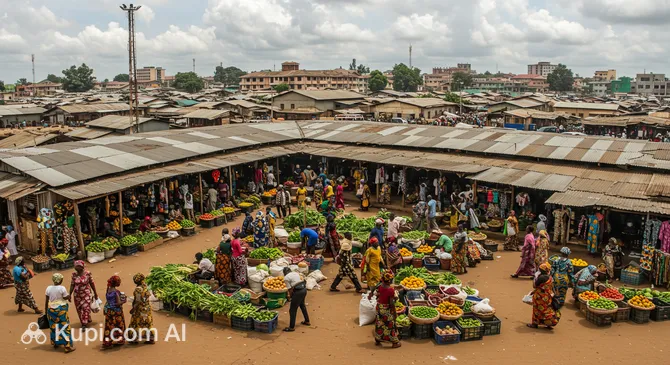
To feel the authentic, bustling atmosphere of Cameroonian daily life, you should definitely head to the Ekie Market in Yaoundé. This lively and colorful market is a real kaleidoscope of sounds, smells, and colors. Here you can find a huge selection of fresh local products, traditional bright fabrics, original handmade souvenirs, and, of course, get a closer look at the life and hospitality of the locals.

Illustration.
Source: Kupi.com AI

Traveller photos:

Best Time to Visit

When planning a trip to Cameroon, it is important to consider the significant climatic differences across the country. In general, the high season falls during the dry periods. For the southern regions, including the coast and the capital Yaoundé, these are the months from December to February, as well as a short dry season in July-August. During this time, the weather is sunnier and more predictable, making it ideal for beach holidays in Kribi or Limbe, as well as for exploring national parks. Northern regions, such as the area around Garoua, are best visited from October to April, when the weather is dry and less hot, which is favorable for safaris. The advantages of the high season are comfortable weather conditions; however, be prepared for more tourists in popular places and a possible slight increase in prices for accommodation and services.

The low season, or rainy season, in Cameroon also varies. In the south, it usually lasts from March to June and from September to November, bringing heavy rainfall and high humidity. In the north, the main rainy season occurs from May to September. Traveling during this time has its advantages: nature comes to life, everything is lush and green, there are significantly fewer tourists, and accommodation prices can be lower. However, one should consider potential difficulties: some roads, especially in remote areas, may become impassable, and heavy rains can limit opportunities for outdoor activities and visiting certain attractions.

When choosing a time for your trip to Cameroon, always check the weather conditions for the specific region you plan to visit. Besides climate features, it's worth paying attention to cultural events. For example, the vibrant Ngondo festival held in Douala in December, or the famous Mount Cameroon Race of Hope in February, can become an unforgettable part of your journey and influence your dates. These events attract many participants and spectators, adding a special local flavor to the trip.

Traditions

The culture of Cameroon is rich and multifaceted, and knowing the local customs will help you feel more confident and show respect to its residents. Greetings play an important role here: it is customary to exchange handshakes, which can be quite lengthy, especially between men. Don't forget to greet elders first; it's a sign of respect. As in many African countries, the right hand is considered "clean" – it should be used for greeting, passing objects, and eating; using the left hand for these purposes may be perceived negatively. Cameroonians are famous for their hospitality; if you are invited to a home, a small gift (such as fruit, sweets, or a small souvenir from your country) will be appreciated. Refusing an offered snack or drink can be seen as impolite, so try to accept at least a little.

In everyday life, especially outside major cities and tourist areas, Cameroonians value modesty in clothing. When visiting religious sites, whether churches or mosques, be sure to cover your shoulders and knees; women may need a headscarf when entering a mosque. At the table, especially if eating with hands (which is quite common), only the right hand is used. Usually, people wait until the oldest member of the family or group starts the meal, or until the host invites them to eat. Try not to sniff the food before tasting it, as this can be interpreted as doubting its quality. To avoid offending locals, avoid public displays of strong negative emotions, always ask permission before photographing people, and try not to point at anyone or anything with your index finger – it's better to use an open palm.

Among the important dates in Cameroon, National Day (May 20) stands out, celebrated in honor of the unification of the French-speaking and English-speaking parts of the country and accompanied by parades and official events, as well as Youth Day (February 11), dedicated to the younger generation and its role in the country's future. Understanding and respecting these cultural nuances will not only enrich your travel experience in Cameroon but also help establish warm relations with local residents, opening up the true spirit of this amazing African country for you.

Entertainment

Cameroon offers travelers an amazing variety of entertainment to satisfy a wide range of tastes. Fans of active recreation will find opportunities here for exciting hikes through volcanic landscapes and exploring dense tropical forests and national parks rich in flora and fauna. The Atlantic coast, especially in the areas of resort towns like Kribi or Limbe, beckons with beautiful beaches where you can not only relax but also enjoy water sports.

For lovers of cultural experiences, Cameroon opens the doors to numerous museums where you can learn about the country's rich history and traditional art. Immerse yourself in the local color at lively markets, where you can find authentic handmade products and feel the true atmosphere of Africa. In the evenings, major cities like the capital Yaoundé and the economic center Douala come alive: here you can enjoy local cuisine in numerous restaurants, visit bars with live music, or dive into the rhythms of nightclubs. Do not miss the chance to hear traditional Cameroonian music and see energetic dances.

Shopping in Cameroon is primarily about searching for unique souvenirs. Particularly popular are items made of wood, bronze, traditional masks, bright fabrics and batik, as well as local spices and coffee. As for family entertainment, in addition to beach holidays, many national parks offer safaris that will be interesting for both adults and children, providing the chance to see wild animals in their natural habitat.

Currency rates

Planning a trip? Wonderful! To make sure the financial side of your journey holds no surprises, it's worth remembering that exchange rates are constantly changing. That's why we strongly recommend keeping an eye on current rates both before departure and throughout your trip. To help with that, you can use the data provided below — we monitor exchange rates 24/7 and strive to provide the most up-to-date information.

XAF exchange rate for 14/08/2026

1 AED
~ 154.15 XAF
1 AMD
~ 1.55 XAF
1 AUD
~ 399.52 XAF
1 AZN
~ 333.00 XAF
1 BYN
~ 188.79 XAF
1 CAD
~ 406.17 XAF
1 EUR
~ 652.74 XAF
1 GBP
~ 763.36 XAF
1 HUF
~ 1.79 XAF
1 INR
~ 5.93 XAF
1 KGS
~ 6.47 XAF
2.51 KRW
~ 1 XAF
1 KZT
~ 1.22 XAF
1 PLN
~ 151.52 XAF
1 RUB
~ 6.79 XAF
1 SAR
~ 150.53 XAF
1 SGD
~ 442.28 XAF
1 TRY
~ 11.85 XAF
1 UAH
~ 12.66 XAF
1 USD
~ 565.93 XAF
21.12 UZS
~ 1 XAF

Reached the bottom of the page?

Looks like you know this route inside out

We use cookies and services to collect user information. This is essential for the functioning of the site and for marketing purposes. You can find out more in .