Benin

About

Benin, located on the coast of the Gulf of Guinea in West Africa, is a country with a rich history and a unique culture. Small in size, it preserves the heritage of the powerful Kingdom of Dahomey and is the birthplace of the Voodoo religion, which still plays an important role in the lives of many Beninese people. Travelers here will find an amazing combination of ancient traditions and modern African life.

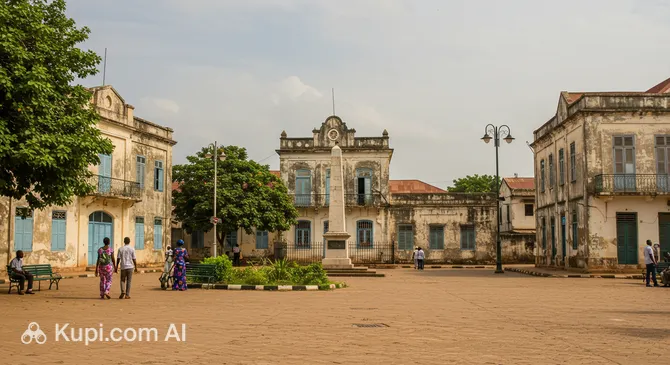
The economic heart of the country and its de facto capital is Cotonou, a bustling port city known for its huge Dantokpa Market. The official capital is Porto-Novo, which offers a calmer atmosphere and interesting architectural monuments from the colonial era. One should not miss the unique village of Ganvie, built entirely on stilts on Lake Nokoué and often called the "Venice of Africa."
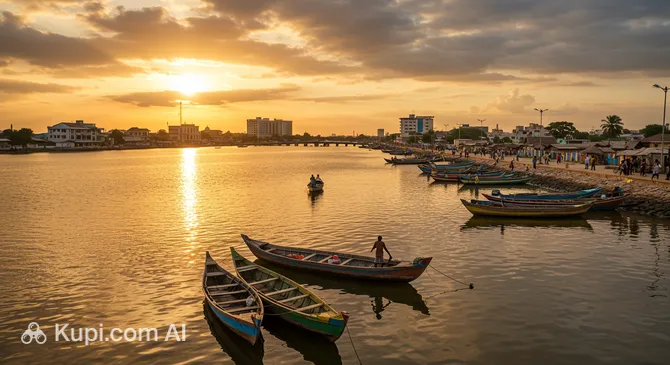
Illustration.
Source: Kupi.com AI

In addition to cultural treasures, Benin attracts with its diverse nature: from the sandy beaches of the Atlantic Ocean in the south to the savannas and hilly landscapes in the north, where national parks with rich fauna are located. The climate here is tropical, hot and humid, especially in the coastal zone. Benin leaves the impression of a bright, authentic country, where every corner is imbued with the spirit of history and the hospitality of local people who are ready to share their unique culture.

Currency

The official currency of Benin is the West African CFA franc (international code: XOF). This currency is used not only in Benin but also in seven other countries of the West African Economic and Monetary Union (UEMOA). CFA franc banknotes and coins come in various denominations and designs, often reflecting the cultural and natural motifs of the region. They are issued by the Central Bank of West African States (BCEAO).

It is recommended to exchange foreign currency for CFA francs at official banks or licensed exchange offices (bureaux de change), which can be found in major cities like Cotonou and at the airport. Try to avoid exchanging money with street money changers, as this carries the risk of receiving counterfeit banknotes or an unfavorable rate. Major world currencies, such as the Euro and US Dollars, are usually accepted for exchange without problems. The use of credit cards in Benin is limited: they are mostly accepted in large hotels, some high-end restaurants, and large shops in the capital. For daily expenses, especially outside major cities and in markets, it is necessary to carry a sufficient amount of cash.

Visa Requirements

To visit Benin, most foreign citizens, including citizens of EU countries, the USA, and CIS countries, generally require a visa. A tourist visa can usually be obtained online through the official Benin e-visa portal, which significantly simplifies the process. Before your trip, ensure that your passport is valid for at least six months from the intended date of entry into the country.

In addition to a visa and a valid passport, you may also be asked for return tickets, proof of hotel booking, and medical insurance when crossing the border. Since visa rules and requirements can change, it is strongly recommended to check the latest information on the official website of the Ministry of Foreign Affairs of Benin, or at the Benin embassy or consulate in your country of residence before planning your trip.

We'll let you know if you need a visa

Enter your destination or
Your nationality
Destination

Timezones

When planning a trip to Benin, you won't have to worry about time zone changes within the country. The entire territory of Benin operates on a single time zone — West Africa Time (WAT), which corresponds to GMT+1. This means the time is the same in all cities and regions of the country, including the capital Cotonou.

Thanks to this, your internal movements within Benin will be as comfortable as possible, without the need to reset your watch or consider time differences when planning meetings and visiting attractions.

Getting There

When planning a trip to Benin, most tourists choose air travel. The main international air hub of the country is Cotonou Airport (IATA: COO), located near the economic capital, Cotonou. Regular flights operate from several European cities, such as Paris and Brussels, as well as from major African transport hubs. Direct flights may be limited, so travelers often use convenient connecting flights.

For those traveling within the West African region, there is an option to reach Benin by land. The country has land borders with Togo to the west, Nigeria to the east, and Burkina Faso and Niger to the north. International bus routes and taxi services connect Benin with neighboring states; however, it is worth checking the current schedule and road conditions in advance. Sea transport, such as ferries or cruise ships, is not a common way of arrival for most international tourists, as the port of Cotonou is mainly focused on freight.

Regardless of the chosen method of travel, it is recommended to book tickets in advance, especially if your trip falls during the peak tourist season. This will not only help you save money but also ensure the availability of seats for the dates you need.

AirportCityIATA
Cotonou AirportCotonouCOO

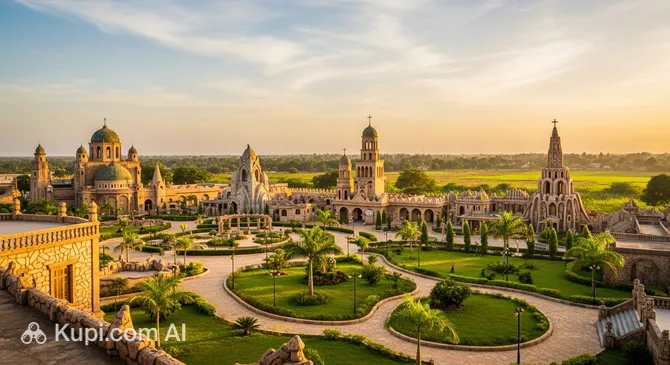
Benin offers travelers a kaleidoscope of experiences, from bustling urban centers to unique cultural enclaves and scenic resort areas. The country is rich in history and natural beauty, reflected in its diverse cities and settlements. One of the key centers is Cotonou, the largest city and economic capital, pulsing with life, offering modern amenities and access to the Atlantic coast. It is the gateway to the country for many tourists, from where it is convenient to start exploring Benin.

Illustration.
Source: Kupi.com AI

Equally interesting is Porto-Novo, the official capital, which preserves its colonial heritage and offers immersion in the administrative and cultural life of the country. For those interested in history, a visit to Ouidah is a must—a city with deep historical roots, known for its role in the transatlantic slave trade and serving as an important center of the Voodoo religion. And if you are looking for something completely unique, head to Ganvie—an amazing village on stilts, often called the "Venice of Africa," where all life takes place on the water.

Fans of the history of ancient African kingdoms should visit Abomey, the former capital of the powerful Kingdom of Dahomey, where the Royal Palaces, listed as a UNESCO World Heritage site, have been preserved. Each of these cities, as well as other popular destinations like the lively Parakou or the picturesque Dassa-Zoumé, offers its own unique perspective on the rich culture, history, and natural beauty of Benin, making a trip through the country rewarding and memorable.

Top Attractions

Benin, a country with a rich history and culture, offers travelers unique experiences. Here you can find both vibrant urban centers and places that preserve the memory of the past. Here are several key attractions worth including in your itinerary.

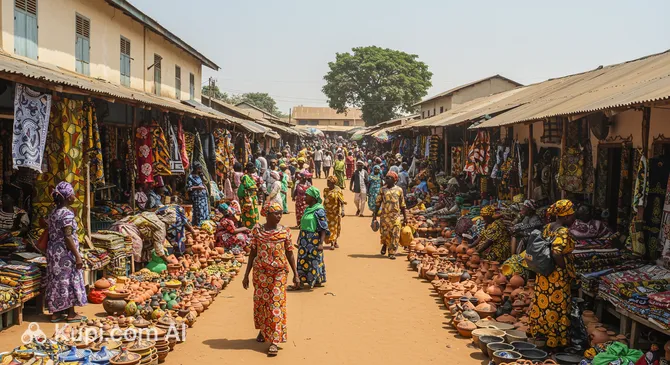
One of the most colorful places in Benin is certainly the Dantokpa Market in Cotonou. It is one of the largest open-air markets in West Africa, where you can find absolutely everything: from fresh food and colorful fabrics to traditional crafts and Voodoo cult items. Immersing yourself in the atmosphere of this market is a real adventure and a chance to feel the pulse of local life.

Illustration.
Source: Kupi.com AI

Traveller photos:

For those interested in history and architecture, the Red Star Square in Cotonou is a must-see. This is an iconic site with a monumental composition in the center, reflecting a certain period in the country's history. The square often becomes a venue for various events and is an important point on the city map.

Illustration.
Source: Kupi.com AI

Traveller photos:

Another place associated with historical memory is Place du Souvenir (formerly Martyrs' Square). Also located in Cotonou, it serves as a reminder of important events in Benin's history and is a place where you can honor the memory of the fallen. It is a quiet and significant space for reflection.

If you are traveling with family or just want to relax in nature, visit Parc Terre Sainte de Calavi. This amusement park offers various attractions and green areas for relaxation, where you can have a pleasant time and enjoy a calmer atmosphere.

Illustration.
Source: Kupi.com AI

Traveller photos:

Best Time to Visit

The best time to visit Benin is the dry season, which usually lasts from November to February. During this period, the weather is most comfortable for travel: sunny, with less rain and moderate humidity, especially in the south. This is an ideal time to explore cultural attractions and visit national parks, such as Pendjari, where it is easier to spot wildlife. However, keep in mind that this is also the high season, so there may be more tourists, and prices for accommodation and services might be slightly higher.

Low season in Benin falls during the rainy periods. In the south, there are two: the main one from April to July and a short one from September to October. In the northern regions, there is one long rainy season from May to September. Although rains can make traveling on some roads difficult and the weather more humid and hot, this time has its advantages: nature comes alive with a riot of greenery, there are significantly fewer tourists, and prices can be more attractive. However, some tourist sites or roads may be temporarily inaccessible, especially in remote areas.

Of particular interest to travelers is the annual Voodoo Festival (Fête du Vodoun), which takes place on January 10th, most vividly in the city of Ouidah. If you are planning a trip around this date, it is recommended to book accommodation and transport in advance. Overall, for most activities and a comfortable exploration of the country, it is recommended to choose the dry season. Before traveling to the northern regions, especially in the transitional months, it is worth checking weather conditions, as the climate there differs somewhat from the coastal part of Benin.

Traditions

The culture of Benin is rich and multifaceted, and showing respect for local customs will make your trip more enjoyable. Greetings play an important role here: it is customary to shake hands (usually with the right hand) and ask about the person's well-being, while greeting elders first. Beninese people are famous for their hospitality; if you are invited into a home, refusing a treat may be perceived as impolite. A small gift for the hosts, such as fruit or sweets, would be a nice gesture, although it is not mandatory. Always try to ask for permission before taking photos of people, and avoid excessively loud behavior or public criticism—this can be perceived negatively.

In everyday life, especially outside major tourist areas and when visiting religious sites (churches, mosques, or traditional Voodoo shrines), it is recommended to wear modest clothing in Benin that covers the shoulders and knees. At the table, especially if you eat traditional dishes with your hands, as is often the custom, use only your right hand, as the left is considered unclean in many local cultures. Among the important cultural events, National Voodoo Day (January 10) stands out—a unique and colorful holiday demonstrating the country's deep traditional beliefs—as well as Independence Day (August 1), celebrated throughout the country. Understanding and respecting these traditions will help you immerse yourself more deeply in the authentic atmosphere of Benin and establish warm relationships with its residents.

Entertainment

Benin, a country with a rich cultural heritage and picturesque nature, offers travelers a variety of entertainment. Here you can find activities for every taste, from outdoor recreation to immersion in unique local traditions and urban life.

For lovers of active recreation, Benin opens up opportunities for exploring national parks where you can observe wildlife or enjoy the beauty of the Atlantic coast. The cultural program in the country is no less rich: guests can visit historical museums, get acquainted with traditional art, music, and dances, which are an integral part of Beninese identity. Local festivals and ceremonies are of particular interest, allowing a deeper understanding of unique traditions, including the rich heritage of Voodoo. In cities such as Porto-Novo or Abomey, you can find many historical monuments and learn more about the country's past.

Evening entertainment and shopping are mainly concentrated in major cities, especially in Cotonou. Here you will find a variety of restaurants offering both local and international cuisine, as well as bars where you can relax after a busy day. For those looking for authentic souvenirs, Benin is a real paradise. Local markets, such as the famous Dantokpa Market in Cotonou, abound with handmade products: bronze figurines, carved wooden masks, bright fabrics, and original jewelry. Although there are no large theme parks in Benin, families with children can enjoy educational excursions, getting to know nature, and participating in cultural events, which will make the trip unforgettable.

Currency rates

Planning a trip? Wonderful! To make sure the financial side of your journey holds no surprises, it's worth remembering that exchange rates are constantly changing. That's why we strongly recommend keeping an eye on current rates both before departure and throughout your trip. To help with that, you can use the data provided below — we monitor exchange rates 24/7 and strive to provide the most up-to-date information.

XOF exchange rate for 13/08/2026

1 AED
~ 154.08 XOF
1 AMD
~ 1.55 XOF
1 AUD
~ 399.84 XOF
1 AZN
~ 332.78 XOF
1 BYN
~ 190.15 XOF
1 CAD
~ 406.17 XOF
1 EUR
~ 652.74 XOF
1 GBP
~ 763.94 XOF
1 HUF
~ 1.79 XOF
1 INR
~ 5.93 XOF
1 KGS
~ 6.47 XOF
2.50 KRW
~ 1 XOF
1 KZT
~ 1.21 XOF
1 PLN
~ 151.65 XOF
1 RUB
~ 6.84 XOF
1 SAR
~ 150.85 XOF
1 SGD
~ 442.09 XOF
1 TRY
~ 11.85 XOF
1 UAH
~ 12.64 XOF
1 USD
~ 565.61 XOF
21.07 UZS
~ 1 XOF

Reached the bottom of the page?

Looks like you know this route inside out

We use cookies and services to collect user information. This is essential for the functioning of the site and for marketing purposes. You can find out more in .