Tanzania

About

Tanzania is a true gem of East Africa, a country that captures the imagination with its scale, natural diversity, and cultural richness. It beckons travelers with the promise of unforgettable safaris across endless savannas, the chance to conquer the legendary peak of Kilimanjaro, and relaxation on the idyllic beaches of Zanzibar. The country's largest city and economic center, Dar es Salaam, often serves as the starting point for exploring this amazing corner of the planet.
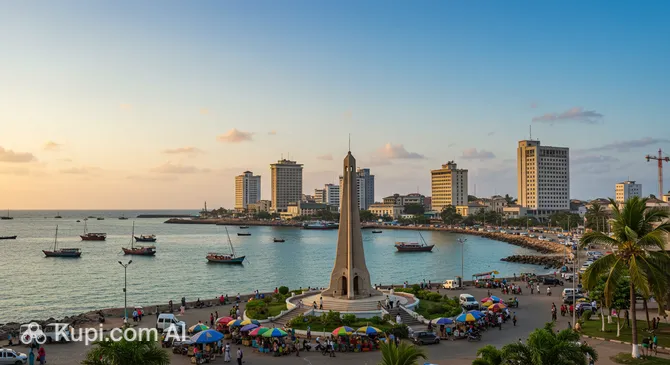
Illustration.
Source: Kupi.com AI

Tanzania's nature is its main treasure. Here lies the famous Serengeti National Park, home to the "Big Five" and the stage for the Great Wildebeest Migration. The unique ecosystem of the Ngorongoro Crater, a UNESCO World Heritage site, is a true lost world. The country's landscapes are incredibly diverse: from snow-capped peaks and volcanic lakes to dense tropical forests and the coral reefs of the Indian Ocean. The climate here is predominantly tropical, with distinct dry and rainy seasons, allowing you to plan your trip based on your preferences.

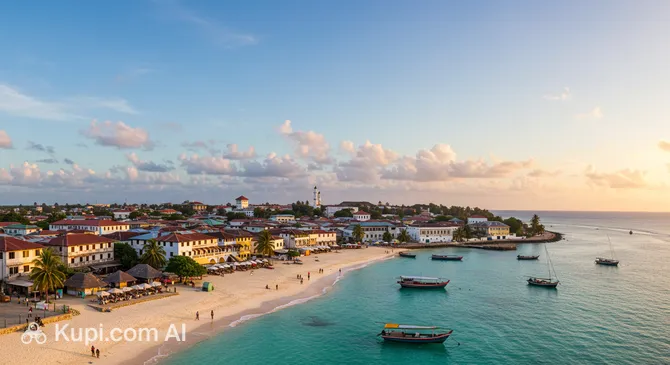
Tanzania's cultural heritage is no less impressive. The country is home to more than 120 ethnic groups, each contributing to the vibrant mosaic of local traditions, music, and art. A special place is held by Zanzibar City, also known as Stone Town, with its narrow streets, ancient stone houses, and rich history associated with the spice trade and seafaring. The overall atmosphere in Tanzania is permeated with the spirit of "Hakuna Matata" – hospitality, friendliness, and a relaxed attitude toward life prevail here, making the journey particularly pleasant.

Currency

The national currency of Tanzania is the Tanzanian Shilling (international code TZS). Banknotes are decorated with images of wild animals, symbolizing the country's rich fauna, as well as portraits of significant historical figures. Coins also come in various denominations and are used for small transactions. It is recommended to exchange foreign currency for Tanzanian shillings at official banks or licensed exchange offices, which can be found at airports, cities, and tourist centers. Avoid exchanging money with street changers, as this may involve the risk of fraud or unfavorable rates.

Credit cards (mainly Visa and Mastercard) are accepted in large hotels, some restaurants, and souvenir shops in tourist areas and big cities like Dar es Salaam. However, for everyday expenses, shopping at local markets, paying for safaris with small operators, or traveling in remote areas, it is preferable to have an adequate amount of cash. ATMs are available in cities, but it is better to withdraw money in advance, especially before trips to national parks or rural areas.

Visa Requirements

To enter Tanzania, most foreign nationals, including travelers from EU countries, the USA, and many CIS countries, generally require a visa. A tourist visa can most often be obtained in several ways: in advance online via Tanzania's official immigration portal, on arrival at the country's major international airports such as Dar es Salaam, Kilimanjaro, or Zanzibar, or in some cases through a Tanzanian embassy or consulate in your country of residence. It is recommended to clarify which method is available and preferred for citizens of your country.

Regardless of the method of obtaining the visa, you will definitely need a valid passport, which typically must be valid for at least six months from the date of intended entry into Tanzania. Return tickets or tickets to a third country, proof of hotel reservation, and medical insurance may also be required. Since visa rules and requirements can change, it is strongly recommended to check the most up-to-date information on the official website of the Tanzania Immigration Services or contact a Tanzanian embassy/consulate before your trip.

We'll let you know if you need a visa

Enter your destination or
Your nationality
Destination

Timezones

When planning your trip to Tanzania, you won't have to worry about time zone changes within the country. The entire territory of Tanzania operates in a single time zone – East Africa Time (EAT), which corresponds to GMT+3. This means the time is the same on both the mainland and the islands, including the popular Zanzibar.

Therefore, you won't need to adjust your watch when moving between different regions or cities, such as Dar es Salaam or Arusha, or when visiting national parks. This simplifies the planning of excursions, safaris, and domestic transfers.

Getting There

There are several ways to reach Tanzania, the jewel of East Africa, but the most popular and convenient is by air. The country has several international airports, the main one being Julius Nyerere International Airport in Dar es Salaam, which serves as the primary hub for most international flights. Other significant air gateways are Kilimanjaro and Zanzibar airports, which receive flights from Europe, the Middle East, and other African countries. Direct flights or convenient connections are available from many major cities worldwide.

For those who prefer land travel or combined routes, it is possible to enter Tanzania from neighboring countries such as Kenya, Uganda, Rwanda, Burundi, Zambia, Malawi, and Mozambique by bus or private vehicle. International bus routes connect major Tanzanian cities with cities in these countries. Sea travel also plays a role, especially for trips to Zanzibar, with regular ferries running from mainland Tanzania, particularly from Dar es Salaam. Some cruise ships may also include Tanzanian ports in their Indian Ocean itineraries.

Regardless of the chosen method, it is recommended to plan your trip and book tickets in advance, especially if your journey falls during the peak tourist season (usually from June to October and from December to March). This will not only help you save money but also ensure availability, as popular destinations and flights can sell out quickly. Also, remember to check the visa requirements for citizens of your country in advance.

AirportCityIATA
Julius Nyerere International AirportDar es SalaamDAR
Zanzibar International AirportZanzibar CityZNZ
Kilimanjaro International AirportKilimanjaroJRO
Mwanza AirportMwanzaMWZ
Arusha AirportArushaARK

Tanzania offers travelers an amazing variety of destinations – from bustling urban centers to serene island resorts and gateways to the world of wildlife. This country can satisfy the needs of diverse tourists seeking both cultural enrichment and unforgettable adventures.

One of Tanzania's main gems is undoubtedly Zanzibar City, the capital of the namesake archipelago. Its historical center, Stone Town, a UNESCO World Heritage site, fascinates with its labyrinth of narrow streets, ancient buildings with carved doors, and a blend of Arabic, Indian, African, and European cultures. In addition to its rich history, Zanzibar is famous for its idyllic beaches with white sand and the turquoise waters of the Indian Ocean. The country's largest city and former capital, Dar es Salaam, is a dynamic metropolis and the economic and transport hub of Tanzania, where you can experience modern urban life, visit colorful markets, and stroll along the waterfront.

Illustration.
Source: Kupi.com AI

For those dreaming of a safari to see the famous "Big Five," the key starting points are cities in the north of the country. Arusha, located at the foot of Mount Meru, serves as the gateway to many national parks, including the Serengeti and Tarangire. From here, it is also convenient to reach a unique natural site – the Ngorongoro Crater, a massive caldera with an incredible concentration of wildlife. Meanwhile, the town of Moshi is known worldwide as the base for climbing Africa's highest point – the majestic Mount Kilimanjaro.

Top Attractions

Tanzania is a country that captures the imagination not only with its natural parks and safaris but also with its rich cultural heritage, which is reflected in its numerous attractions. Unique historical monuments, lively markets, and places where you can experience local traditions await travelers.

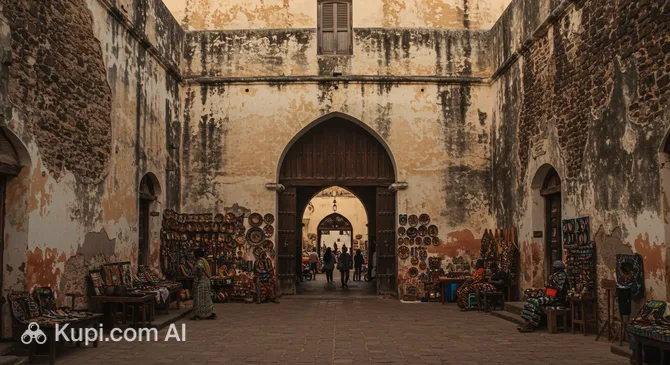
One of the iconic historical buildings is the Old Fort in Zanzibar. This is the oldest building in the city, erected at the end of the 17th century by Omani Arabs to protect against the Portuguese. Today, its massive walls hold the island's history, and cultural events and festivals are often held inside; it also houses an amphitheater and souvenir shops.

Illustration.
Source: Kupi.com AI

Traveller photos:

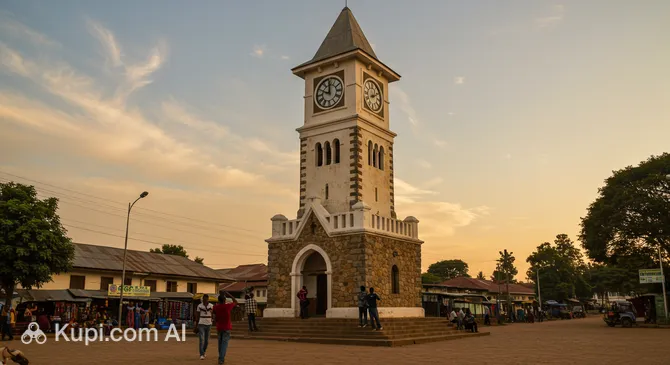
In the city of Arusha, the Arusha Clock Tower attracts attention. This monument, located in the very center of the city, is considered the symbolic midpoint between Cairo and Cape Town. The tower is a popular meeting spot and landmark for both locals and tourists heading on safaris to the northern national parks.

Illustration.
Source: Kupi.com AI

Traveller photos:

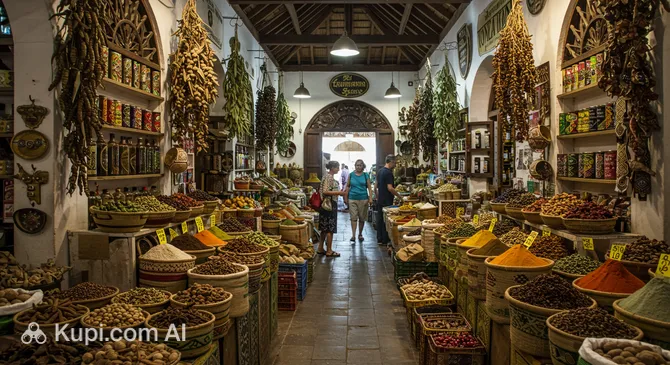
For those who want to immerse themselves in a world of aromas and exoticism, the Zanzibar Public Spice Shop is a must-visit. Here, you can not only see how famous Zanzibar spices – cloves, nutmeg, cinnamon, vanilla, cardamom – are grown but also purchase them and learn many interesting facts about their use in cooking and medicine.

Illustration.
Source: Kupi.com AI

Traveller photos:

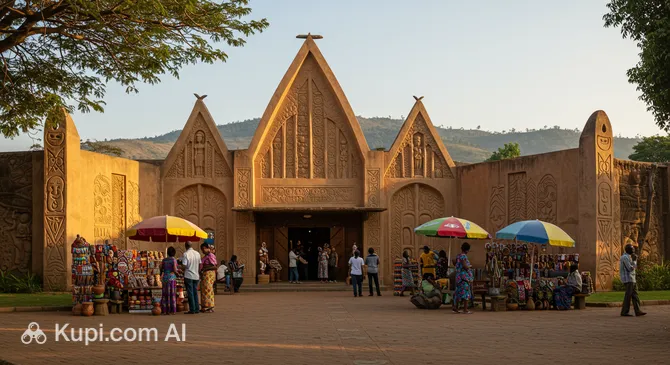
You can get acquainted with the arts and crafts of Tanzania at the Cultural Heritage Centre in Arusha. This is a large complex showcasing handmade items from all over Africa: masks, sculptures, paintings, jewelry, and textiles. The center also includes an art gallery, a museum, and souvenir shops.

Illustration.
Source: Kupi.com AI

Traveller photos:

Best Time to Visit

Tanzania offers a wide range of experiences year-round, but the high season for most activities, including safaris and climbing Kilimanjaro, usually falls during two dry periods: from June to October and from January to February. During this time, the weather is most favorable: sunny and dry with comfortable temperatures. The period from June to October is considered the best for observing the Great Wildebeest Migration in Serengeti National Park, especially the spectacular river crossings. The benefits of this time are excellent visibility of animals gathered near water sources and clear skies. However, be prepared for more tourists and, consequently, higher prices for accommodation and tours.

The low season, or rainy season, is divided into the "long rains" (from March to May) and the "short rains" (November-December). In March-May, rainfall can be heavy and prolonged, sometimes making travel difficult and rendering some lodges inaccessible. The November and December rains are usually shorter and refresh the landscape, turning the savanna into an emerald carpet. The advantages of the off-season include significantly fewer tourists, lower prices, and lush green vegetation, ideal for photographers and birdwatchers (as migratory species arrive). Late January and February, although part of the dry period, are notable for the wildebeest calving season in the southern Serengeti. Some travelers also plan trips around cultural events, such as the Sauti za Busara music festival in Zanzibar in February. When planning a trip to Tanzania, especially if you are interested in specific regions like the coastline with Zanzibar, northern parks like Ngorongoro, or the starting point for climbing Kilimanjaro – the town of Moshi, it is recommended to check the weather conditions for your chosen time, as the climate can vary slightly.

Traditions

Tanzania is a country with a rich and multifaceted culture, and showing respect for local customs will make your trip significantly more pleasant and profound. Greetings play an important role in communication. Locals greatly appreciate it when tourists try to speak Swahili, so learn a couple of phrases, such as "Jambo!" (Hello!) or "Habari?" (How are you?). A handshake is a common form of greeting, often with the right hand, while the left hand may hold the right elbow as a sign of special respect, especially when interacting with elders. Try to avoid pointing at people or objects with your index finger; instead, use an open palm or a nod of the head.

Hospitality in Tanzania is a way of life. If you are invited into a home, it is a great honor. A small gift for the hosts or their children (such as fruit, sweets, or school supplies for the kids) will be very appropriate, although it is not a strict requirement. Regarding clothing, outside of tourist resorts, especially in rural areas and when visiting religious sites (mosques and churches), it is recommended to dress modestly. This means that shoulders and knees should be covered for both men and women. During meals, especially if you are eating with your hands in a traditional setting, use your right hand, as the left is often considered unclean. It is also important to always ask permission before taking photos of people – it is a simple gesture of courtesy.

To avoid awkward situations, remember that public displays of affection between men and women are not common and may cause disapproval. Loud talking or aggressive behavior is also considered impolite. Tanzanians value patience and calm; it is no coincidence that one of the most famous Swahili expressions is "pole-pole", which means "slowly-slowly" or "no hurry". Among the national holidays that help understand the country's spirit are Union Day (April 26), the anniversary of the union of Tanganyika and Zanzibar, and Independence Day (December 9). Understanding and respecting these simple rules will help you build warm relationships with the locals and get the most out of your stay in this amazing country.

Entertainment

Tanzania offers an incredible variety of entertainment, especially for fans of active recreation and nature. The main draw is undoubtedly safaris in world-famous national parks such as the Serengeti or the Ngorongoro Crater, where you can see the "Big Five" in their natural habitat. For adventure seekers, climbing the legendary Mount Kilimanjaro, located near the town of Moshi, is available. The Indian Ocean coast and islands, especially Zanzibar, beckon with opportunities for diving, snorkeling, and other water sports.

The cultural program in Tanzania is equally rich. You can immerse yourself in history by exploring ancient ruins, such as the Old Fort in Zanzibar City, or visit the Cultural Heritage Centre in Arusha to learn about the arts and crafts of local tribes. Shopping here is a hunt for authentic souvenirs: from vibrant Tingatinga-style paintings and carved wooden items to aromatic spices, which can be found at the Zanzibar Public Spice Shop, and the unique gemstone Tanzanite. In large cities like Dar es Salaam, there are also modern shopping malls, such as Mlimani City.

As evening falls, life in major cities like Dar es Salaam, Arusha, or Zanzibar City comes alive with numerous restaurants offering both local and international cuisine, and bars where you can relax after a busy day. For example, you can visit Samaki Samaki in the capital or The Cask Bar & Grill in Mwanza. For family vacations, Tanzania offers safe and exciting safaris that will interest both adults and children, as well as relaxation on the beautiful beaches of Zanzibar. Although there are few specialized theme parks here, the country's nature and wildlife themselves are the best entertainment for the whole family.

Currency rates

Planning a trip? Wonderful! To make sure the financial side of your journey holds no surprises, it's worth remembering that exchange rates are constantly changing. That's why we strongly recommend keeping an eye on current rates both before departure and throughout your trip. To help with that, you can use the data provided below — we monitor exchange rates 24/7 and strive to provide the most up-to-date information.

TZS exchange rate for 13/08/2026

1 AED
~ 717.88 TZS
1 AMD
~ 7.21 TZS
1 AUD
~ 1862.20 TZS
1 AZN
~ 1552.80 TZS
1 BYN
~ 885.74 TZS
1 CAD
~ 1890.36 TZS
1 EUR
~ 3039.51 TZS
1 GBP
~ 3571.43 TZS
1 HUF
~ 8.34 TZS
1 INR
~ 27.65 TZS
1 KGS
~ 30.16 TZS
1 KRW
~ 1.86 TZS
1 KZT
~ 5.66 TZS
1 PLN
~ 706.71 TZS
1 RUB
~ 31.87 TZS
1 SAR
~ 703.23 TZS
1 SGD
~ 2061.86 TZS
1 TRY
~ 55.22 TZS
1 UAH
~ 58.90 TZS
1 USD
~ 2638.52 TZS
4.52 UZS
~ 1 TZS

Reached the bottom of the page?

Looks like you know this route inside out

We use cookies and services to collect user information. This is essential for the functioning of the site and for marketing purposes. You can find out more in .