South Africa

About

South Africa, stretching across the southern tip of the African continent, is a land of stunning contrasts and incredible diversity. From vast savannas to the majestic Drakensberg Mountains, from the Kalahari Desert to two ocean coastlines—the Atlantic and the Indian—South Africa offers a kaleidoscope of landscapes. The country is often called the "Rainbow Nation" due to its unique blend of cultures, languages, and traditions, creating a one-of-a-kind and welcoming atmosphere.

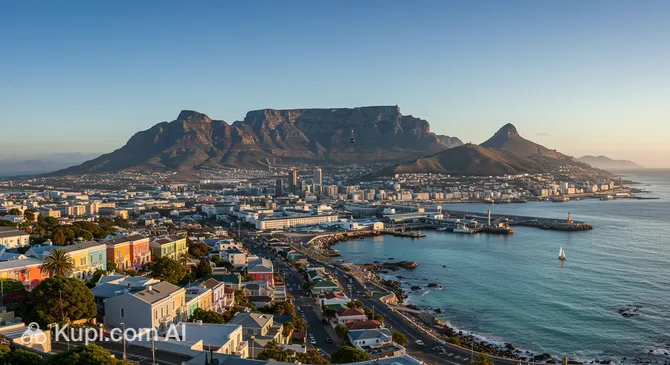
South Africa's natural wonders attract travelers from all over the world. Famous national parks, such as Kruger, provide the chance to see the "Big Five" in their natural habitat. Picturesque Cape Town, at the foot of the famous Table Mountain, charms with its beauty and offers a wealth of activities, from surfing to exploring wine regions. The beaches of Durban beckon with the warm Indian Ocean, while history and culture enthusiasts will find plenty of interest in cities like Johannesburg, the country's economic hub.
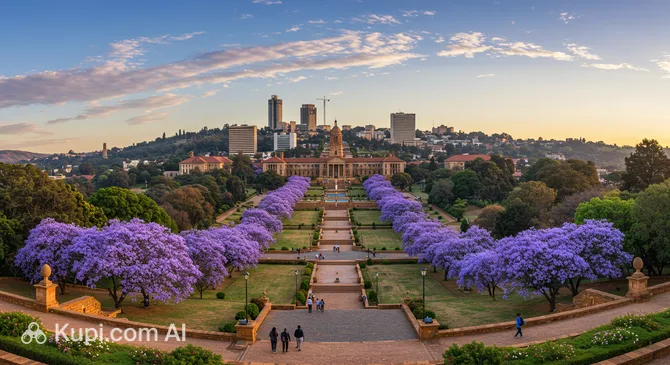
Illustration.
Source: Kupi.com AI

The administrative capital, Pretoria, is known for its jacaranda-lined streets, which are covered in a purple carpet of blossoms in spring. The city is rich in historical monuments, notably the majestic Voortrekker Monument. South Africa is not just a travel destination; it is an entire world full of discoveries, vivid impressions, and warm African hospitality waiting for you to explore.

Currency

The national currency of South Africa is the South African Rand (international code ZAR). Rand banknotes feature a colorful design: they often display a portrait of Nelson Mandela, as well as images of the famous "Big Five" African animals—lion, leopard, elephant, rhino, and buffalo. This makes the local money not just a means of payment, but also an interesting souvenir.

It is recommended to exchange foreign currency for Rands at official exchange offices, banks, or at the airport upon arrival. Try to avoid using street money changers to prevent encountering fraud. Credit cards, especially Visa and Mastercard, are widely accepted in most hotels, restaurants, and large stores, particularly in cities and tourist centers. However, for small purchases, tipping, or when visiting markets and more remote areas, it is always useful to have some cash on hand.

Visa Requirements

When planning a trip to South Africa, it is important to familiarize yourself with the visa requirements in advance. For citizens of many countries, including most European Union states, the USA, and several others, a visa is usually not required for short-term tourist visits. However, citizens of some countries, including certain CIS countries, must obtain a visa before entering South Africa.

If a visa is required, it is typically a tourist visa that should be obtained in advance at a South African embassy or consulate in your country of residence. Regardless of the visa regime, you will need a valid passport for entry (usually with a validity of at least 30 days after the intended departure date from South Africa and containing at least two blank pages for stamps), and you may be asked for return tickets, proof of accommodation, and travel insurance. As visa rules and document requirements can change, it is highly recommended to check the most current information on the official website of the South African Department of Home Affairs or at the nearest South African diplomatic mission before your trip.

We'll let you know if you need a visa

Enter your destination or
Your nationality
Destination

Timezones

When planning a trip to South Africa, you won't have to worry about changing time zones within the country. A single time zone applies throughout the territory of the Republic of South Africa.

The standard time zone for South Africa is SAST (South African Standard Time), which corresponds to UTC+2. This means that the time here is two hours ahead of Coordinated Universal Time (UTC) and does not change throughout the year, as the country does not observe daylight saving time.

Getting There

Reaching South Africa, located at the southern tip of the African continent, can be done in several ways, but air travel is the most popular and convenient method for most tourists. The country has a developed network of international airports, including O.R. Tambo International Airport in Johannesburg, which often serves as the main hub, as well as major airports in Cape Town and Durban. Regular direct flights and convenient connections link South Africa with major cities in Europe, the Middle East, Asia, as well as points in North and South America and, of course, other African nations.

Although South Africa has extensive land borders with countries such as Namibia, Botswana, Zimbabwe, Mozambique, Eswatini, and Lesotho, international rail service for tourists is less developed compared to bus travel. Some companies offer bus routes connecting South Africa with neighboring states. The sea route to South Africa is mainly represented by cruise ships, which often include ports like Cape Town or Durban in their itineraries. However, this is more of a tourist journey than a regular way to arrive in the country. Regardless of your chosen travel method, it is highly recommended to book tickets in advance, especially if your trip is planned for the peak tourist season, which usually runs from December to February, as well as during school holidays.

AirportCityIATA
O.R. Tambo International AirportJohannesburgJNB
Cape Town International AirportCape TownCPT
King Shaka International AirportDurbanDUR
Lanseria International AirportJohannesburgHLA
Port Elizabeth International AirportGqeberhaPLZ

South Africa is a country where every turn reveals new horizons: from bustling metropolises to secluded beaches and breathtaking nature reserves. Travelers can expect large cities rich in history and culture as well as famous resorts offering something for every taste. Among the most popular destinations is cosmopolitan Cape Town, nestled at the foot of majestic Table Mountain and famous for its wineries.

Illustration.
Source: Kupi.com AI

Equally attractive is Johannesburg, the country's largest city, which buzzes with energy, offering guests historical museums and vibrant cultural centers. Sun and ocean lovers will appreciate Durban with its golden beaches and the warm waters of the Indian Ocean. The administrative capital, Pretoria, charms with its parks—especially beautiful during the jacaranda bloom—and historical architecture. And for those dreaming of an unforgettable safari and meeting the "Big Five," Skukuza, the main camp of the world-famous Kruger National Park, is the perfect choice.

Top Attractions

South Africa is a country of amazing contrasts, offering travelers an incredible variety of experiences. From thrilling safaris to modern urban centers and historical monuments—there is something here for everyone. Let's look at some of the most striking attractions of this wonderful country.

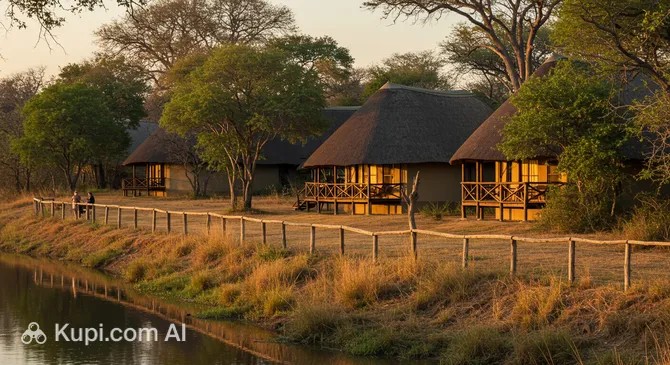
For lovers of wildlife and unforgettable adventures, Skukuza Rest Camp is a must-visit. Located in the heart of the famous Kruger National Park, this camp is one of the main bases for exploring the African savanna. Here, you can go on a safari to see the "Big Five" and many other animals in their natural habitat, and enjoy the unique atmosphere of the bush.

Illustration.
Source: Kupi.com AI

Traveller photos:

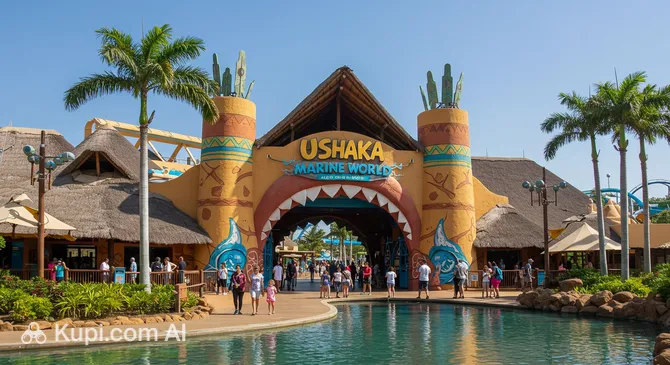
If you are traveling with family or simply love the marine world, uShaka Marine World in Durban will be a real discovery. This massive theme park combines an aquarium with sharks and dolphins, a water park with dizzying slides, and numerous restaurants and shops. It's a place where you can spend an entire day having fun while immersing yourself in a world of marine adventure.

Illustration.
Source: Kupi.com AI

Traveller photos:

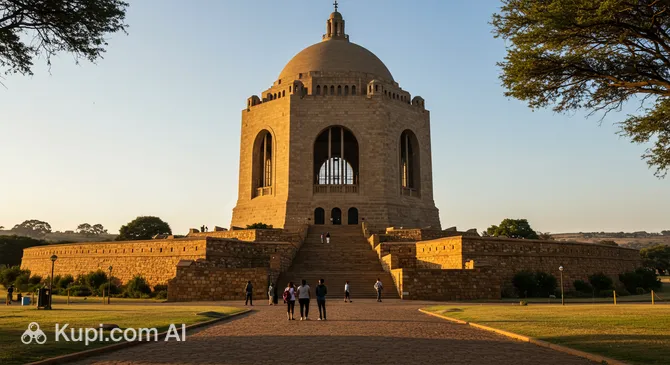
For those interested in the country's history and culture, a landmark site is the Voortrekker Monument in Pretoria. This impressive granite monument is dedicated to the Great Trek—the migration of Boer pioneers into the interior of the continent. The observation deck offers a panoramic view of the city, and inside the monument, you can learn much about the history of South Africa.

Illustration.
Source: Kupi.com AI

Traveller photos:

A modern symbol of the country and a popular spot for shopping and relaxation is Nelson Mandela Square in Sandton. The center of the square features a six-meter bronze statue of Nelson Mandela. The square is surrounded by numerous shops, restaurants, and cafes, making it a bustling center of city life and a great place for a stroll.

Illustration.
Source: Kupi.com AI

Traveller photos:

Best Time to Visit

South Africa is a country with a remarkably diverse climate, so choosing the best time to visit largely depends on your plans and preferences. High season traditionally covers the summer months, from December to February. During this period, most of the country—especially the sunny coasts of Cape Town and Durban—enjoys warm and clear weather, ideal for beach holidays and various outdoor activities. However, keep in mind that this is also school holiday time and the peak of tourist flow, which can affect prices and the crowding of popular spots. Another popular period, especially for safari lovers, falls during the winter months—June to August. At this time, national park regions like the famous Kruger (for example, in the Skukuza area) experience dry and cool weather, vegetation becomes less dense, and animals are much easier to spot at watering holes.

The shoulder seasons, encompassing spring (September–November) and autumn (March–May), are often an excellent choice for a trip to South Africa. The weather during these months is usually very comfortable, there are noticeably fewer tourists, and prices for accommodation and flights can be more attractive. Spring is a truly magical time when you can catch the famous wildflower bloom in Namaqualand and observe whale migrations along the southern coast, particularly around Hermanus. In autumn, wine regions like Stellenbosch and Franschhoek appear in all their glory, offering mild warmth and vibrant colors. However, when choosing the shoulder season, be prepared for some possible downsides: the weather can be more changeable and unpredictable compared to peak seasons, and some tourist sites or establishments, especially in small resort towns, may operate on reduced hours or be temporarily closed. Given the country's significant size, the climate in different parts can vary greatly: from Mediterranean in Cape Town to subtropical in Durban and more continental in Johannesburg and Pretoria. Therefore, it is always recommended to check the current weather forecast for the specific regions you plan to visit before your trip.

Traditions

The incredible cultural diversity of South Africa is vividly reflected in the everyday communication and traditions of the local residents. When meeting people, a friendly handshake and maintaining eye contact are standard, considered signs of openness. Hospitality is a vital part of the culture here; being invited to a home, especially for the famous "braai" (South African barbecue), is a great honor. In such cases, it is appropriate to bring a small gift for the hosts, such as a bottle of wine or a dessert. South Africans are generally very sociable and friendly; however, it is important to remember the country's rich ethnic composition and show respect for various customs, avoiding generalizations.

There are no specific dress requirements for daily life, but when visiting religious sites—whether churches, mosques, or temples—you should choose modest clothing that covers the shoulders and knees. At the table, standard European etiquette is followed in most cases, but if you find yourself in a traditional setting, feel free to observe the locals and follow their lead. To better understand the nation's spirit, look out for important holidays like Heritage Day on September 24th, which celebrates the country's cultural diversity, and Freedom Day on April 27th, marking the first democratic elections. Be tactful in conversation, avoid categorical judgments on complex historical issues, and always ask permission before photographing local residents—this will help you leave the best impression.

Entertainment

South Africa offers an incredible variety of entertainment to satisfy any traveler's needs. For outdoor enthusiasts, the country is a true paradise: here you can go on exciting hikes along picturesque mountain trails, explore the underwater world while diving off the Indian or Atlantic coasts, catch waves on a surfboard, or enjoy a safari in numerous national parks observing the "Big Five." The possibilities for adventure are virtually limitless, from extreme sports to peaceful nature walks.

Beyond its natural beauty, South Africa's cultural life is also rich and multifaceted. In major cities such as Cape Town or Johannesburg, you will find many theaters, concert halls, art galleries, and museums showcasing the country's rich history and contemporary art. As evening falls, the nightlife comes alive: numerous bars, stylish restaurants, and lively clubs offer entertainment for every taste, from quiet evenings with live music to energetic parties until dawn, especially in centers like Durban.

For those who love bringing home souvenirs, shopping in South Africa offers plenty of interesting options—from traditional African crafts, ostrich leather goods, and diamonds to unique works of art and local delicacies like biltong or wine. World-class shopping malls and colorful street markets can be found in all tourist centers. Family travelers will not be disappointed either: the country has modern theme parks, water parks, and zoos that will provide plenty of positive emotions for both children and adults. For instance, in the vicinity of Pretoria and other large cities, there are always options for engaging family leisure.

Currency rates

Planning a trip? Wonderful! To make sure the financial side of your journey holds no surprises, it's worth remembering that exchange rates are constantly changing. That's why we strongly recommend keeping an eye on current rates both before departure and throughout your trip. To help with that, you can use the data provided below — we monitor exchange rates 24/7 and strive to provide the most up-to-date information.

ZAR exchange rate for 13/08/2026

1 AED
~ 4.38 ZAR
22.76 AMD
~ 1 ZAR
1 AUD
~ 11.36 ZAR
1 AZN
~ 9.46 ZAR
1 BYN
~ 5.40 ZAR
1 CAD
~ 11.54 ZAR
1 EUR
~ 18.55 ZAR
1 GBP
~ 21.72 ZAR
19.66 HUF
~ 1 ZAR
5.93 INR
~ 1 ZAR
5.44 KGS
~ 1 ZAR
88.10 KRW
~ 1 ZAR
28.97 KZT
~ 1 ZAR
1 PLN
~ 4.31 ZAR
5.15 RUB
~ 1 ZAR
1 SAR
~ 4.29 ZAR
1 SGD
~ 12.56 ZAR
2.97 TRY
~ 1 ZAR
2.79 UAH
~ 1 ZAR
1 USD
~ 16.08 ZAR
741.71 UZS
~ 1 ZAR

Reached the bottom of the page?

Looks like you know this route inside out

We use cookies and services to collect user information. This is essential for the functioning of the site and for marketing purposes. You can find out more in .