Gambia

Cities in the country

About

Gambia is the smallest country on mainland Africa, enchanting travelers with its unique atmosphere and natural wealth. Located along the mighty Gambia River, which gave it its name, the country is almost entirely surrounded by Senegal, with only a narrow outlet to the Atlantic Ocean. This geographical feature largely determines its character and way of life.

Gambian culture is vibrant and welcoming, and its history is closely intertwined with the river, which served as an important trade route. The country's capital, Banjul, located on an island at the mouth of the river, is the starting point for many journeys. Gambia is famous for its warm tropical climate, golden beaches, and an incredible variety of birds, making it a paradise for birdwatchers and nature lovers. A relaxed and friendly atmosphere prevails here, perfect for a leisurely holiday and getting to know local traditions.
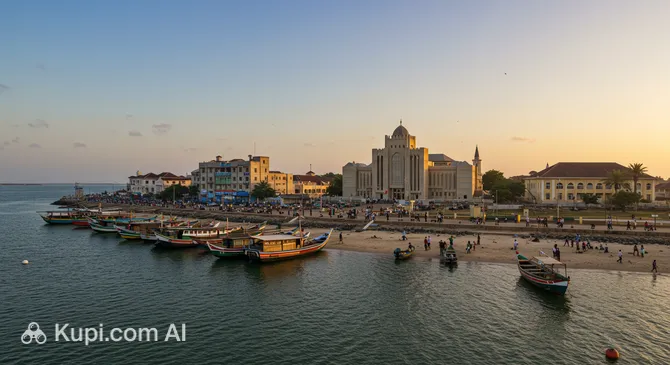
Illustration.
Source: Kupi.com AI

Beyond the coastal retreats, Gambia offers many interesting places to explore. You can take a river cruise, visit bustling markets like the one in the city of Serekunda, or encounter unique fauna, such as the sacred crocodiles at the Kachikally Crocodile Pool located in Bakau. Gambia leaves the impression of a wonderfully sunny and hospitable country where everyone will find something for themselves.

Currency

The official currency of Gambia is the Gambian dalasi (GMD). Banknotes of various denominations are in circulation, often depicting local birds, animals, or portraits of the country's prominent figures. Coins, called bututs (1 dalasi = 100 bututs), are used less frequently due to their low value. It is recommended to carry a sufficient amount of cash, as it is the primary method of payment in most places.

You can exchange foreign currency for dalasi at banks and licensed exchange offices, which are usually located in tourist areas and in the capital, Banjul. Try to avoid exchanging money with street money changers, as this can involve the risk of fraud or unfavorable rates. Credit cards are primarily accepted in major hotels, some restaurants, and supermarkets in tourist areas; however, their use is not as widespread as in other countries. Therefore, for daily expenses, market purchases, and payments in small establishments, it is best to always have cash dalasi on hand.

Visa Requirements

When planning a trip to Gambia, it is important to clarify visa requirements in advance, as they can vary depending on your citizenship. For citizens of many countries, including most EU nations, the USA, and some others, a visa for short-term tourist trips to Gambia is often not required or can be issued upon arrival. However, citizens of several other states may need to apply for a tourist visa in advance at a Gambian embassy or consulate.

Regardless of visa requirements, you will certainly need a valid passport for entry, which usually must be valid for at least six months from the date of intended departure from Gambia. It is also recommended to have return tickets, confirmation of a hotel reservation, and a medical insurance policy with you. Given that visa rules can change, we strongly advise checking the most up-to-date information on the official websites of Gambia embassies or visa centers in your country before your trip.

We'll let you know if you need a visa

Enter your destination or
Your nationality
Destination

Timezones

When planning a trip to Gambia, you won't have to worry about time zone changes within the country. The entire territory of Gambia is in a single time zone – Greenwich Mean Time (GMT) or UTC+0. This means the time is the same in all cities and regions, including the capital, Banjul.

This uniformity significantly simplifies the planning of movements and activities during your journey through this West African country. You won't need to adjust your watch when crossing regional borders, making your holiday even more comfortable.

Getting There

Reaching Gambia, a charming country in West Africa, is possible through several means, but air travel is the most common and convenient. The main gateway to the country is Banjul International Airport (BJL), also known as Yundum, located near the capital, Banjul. Regular flights connect Gambia with several European cities, particularly from the UK, the Netherlands, Belgium, and Spain, as well as with major transport hubs in West Africa. Travelers from other regions of the world will generally require a transfer at one of these European or African hubs.

For those who prefer land travel or combined routes, there is the possibility of entering Gambia from neighboring Senegal, which surrounds the country on three sides. Several border crossings are open for crossing by car, bus, or bush taxi. This can be an interesting option for exploring the region, but one should consider the road conditions and possible delays at the border. Regarding sea connections, regular international passenger ferry lines to Gambia are limited, although the port of Banjul occasionally hosts cruise ships. Inland waterways, especially the Gambia River, play an important role in the country's transport system but are not the primary method of international travel.

Regardless of the chosen method of travel, it is recommended to book tickets in advance, especially if your trip falls during the peak tourist season (usually from November to April). Also, do not forget to check the current visa requirements for citizens of your country before planning your trip to hospitable Gambia.

AirportCityIATA
Yundum International AirportBanjulBJL

Gambia, often referred to as the "Smiling Coast of Africa," attracts travelers not only with its famous beaches but also with the opportunity to immerse themselves in a unique culture and explore colorful cities and resort zones. Here, everyone will find something to their liking: from serene relaxation on the golden sands of the Atlantic Ocean to experiencing vibrant urban life and historical heritage.

Illustration.
Source: Kupi.com AI

A good place to start your journey is the capital, Banjul. This port city, located on an island, charms with colonial architecture, the bustling Albert Market, and the National Museum, where you can learn about the country's history. Right nearby, life teems in Serekunda, Gambia's largest city. It is a true melting pot of cultures, famous for its craft markets where you can buy unique handmade items and feel the authentic African flair.

For those seeking a combination of beach holidays and nature, Bakau is an ideal choice. This resort town is famous for its botanical gardens, the sacred Kachikally Crocodile Pool, and, of course, its beautiful beaches. Meanwhile, in Kanifing, an important commercial and residential center, you can dive into modern Gambian life, visit local markets, and feel the dynamic development of the country.

Top Attractions

Despite its modest size, Gambia offers travelers unique experiences and interesting places to visit. Here, you can get acquainted with amazing nature and local culture, and relax on the Atlantic coast. Among the country's iconic landmarks, several are particularly noteworthy.

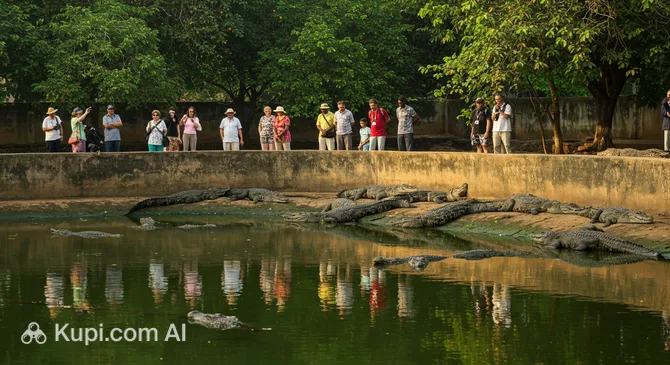
One of the most unusual and visited attractions in Gambia is the Kachikally Crocodile Pool. This is a sacred site where, according to local beliefs, the crocodiles possess healing powers. Tourists can not only observe these ancient reptiles in their natural habitat but also, with a certain amount of courage and under the supervision of guides, even touch some of them. This site allows for a deeper understanding of local traditions and beliefs.

Illustration.
Source: Kupi.com AI

Traveller photos:

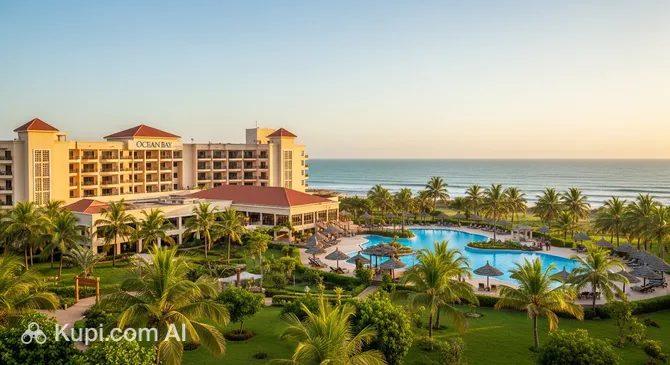
For those seeking a comfortable stay by the ocean, Ocean Bay Hotel & Spa offers luxurious conditions and high-class service. Located on a picturesque coastline, this resort hotel is a wonderful place for relaxation, enjoying the sun and water sports, as well as experiencing Gambian hospitality.

Illustration.
Source: Kupi.com AI

Traveller photos:

Best Time to Visit

When planning a trip to Gambia, it is important to consider the two main climatic seasons that determine the best time to visit. High season lasts roughly from November to May. During this time, dry and sunny weather prevails with comfortable temperatures and low humidity, making it ideal for beach holidays, excursions, and the birdwatching for which Gambia is so famous. Daytime temperatures usually hover around 30-34°C, while nights bring a pleasant coolness. Potential downsides of this period include higher accommodation prices and more tourists at popular resorts and in Banjul.

Low season, or the rainy season, falls between June and October. It is characterized by higher temperatures and humidity, as well as short but intense downpours, most often occurring in the afternoon or at night. Despite the rain, this period has its advantages: nature comes alive, everything becomes emerald green, there are significantly fewer tourists, and prices for hotels and services may be lower. However, some roads, especially in remote areas, can become difficult to traverse. For photography enthusiasts, this time can offer incredible landscapes. There are few cultural festivals tied to specific dates in Gambia, but local holidays and markets operate year-round, allowing you to immerse yourself in the country's authentic atmosphere at any time.

Traditions

Gambia is a country with rich cultural traditions where hospitality is highly valued. Greetings play an important role here: it is customary to shake hands, often for a fairly long duration, and you must use your right hand, as the left is traditionally considered unclean for passing items or food. Eye contact during conversation is also important and is perceived as a sign of respect. If you are invited to a home, a small gift, such as fruit or sweets, will be accepted with gratitude, though it is not strictly mandatory. In terms of clothing, especially outside tourist areas and when visiting religious sites, it is recommended to choose modest attire that covers shoulders and knees as a show of respect for local customs, which are predominantly Muslim.

At the table, Gambians often eat communally from one large dish, using their right hand or a shared spoon. It is polite to wait until the elders or hosts begin the meal. It is important to remember that it is best to photograph local residents only after obtaining their permission. Public displays of affection between men and women are not customary and may cause disapproval. Avoid open criticism of local customs or religion and always show respect for elders — this will help you establish warm relationships with the locals. Significant events in the country include Independence Day (February 18), celebrated with parades and cultural events, as well as important Muslim holidays such as Eid al-Adha (known as Tobaski) and Eid al-Fitr (Korite), the dates of which are determined by the lunar calendar and are accompanied by family celebrations and feasts.

Entertainment

Gambia offers a variety of leisure options, especially for those who appreciate nature and authentic experiences. Active recreation here is closely linked to the country's unique geography: from relaxing on the sandy beaches of the Atlantic Ocean to fascinating boat trips along the majestic Gambia River, which is the country's true lifeline. Birdwatching holds a special place — Gambia is famous for its incredible diversity of birds, which can be found in numerous national parks and reserves. River and sea fishing are also popular.

Cultural entertainment in Gambia allows for a deep immersion into the West African atmosphere. Travelers can explore vibrant local markets, such as Albert Market in Banjul, where everything from fresh produce to traditional fabrics and souvenirs can be found. Getting to know the local culture is impossible without traditional music and energetic dances, which often accompany festivals or are part of evening programs in hotels. Visiting craft villages provides an opportunity not only to purchase unique handmade items but also to see the process of their creation. In the capital and other cities, such as Serekunda, you can find small museums telling the story of the history and life of the Gambian people.

Nightlife in Gambia is concentrated mainly in the tourist areas along the coast, such as the Senegambia district. It is characterized by a calm and friendly atmosphere. Evenings can be spent in one of the many restaurants offering both local cuisine (such as domoda or yassa) and international delicacies. Many establishments delight guests with live music — from traditional African rhythms to reggae. Beach bars are the perfect place to enjoy a cocktail while watching the sunset. As for shopping, people usually bring back handmade items from Gambia: wooden sculptures and masks, batik, bright fabrics, handmade jewelry, woven goods, and musical instruments like the kora. The best places to buy souvenirs are markets and specialized craft centers.

For family holidays, Gambia offers safe and clean beaches with a gentle slope into the sea, which is ideal for children. A fascinating adventure for the whole family is a visit to nature reserves and parks, where you can observe monkeys, various bird species, and other animals in their natural habitat. One such interesting spot is the Kachikally Crocodile Pool, where you can see these ancient reptiles up close. Many hotels are also geared toward family vacations, offering kids' clubs and entertainment programs.

Currency rates

Planning a trip? Wonderful! To make sure the financial side of your journey holds no surprises, it's worth remembering that exchange rates are constantly changing. That's why we strongly recommend keeping an eye on current rates both before departure and throughout your trip. To help with that, you can use the data provided below — we monitor exchange rates 24/7 and strive to provide the most up-to-date information.

Reached the bottom of the page?

Looks like you know this route inside out

We use cookies and services to collect user information. This is essential for the functioning of the site and for marketing purposes. You can find out more in .