Chateauroux Travel Guide (France)

About

Châteauroux is a cozy and atmospheric city located in the heart of the country, along the picturesque banks of the Indre River. As the capital of the historic Bas-Berry region and the administrative center of the Indre department, it harmoniously combines provincial charm with modern amenities. France reveals its authentic side to travelers in this corner, where a peaceful pace of life prevails.

With a population of about 43,000, the city maintains an intimate and friendly atmosphere, ideal for leisurely walks and discovering local traditions. The deep history of Châteauroux, rooted in the Middle Ages, is reflected in the architecture of ancient streets and elegant mansions that the locals are so proud of.

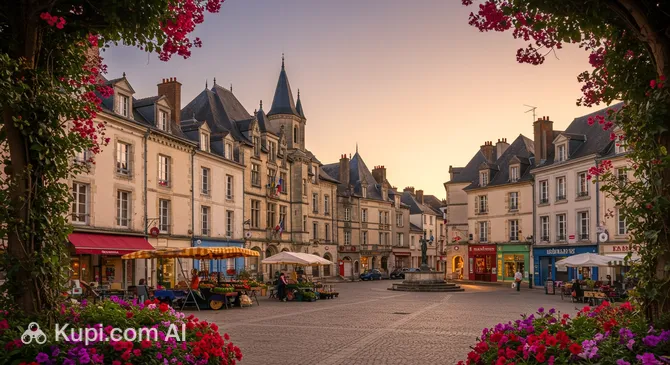
Chateauroux. Illustration.
Source: Kupi.com AI

The city's cultural heritage impresses with its diversity and preservation. Tourists can see the famous Château Raoul, visit the former 13th-century Cordeliers Convent, or admire the majestic dome of the Notre-Dame Church. For lovers of art and history, the Musée Bertrand will be a true discovery, housing unique Napoleonic relics and painting collections.

A trip to Châteauroux is an excellent opportunity to take a break from the hustle and bustle of metropolises, enjoying the greenery of parks and the comfort of local cafes. This city will be a wonderful find for those who value sincerity, love to explore lesser-known routes, and want to see the real life of the French heartland.

Weather Overview

The climate in this region is moderate and mild, making travel comfortable for most of the year. If you are planning a trip and want to know what to expect from the weather in Châteauroux, you should expect distinct seasonality without extreme temperatures.

Summers here are usually warm and sunny, ideal for long walks. In July and August, the air warms up to an average of 26–27°C, and the number of rainy days drops to a minimum (about 8 days per month). June also offers pleasant warmth, with average temperatures around 20°C, creating excellent conditions for tourism.

Winters in the city are cool but not harsh. In January and December, the thermometer rarely drops below 3°C even at night, while daytime temperatures stay around 5–7°C. However, this is the wettest time of year: the number of days with precipitation can reach 13–15 per month, so waterproof shoes and an umbrella will be useful.

Spring and early autumn offer a pleasant balance. May and September often treat travelers to comfortable temperatures ranging from 15°C to 23°C. Expect warm, occasionally hot summers with low precipitation and cool, fairly damp winters.

Average monthly temperature

Average monthly precipitation

Interesting Facts

In addition to the main attractions, Châteauroux holds many fascinating secrets that are revealed only to the most curious travelers. The city is steeped in legends and amazing stories connecting ancient times with modern cultural events.

  • Living history in street names. A walk through the city center can turn into a real journey through time. Ancient fortifications like the Porte Saint-Martin have been preserved, and old streets such as Rue de la Vieille Prison ("Old Prison Street") still convey a mysterious and authentic medieval atmosphere.

  • The Emperor's legacy. The city is inextricably linked with the name of General Bertrand—Napoleon's closest associate, who followed him into exile on the island of Saint Helena. The general's former mansion is now a museum where Napoleonic relics and rare works of art are carefully preserved, attracting history buffs from all over the world.

  • An architectural gem nearby. Just a stone's throw from Châteauroux, in the town of Déols, lies a majestic Benedictine abbey. Its Romanesque bell tower is considered one of the region's most impressive monuments and an important part of the spiritual heritage France is proud of.

  • August rhythm. At the end of summer, the city is transformed beyond recognition thanks to the famous DARC festival. This multicultural event fills the streets with music and dance, offering guests not only concerts but also numerous masterclasses where you can feel like part of a huge creative family.

How to Get There

When planning a trip to the heart of the Centre-Val de Loire region, it is important to think through the logistics in advance, as direct international flights to this cozy corner of the country are limited. However, you can get here in various ways, combining air and land transport. You can find all the details and alternative routes by visiting the how to get to Châteauroux page.

Since there is no major international airport in Châteauroux itself, travelers usually fly to neighboring cities. One convenient option is Tours Val de Loire Airport (TUF), located in the city of Tours. It is about 100 km from Châteauroux, and the journey by taxi or rental car takes about 2.5 hours. This is a small but comfortable transport hub serving regional and some European flights.

Another accessible option is Poitiers-Biard Airport (PIS), located in Poitiers at a distance of about 108 km. The travel time to Châteauroux by land transport is just under 3 hours. You should also consider Limoges Bellegarde Airport (LIG) in Limoges (112 km), which accepts flights from several European countries.

For clarity, here is summary information on the main airports located in relative proximity:

AirportPassenger trafficDistance
Val de Loire Airport206,084100 km
Poitiers-Biard Airport93,492108 km
Bellegarde Airport290,000112 km
Clermont-Ferrand Auvergne Airport231,344161 km
Laroche Airport97,397197 km

The railway network in France is excellently developed, and many tourists prefer to reach the region by train. It is worth noting that major high-speed lines pass through neighboring cities. For example, Tours Station (XJT) in the city of Tours is an important hub with a huge passenger flow. It is located 99 km from Châteauroux, and from there, you can continue your journey by regional train or bus.

Another significant hub is Saint-Pierre-des-Corps Station (XSH), which is also in the Tours area (about 97 km from Châteauroux). Many TGV high-speed trains from Paris and other major cities arrive here. Upon arriving at one of these stations, you can easily find a transfer to the final point of your journey.

Below is information about major railway stations in the region:

StationPassenger trafficDistance
Gare de Blois990 km
Saint-Pierre-des-Corps Station4.3 m97 km
Tours Railway Station6.5 m99 km
Poitiers Railway Station3.5 m107 km
Gare de Limoges-Bénédictins18113 km

Main Attractions

Start your exploration with the city's main symbol—Château Raoul. Founded in the 10th century by Lord Raoul Large, this fortress gave the city its name. The majestic structure rises on the banks of the Indre River and attracts tourists with its austere medieval architecture, which was carefully restored in the 19th century. Although it is not always possible to go inside as the building is used by the prefecture, the panoramic view of the castle from the bridges and the embankment is considered one of the best photo locations in the region.

For history buffs, the Musée Bertrand is a must-visit. It is located in an elegant 18th-century mansion that belonged to General Henri-Gatien Bertrand, a loyal companion of Napoleon Bonaparte. The museum's 26 rooms house an impressive collection: from the Emperor's personal belongings and First Empire era items to paintings by Flemish masters and archaeological finds. This place allows you to literally touch the great events of the past that France is proud of.

A special atmosphere of tranquility and antiquity is preserved in the Cordeliers Convent (Couvent des Cordeliers). Founded in the 13th century by the Franciscan order, this complex impresses with its Gothic vaults and extensive terraced gardens. Today, this space has become a center of cultural life, regularly hosting contemporary art exhibitions that create a wonderful contrast between the ancient walls and modern art objects.

If you want a break from urban architecture, head to Parc de Belle-Isle. This is a vast green area with a lake where locals and tourists enjoy nature. Here you can walk along shady alleys, go boating, or have a picnic on the grass. The park is ideal for family holidays and allows you to see Châteauroux from its most relaxed and picturesque side.

Local Cuisine

The gastronomy of Châteauroux is a true feast for those who appreciate sincere and high-quality French cuisine. Located in the historic region of Bas-Berry, the city is famous for dishes where simplicity is combined with sophistication, and respect for centuries-old traditions is felt in every recipe. The focus here is on the freshness of local products: from farm meats and game to vegetables grown in surrounding gardens and fields.

One of the main gastronomic symbols of this area is the famous "Valençay" cheese. This goat cheese is easily recognized by its characteristic truncated pyramid shape and rind covered in wood ash. It has a delicate texture and subtle flavor that pairs perfectly with a glass of local wine. In the city's restaurants, it is also worth trying hearty dishes such as duck breast with berry sauce, braised rabbit, traditional onion soup, or aromatic homemade pâtés, often served with fresh, crispy bread from local bakeries.

Food culture in Châteauroux is inextricably linked with visits to markets, which serve locals not just as a place to shop, but as a center of social life. Colorful stalls offer seasonal berries, fragrant honey, homemade sausages, and sweets. If you are lucky enough to be in town during one of the gastronomic festivals, be sure to take the opportunity to attend chef masterclasses and personally meet the farmers who proudly present the fruits of their labor.

Travel Tips

Châteauroux is a welcoming city where it's easy to feel at home, but knowing local nuances will make your stay even more comfortable. We have gathered some practical recommendations to help plan an ideal trip to the heart of the Centre-Val de Loire region.

  1. Free Transport. One of the main and most pleasant features of the city is the "Horizon" bus network. Bus travel here is absolutely free for everyone, including tourists. This makes moving between attractions and distant areas extremely convenient and helps save on your travel budget.

  2. Restaurant Hours. Gastronomic France lives by a schedule, and Châteauroux is no exception. Remember that lunch is served strictly from 12:00 to 14:00, and dinner starts after 19:00. In between, the kitchens in most establishments are closed, and finding a full hot meal will be difficult—you'll have to make do with pastries or sandwiches from boulangeries.

  3. Greetings are Mandatory. Local etiquette requires politeness. When entering a small shop, a cafe, or even boarding a bus, it is customary to loudly greet the staff or driver ("Bonjour"). This is not just a formality, but a sign of respect that instantly improves how you are perceived.

  4. Comfortable Shoes. The historic city center is rich with beautiful but ancient streets, often paved with cobblestones. For long walks, it's better to choose comfortable flat shoes, leaving heels for an evening out at a restaurant or theater.

  5. Saturday Market. If you want to buy the freshest farm products or the famous pyramid-shaped Valençay cheese, plan your market visit for Saturday morning. The main trade takes place in Place Voltaire and Place de la République. This is the best place to immerse yourself in the authentic atmosphere of a lively French town.

By keeping these simple nuances in mind, you can avoid minor inconveniences and fully focus on the architecture, history, and atmosphere of this charming corner of the country.

Entertainment & Nightlife

Nightlife in Châteauroux, while not on the scale of capital metropolises, has its own unique charm and coziness. Evening entertainment here is concentrated mainly in the historic center, where old cobbled streets come alive with the lights of bars, pubs, and the laughter of vacationers. It is an ideal place for those who prefer heartfelt conversations over a glass of wine, live music, and a relaxed atmosphere that turns into dancing closer to midnight.

The epicenter of evening activity is rightly considered Rue Grande. This street is the true artery of the city's nightlife, with the highest concentration of venues per square meter. Here you can start the evening with an aperitif on a terrace and then move from one bar to another, meeting locals and students. Another important point of attraction is the area around Place Monestier, where popular meeting spots are also located.

The atmosphere in Châteauroux's venues is democratic and friendly. The dress code in most places is casual, but for visiting nightclubs, it is worth choosing a smart-casual style. The crowd is diverse: from youth and students filling pubs on Thursdays and Fridays to couples and older groups preferring quieter lounge areas on Saturday nights.

Among the specific venues worth visiting are:

  • L'Indé Club — a popular nightclub located right on Rue Grande. This place attracts those who love to dance until morning to modern hits and electronic music. The club is known for its themed parties and energetic atmosphere that keeps guests until closing time.

  • V and B Châteauroux — a great option to start the evening (afterwork). This venue combines a wine and beer shop with a bar, offering a huge selection of drinks and a relaxed atmosphere for socializing.

  • Le Complexe — another well-known nightlife venue, combining several rooms with different music styles. DJs often perform here, and it is one of the main places where the city's youth gather on weekends.

If you are not in the mood for noisy parties, the city also offers quieter leisure options. Movie lovers can head to the modern CGR Châteauroux multiplex, and for active recreation with friends, bowling or laser tag, which are open until late evening, are excellent choices.

Practical Tips and Safety: Châteauroux is a quiet and safe city, and night walks in the center (especially in the Rue Grande and Place de la République area) are not a cause for concern. However, it is worth remembering that public transport, including free buses, stops running quite early (around 20:00–21:00). If you plan to stay out late, write down the numbers of local taxi services in advance, as hailing a car on the street at night can be problematic.

Parks & Museums

Châteauroux proudly holds the title of a "garden city," offering travelers an amazing balance between urban comfort and natural harmony. Here, France reveals itself as a country that carefully preserves not only its architectural heritage but also green oases that allow for a spiritual retreat right within the city limits.

A true gem of the center is the Public Garden (Jardin Public). Unlike large-scale parks, this is an intimate space created in a classical style. Tourists value it for its exquisite floral compositions that change from season to season, and its shady alleys that offer a pleasant escape from the summer heat. The atmosphere is complemented by elegant statues and antique vases, turning an ordinary walk into an aesthetic pleasure.

For those who prefer a wilder nature, the ideal route is the "Green Trail" (Coulée Verte). This ecological corridor stretches along the Indre River, connecting the city with its surroundings. A walk here allows you to see Châteauroux from an unexpected angle: the trail passes through picturesque meadows and woodlands where you can observe waterfowl and enjoy the silence far from noisy streets.

The city's museum map also offers variety. Although the Musée Bertrand is primarily known for its historical collection, the 18th-century mansion itself, with its well-kept courtyard, deserves separate attention as an example of architectural elegance. For fans of modern art experiments, the doors of the Cordeliers Convent (Couvent des Cordeliers) are open, where temporary exhibitions of painting and sculpture are regularly held in 13th-century interiors, creating a dialogue between the past and the present.

If you are looking for outdoor active leisure, it's worth stopping by Parc de Belle-Isle. This space is more like a suburban recreation area: it features sports grounds and picnic areas by the water, making it a popular meeting spot for locals on weekends.

Getting Around

The transport system of Châteauroux is designed to be as convenient as possible for city guests. The main feature that distinguishes this city from many other tourist destinations is the completely free public transport. When traveling through France, tourists often encounter complex tariff zones, but here you won't have to figure out ticket prices or search for change to pay for a ride.

The primary means of transport is the Horizon bus network. It covers not only the center of Châteauroux but also neighboring communes such as Déols (where the famous abbey is located), Saint-Maur, and Le Poinçonnet. The buses are modern and comfortable, and route navigation is intuitive. To use the service, simply board the bus and take an available seat.

For comfortable bus use, it is worth knowing a few local rules and nuances:

  • Etiquette: Entry is through the front door only. It is customary to greet the driver ("Bonjour")—this is an important part of the local culture of politeness.
  • Operating Hours: Buses run approximately from 06:30 to 20:30. When planning evening leisure, note that there are no night services.
  • Weekends: On Sundays and holidays, the number of services is significantly reduced, and some routes may not operate at all.

If you need to get somewhere late in the evening or at night, taxis remain the only option. In Châteauroux, it is not customary to "hail" a car on the street. Taxi ranks are located at the railway station and in the center, but the most reliable way is to order a car by phone or via an app in advance. This ensures you reach your hotel without delays.

The city itself is very compact, and the terrain is mostly flat, making it ideal for walking and cycling. The historic center can be covered on foot in 15–20 minutes. For two-wheel transport enthusiasts, there is a rental service (often integrated with the Horizon network) offering both classic bicycles and electric models for trips along embankments and through parks.

Accommodation

The choice of accommodation in Châteauroux perfectly matches the character of this quiet and welcoming city. You won't find huge resort complexes or pompous skyscrapers here. The hotel stock mainly consists of cozy mid-range hotels, small family-run guesthouses, and budget chain hotels. Renting private apartments is also gaining popularity, allowing tourists to feel like locals and immerse themselves in the atmosphere of the French heartland.

When choosing an area to stay, consider the purpose of your trip. The historic center is the best option for those who want to be within walking distance of the main attractions, such as Château Raoul and the Musée Bertrand. Staying here puts you in the epicenter of city life, close to restaurants and pedestrian streets. Another popular area is the vicinity of the railway station. This is a strategically convenient place for travelers without a car, as it's easy to reach neighboring cities in the region from here.

If you are traveling by car, it makes sense to consider options in the Déols area or on the outskirts of the city, closer to the A20 motorway exits. These areas often feature modern chain hotels offering spacious parking, which can be an issue in the city center. Additionally, prices here are often lower, while the comfort level meets standard European expectations.

Booking tip: While Châteauroux is not overcrowded with tourists year-round, the situation changes dramatically in August during the famous DARC music festival. During these days, thousands of guests flood the city, and finding a free room becomes a real quest. If your trip coincides with the festival dates, you must book accommodation several months in advance.

The pricing policy in the city is quite democratic compared to Paris or the popular resorts of the French Riviera. Budget options can be found starting from $55–65 per night. Mid-range hotels and comfortable apartments will cost about $85–120. The "luxury" segment is less represented here, but the best offers in historical buildings can cost from $140. Booking is most convenient through major online platforms, though many small family hotels (Chambres d'hôtes) happily accept direct bookings by phone or email.

Nearby Cities

For those who want to explore the surroundings, Châteauroux serves as an excellent starting point for day trips to several interesting nearby places:

Just an hour's drive away is Bourges—the historic capital of the Berry province. This city is famous for its Gothic Saint-Étienne Cathedral, a UNESCO World Heritage site, and the magnificent Jacques Cœur Palace. A walk through its cobbled streets and gardens will transport you to a medieval atmosphere.

A little further is Tours, often called the gateway to the Loire Valley. It is a lively university city with a rich history. Here, it is worth visiting the famous Place Plumereau with its timber-framed houses, enjoying local gastronomy in numerous cafes, and seeing the majestic Saint-Gatien Cathedral.

Castle lovers should head to Blois. The Royal Château de Blois is a unique architectural monument combining styles from Gothic to Classicism, while the city itself enchants with panoramic views of the Loire River and cozy embankments ideal for a leisurely stroll.

CityPopulationDistance
Issoudun11,69028 km
Vierzon25,72555 km
Saint-Doulchard9,60761 km
Bourges64,66862 km
Saint-Amand-Montrond9,53163 km

These nearby destinations provide an insight into the diverse culture and landscapes of the region.

Shopping & Souvenirs

Shopping in Châteauroux is characterized by a calm, provincial rhythm, free from the hustle and bustle of large metropolises. The city does not claim the title of a fashion capital, but France is revealed here through quality and authenticity. Tourists can find everything they need: from boutiques with clothing from famous brands to cozy shops with artisan crafts. Special attention should be paid to gourmet food shops, as the region is famous for its unique delicacies.

The heart of the city's commercial life beats in its historic center, in the pedestrian zone. The main artery for shopping enthusiasts is Rue Grande and the adjacent Rue Victor Hugo. Here, clothing stores, perfumeries, bookstores, and jewelry salons are concentrated. Walking along these cobbled streets is an aesthetic pleasure, allowing you to combine viewing ancient architecture with searching for new purchases.

For those who prefer large-scale shopping in one place, the commercial zone on the outskirts of the city is ideal. The most popular is the Cap Sud shopping center, located at the southern exit of Châteauroux. This is a large complex with a hypermarket and a gallery of boutiques featuring international brands, electronics stores, and home goods. It is easy to reach by car or the free city bus.

Immersion in local culture is impossible without visiting the markets. The most lively and colorful is the Saturday market, which takes place in Place de la République and Place Voltaire. Here, farmers from all over the area offer the freshest vegetables, fruits, flowers, and homemade preserves. This is the best place to get a taste of the real French heartland and chat with local residents.

Tourists most often bring home gastronomic souvenirs from Châteauroux. The region's calling card is the Valençay goat cheese, shaped like a truncated pyramid sprinkled with ash. You should also pay attention to Green Lentils from Berry (Lentille verte du Berry), which have a protected geographical indication. Excellent additions would be local wines from the Reuilly or Quincy appellations, which can be found in specialized wine cellars in the city.

Shops in the city center typically operate from 10:00 to 19:00, Monday through Saturday. It is important to remember the traditional lunch break, which often lasts from 12:00 to 14:00, especially in small private shops. Large shopping centers and supermarkets generally work without a break. Sunday is a day off for most shops. Bank cards are accepted almost everywhere, but for purchases at the market or in small kiosks, it's better to have some cash on hand.

Tourists residing outside the European Union can take advantage of the Tax Free system. If you make purchases in one store exceeding a set minimum (usually around $110), don't forget to ask the seller for a special form. You will need this document when leaving the EU to claim back a portion of the VAT.

Reached the bottom of the page?

Looks like you know this route inside out

We use cookies and services to collect user information. This is essential for the functioning of the site and for marketing purposes. You can find out more in .