France

About

France, located in the heart of Western Europe, has for centuries beckoned travelers with its unsurpassed charm, rich history, and cultural heritage. This country, which gave the world great artists, writers, and philosophers, offers an incredible variety of experiences. Its capital, the legendary Paris, is a symbol of love, fashion, and art, attracting millions of tourists annually.
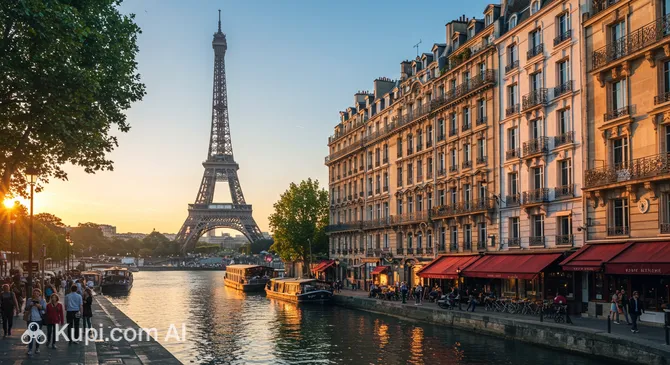
Illustration.
Source: Kupi.com AI

France's cultural wealth is truly limitless. From majestic Gothic cathedrals to luxurious palaces, from world-famous museums like the Louvre to the cozy streets of medieval towns — every corner of the country breathes history. The famous Eiffel Tower has become not just a symbol of Paris, but of all France. French cuisine and winemaking are a separate chapter deserving the closest attention and tasting.

France's natural landscapes are striking in their diversity: from snow-capped Alpine peaks to the azure shores of the Mediterranean Sea, as seen in charming Nice, from the picturesque Loire Valleys with their castles to the rugged beauty of Brittany. The climate varies from maritime in the west to Mediterranean in the south, making the country attractive for visiting at any time of year. The atmosphere of France is one of refinement, joie de vivre (joy of life), and an unceasing pursuit of beauty, which is felt in every city and village.

Currency

The official currency of France is the Euro (EUR), as in many other European Union countries. Euro banknotes have a uniform design for all Eurozone countries and come in denominations of 5, 10, 20, 50, 100, 200, and 500 euros, depicting various architectural styles of Europe. Euro coins have one common side and one national side — on French coins, you can see images of Marianne (the symbol of the French Republic), a sower, or a stylized tree. You can exchange currency at banks or official exchange offices (bureaux de change). It is recommended to avoid exchanging at airports or hotels, where rates may be less favorable, as well as with street money changers.

Credit and debit cards, especially Visa and Mastercard, are widely accepted throughout France, including in shops, restaurants, and hotels. However, for small purchases, at markets, or in some small cafes, cash may be required. Therefore, it is always useful to have a small amount of euros with you. ATMs (distributeurs automatiques de billets) are easily accessible in cities and tourist areas for cash withdrawals.

Visa Requirements

When planning a trip to France, it is important to clarify visa requirements in advance. Citizens of European Union countries and the Schengen Area do not require a visa for entry. For citizens of many other countries, including the USA, Canada, and the UK, visa-free entry is also often provided for short-term tourist trips. However, for citizens of a number of states, including some CIS countries, a Schengen visa is required to visit France.

If a visa is necessary, it is typically a tourist Schengen visa, which should be obtained in advance at the French embassy or consulate, or through an accredited visa center in your country of residence. To enter the country, you will need a valid foreign passport with an expiration date that meets the established requirements. You may also need return tickets, proof of accommodation booking, medical insurance, and evidence of sufficient financial means. Since visa rules can change, it is strongly recommended to always check the latest information on the official websites of the embassy or French visa centers before your trip.

We'll let you know if you need a visa

Enter your destination or
Your nationality
Destination

Timezones

France, including all its overseas territories, is the country with the largest number of time zones in the world — 12 in total! However, if your journey takes place in mainland France, it follows Central European Time (CET). The standard time here is UTC+1, and during the period from the last Sunday in March to the last Sunday in October, the country switches to daylight saving time (CEST — Central European Summer Time), and the time becomes UTC+2.

For travelers whose itineraries include French overseas departments and territories, such as Guadeloupe, Martinique, Réunion, French Polynesia, or New Caledonia, it is crucial to remember the time zone changes. The time difference from mainland France can be very significant, so always check the local time in advance at your destination. This will help avoid confusion with transport schedules, hotel check-in times, and excursion planning.

Getting There

Getting to France, a country with a rich culture and diverse landscapes, can be done in several convenient ways, the primary one being air travel. Numerous international airports connect France with all corners of the world. The country's largest air hub, Charles de Gaulle Airport in Paris, receives flights from most countries in Europe, Asia, America, and Africa, offering both direct flights and convenient connections. Other major cities such as Nice, Lyon, Marseille, and Toulouse also have international airports serving many destinations.

Thanks to its location in the heart of Europe, France is excellently connected to neighboring countries by land transport. A developed network of high-speed trains, such as TGV and Eurostar, allows for quick and comfortable travel from the UK, Belgium, Germany, Switzerland, Italy, and Spain. International bus routes are also a popular and budget-friendly option for travel. Additionally, France can be reached by sea: ferry services are established with the UK, Ireland, and some Mediterranean countries, and many cruise liners include French ports in their itineraries.

When planning a trip to France, it is recommended to book tickets in advance, especially if your travel falls during the peak tourist season (summer, Christmas, and New Year holidays). This will help not only to save money but also to guarantee availability on your preferred flights or trains. Comparing offers from various airlines, railway operators, and bus carriers will allow you to choose the most optimal option in terms of price and travel time.

AirportCityIATA
Charles de Gaulle AirportParisCDG
Nice Côte d'Azur AirportNiceNCE
Marseille Provence AirportMarseilleMRS
Lyon Saint-Exupéry International AirportLyonLYS
Toulouse-Blagnac AirportToulouseTLS

France is a country with an incredible kaleidoscope of experiences, offering travelers both world-famous metropolises and charming resort towns. Here, everyone will find a destination to their liking: from cultural capitals breathing with history and art to sunny coasts ideal for relaxed vacations, and regions famous for their gastronomy and winemaking.

Illustration.
Source: Kupi.com AI

Undoubtedly, the main tourist jewel is Paris — the city of dreams, fashion, art, and romance. Its legendary landmarks, world-class museums, and unique atmosphere attract millions of guests every year. For those traveling with family or simply wanting to plunge into a world of magic, Disneyland Paris, located near the capital and offering unforgettable adventures for all ages, is a must-visit.

Beyond the capital, France takes pride in many other attractive places. Nice, the queen of the French Riviera, beckons with its beaches, the famous Promenade des Anglais, and vibrant cultural life. Connoisseurs of fine wines and a rich historical heritage will certainly appreciate Bordeaux, a city with elegant architecture and centuries-old winemaking traditions. And Lyon, the recognized gastronomic capital of France, will surprise you not only with its exquisite cuisine but also with its charming old town, listed as a UNESCO World Heritage site.

Top Attractions

France is a country with an incredibly rich cultural heritage, and its landmarks are known throughout the world. From architectural masterpieces to magnificent parks — everyone will find something for themselves here. Here are just a few iconic places to include in your itinerary.

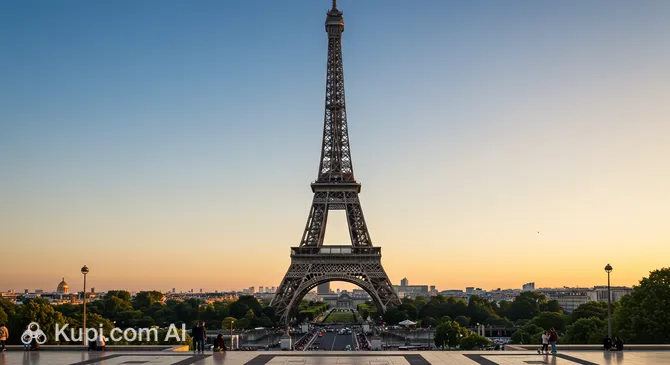
Undoubtedly, one of the main symbols not only of Paris but of all France is the Eiffel Tower. This intricate metal structure towering over the city offers unforgettable panoramic views and is a mandatory stop for any tourist. By ascending to its observation decks, you can enjoy the breathtaking beauty of the French capital.

Illustration.
Source: Kupi.com AI

Traveller photos:

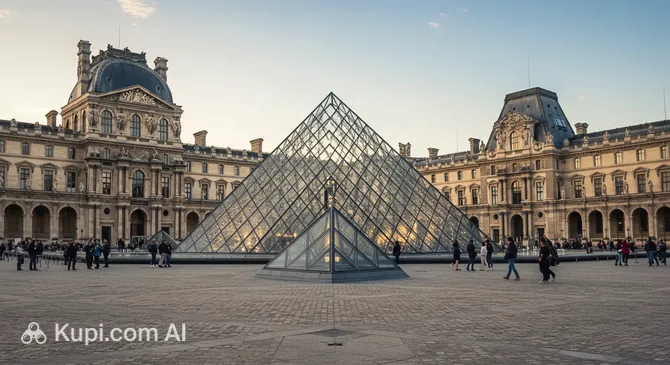
For art lovers, the Louvre — one of the largest and most famous art museums in the world — is a must-visit. Its walls house masterpieces such as Leonardo da Vinci's "Mona Lisa" and the Venus de Milo. A walk through its countless halls is a true journey through the eras and styles of world art.

Illustration.
Source: Kupi.com AI

Traveller photos:

In Lyon, one of France's largest cities, rises the majestic Basilica of Notre-Dame de Fourvière. Situated on a hill, it dominates the city and impresses with its magnificent architecture, combining Byzantine and Romanesque motifs. The terrace in front of the basilica offers stunning views of Lyon and its surroundings.

Also located in Lyon is the Parc de la Tête d’Or (Park of the Golden Head) — one of the largest urban parks in France. This is a wonderful place for relaxation and walks, where you can enjoy nature, visit the zoo, the botanical garden, or take a boat ride on the lake. The park is a favorite holiday spot for both city residents and tourists.

Best Time to Visit

France is beautiful at any time of year, but the best season for your trip depends on your preferences. High season traditionally falls during the summer months (June-August), as well as the Christmas and New Year holidays. In summer, the weather is usually warm and sunny across the country, ideal for beach vacations on the French Riviera, visiting vineyards, or long walks through Paris. However, this is also when the largest influx of tourists occurs, meaning higher prices for accommodation and flights, as well as queues at popular attractions. Winter holidays attract visitors with their atmosphere, Christmas markets (especially in Alsace), and the opportunity to go skiing in the Alps.

Low season, or the shoulder season, covers spring (April-May) and autumn (September-October). This is an excellent time for those who prefer a more relaxed vacation and better prices. In spring, France blooms, offering comfortable weather for excursions and visiting cities like Lyon or Bordeaux without the summer heat. In autumn, the heat subsides, vineyards turn golden, and it is an ideal time for gastronomic tours. The weather may be more changeable with possible rain, but generally remains pleasant. However, it's worth noting that during the low season, some tourist sites, restaurants, or shops — especially in small towns or resorts — may be closed or operate on a reduced schedule. Winter (excluding the holiday period and ski resorts) is also considered low season, with cool weather but the fewest tourists. Keep in mind that the climate in France is diverse: from maritime in the west and Mediterranean in the south to continental in the central and eastern regions, so it is always useful to check the forecast for your specific destination before traveling.

When planning your trip, pay attention to major events that can affect occupancy and prices. For example, the Cannes Film Festival in May, the Tour de France cycling race in July, or the numerous music and wine festivals held in different regions throughout the year. Booking early will help you save, especially if your trip coincides with popular dates or events.

Traditions

French culture is rich in nuances, the knowledge of which will make your trip through France even more pleasant. When greeting and saying goodbye, it is customary to shake hands, and among well-acquainted people — light kisses on the cheek (la bise), the number of which varies depending on the region. Always use polite addresses: "Bonjour" (good day) and "Bonsoir" (good evening), as well as "Au revoir" (goodbye). The French greatly appreciate it when foreigners try to speak their language, even if it's just a few phrases. If you are invited to a home, it is good etiquette to bring a small gift for the hosts — a bottle of wine, flowers (avoid chrysanthemums, as they are associated with mourning), or high-quality chocolate. Punctuality is important, though a small delay for dinner (up to 15 minutes) is usually acceptable.

In everyday life, the French prefer an elegant but understated style of clothing. When visiting churches and cathedrals, it is worth choosing modest clothing that covers the shoulders and knees. There are also rules at the table: hands should be kept on the table (not on the lap), bread is usually placed next to the plate rather than on it. Before starting a meal, it is customary to wish everyone "Bon appétit!". One of the main national holidays is Bastille Day (July 14), which is celebrated with military parades, fireworks, and public festivities throughout the country. To avoid awkward situations, try not to speak too loudly in public places, always say thank you ("merci") and please ("s’il vous plaît"). The French value politeness and a respectful attitude toward their culture and language.

Entertainment

France is a country where everyone will find entertainment to their liking, from thrilling outdoor adventures to exquisite cultural evenings. Active lifestyle enthusiasts can conquer the snowy slopes of the Alps on skis or snowboards, catch a wave on the Atlantic coast, hike picturesque trails in Provence, or explore the country by bicycle. The opportunities for sports and active pastimes here are truly endless, whether it's sailing on the French Riviera or quiet walks through numerous national parks.

The cultural life of France is striking in its diversity and richness. The country is home to world-renowned museums, such as the famous Louvre in Paris, legendary theaters, opera houses, and countless art galleries. In the evening, the cities come alive: numerous restaurants offer a chance to enjoy exquisite French cuisine, while bars and clubs, especially in centers like Paris, Lyon, or Nice, invite you to plunge into an atmosphere of fun until morning. The nightlife here can be sophisticated and calm or vibrant and high-energy, offering options for every taste.

For those who cannot imagine a trip without shopping, France is a true paradise. Travelers traditionally bring home famous perfumes, fashionable clothes from leading designers, fine wines, and gourmet cheeses. The main shopping arteries of Paris and elegant boutiques in other major cities offer goods for every taste and budget, while colorful local markets feature unique souvenirs and handmade crafts. Families with children will not be bored either: exciting theme parks await them, most notably the world-famous Disneyland Paris, as well as numerous water parks, zoos, and interactive museums that make a holiday unforgettable for all ages.

Currency rates

Planning a trip? Wonderful! To make sure the financial side of your journey holds no surprises, it's worth remembering that exchange rates are constantly changing. That's why we strongly recommend keeping an eye on current rates both before departure and throughout your trip. To help with that, you can use the data provided below — we monitor exchange rates 24/7 and strive to provide the most up-to-date information.

EUR exchange rate for 13/08/2026

4.26 AED
~ 1 EUR
424.12 AMD
~ 1 EUR
1.64 AUD
~ 1 EUR
1.97 AZN
~ 1 EUR
3.45 BYN
~ 1 EUR
1.62 CAD
~ 1 EUR
1 GBP
~ 1.17 EUR
366.40 HUF
~ 1 EUR
110.58 INR
~ 1 EUR
101.38 KGS
~ 1 EUR
1642.09 KRW
~ 1 EUR
539.99 KZT
~ 1 EUR
4.33 PLN
~ 1 EUR
95.92 RUB
~ 1 EUR
4.35 SAR
~ 1 EUR
1.48 SGD
~ 1 EUR
55.36 TRY
~ 1 EUR
51.91 UAH
~ 1 EUR
1.16 USD
~ 1 EUR
13823.98 UZS
~ 1 EUR

Reached the bottom of the page?

Looks like you know this route inside out

We use cookies and services to collect user information. This is essential for the functioning of the site and for marketing purposes. You can find out more in .