Lithuania

About

Lithuania is a charming country on the Baltic coast that attracts travelers with its rich history, picturesque nature, and unique atmosphere. It is the southernmost and largest of the three Baltic states, offering a wonderful combination of medieval charm and modern amenities. The country's capital, Vilnius, is famous for its Old Town, a UNESCO World Heritage site, and its numerous Baroque churches.
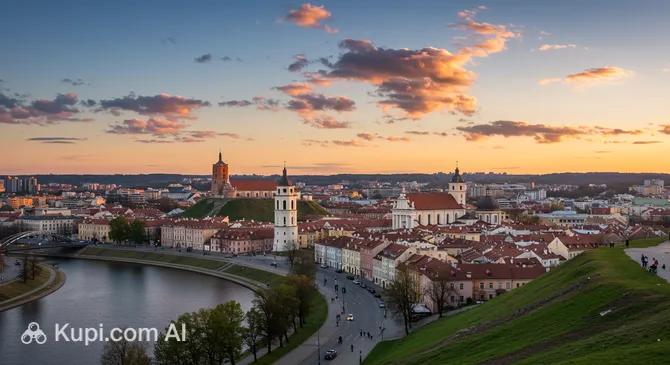
Illustration.
Source: Kupi.com AI

Lithuania is proud of its cultural heritage, which can be experienced while walking through the narrow streets of ancient towns or visiting majestic castles. One of the most iconic sites is Trakai Island Castle, located on Lake Galvė near the town of Trakai. For nature and seaside lovers, Lithuania offers beautiful sandy beaches on the Baltic coast, especially in the resort town of Palanga, which is also known for its Amber Museum. The country is also rich in lakes and forests, creating ideal conditions for outdoor activities and ecotourism.

The climate in Lithuania is moderate, transitional from maritime to continental, with warm summers and relatively mild, snowy winters. This makes the country attractive to visit at any time of year. The hospitality of the locals, delicious national cuisine including the famous cepelinai, and a calm rhythm of life create a special, peaceful atmosphere that stays in the memory for a long time.

Currency

The official currency of Lithuania is the Euro (EUR), as the country is a member of the Eurozone. This makes travel particularly convenient for guests from other countries that use the Euro. Lithuanian Euro coins have their own national design on one side – usually an image of the state coat of arms "Vytis" (The Knight), which can be a nice souvenir or addition to your coin collection.

If you are arriving from a country outside the Eurozone, you can exchange currency at banks or licensed exchange offices, which are common in cities, including the capital Vilnius. It is recommended to avoid exchanging currency with street money changers or in places with unclear terms. It is important to note that credit and debit cards (such as Visa and Mastercard) are widely accepted throughout the country – in most hotels, restaurants, shops, and even some taxis, so the need for large amounts of cash is usually minimal.

Visa Requirements

To enter Lithuania, a member country of the Schengen Agreement, visa requirements depend on your citizenship. Citizens of European Union and European Economic Area countries do not require a visa to visit Lithuania. A visa-free regime for short-term trips (usually up to 90 days within a 180-day period) also applies to citizens of many other countries, including the USA, Canada, and Australia. Citizens of a number of other countries must obtain a Schengen tourist visa in advance to enter Lithuania. This visa is typically obtained at the embassy or consulate of Lithuania, or at an accredited visa center in the country of residence.

Regardless of whether you need a visa, a valid passport will be required to cross the border, and its validity should extend beyond the intended date of departure from the Schengen area. You may also need proof of the purpose of your trip (e.g., return tickets, hotel booking) and medical insurance. Since visa rules can change, it is strongly recommended to check the latest information on the official website of the Ministry of Foreign Affairs of Lithuania, or the Lithuanian embassy or consulate in your country before planning your trip.

We'll let you know if you need a visa

Enter your destination or
Your nationality
Destination

Timezones

Lithuania is located in a single time zone. The country observes Eastern European Time (EET), which corresponds to UTC+2. Like many European countries, Lithuania switches to Daylight Saving Time (EEST), moving the clocks forward one hour to UTC+3. This means that tourists traveling across the country do not have to worry about changing the time when moving from one region to another.

Getting There

You can reach Lithuania in several ways, but the most popular and convenient is air travel. The country has several international airports, the main one being the airport in the capital, Vilnius. It receives flights from many European cities and offers convenient connections for travelers from other regions of the world. Regular air service connects Lithuania with major transport hubs, making flying an accessible option for most tourists.

For those who prefer land travel, Lithuania is also accessible by bus or train from neighboring European countries. There is a well-developed network of international bus routes connecting Lithuanian cities with Poland, Latvia, Estonia, and other states. Railway connections are also available, though they may be less extensive than the bus network. Furthermore, thanks to its access to the Baltic Sea, some coastal cities, such as Klaipėda, can be reached by ferry, which adds a special maritime flavor to the journey.

When planning a trip to Lithuania, it is recommended to take care of tickets in advance, especially if your trip coincides with the peak tourist season or public holidays. Early booking not only helps you save money but also guarantees the availability of seats on your chosen flights or routes. This will make your journey more comfortable and predictable.

AirportCityIATA
Vilnius International AirportVilniusVNO
Kaunas AirportKaunasKUN
Palanga International AirportPalangaPLQ
Siauliai International AirportSiauliaiSQQ

Lithuania offers travelers a wonderful variety of places for relaxation and discovery. From bustling city centers filled with history and culture to serene resorts on the Baltic coast and surrounded by picturesque lakes and forests. The pearl of the country is undoubtedly its capital – Vilnius. This city charms with its Old Town, a UNESCO World Heritage site, its cozy streets, numerous churches, and modern art spaces.

Illustration.
Source: Kupi.com AI

For those dreaming of the sea breeze and sandy beaches, Palanga is an ideal choice – Lithuania's most popular summer resort, known for its long pier and lively atmosphere. History buffs and lovers of unique landscapes will appreciate Trakai with its famous island castle, picturesquely situated on Lake Galvė. And if your goal is health and relaxation, the resort of Druskininkai, famous for its mineral springs and modern spa centers, will offer everything you need for rejuvenation.

No less interesting is Kaunas, Lithuania's second-largest city, which harmoniously combines medieval architecture, a rich modernist heritage from the interwar period, and dynamic modern life. Each of these cities and resorts has its own unique charm and is ready to offer tourists unforgettable impressions and many discoveries.

Top Attractions

Lithuania, a country with a rich history and picturesque nature, offers tourists many interesting places to visit. From medieval castles to modern entertainment complexes — everyone will find something to their liking here. Let's explore some of Lithuania's most prominent attractions.

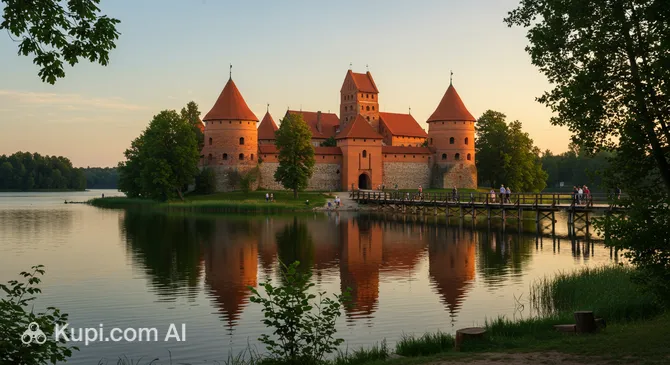
One of the country's main symbols is undoubtedly Trakai Island Castle. This majestic Gothic castle, located on an island in the middle of Lake Galvė, impresses with its beauty and power. Visitors can stroll through its halls, learn about the history of the Grand Duchy of Lithuania, and enjoy stunning views. The castle is a popular venue for various festivals and events.

Illustration.
Source: Kupi.com AI

Traveller photos:

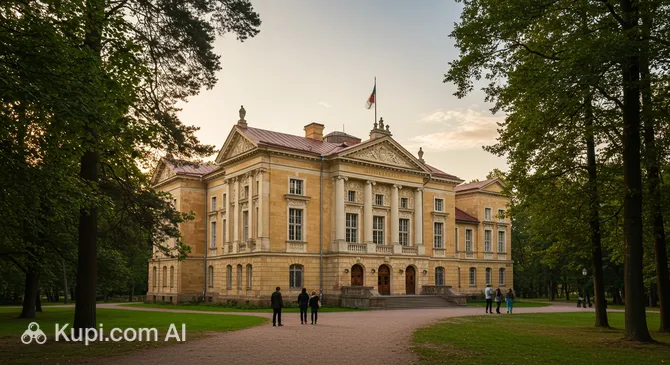
For connoisseurs of unique natural treasures, the Amber Museum in Palanga is a must-visit. Located in the former Tiškevičiai Palace surrounded by a magnificent botanical garden, the museum houses one of the world's largest collections of amber and its inclusions. Here you can see raw pieces of "sunstone" as well as exquisite items crafted by artisans.

Illustration.
Source: Kupi.com AI

Traveller photos:

If you are traveling with family or simply love maritime themes, the Lithuanian Sea Museum in Klaipėda will not leave you indifferent. It is located in an old fort on the Curonian Spit and includes an aquarium with inhabitants of the Baltic and tropical seas, exhibitions on the history of navigation, and a dolphinarium where exciting performances with dolphins and California sea lions take place.

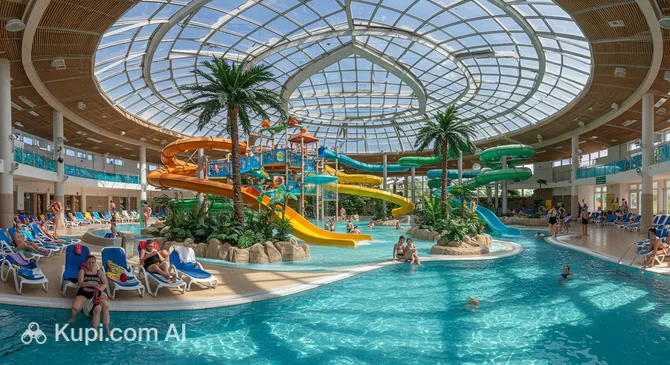
For those seeking active recreation and water fun, the Druskininkai Aquapark will be a real discovery. This is one of the largest water parks in Eastern Europe, offering numerous pools, dizzying slides, a bath complex with various types of saunas, and spa treatments. It is a great place for the whole family to have fun at any time of the year.

Illustration.
Source: Kupi.com AI

Traveller photos:

Best Time to Visit

The best time to visit Lithuania largely depends on your preferences and holiday plans. The high tourist season in the country traditionally falls during the summer months — from June to August. At this time, the weather is warm and sunny, ideal for strolling through the charming streets of Vilnius, relaxing on the sandy beaches of the Baltic Sea in places like Palanga or Nida, and exploring numerous natural and historical attractions. The average temperature ranges from +17°C to +22°C, and the days are pleasantly long. However, keep in mind that summer sees the largest influx of tourists, and prices for accommodation and services may be higher.

The shoulder season — spring (April-May) and autumn (September-October) — attracts travelers who prefer a quieter holiday and better prices. In spring, nature awakens with fresh greenery and blossoms, while in autumn, Lithuania is painted in gold and crimson tones, creating incredibly picturesque landscapes, especially in places like Trakai or the national parks. The weather during these periods can be changeable, with temperatures from +5°C to +15°C, and rain is possible. Winter (November-March) is the low season, with cool and sometimes frosty weather and snow. This time is suitable for those who appreciate the Christmas atmosphere in cities or those seeking maximum privacy, though some tourist sites, especially outside major cities, may have reduced opening hours.

When planning your trip, it is also worth paying attention to cultural events. One of the most vibrant is the Kaziukas Fair (Kaziuko mugė), held in Vilnius at the beginning of March, attracting artisans and guests from all over the country. In summer, various music festivals and city celebrations take place, such as the Sea Festival (Jūros šventė) in Klaipėda. Overall, the climate in Lithuania is moderate without sharp regional differences, so the choice of time for a visit depends more on your interests: whether it be a beach holiday, sightseeing, or immersion in the country's cultural life.

Traditions

Lithuanians are generally quite reserved when first meeting, but very hospitable and friendly once you get to know them better. The standard greeting is a handshake accompanied by direct eye contact, which is considered a sign of respect and openness. Using the informal "tu" (you) is common among young people and close acquaintances, but it is customary to address the older generation or people in formal settings with the polite "Jūs" (You). If you are invited to someone's home, which happens quite often as hospitality is highly valued, it is appropriate to bring a small gift for the hosts – for example, flowers (in an odd number, avoiding yellow chrysanthemums which can be associated with funerals), high-quality chocolate, or a small souvenir from your country. This will be received with gratitude.

In daily life in Lithuania, there are no strict requirements for clothing, but when visiting cathedrals, churches, and other religious sites, it is best to choose modest clothing that covers the shoulders and knees. At the table, Lithuanians follow general European etiquette rules; they usually start the meal after the hosts suggest it or begin eating themselves. Punctuality is valued in Lithuania, so try not to be late for meetings. It is considered impolite to speak too loudly in public places. To show respect, avoid comparing Lithuania to other countries in a disparaging way, especially neighboring ones, as Lithuanians are very proud of their unique culture, language, and history.

Among the many holidays, two especially stand out. Joninės, or Rasos, is a vibrant and ancient midsummer festival celebrated on the night from June 23 to 24. It is filled with pagan traditions: searching for the mythical fern flower, jumping over bonfires, weaving wreaths, and folk festivities until dawn. Another significant day is the Day of Restoration of Independence of Lithuania, celebrated on March 11. This holiday is of great importance for national identity and is accompanied by official ceremonies, concerts, and patriotic events throughout the country, including the capital Vilnius.

Entertainment

Lithuania offers a variety of leisure and entertainment options to suit the tastes of many different travelers. Outdoor enthusiasts will appreciate the picturesque routes for hiking and cycling, especially along the Baltic coast and within national parks. Water sports, such as kayaking or sailing, are also popular during the summer season. For culture lovers, the doors of numerous museums, art galleries, and theaters are open, particularly in large cities like the capital Vilnius and Kaunas, where concerts and festivals are held regularly.

Nightlife in Lithuania is mainly concentrated in the major cities. Here you can find cozy bars, modern clubs, and restaurants with diverse cuisine. Vilnius, Klaipėda, and Kaunas offer a lively atmosphere for those seeking entertainment after sunset. As for shopping, visitors traditionally bring back amber jewelry, linen, handmade ceramics, and local delicacies from Lithuania. Major shopping streets and modern centers, such as Ozas in Vilnius or Akropolis in Klaipėda, offer a wide range of goods.

For family vacations, Lithuania also has interesting options. Various theme parks, water parks like Druskininkai Aquapark, and zoos like the HBH Palanga Zoo will provide plenty of positive emotions for both children and adults. Many resort towns, such as Palanga or Druskininkai, are oriented towards family tourism and offer appropriate infrastructure and entertainment.

Currency rates

Planning a trip? Wonderful! To make sure the financial side of your journey holds no surprises, it's worth remembering that exchange rates are constantly changing. That's why we strongly recommend keeping an eye on current rates both before departure and throughout your trip. To help with that, you can use the data provided below — we monitor exchange rates 24/7 and strive to provide the most up-to-date information.

EUR exchange rate for 13/08/2026

4.26 AED
~ 1 EUR
424.12 AMD
~ 1 EUR
1.64 AUD
~ 1 EUR
1.97 AZN
~ 1 EUR
3.45 BYN
~ 1 EUR
1.62 CAD
~ 1 EUR
1 GBP
~ 1.17 EUR
366.40 HUF
~ 1 EUR
110.58 INR
~ 1 EUR
101.38 KGS
~ 1 EUR
1642.09 KRW
~ 1 EUR
539.99 KZT
~ 1 EUR
4.33 PLN
~ 1 EUR
95.92 RUB
~ 1 EUR
4.35 SAR
~ 1 EUR
1.48 SGD
~ 1 EUR
55.36 TRY
~ 1 EUR
51.91 UAH
~ 1 EUR
1.16 USD
~ 1 EUR
13823.98 UZS
~ 1 EUR

Reached the bottom of the page?

Looks like you know this route inside out

We use cookies and services to collect user information. This is essential for the functioning of the site and for marketing purposes. You can find out more in .