Germany

About

Germany, located in the heart of Europe, is a country with a rich history, dynamic culture, and a surprising variety of landscapes. From bustling metropolises to charming medieval towns, Germany offers something for every traveler. Its capital, Berlin, is a vivid example of this blend of history and modernity—a city that never sleeps and is constantly changing.
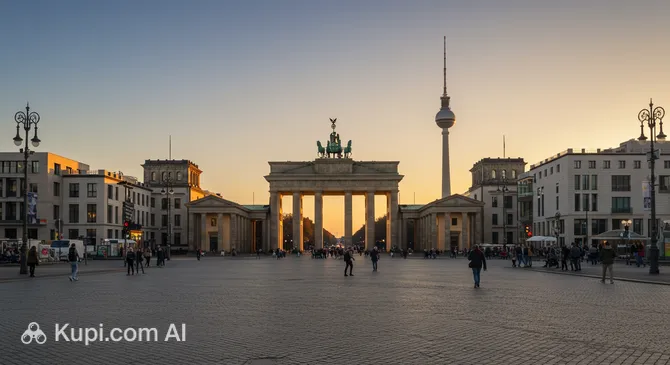
Illustration.
Source: Kupi.com AI

Germany's cultural heritage is vast: from world-famous composers and philosophers to magnificent castles like the fairytale Neuschwanstein and iconic historical monuments, such as the Brandenburg Gate in Berlin, which has become a symbol of the country's unification. The natural beauties of Germany are no less impressive: from Alpine peaks in the south and picturesque river valleys of the Rhine and Moselle to the coasts of the North and Baltic Seas in the north. The climate here is temperate, with warm summers and mild, though sometimes snowy, winters.

Germany creates a unique atmosphere where traditions harmonize with innovation. Cities like vibrant Hamburg with its famous port or welcoming Munich, known for its beer festivals, offer a wealth of experiences. Travelers can expect excellent infrastructure, delicious local cuisine, and hospitality that makes a trip across Germany unforgettable.

Currency

The official currency of Germany is the Euro (EUR), the common currency for many countries in the European Union. Euro banknotes, which are identical across the Eurozone, are decorated with images of windows, gates, and bridges, symbolizing European architecture from various eras and the spirit of cooperation. Euro coins have one common side and one national side—on German coins, you can often see an image of an eagle, oak leaves, or the famous Brandenburg Gate.

You can exchange currency for Euros at banks, exchange offices (Wechselstuben), or simply withdraw cash from the numerous ATMs (Geldautomat), which often offer a more favorable rate than exchange points at airports or certain tourist locations. Credit and debit cards (especially Visa and Mastercard) are widely accepted in most hotels, restaurants, and shops, particularly in cities. However, for payments in small shops, markets, or some traditional beer gardens (Biergarten), it is always useful to have some cash on hand.

Visa Requirements

When planning a trip to Germany, it is important to clarify visa requirements in advance. Citizens of European Union countries, the EEA, and Switzerland do not require a visa for entry. Also, citizens of many other countries, including the USA, Canada, Australia, and several others, can visit Germany without a visa for short-term tourist trips (usually up to 90 days). However, citizens of most CIS countries and many other states will require a Schengen-style tourist visa to enter Germany. This is usually processed in advance at the German embassy or consulate in your country of residence.

Regardless of whether you need a visa, you will need a valid passport to cross the border. It is also recommended to have return tickets, proof of accommodation (e.g., a hotel reservation), and medical insurance covering the entire period of stay. Visa rules and lists of required documents can change, so we strongly advise checking the most up-to-date information on the official website of the German embassy or visa center in your country before your trip.

We'll let you know if you need a visa

Enter your destination or
Your nationality
Destination

Timezones

When planning a trip to Germany, you don't have to worry about changing time zones within the country. All of Germany's territory is in a single time zone—Central European Time (CET), which corresponds to UTC+1.

Like many European countries, Germany switches to Daylight Saving Time (CEST), corresponding to UTC+2, on the last Sunday in March and back to standard time on the last Sunday in October. This means that the time difference with your country may change depending on the season, but within Germany itself, the time will always be the same, whether you are in Berlin, Munich, or Hamburg.

Getting There

You can reach Germany, a country with a rich history and culture, in several convenient ways, but the most popular and fastest is by air. The country has a well-developed network of international airports, including major hubs such as Frankfurt Airport, one of the largest in Europe, as well as the capital's Berlin airport. Direct flights and convenient connections are available from most countries in Europe, North America, Asia, and other regions of the world.

Thanks to its central location in Europe, Germany is excellently connected to neighboring countries by land transport. A developed network of high-speed trains (e.g., ICE) and comfortable international buses makes it easy to reach German cities from France, Poland, Austria, Switzerland, the Netherlands, and many other states. This is not only an economical but often a very scenic way to travel, allowing you to enjoy European landscapes.

For those who prefer sea travel or are traveling from Scandinavia and the Baltic region, there is the possibility of reaching Germany by ferry. Major ferry terminals are located on the Baltic and North Sea coasts, connecting Germany with countries such as Sweden, Denmark, Norway, Finland, and the Baltic states. Regardless of the chosen method, it is recommended to book tickets in advance, especially if your trip coincides with the peak tourist season or major holidays, to ensure the best prices and availability.

AirportCityIATA
Frankfurt AirportFrankfurt am MainFRA
Franz Josef Strauss AirportMunichMUC
Berlin BrandenburgBerlinBER
Dusseldorf International AirportDusseldorfDUS
Hamburg AirportHamburgHAM

Germany offers travelers an incredible variety of cities, each with its own unique character and atmosphere. From the bustling life of metropolises to the charm of ancient towns—there is a destination for every taste. Undoubtedly, one of the main centers of attraction is the capital, Berlin. This city is a true kaleidoscope of history, art, and modern culture, offering countless museums, galleries, and iconic landmarks.

Illustration.
Source: Kupi.com AI

Equally interesting is Hamburg, the country's second-largest city, known for its huge port, picturesque canals, and rich maritime history. Lovers of tradition and South German flair should pay attention to Munich, the capital of Bavaria, famous not only for Oktoberfest but also for its magnificent architecture and cozy beer gardens. Each of these cities offers a unique experience and immersion into different facets of German life.

For those seeking romance and medieval charm, Heidelberg with its famous castle and ancient university is an excellent choice. And if you are attracted to financial centers and modern architecture, then Frankfurt am Main, the business heart of Germany, will not leave you indifferent. These and many other German cities await their explorers, ready to surprise and inspire.

Top Attractions

Germany is a country with a rich history and culture, offering travelers a huge variety of attractions. From majestic castles to modern architectural masterpieces—everyone will find something for themselves here. Here are just a few iconic places to include in your itinerary.

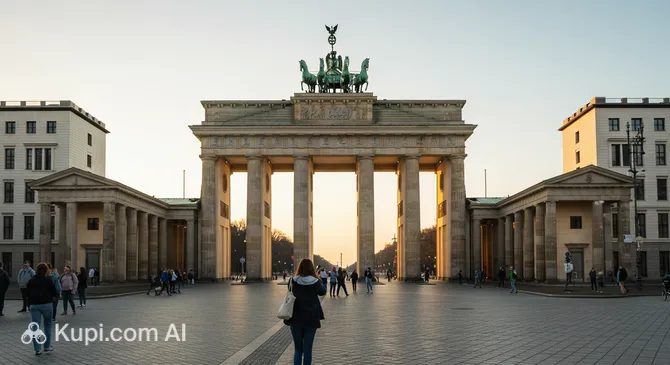
One of the most recognizable symbols not only of Berlin but of all Germany is the Brandenburg Gate. This triumphal arch, built in the 18th century, has witnessed many key historical events. Today, it is a popular spot for photos and a starting point for walks through the center of Berlin.

Illustration.
Source: Kupi.com AI

Traveller photos:

Romantics and lovers of medieval architecture should definitely visit Heidelberg Castle. The majestic ruins of this castle tower over the old town of Heidelberg and the Neckar River, offering breathtaking views. The castle is famous for its rich history and the world's largest wine barrel.

In Hamburg, there is a unique place that will delight both children and adults—Miniatur Wunderland. This is the world's largest model railway, where cities, landscapes, and even an airport with moving planes are recreated with incredible detail. You can spend an entire day here looking at tiny scenes from life.

Another gem of Hamburg is the Elbphilharmonie, a stunning concert hall located on the banks of the Elbe River. Its futuristic architecture with a glass wave-like facade has become a new symbol of the city. Even if you don't plan to attend a concert, it's worth going up to the Plaza observation deck, which offers a panoramic view of the port and the city.

Best Time to Visit

Germany delights tourists with a variety of experiences at any time of year, but the choice of the optimal period depends on your preferences. High season traditionally falls between May and September. During this time, the weather is warm and often sunny, ideal for walking through cities like Berlin or Munich, exploring outdoor attractions, and active recreation. The advantage is the maximum accessibility of tourist sites and a lively atmosphere. However, be prepared for large crowds and higher prices for accommodation and flights.

Shoulder season, spanning spring (March-April) and autumn (October-November), attracts travelers with fewer tourists and more affordable prices. Spring weather can be changeable but delights with the awakening of nature. In autumn, Germany enchants with the golden colors of foliage and offers the chance to visit numerous wine festivals. Winter (December-February) is also considered the low season for most types of tourism, which means fewer queues and a calmer atmosphere in cities and museums, although the weather will be cool. The main winter attraction is undoubtedly the magical Christmas markets held throughout the country. However, in general, during the low season, some smaller tourist sites may operate on a reduced schedule. It is also important to consider that the climate in Germany can vary: in the north, for example in Hamburg, it is more maritime, while in the south, in Bavaria, winters can be snowy and summers hot. Don't forget the world-famous Oktoberfest in Munich, which takes place at the end of September and beginning of October and requires planning well in advance.

Traditions

When planning a trip to Germany, it's helpful to know a few key aspects of the local culture so that your trip is comfortable and respectful. Germans value punctuality above all else, so try not to be late for meetings. When meeting and saying goodbye, it is customary to exchange handshakes while maintaining eye contact, which is considered a sign of sincerity. In communication with strangers or elders, use the respectful "Sie" (You); the transition to "du" (you) is usually offered by the older or higher-status conversation partner. Germans are known for their directness in communication; this is not a sign of rudeness, but rather a desire for clarity. In public places, try to behave with restraint and not be too loud.

If you are invited to a home, it is good manners to bring a small gift for the hosts—for example, flowers (unwrapped, an odd number, and not red roses unless it's a romantic gesture), a bottle of wine, or high-quality chocolate. At the table, it is customary to keep your hands on the table (wrists on the edge), not on your lap. Do not start eating until the host says "Guten Appetit" (Enjoy your meal) or starts eating themselves. Regarding clothing, in everyday life, Germans prefer a comfortable and neat style. When visiting churches and other religious sites, it is worth dressing more modestly, covering shoulders and knees, out of respect for believers, even if there are no strict rules.

One of the most important national holidays in Germany is German Unity Day (Tag der Deutschen Einheit), celebrated on October 3, symbolizing the country's reunification. Christmas (Weihnachten) also plays a huge cultural role, with its famous Christmas markets and deep traditions. To show respect for local order, avoid crossing the road on a red light, even if there are no cars nearby—Germans are very law-abiding. In restaurants and cafes, it is customary to leave a tip, usually about 5-10% of the bill; this can be done by rounding up the amount or telling the waiter the final total including the tip.

Entertainment

Germany offers guests an incredible variety of entertainment for every taste. Outdoor enthusiasts will appreciate the numerous opportunities for hiking and cycling among picturesque landscapes, for example, in the foothills of the Alps or along rivers like the Rhine and Danube. In winter, ski resorts are popular, and in summer, water sports on the lakes and coasts of the North and Baltic Seas. For connoisseurs of cultural events, the country is a real treasure trove: world-famous museums and galleries, opera houses, and concert halls, including the famous Elbphilharmonie in Hamburg, offer a rich program year-round. In almost every major city, be it Berlin, Munich, or Frankfurt am Main, you will find something interesting.

In the evening, Germany comes alive thanks to its diverse nightlife. Berlin is particularly famous for this with its legendary clubs, but in other cities such as Hamburg or Munich, it's easy to find cozy bars, traditional beer gardens, and stylish restaurants. Shopping in Germany is a pleasure in itself. From exclusive boutiques on Königsallee in Düsseldorf to lively shopping streets in every city and large shopping centers like Waterfront Bremen. Popular souvenirs include German beer and wine, traditional sweets (such as Lebkuchen gingerbread), products from local artisans, and, of course, the famous Christmas decorations. For family vacations, the country offers many options: from large theme parks to interactive museums and zoos, such as Rostock Zoo or the unique Miniatur Wunderland in Hamburg.

Currency rates

Planning a trip? Wonderful! To make sure the financial side of your journey holds no surprises, it's worth remembering that exchange rates are constantly changing. That's why we strongly recommend keeping an eye on current rates both before departure and throughout your trip. To help with that, you can use the data provided below — we monitor exchange rates 24/7 and strive to provide the most up-to-date information.

EUR exchange rate for 13/08/2026

4.26 AED
~ 1 EUR
424.12 AMD
~ 1 EUR
1.64 AUD
~ 1 EUR
1.97 AZN
~ 1 EUR
3.45 BYN
~ 1 EUR
1.62 CAD
~ 1 EUR
1 GBP
~ 1.17 EUR
366.40 HUF
~ 1 EUR
110.58 INR
~ 1 EUR
101.38 KGS
~ 1 EUR
1642.09 KRW
~ 1 EUR
539.99 KZT
~ 1 EUR
4.33 PLN
~ 1 EUR
95.92 RUB
~ 1 EUR
4.35 SAR
~ 1 EUR
1.48 SGD
~ 1 EUR
55.36 TRY
~ 1 EUR
51.91 UAH
~ 1 EUR
1.16 USD
~ 1 EUR
13823.98 UZS
~ 1 EUR

Reached the bottom of the page?

Looks like you know this route inside out

We use cookies and services to collect user information. This is essential for the functioning of the site and for marketing purposes. You can find out more in .
