Estonia

About

Nestled on the Baltic Sea coast, Estonia is a wonderful blend of medieval charm and cutting-edge technology. This small Northern European country attracts travelers with its rich history, picturesque nature, and distinctive culture. The heart of the country is its capital, Tallinn, a superbly preserved medieval city listed as a UNESCO World Heritage site.
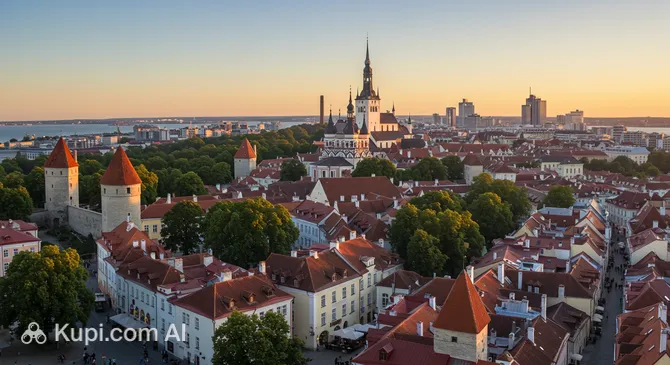
Illustration.
Source: Kupi.com AI

Estonia's cultural heritage is deeply rooted in its Hanseatic past, reflected in the architecture of ancient towns and numerous festivals. The country's nature is equally alluring: endless forests, over 2,000 islands, a scenic coastline with sandy beaches and secluded bays, and unique bog landscapes await you. A popular spot for summer holidays is the resort town of Pärnu, known for its beaches and spa traditions.

Estonia feels like a country where history harmoniously coexists with the future. It is easy to get around, enjoying both urban attractions and the tranquility of nature. In addition to the capital, the university city of Tartu, the country's intellectual and cultural center, is worth visiting, where you can find, for example, the AHHAA Science Centre. Estonia is a place where everyone will find something for themselves, whether exploring ancient castles, walking through national parks, or experiencing the innovative digital culture.

Currency

The official currency of Estonia is the Euro (EUR). As in other Eurozone countries, standard banknotes are used, but Estonian Euro coins have a unique design on the national side, featuring a geographical outline of Estonia. This makes them not only a means of payment but also a small souvenir of your trip.

You can exchange currency for Euros at banks or exchange offices, which are easy to find in cities, especially in Tallinn and other tourist centers. It is recommended to compare rates in several places as they may vary; as a rule, rates at airports and hotels are less favorable. Credit and debit cards (especially Visa and Mastercard) are accepted almost everywhere – in shops, restaurants, hotels, and for services. Cash may be needed for small purchases at markets or in small establishments outside major cities, but overall, Estonia is a country with a high level of cashless payments.

Visa Requirements

When planning a trip to Estonia, it is important to familiarize yourself with the current visa requirements in advance. Citizens of European Union and European Economic Area countries do not need a visa to enter Estonia. For citizens of many other countries, including most CIS countries, a Schengen visa is generally required to visit Estonia. Citizens of some states, such as the USA, Canada, or Australia, may be eligible for visa-free entry for short-term tourist trips; however, conditions should be checked individually.

If a visa is required for your trip, it will be a tourist Schengen visa. It is arranged in advance at the embassy or consulate of Estonia in your country, or at an accredited visa center. In addition to a visa, you will definitely need a valid passport to cross the border. Also, be prepared to provide return tickets, proof of accommodation booking, and a medical insurance policy. Since visa rules can change, we strongly recommend checking the latest information on the official websites of consular services or visa centers of Estonia before your trip.

We'll let you know if you need a visa

Enter your destination or
Your nationality
Destination

Timezones

When planning a trip to Estonia, you won't have to worry about changing time zones within the country. The entire territory of Estonia is in one time zone – Eastern European Time (EET), which corresponds to UTC+2.

Like many European countries, Estonia observes daylight saving time (EEST), when clocks are moved forward one hour, and the time corresponds to UTC+3. This transition usually takes place on the last Sunday of March, and the transition back to winter time on the last Sunday of October. Thus, the time difference with other countries may change depending on the season.

Getting There

You can get to Estonia in several convenient ways, the most popular of which is by air. The country's main international aviation hub is Tallinn Airport, located in the capital, Tallinn. It receives flights from many European cities and offers connections for travelers from other regions of the world. Regular air service makes Estonia easily accessible for tourists.

In addition to air transport, Estonia can be reached by land and sea. The country has a well-developed network of international bus routes connecting it with neighboring states. Ferry crossings across the Baltic Sea are particularly popular, connecting Estonia with Finland (e.g., the Helsinki-Tallinn route) and Sweden. This is not only a convenient but also a scenic way to start your journey.

When planning your trip, it's worth booking tickets in advance, especially if your travel falls during the peak tourist season or public holidays. This will allow you not only to choose the most convenient flights or ferry departures but often to save on travel costs. Early planning is the key to a comfortable and cost-effective trip to Estonia.

AirportCityIATA
Tallinn AirportTallinnTLL
Kuressaare AirportKuressaareURE
Tartu AirportTartuTAY
Pärnu AirportPärnuEPU

Estonia offers travelers an amazing variety of cities and resorts, each with its own unique charm and character. From medieval streets to modern spa complexes, from bustling city centers to peaceful seaside coasts—everyone will find a destination to their liking here. Of course, the main gem and a mandatory stop for many tourists is the capital, Tallinn. This perfectly preserved medieval city, listed as a UNESCO World Heritage site, captivates with its atmosphere, cobbled streets, ancient churches, and powerful fortress walls.

Illustration.
Source: Kupi.com AI

For those dreaming of a beach holiday and wellness, Estonia hospitably opens the doors of its resorts. Pärnu, which rightfully holds the title of the "summer capital" of Estonia, attracts tourists with its long sandy beaches, numerous spa hotels, and lively resort life. Another popular resort, Kuressaare, located on the picturesque island of Saaremaa, is famous for its Episcopal Castle—one of the best-preserved medieval fortresses in the Baltic States—as well as its therapeutic muds and calm, relaxing atmosphere.

History buffs, culture lovers, and those seeking youthful energy should look to Tartu. It is the oldest city in the Baltic States and an important university center, known for its classical university, numerous museums, cozy cafes, and vibrant student life. Each of these cities and resorts offers a unique experience, introducing different facets of Estonia—from its rich historical heritage to modern achievements and natural beauty.

Top Attractions

Estonia is rich in interesting places that can surprise any traveler. Among many attractions, several stand out that should not be missed, each offering a unique look at the history and culture of this Baltic country.

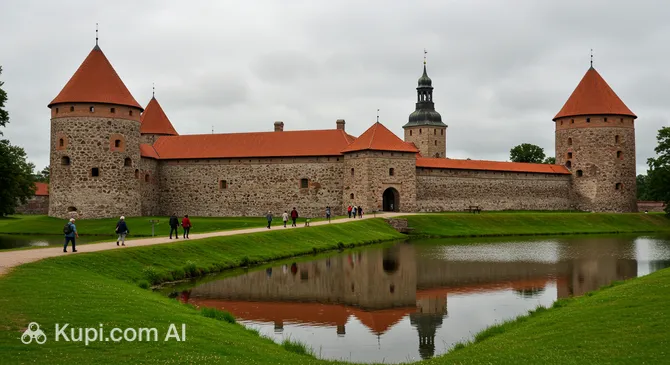
One of the true gems is Kuressaare Castle, majestically rising on the island of Saaremaa. It is one of the best-preserved medieval Episcopal castles in the Baltic States, where you can immerse yourself in the atmosphere of knightly times, explore ancient halls, and enjoy stunning views from its powerful walls.

Illustration.
Source: Kupi.com AI

Traveller photos:

For those traveling with children or who simply love learning new things in an interactive way, the AHHAA Science Centre in Tartu is a must-visit. This is the largest science center in the Baltic States, offering many exciting exhibits, experiments, and even a planetarium, where science comes to life and becomes incredibly interesting.

Illustration.
Source: Kupi.com AI

Traveller photos:

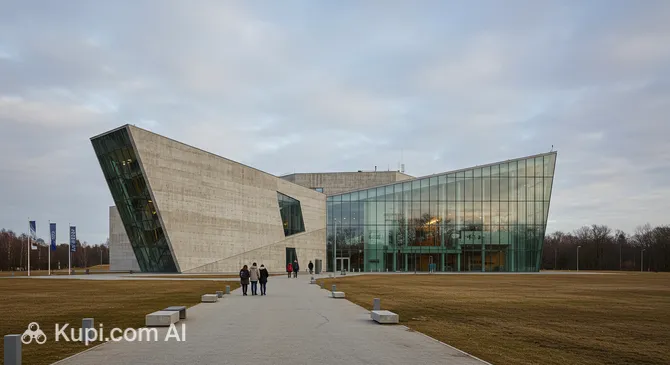
You can gain a deeper understanding of Estonian culture, history, and lifestyle at the Estonian National Museum, also located in Tartu. Its modern building is no less impressive than its rich collections, which tell the story of the Estonian people from ancient times to the present day, their traditions, and achievements.

Illustration.
Source: Kupi.com AI

Traveller photos:

On Estonia's eastern border, in the city of Narva, lies the impressive Narva Castle, also known as Hermann Castle. Within its walls is the Narva Museum, with exhibitions dedicated to the rich history of the city and the region. The castle tower offers a unique view of the Narva River and the Ivangorod Fortress on the opposite bank.

Best Time to Visit

Estonia is beautiful at any time of year, but choosing the optimal season for your trip largely depends on your plans and preferences. The high tourist season traditionally falls during the summer months – from June to August. This period offers warm, often sunny weather with average temperatures of +18-25°C, ideal for long walks through the medieval streets of Tallinn, beach holidays in the resort town of Pärnu, or exploring the numerous islands. Long daylight hours allow you to make the most of your time. Drawbacks of the summer period include larger crowds of tourists and, consequently, higher prices for accommodation and certain services.

The low season, covering spring, autumn, and winter, also has its undeniable advantages. Spring (April-May) delights with awakening nature, blooming gardens, and more affordable prices, although the weather can be quite changeable. Autumn (September-October) is a time for golden landscapes, comfortable temperatures for excursions to places like the university town of Tartu or cozy Viljandi, and significantly fewer travelers. Winter (November-March) in Estonia is truly magical: snowy landscapes, especially away from the coast, and the enchanting atmosphere of Christmas markets, one of the most famous of which is held in Tallinn. However, be prepared for short daylight hours and frosty weather. In the off-season, some tourist sites, especially in small towns or rural areas, may operate on a reduced schedule or be temporarily closed.

When planning your trip, take note of cultural events. In summer, Estonia hosts many festivals, including the famous Song and Dance Celebration (held once every few years, so check dates in advance), as well as various musical and themed events throughout the country. Spring is a great time for birdwatching, as the country lies on important migration routes. Although Estonia is a small country, the climate on the coast (for example, in Haapsalu or Kuressaare) is usually slightly milder in winter and cooler in summer than in continental areas, such as the surroundings of Narva. In any case, every season in Estonia is attractive in its own way and can provide an unforgettable experience.

Traditions

Estonians are generally quite reserved upon first meeting but very hospitable and friendly once you get to know them. A greeting usually includes a handshake and direct eye contact; using first names is adopted fairly quickly. Punctuality is highly valued here, so try not to be late for meetings. If you are invited to someone's home, it is good etiquette to bring a small gift for the hosts – for example, flowers (an odd number, avoid red roses unless it's a romantic gesture), high-quality chocolate, or a bottle of good wine. In communication, Estonians value personal space, so try not to be overly intrusive or loud, especially in public places. They also don't tend to make "small talk" about the weather, preferring more meaningful conversations, but you should not ask too personal questions right away.

There are no special dress code requirements for everyday life in Estonia; the style of clothing is predominantly European and casual. However, when visiting churches and other religious sites, it is worth dressing more modestly, covering shoulders and knees. At the table, standard European rules of etiquette are followed: do not start eating before the hosts and keep your hands (at least your wrists) on the table if you are not using utensils. One of the most beloved and vibrant holidays in Estonia is Jaanipäev (St. John's Day), celebrated on June 23-24 – a time of bonfires, songs, and folk festivities rooted in ancient pagan traditions of celebrating the summer solstice. Estonia's Independence Day, celebrated on February 24, is also very important. To show respect for the local culture, avoid comparing Estonia to other Baltic countries or Russia, do not be late, and remember that Estonians are quite pragmatic people who value specifics and directness.

Entertainment

Estonia offers a variety of entertainment for every taste, capable of satisfying the requests of many different travelers. Active recreation enthusiasts will appreciate the numerous opportunities for hiking and cycling through picturesque forests, bogs, and national parks, such as Lahemaa. The Baltic coast and inland lakes are ideal for water sports, including kayaking, sailing, and windsurfing, while in winter, cross-country skiing and ice skating are popular. For those who prefer cultural leisure, the country is rich in museums, art galleries, theaters, and concert halls, especially in Tallinn and the university city of Tartu. Estonia is famous for its musical traditions, and various festivals are held regularly, including the famous song festivals.

Estonia's nightlife is most vibrant in the capital, Tallinn, where the medieval Old Town and modern districts like Telliskivi are home to many bars, pubs, clubs, and restaurants with diverse atmospheres. Other cities, such as Tartu, also offer lively evening entertainment aimed at both students and tourists. As for shopping, traditional Estonian souvenirs include amber, linen, and wool products, original handicrafts, local chocolate and marzipan, as well as the famous "Vana Tallinn" liqueur. The main shopping areas are in the centers of major cities, where you can find both modern shopping malls, like the Ülemiste Centre in Tallinn, and authentic markets, such as the Baltic Station Market, which offers local products and souvenirs.

Families with children will also find many interesting activities in Estonia. The country offers engaging family entertainment, including interactive science centers, the most famous being the AHHAA Science Centre in Tartu. In addition, there are various theme parks, rope courses, and water parks, which are especially popular during the summer season. Beaches, such as those in the resort town of Pärnu, often called the "summer capital" of Estonia, become a center of attraction for family holidays, offering safe swimming and seaside entertainment.

Currency rates

Planning a trip? Wonderful! To make sure the financial side of your journey holds no surprises, it's worth remembering that exchange rates are constantly changing. That's why we strongly recommend keeping an eye on current rates both before departure and throughout your trip. To help with that, you can use the data provided below — we monitor exchange rates 24/7 and strive to provide the most up-to-date information.

EUR exchange rate for 14/08/2026

4.26 AED
~ 1 EUR
424.01 AMD
~ 1 EUR
1.64 AUD
~ 1 EUR
1.97 AZN
~ 1 EUR
3.47 BYN
~ 1 EUR
1.62 CAD
~ 1 EUR
1 GBP
~ 1.16 EUR
365.46 HUF
~ 1 EUR
110.54 INR
~ 1 EUR
101.33 KGS
~ 1 EUR
1643.50 KRW
~ 1 EUR
539.54 KZT
~ 1 EUR
4.33 PLN
~ 1 EUR
96.56 RUB
~ 1 EUR
4.36 SAR
~ 1 EUR
1.48 SGD
~ 1 EUR
55.35 TRY
~ 1 EUR
51.83 UAH
~ 1 EUR
1.16 USD
~ 1 EUR
13853.12 UZS
~ 1 EUR

Reached the bottom of the page?

Looks like you know this route inside out

We use cookies and services to collect user information. This is essential for the functioning of the site and for marketing purposes. You can find out more in .