Denmark

About

Denmark is a charming Scandinavian country that attracts travelers with its unique blend of rich history, modern design, and a wonderfully cozy atmosphere. Situated on the Jutland Peninsula and numerous islands, Denmark offers picturesque landscapes with a long coastline, rolling plains, and ancient towns. It is a country where fairy tales meet reality, and innovations harmoniously coexist with centuries-old traditions.

The heart of Denmark is undoubtedly its capital, Copenhagen, a city of colorful embankments, royal palaces, and world-renowned restaurants. Denmark's history is rooted in the Viking era, which left a significant mark on the country's culture. Hans Christian Andersen's fairy tales were born here, and the concept of "hygge" — the Danish art of creating coziness and enjoying life — has become known worldwide. Danish design is also a hallmark of the country, characterized by minimalism, functionality, and elegance.
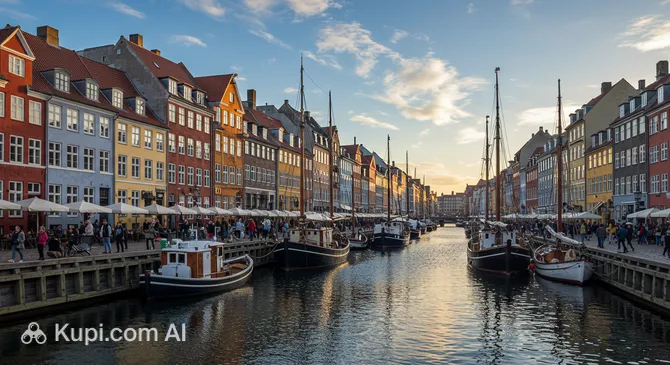
Illustration.
Source: Kupi.com AI

Besides the capital, Denmark offers many interesting places to visit. For example, you can head to Aarhus, the country's second-largest city, famous for its open-air museum Den Gamle By, or visit the world-famous theme park Legoland Billund. Denmark's nature, although it does not feature high mountains, captivates with its well-kept forests, clean beaches, and cycling opportunities. The mild maritime climate makes traveling comfortable at any time of year, and the hospitality of the locals will leave the warmest memories.

Currency

The official currency of Denmark is the Danish krone, with the international code DKK. Modern Danish banknotes are notable for their design: one side features the country's famous bridges, while the other depicts significant archaeological artifacts. An interesting feature of some Danish coins (for example, the 1, 2, and 5 krone denominations) is the hole in the center, making them easily recognizable.

It is recommended to exchange currency at banks or official exchange offices, as rates at airports or hotels may be less favorable. Credit cards (especially Visa and Mastercard) are accepted almost everywhere in Denmark – in shops, restaurants, hotels, and for transport services. Nevertheless, it is always useful to carry a small amount of cash for minor expenses, particularly in small towns or at markets. Before your trip, it is worth notifying your bank of your plans to use the card abroad to avoid potential blocks.

Visa Requirements

When planning a trip to Denmark, it is important to clarify the visa requirements in advance. Citizens of European Union (EU) countries and the European Economic Area (EEA) do not require a visa to enter Denmark. For citizens of many other countries, including the USA, Canada, and Australia, a visa-free regime also applies for short-term tourist trips (usually up to 90 days). However, if you are a citizen of a country not included in these lists, such as certain CIS countries, you will likely need a Schengen visa. This visa must be applied for in advance through the Danish embassy or consulate in your country of residence.

Regardless of whether you need a visa, a valid international passport is a mandatory requirement for entering Denmark, and its validity must exceed the intended date of departure from the Schengen Area. It is also recommended to carry confirmation of hotel bookings, return tickets, and medical insurance. As visa rules can change, we strongly advise checking the most up-to-date information on the official website of the Danish embassy or the authorized visa center in your country before your trip.

We'll let you know if you need a visa

Enter your destination or
Your nationality
Destination

Timezones

Denmark, including its continental part and the capital Copenhagen, is located in a single time zone. The standard time here is Central European Time (CET), which corresponds to UTC+1. During the summer period, the country switches to Central European Summer Time (CEST), which is two hours ahead of Coordinated Universal Time (UTC+2).

It is important to note that the Kingdom of Denmark also includes autonomous territories — Greenland and the Faroe Islands. These regions have their own time zones, which differ from the time in continental Denmark. Therefore, if you plan to visit Greenland or the Faroe Islands, be sure to check the time difference to correctly plan your travels and activities.

Getting There

You can get to Denmark in several convenient ways, the choice of which depends on your location and preferences. The most popular option is, of course, air travel. The country's main international hub is Copenhagen Airport (Kastrup), which receives flights from most major cities in Europe, North America, Asia, and the Middle East. Direct flights and convenient connections make traveling to Denmark fast and comfortable. Other international airports, such as the one in Billund, also handle flights, primarily from European countries.

Thanks to its geographical location and developed infrastructure, Denmark is also easily accessible by land and sea transport. International trains connect Copenhagen with major cities in Germany and Sweden, offering scenic routes. Intercity buses are another affordable option for travelers from various European countries. Additionally, numerous ferry lines connect Denmark with Norway, Sweden, Germany, and Poland. This is a particularly convenient way for those traveling by car or simply wanting to enjoy a sea voyage.

Regardless of the chosen mode of transport, it is recommended to book tickets in advance, especially if your trip coincides with the peak tourist season (usually the summer months and major holiday periods). Advance booking will help you not only secure the best prices but also guarantee availability.

AirportCityIATA
Copenhagen AirportCopenhagenCPH
Billund AirportBillundBLL
Aalborg AirportAalborgAAL
Aarhus AirportAarhusAAR
Bornholm AirportRønneRNN

Denmark, a country with a rich history and picturesque landscapes, offers travelers many interesting cities and resorts. From bustling metropolises to cozy coastal towns, everyone will find something for themselves. Of course, the main gem is the capital — Copenhagen. This city is famous for its royal atmosphere, iconic landmarks such as the Little Mermaid and palaces, as well as its modern design and gastronomic scene.

Illustration.
Source: Kupi.com AI

Besides the capital, Denmark takes pride in other attractive locations. For example, Aarhus, the country's second-largest city, is an important cultural center with many museums, including the famous open-air museum Den Gamle By. For a family holiday, Billund, the birthplace of the world-famous Legoland theme park, is an ideal choice. Lovers of seascapes and art will appreciate Skagen, a resort town at the northern tip of Jutland, known for its unique light that has inspired many artists.

If you are drawn to history and literature, be sure to visit Helsingør, home to the majestic Kronborg Castle, known as Hamlet's Castle. Each of these cities and resorts offers its own unique experience, introducing you to various facets of Danish culture, history, and nature. Explore them to form your own impression of multifaceted Denmark!

Top Attractions

Denmark, a country of fairy tales and innovation, offers travelers many amazing places. Among the most iconic attractions are those that provide unforgettable experiences for both adults and children.

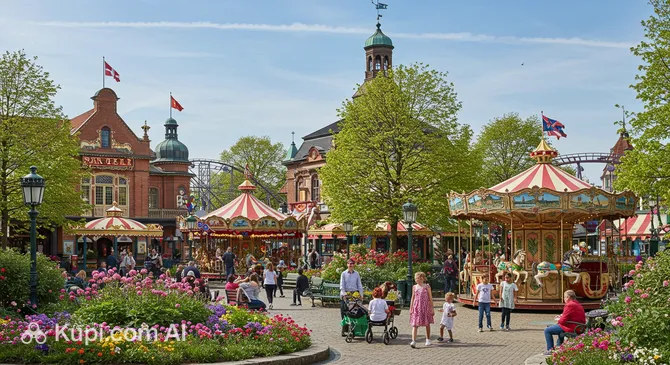
One of the symbols of Denmark and a must-see in Copenhagen is the famous Tivoli Gardens. This is one of the oldest amusement parks in the world, enchanting visitors with its atmosphere, beautiful gardens, exciting rides, and regular concerts. You can spend an entire day here, enjoying both quiet walks and adrenaline-pumping roller coasters.

Illustration.
Source: Kupi.com AI

Traveller photos:

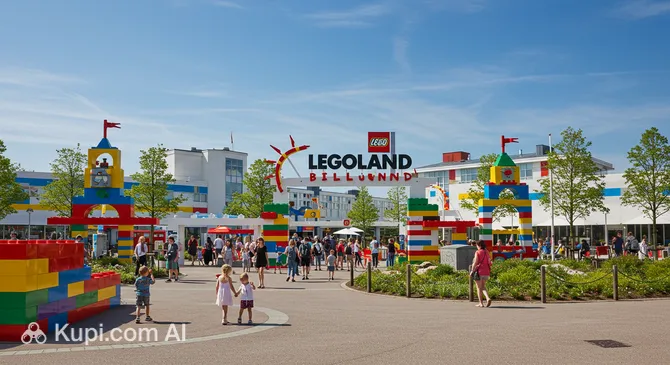
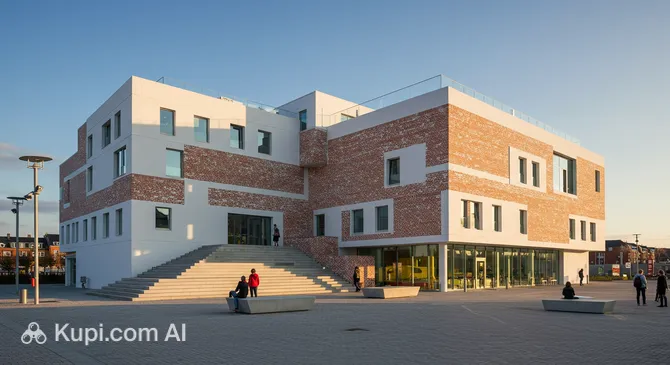
For a family holiday and all fans of the famous building blocks, it is impossible to imagine a trip to Denmark without visiting Legoland in Billund. This is an entire world built from millions of LEGO® bricks, where fairy-tale characters come to life, miniature copies of world landmarks stand tall, and, of course, exciting attractions await. Nearby is the LEGO House, offering even more interactive entertainment.

Illustration.
Source: Kupi.com AI

Traveller photos:

Illustration.
Source: Kupi.com AI

Traveller photos:

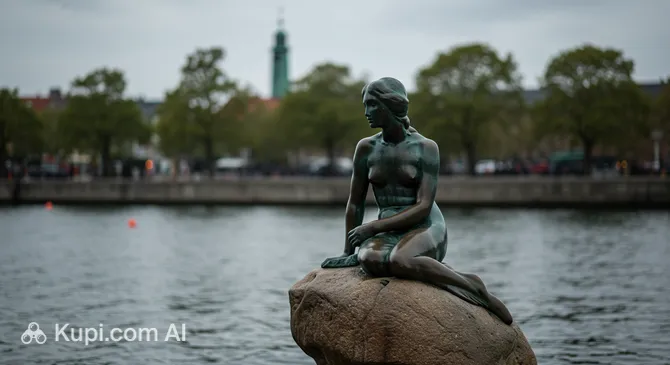
Another hallmark of Copenhagen is the touching sculpture of The Little Mermaid, the heroine of Hans Christian Andersen's fairy tale. Located on the Langelinie promenade, it attracts tourists from all over the world who wish to see this elegant monument and take a commemorative photo.

Illustration.
Source: Kupi.com AI

Traveller photos:

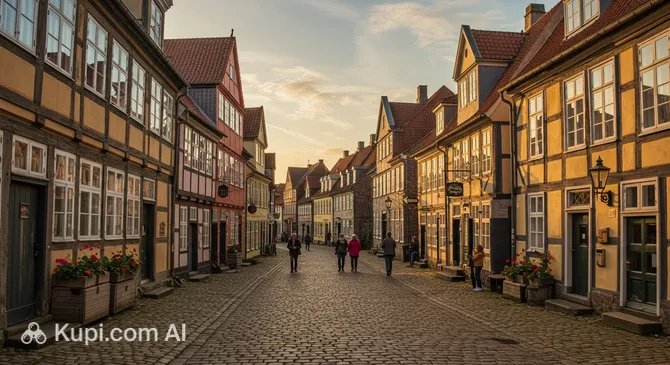
To dive into Denmark's past, it is worth visiting The Old Town (Den Gamle By) in Aarhus. This unique open-air museum is a collection of 75 historical buildings from all over Denmark, relocated and reconstructed here. A stroll through its streets is a true journey through time, allowing you to see how Danes lived in different eras.

Illustration.
Source: Kupi.com AI

Traveller photos:

Best Time to Visit

Denmark is charming at any time of year, but the best period for your trip depends on your preferences. The high season traditionally falls during the summer months – from June to August. This time features the warmest and sunniest weather, ideal for exploring cities like Copenhagen or Aarhus, cycling, and relaxing on the coast, for instance, in Skagen. It is also the season for numerous open-air festivals, including the famous Roskilde music festival. However, summer is when Denmark sees the most tourists, which affects accommodation prices and queues at popular attractions.

The low season, or shoulder season, covers spring (April-May) and autumn (September-October). The weather during these periods can be changeable, ranging from pleasant sunny days to cool and rainy ones, but there are significantly fewer tourists and prices are more affordable. In spring, you can witness nature in bloom, and in autumn, you can enjoy the golden colors of the parks. Winter (November-March) is the quietest time. The days become short and cool, but it is an excellent opportunity to experience Danish "hygge" – the cozy atmosphere in cafes, visit Christmas markets, which are especially picturesque in Odense, or explore museums without the rush. Although Denmark is not a very large country, the weather on the west coast may differ slightly from the east, so it is always useful to check the forecast for a specific region before your trip.

Traditions

Danes value informal but respectful communication. When meeting, it is customary to shake hands and maintain eye contact, which is considered a sign of openness. Although Danes may seem reserved at first glance, they are very hospitable. If you are invited to a home, it is good manners to bring a small gift for the hosts — for example, flowers, quality chocolate, or a bottle of wine. Punctuality is highly valued here, so try not to be late for both business meetings and friendly gatherings.

In everyday life, Danes prefer a comfortable and practical style of clothing. There are no strict requirements for appearance in public places; however, when visiting churches, it is better to opt for modest clothing that covers shoulders and knees. At the table, remember a few simple rules: wait for the host to offer a toast (saying "Skål!") before drinking, and keep your hands (wrists) on the table rather than on your lap. Danes are also famous for their concept of "hygge" — the ability to create a cozy, warm, and friendly atmosphere, so relax and enjoy the moment.

To better understand Danish culture, it is worth learning about local holidays. Christmas (Jul) is the main family holiday, full of coziness, traditional dishes, and gifts. Another important celebration is St. John's Eve (Sankt Hans Aften) at the end of June, when bonfires are lit across the country and songs are sung to mark the summer solstice. In general, Danes value modesty, equality, and honesty. Avoid excessive boasting, loud behavior in public places, and do not try to jump queues. Respect for personal space and established norms will help you easily find common ground with the locals and make your trip to Denmark even more pleasant.

Entertainment

Denmark is a country where everyone will find entertainment to their liking, whether it be active outdoor recreation, immersion in rich culture, or fun for the whole family. Thanks to its developed infrastructure and attention to detail, a holiday here becomes truly comfortable and memorable. From picturesque coastlines to vibrant city centers, Denmark offers a kaleidoscope of impressions.

Outdoor enthusiasts will appreciate the countless cycling routes passing through scenic landscapes, as well as opportunities for water sports such as windsurfing and kayaking along the coast. For families with children, Denmark is a true paradise. The main magnet is undoubtedly the world-famous Legoland in Billund, but beyond that, there are many theme parks, interactive museums, and zoos that will bring joy to both adults and young travelers. For example, you can visit interesting places in Billund or explore the sights of Odense.

Denmark's cultural life is concentrated in its cities, especially in Copenhagen, Aarhus, and Odense. Here you will find many world-class museums, art galleries, theaters, and concert halls offering programs for every taste. In the evening, the cities come alive: numerous bars, from traditional Danish "bodegas" to trendy cocktail bars, restaurants with innovative Nordic cuisine, and cozy cafes create a unique atmosphere. Nightlife can be both calm and relaxed or quite lively in club districts.

Shopping in Denmark is primarily an introduction to famous Scandinavian design. Look for stylish clothing from local brands, interior items, porcelain, and, of course, LEGO sets. Popular souvenirs include handmade crafts, Danish sweets, and traditional jewelry. The main shopping streets and districts are concentrated in major cities, where you can find both large department stores and small designer boutiques.

Currency rates

Planning a trip? Wonderful! To make sure the financial side of your journey holds no surprises, it's worth remembering that exchange rates are constantly changing. That's why we strongly recommend keeping an eye on current rates both before departure and throughout your trip. To help with that, you can use the data provided below — we monitor exchange rates 24/7 and strive to provide the most up-to-date information.

DKK exchange rate for 13/08/2026

1 AED
~ 1.76 DKK
56.73 AMD
~ 1 DKK
1 AUD
~ 4.56 DKK
1 AZN
~ 3.79 DKK
1 BYN
~ 2.17 DKK
1 CAD
~ 4.63 DKK
1 EUR
~ 7.44 DKK
1 GBP
~ 8.71 DKK
49.01 HUF
~ 1 DKK
14.79 INR
~ 1 DKK
13.56 KGS
~ 1 DKK
219.65 KRW
~ 1 DKK
72.23 KZT
~ 1 DKK
1 PLN
~ 1.73 DKK
12.83 RUB
~ 1 DKK
1 SAR
~ 1.72 DKK
1 SGD
~ 5.04 DKK
7.41 TRY
~ 1 DKK
6.94 UAH
~ 1 DKK
1 USD
~ 6.45 DKK
1849.14 UZS
~ 1 DKK

Reached the bottom of the page?

Looks like you know this route inside out

We use cookies and services to collect user information. This is essential for the functioning of the site and for marketing purposes. You can find out more in .