Iceland

About

Iceland, an island nation in the North Atlantic often called the "Land of Ice and Fire," beckons travelers with its incredible contrasts. This is a place where the rugged beauty of volcanic landscapes meets the icy breath of the Arctic, creating truly unique scenery. Everyone will find something here: from outdoor enthusiasts to those seeking tranquility and pristine nature.

Iceland's nature is its main treasure. Mighty glaciers, active volcanoes, bubbling geysers, and majestic waterfalls create an unforgettable picture. In winter, you can witness the magical Northern Lights, while in summer, you can enjoy the midnight sun. The climate is subarctic and maritime, softened by the influence of the Gulf Stream, but the weather can be very unpredictable, adding an element of adventure to any trip.
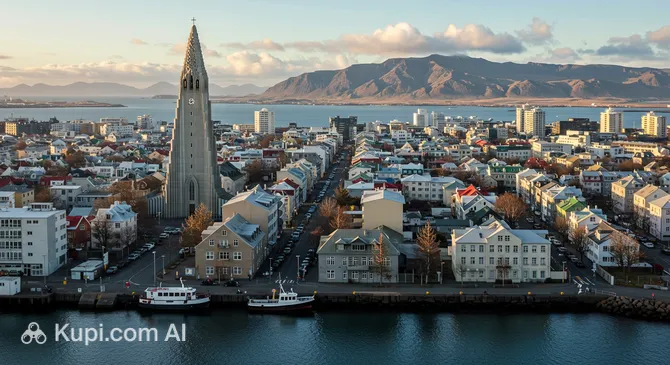
Illustration.
Source: Kupi.com AI

Icelandic culture is rooted in the Viking Age, and this heritage is carefully preserved in sagas and traditions. Modern Iceland is a dynamically developing country with a vibrant capital, Reykjavik, where you can visit iconic sites such as the Hallgrimskirkja church or Harpa Concert Hall. Icelanders are known for their friendliness and hospitality, creating a warm and welcoming atmosphere for all visitors to this amazing island. Many travelers also begin their discovery of the country from the city of Keflavik, where the main international airport is located.

Currency

The national currency of Iceland is the Icelandic króna (international code ISK). The banknotes feature important historical figures of the country, and coins often depict local fauna, especially marine life, highlighting Iceland's close connection to the ocean. You can exchange currency at banks or official exchange offices located at the airport and in major cities. It is recommended to avoid exchanging money with private individuals.

Iceland is a country where cashless payments are extremely widespread. Credit and debit cards (especially Visa and Mastercard) are accepted almost everywhere, even for small purchases. In many cases, you can get by with a minimum amount of cash or none at all. Nevertheless, carrying a small amount of króna can be useful for minor expenses in remote areas or in case of unforeseen situations.

Visa Requirements

Citizens of countries within the European Union (EU) and the European Economic Area (EEA) do not require a visa to enter Iceland. Citizens of many other countries, including the USA, Canada, and Australia, can also visit Iceland visa-free for up to 90 days for tourism purposes. However, for citizens of several other states, including some CIS countries, a Schengen visa is required to enter Iceland. This visa should generally be applied for in advance at the embassy or consulate of Iceland (or the country representing its visa interests) in your country of residence.

Regardless of visa requirements, all travelers need a valid passport with an expiration date at least three months beyond the intended date of departure from the Schengen area. It is also recommended to carry return tickets, confirmation of hotel reservations, and medical insurance covering the entire period of stay. Since visa rules can change, we strongly advise checking for current information on the official website of the Icelandic embassy or visa center in your country before your trip.

We'll let you know if you need a visa

Enter your destination or
Your nationality
Destination

Timezones

When planning a trip to Iceland, you won't have to worry about changing time zones within the country. The entire territory of Iceland is in a single time zone – GMT (Greenwich Mean Time, UTC+0). This means the time is the same in all regions, including the capital Reykjavik.

It is important to note that Iceland does not observe daylight saving time, so the time difference with your country may change depending on the season if your region practices such changes. This simplifies planning domestic travel, as you won't need to adjust your watch while traveling across this amazing island.

Getting There

There are several ways to reach Iceland, the land of ice and fire, but the most popular and convenient is undoubtedly by air. The main gateway to the country is Keflavik International Airport (KEF), located near the capital, Reykjavik. Regular flights operate here from many cities in Europe and North America, both direct and with connections. Domestic flights are also well-developed, linking the capital with other regions of the island.

Since Iceland is an island, there are no land connections to other countries. However, for those who prefer sea travel, it is possible to reach Iceland by ferry. For example, the Smyril Line operates a ferry service from Denmark with a stopover in the Faroe Islands. This is a longer but incredibly scenic way to experience the northern seas. Additionally, Iceland is a popular destination for Arctic cruise ships that call at its ports during the summer season.

Regardless of the chosen method, it is recommended to book tickets in advance, especially if your trip coincides with the peak tourist season (summer and the Christmas holiday period). This will not only help you save money but also guarantee availability, as Iceland attracts more travelers from around the world every year.

AirportCityIATA
Keflavik International AirportReykjavikKEF
Akureyri AirportAkureyriAEY
Egilsstadir AirportEgilsstadirEGS
Isafjordur AirportIsafjordurIFJ

Iceland offers travelers an amazing variety of destinations, from lively urban centers to secluded settlements surrounded by pristine nature. Everyone will find a route to their liking here, whether it is exploring the cultural capital or immersing themselves in wild landscapes.

The main center of attraction is undoubtedly Reykjavik. It is not only the capital but also the cultural heart of Iceland, where modern architecture stands alongside cozy streets, and museums and galleries tell the stories of Viking history and their descendants. Reykjavik is the ideal base for beginning your exploration of the country.

Illustration.
Source: Kupi.com AI

Beyond the capital, equally interesting towns and regions await travelers. Keflavik, home to the main international airport, often serves as the first or last stop of an Icelandic adventure. Lovers of unique natural landscapes should head to the Myvatn lake area, known for its geothermal fields, volcanic craters, and rich birdlife. The town of Grundarfjordur on the Snæfellsnes Peninsula attracts photographers from all over the world with its famous Mount Kirkjufell. And in the southeast of the country lies Höfn – a charming fishing port offering views of the majestic glaciers of Vatnajökull National Park.

Top Attractions

Iceland, the land of ice and fire, captivates the imagination not only with its natural wonders but also with its unique man-made attractions. Everyone will find something of interest here, from historical museums to futuristic architecture.

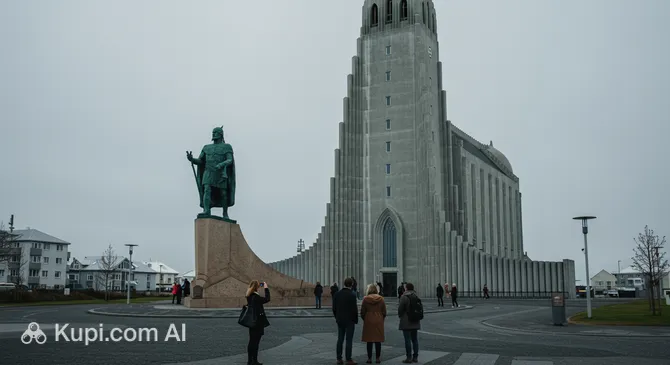
One of Iceland's most recognizable structures is undoubtedly Hallgrimskirkja. This majestic Lutheran church in Reykjavik strikes visitors with its design, inspired by the basalt columns found in Icelandic nature. Climb to its observation deck to enjoy breathtaking panoramic views of the capital and the surrounding mountains.

Illustration.
Source: Kupi.com AI

Traveller photos:

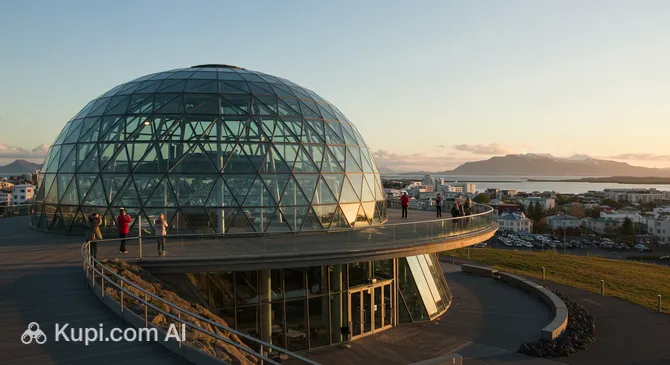
Another iconic site in Reykjavik is Perlan. This unique building, constructed atop hot thermal water tanks, is now a cultural center. Inside, you will find fascinating exhibitions dedicated to Iceland's nature, an ice cave, a planetarium, as well as a 360-degree observation deck and a revolving restaurant.

Illustration.
Source: Kupi.com AI

Traveller photos:

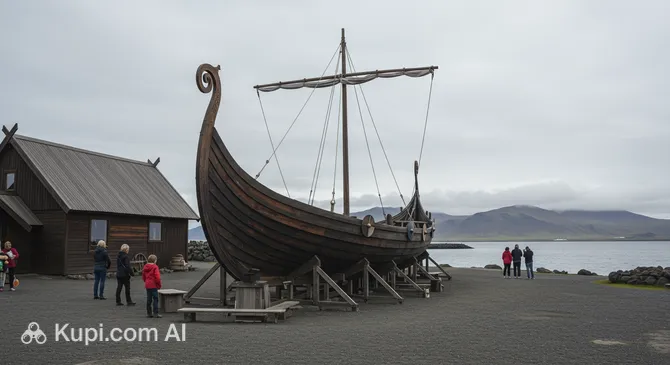
For those interested in Viking history, the Viking World museum, located near Keflavik, is a must-visit. The museum's main exhibit is an impressive full-size replica of the Viking ship "Íslendingur" ("Icelander"), which was used for an expedition to North America. The museum offers an immersion into the Viking Age to learn more about their culture, daily life, and sea voyages.

Illustration.
Source: Kupi.com AI

Traveller photos:

Best Time to Visit

Choosing when to visit Iceland is a key factor that will define the character of your journey through this incredible land of ice and fire. The high season falls in the summer, from June to August. This is the time of long daylight hours when you can enjoy the midnight sun phenomenon, and the weather is most mild and predictable, with temperatures around 10-15°C. Summer is ideal for traveling the famous Ring Road, hiking in the mountains, visiting the highlands, and watching whales and charming puffins (usually until mid-August). However, be prepared for large crowds of tourists and higher prices for accommodation and services.

The low season spans spring, autumn, and winter, offering a completely different experience. The shoulder season (May, September-October) attracts fewer travelers and offers more affordable prices. The weather becomes cooler and more changeable, but in September you can catch vibrant autumn colors, and from late September there is a chance to see the Northern Lights. Winter (November to April) is the time to hunt for the Aurora Borealis (Northern Lights), visit magical ice caves, and enjoy the harsh beauty of snow-covered landscapes. Daylight hours are short, and the weather can be quite severe with frost and snowfall, leading to the closure of some roads, especially in highland areas. However, it is in winter that Iceland reveals its mystical, primal side.

In addition to seasonal phenomena like the Northern Lights and the midnight sun, it is worth paying attention to various festivals held throughout the year, such as musical or cultural events in Reykjavik. Regardless of the time of year you choose, remember that the weather in Iceland is famous for its variability – even in summer, you should be ready for wind and rain. Therefore, always check the forecast for the specific regions you plan to visit and pack layered clothing.

Traditions

Iceland is a country with a unique culture, and knowing local customs will help make your trip even more pleasant. Icelanders are generally friendly, direct, and value honesty in communication. When meeting, it is customary to exchange handshakes and maintain eye contact. Interestingly, they move to a first-name basis quite quickly and address each other by name, even in official settings. If you are invited to someone's home, Icelanders will appreciate your punctuality; a small symbolic gift, such as a souvenir from your country or something sweet, is a nice gesture, though not strictly required. Locals are very proud of their language and rich history, so a sincere interest in their culture is always received positively.

In daily life in Iceland, there are no strict dress codes, but when visiting churches, it is better to opt for more modest attire. Given the changeable weather, practicality and layering are your best allies. At the table, follow standard European etiquette; if you are a guest, offering help with clearing the dishes is considered good manners. Among the important holidays for Icelanders are Independence Day (June 17), celebrated on a large scale across the country, and the traditional winter Yule celebrations, filled with unique local flavor preceding Christmas. To show respect, try not to compare Iceland with other countries in a negative light and, most importantly, treat the unique Icelandic nature with care – do not leave trash and follow the signs on tourist trails.

Entertainment

Iceland is a true paradise for outdoor enthusiasts and adventure seekers. The country offers endless opportunities for hiking through unique volcanic landscapes, along majestic glaciers, and impressive waterfalls. In winter, you can go in search of the Northern Lights, try ice climbing, or explore ice caves, while in summer, you can go diving in the crystal-clear waters of the Silfra fissure or take a horseback ride on the famous Icelandic horses. Whale and puffin watching boat tours are also popular.

The cultural life of Iceland, though primarily concentrated in the capital Reykjavik, is surprisingly diverse and original. Here you will find interesting museums dedicated to Viking history, ancient sagas, the island's unique nature, and volcanic activity, as well as modern art galleries and concert venues where Icelandic music is frequently played. In the evening, Reykjavik comes alive: numerous bars, pubs, and restaurants offer a cozy atmosphere and local delicacies. The capital's nightlife is known for its friendly and laid-back vibe, especially on weekends.

Regarding shopping, traditional souvenirs from Iceland include the famous warm, hand-knitted "lopapeysa" wool sweaters, items made from volcanic lava, designer jewelry, and cosmetics based on natural Icelandic ingredients like thermal water and seaweed. The main shopping streets with stores, boutiques, and souvenir shops are located in the center of Reykjavik. For family vacations, Iceland offers many exciting activities: from visiting numerous outdoor geothermal pools that both adults and children will love, to exploring Icelandic folklore full of stories about elves and trolls, and, of course, discovering incredible natural wonders that will leave an unforgettable impression on the whole family.

Currency rates

Planning a trip? Wonderful! To make sure the financial side of your journey holds no surprises, it's worth remembering that exchange rates are constantly changing. That's why we strongly recommend keeping an eye on current rates both before departure and throughout your trip. To help with that, you can use the data provided below — we monitor exchange rates 24/7 and strive to provide the most up-to-date information.

ISK exchange rate for 14/08/2026

1 AED
~ 33.40 ISK
2.98 AMD
~ 1 ISK
1 AUD
~ 86.54 ISK
1 AZN
~ 72.14 ISK
1 BYN
~ 40.90 ISK
1 CAD
~ 87.97 ISK
1 EUR
~ 141.40 ISK
1 GBP
~ 165.45 ISK
2.57 HUF
~ 1 ISK
1 INR
~ 1.29 ISK
1 KGS
~ 1.40 ISK
11.56 KRW
~ 1 ISK
3.80 KZT
~ 1 ISK
1 PLN
~ 32.83 ISK
1 RUB
~ 1.47 ISK
1 SAR
~ 32.61 ISK
1 SGD
~ 95.79 ISK
1 TRY
~ 2.57 ISK
1 UAH
~ 2.74 ISK
1 USD
~ 122.64 ISK
97.48 UZS
~ 1 ISK

Reached the bottom of the page?

Looks like you know this route inside out

We use cookies and services to collect user information. This is essential for the functioning of the site and for marketing purposes. You can find out more in .