Spain

About

Spain, a country of passion, sun, and rich history, beckons travelers from all over the world. Located on the Iberian Peninsula in southwestern Europe, it is washed by the waters of the Mediterranean Sea and the Atlantic Ocean, offering diverse landscapes—from golden beaches to majestic mountain ranges. This is a place where everyone will find something for themselves, whether it be bustling cities, quiet villages, or picturesque islands.

Spain's cultural heritage is incredibly multifaceted, having absorbed the influences of the Romans, Moors, and many other civilizations. It is the land of flamenco, bullfighting, vibrant festivals, and world-renowned artists. The heart of the country is its capital, Madrid, a dynamic city known for its world-class museums, lively nightlife, and beautiful architecture.
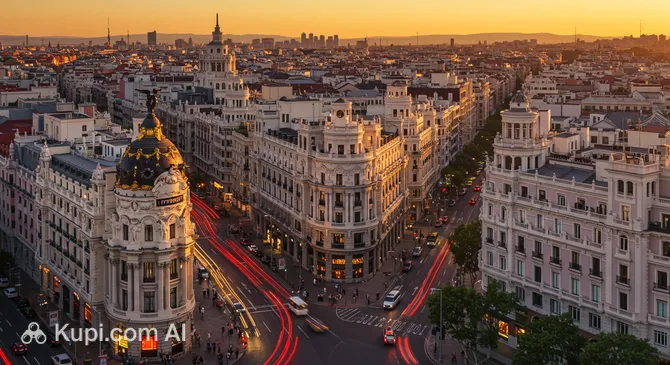
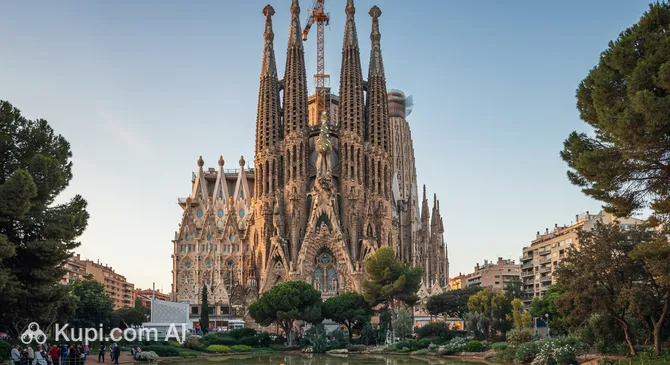
Illustration.
Source: Kupi.com AI

Spain's nature is as diverse as its culture: from the green valleys of Galicia to the volcanic landscapes of the Canary Islands and sun-drenched coasts. The mild Mediterranean climate in most of the territory makes it attractive to visit year-round. Cities like Barcelona, with its famous Sagrada Familia Basilica, offer a unique blend of historical charm and modern avant-garde. The atmosphere in Spain is always welcoming, inviting you to take leisurely strolls, enjoy delicious food and wine, and immerse yourself in the vibrant local flavor.

Currency rates

Planning a trip? Wonderful! To make sure the financial side of your journey holds no surprises, it's worth remembering that exchange rates are constantly changing. That's why we strongly recommend keeping an eye on current rates both before departure and throughout your trip. To help with that, you can use the data provided below — we monitor exchange rates 24/7 and strive to provide the most up-to-date information.

EUR exchange rate for 13/08/2026

4.26 AED
~ 1 EUR
424.12 AMD
~ 1 EUR
1.64 AUD
~ 1 EUR
1.97 AZN
~ 1 EUR
3.45 BYN
~ 1 EUR
1.62 CAD
~ 1 EUR
1 GBP
~ 1.17 EUR
366.40 HUF
~ 1 EUR
110.58 INR
~ 1 EUR
101.38 KGS
~ 1 EUR
1642.09 KRW
~ 1 EUR
539.99 KZT
~ 1 EUR
4.33 PLN
~ 1 EUR
95.92 RUB
~ 1 EUR
4.35 SAR
~ 1 EUR
1.48 SGD
~ 1 EUR
55.36 TRY
~ 1 EUR
51.91 UAH
~ 1 EUR
1.16 USD
~ 1 EUR
13823.98 UZS
~ 1 EUR

Currency

The official currency of Spain is the Euro (EUR), which is very convenient as the same currency is used in many other European Union countries. Euro banknotes, uniform across all eurozone countries, come in denominations of 5, 10, 20, 50, 100, and 200 euros (the 500 euro note is rare and may not be accepted for payment). They depict architectural styles from various European eras. Euro coins have one common side and one national side—Spanish coins are decorated, for example, with a portrait of the King or an image of the Cathedral of Santiago de Compostela, but any euro coins are accepted regardless of the country of issue.

You can exchange currency for euros at banks or official exchange offices ("Casas de Cambio"), which generally offer a more favorable rate than airports or hotels. Always check the commission fee before exchanging. Credit and debit cards (mostly Visa and Mastercard) are widely accepted in most shops, restaurants, and hotels throughout Spain. ATMs ("cajeros automáticos") are also easily accessible for cash withdrawals. Nevertheless, it is recommended to carry a small amount of cash for minor purchases, tips, or at markets.

Visa Requirements

To enter Spain, which is a member of the Schengen Agreement, most citizens of countries outside the European Union or the European Economic Area will require a visa. Citizens of EU/EEA countries and Switzerland do not need a visa for short-term trips. Other tourists generally need to apply for a Schengen tourist visa in advance at the Spanish consulate or visa center in their country of residence. This will require a valid passport with an expiration date beyond the intended date of departure from the Schengen Area, and you may also need return tickets, proof of hotel reservation, and medical insurance.

Visa rules can change, so it is strongly recommended that before planning a trip to Spain, you verify the current requirements and the full list of necessary documents on the official website of the Spanish embassy or consulate, or at an accredited visa center in your country.

We'll let you know if you need a visa

Enter your destination or
Your nationality
Destination

Timezones

When planning a trip through Spain, it is important to consider that the country uses two main time zones. Most of the territory, including mainland Spain, the Balearic Islands, Ceuta, and Melilla, follows Central European Time (CET), which corresponds to UTC+1 in winter and UTC+2 in summer (CEST) during daylight saving time.

However, the Canary Islands, which are a popular tourist destination, are in the Western European Time Zone (WET), meaning UTC+0 in winter and UTC+1 in summer (WEST). This means that the time in the Canaries is always one hour behind the rest of Spain. Tourists planning trips between the mainland and the Canary Islands should remember this difference and take it into account when booking flights and planning their activities.

Getting There

You can reach Spain, a sunny country with a rich culture and beautiful beaches, in several ways, the most popular of which is air travel. The country has a well-developed network of international airports, with Madrid airport often serving as the main hub. Direct flights and convenient connections are available from most countries in Europe, North and South America, as well as from other regions of the world. Many airlines, including both major carriers and budget airlines, operate regular flights to various cities in Spain.

For those who prefer land travel, Spain is accessible by train or bus from neighboring European countries such as France and Portugal. Europe's extensive railway network allows for comfortable travel to Spanish cities. Additionally, thanks to its long coastline and islands, Spain has regular ferry services to North Africa (e.g., Morocco), Italy, as well as between the mainland and the Balearic and Canary Islands. Many Mediterranean cruise ships also include Spanish ports in their itineraries.

Regardless of the chosen method of travel, it is recommended to book tickets in advance, especially if your trip falls during the peak tourist season (summer, Christmas, and Easter holidays). This will help you not only save money but also guarantee seat availability for your desired dates.

AirportCityIATA
Adolfo Suárez Madrid-Barajas AirportMadridMAD
Barcelona-El Prat AirportBarcelonaBCN
Palma de Mallorca AirportPalmaPMI
Malaga AirportMalagaAGP
Alicante-Elche AirportAlicanteALC

Spain is a country with an incredible variety of destinations capable of satisfying any traveler. From bustling metropolises full of history and culture to sunny resorts with magnificent beaches, everyone will find something for themselves here. The heart of the country, Madrid, impresses with its royal architecture, world-famous museums like the Prado, and vibrant nightlife.

Illustration.
Source: Kupi.com AI

No less attractive is Barcelona, the capital of Catalonia, famous for the unique creations of Antoni Gaudí, Mediterranean beaches, and the incomparable atmosphere of the Gothic Quarter. For those dreaming of a carefree beach holiday, Malaga on the Costa del Sol offers not only golden sands but also a rich cultural heritage, as it is the birthplace of Pablo Picasso.

Fans of lively parties and a bohemian atmosphere traditionally flock to Ibiza, an island that has become synonymous with the world's best club music and picturesque secluded bays. And if you want to immerse yourself in authentic Spanish flavor, feel the passion of flamenco, and see majestic palaces, head to Seville, the capital of Andalusia, where the air is scented with orange trees.

Top Attractions

Spain is a country with a rich history and culture, offering travelers an incredible variety of attractions. From architectural masterpieces to magnificent parks, everyone will find something here. Let's look at some of the most iconic places worth visiting.

One of the symbols of Spain is certainly the Sagrada Familia Basilica in Barcelona. This grand creation by Antoni Gaudí, which has been under construction for over a hundred years, captures the imagination with its unique architecture that combines Gothic and Art Nouveau. The interior of the temple, with its "forest" columns and stained-glass windows, creates an indescribable atmosphere of light and harmony.

Illustration.
Source: Kupi.com AI

Traveller photos:

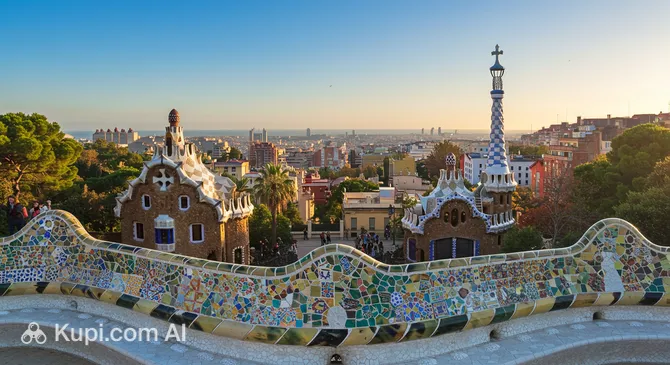
Another famous Gaudí creation in Barcelona is Park Guell. Originally intended as a residential area for wealthy citizens, today it is a public park full of whimsical architectural forms, mosaic sculptures, and winding paths. It offers magnificent views of the city, and the gingerbread houses at the entrance look as if they have stepped off the pages of a fairy tale.

Illustration.
Source: Kupi.com AI

Traveller photos:

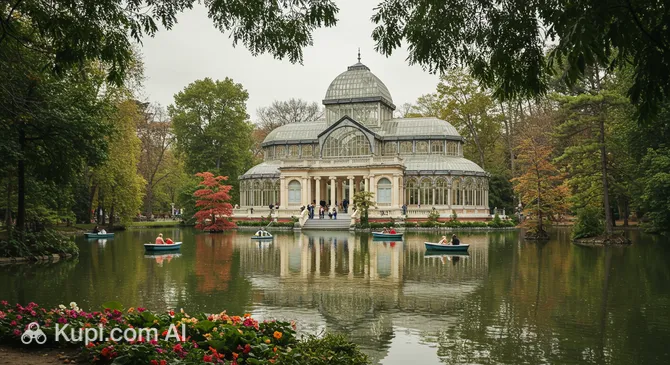
In the very heart of Madrid lies Retiro Park—a true oasis of peace and greenery. It is a favorite vacation spot for both locals and tourists. Here you can go boating on the lake, admire the Crystal Palace, stroll through the Rose Garden, or simply relax in the shade of ancient trees. Retiro Park is a place where history meets nature.

Illustration.
Source: Kupi.com AI

Traveller photos:

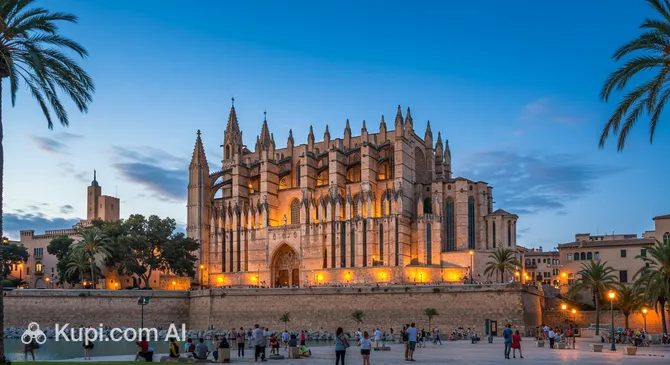
On the island of Mallorca, in the city of Palma, stands the majestic Cathedral of Santa Maria, also known as La Seu. This impressive Gothic cathedral, built on the site of an Arab mosque, dominates the waterfront. Its huge stained-glass rose windows, one of which is among the largest in the world, fill the interior with multicolored light, creating a magical atmosphere.

Illustration.
Source: Kupi.com AI

Traveller photos:

Best Time to Visit

Spain is a country with a diverse climate, so choosing the best time to travel largely depends on your plans and preferences. High season traditionally falls during the summer months, from June to August, as well as during major holidays such as Easter week (Semana Santa). During this time, popular coasts, for example, the resorts of Malaga or Ibiza, enjoy hot sunny weather, ideal for beach holidays and water sports. The pros are obvious—maximum sun and warmth, and all tourist facilities are fully operational. However, the downsides can include large crowds of tourists, leading to queues at attractions and higher prices for accommodation and flights. In central regions, including Madrid, summer can be very sweltering.

Shoulder season, covering spring (April-May) and autumn (September-October), is considered by many travelers to be the golden time to visit Spain. The weather during these months is usually warm and comfortable for long walks and excursions in cities like Barcelona or Seville, and there are significantly fewer tourists on the streets and beaches. Hotel and flight prices also become more affordable. The winter months (November-March) are the low season for most of mainland Spain, with the exception of the Canary Islands, where it is comfortable to vacation year-round (for example, in Las Palmas), and ski resorts. At this time, the weather can be changeable, with a chance of rain, especially in the north of the country. Some tourist establishments in small resort towns may reduce their hours or temporarily close.

When planning your trip, it's also worth paying attention to the calendar of local festivals and events, which can make your trip even more vibrant but also affect the number of tourists and prices. For instance, famous festivals such as Las Fallas in Valencia (March), the April Fair in Seville, or San Fermín in Pamplona (July) attract huge numbers of visitors. Given the significant climate differences between regions—from the cool and damp north to the hot south and subtropical Canary Islands—it is always recommended to check the weather forecast for your specific destination shortly before your trip.

Traditions

Spaniards are known for their openness and friendliness. When meeting, it is customary to exchange two kisses on the cheeks (even with people you don't know well, especially between women or a woman and a man); men more often shake hands, though hugs are also common among friends. Active gesturing and maintaining eye contact during conversation are the norm; it is considered a sign of engagement and sincerity. Hospitality is highly valued in Spain; if you are invited to visit, it is a sign of special favor. In such cases, it is considered good manners to bring a small gift for the hosts, such as a bottle of wine, high-quality sweets, or flowers (avoid chrysanthemums, as they are often associated with mourning).

In everyday life, Spaniards dress quite casually and value comfort; however, when visiting churches, cathedrals, and other religious sites, it is important to follow a dress code: shoulders and knees should be covered for both men and women. At the table, Spaniards usually keep their hands visible (on the table, not on their lap), and putting elbows on the table is not common. Lunches and dinners here are not just a meal but an important social event that can last for hours, accompanied by lively conversation. To avoid offending locals, try to be polite, always using "por favor" (please) and "gracias" (thank you). Avoid loud talk about controversial topics such as politics or bullfighting unless you are sure of the group's mood. Also remember that the siesta (afternoon rest) is still common in some regions, especially in small towns, which is why many shops and institutions may be closed from 14:00 to 17:00.

The culture of Spain is rich in vibrant and unique holidays. Some of the most significant are Semana Santa (Holy Week before Easter) with its impressive and solemn religious processions across the country, and Fiesta Nacional de España (National Day of Spain), celebrated on October 12, which symbolizes the unity of the Spanish-speaking world. Participating in or observing local festivities is a great way to deeply understand the soul of the country. Showing interest and respect for local customs and traditions will not only help avoid awkward situations but also make your trip through sunny Spain even more pleasant and memorable.

Entertainment

Spain is a country where everyone will find entertainment to their liking, from beach relaxation to immersion in a rich culture. Fans of active recreation will appreciate the opportunities for hiking in numerous national parks, diving and surfing on the Atlantic and Mediterranean coasts, as well as ski resorts in the Pyrenees. Diverse landscapes offer routes for both beginners and experienced athletes, allowing you to enjoy the country's nature in all its beauty.

Spain's cultural life is rich and multifaceted. Numerous world-class museums, art galleries, theaters, and concert halls offer programs for every taste, from classical art to modern performances. In the evening, the cities come alive: the famous Spanish nightlife is not just about clubs and discos, but also cozy tapas bars where you can enjoy local cuisine and wine in the company of friends. Cities such as Madrid, Barcelona, and Ibiza are particularly famous for their nightlife.

For those who love shopping, Spain offers a wide selection of goods: from designer clothes and shoes in large shopping centers and boutiques to authentic souvenirs in local markets. Leather goods, ceramics, olive oil, wine, and jamón are popular choices. Families with children will also find plenty to do: theme parks, water parks, and zoos are located throughout the country, providing unforgettable experiences for both little ones and adults. Many resorts offer special programs and entertainment for young travelers.

Reached the bottom of the page?

Looks like you know this route inside out

We use cookies and services to collect user information. This is essential for the functioning of the site and for marketing purposes. You can find out more in .