Portugal

About

Portugal is the westernmost country of continental Europe, nestled on the Iberian Peninsula and washed by the waters of the Atlantic Ocean. This is a land with a rich history of great explorers that has left its mark on culture and architecture. The capital of the country, the colorful Lisbon, charms with its narrow streets, vintage trams, and soulful fado music drifting from numerous cafes.
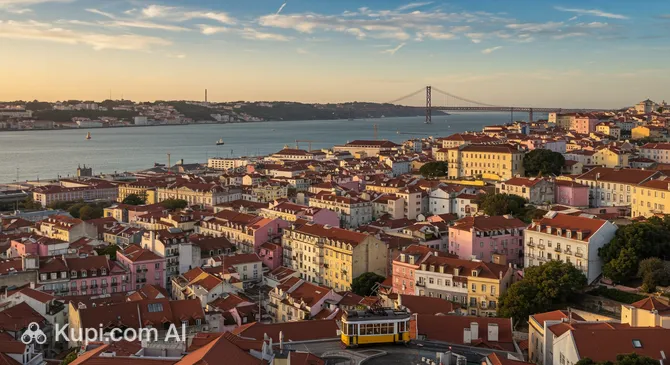
Illustration.
Source: Kupi.com AI

Portugal offers a wonderful combination of ancient traditions and a modern European way of life. Here you can explore medieval castles, admire buildings in the unique Manueline style, and enjoy the hospitality of the locals. The country is famous for its magnificent cuisine, dominated by fresh seafood, and, of course, the famous port wines from the Douro Valley. A trip to cities like Porto, with its famous wine cellars, or the fairy-tale Sintra, home to the impressive Pena National Palace, will leave unforgettable impressions.

Portugal's natural beauty is equally captivating: from the golden beaches of the Algarve in the south to the green hills and vineyards in the north. The mild Mediterranean climate makes the country attractive to visit almost year-round. The atmosphere of Portugal is one of relaxation, warmth, and a sense of immersion in history, making it an ideal destination for those seeking both cultural enrichment and a peaceful getaway.

Currency

The official currency of Portugal, as in many other European Union countries, is the Euro (EUR). Euro banknotes have a uniform design across the entire Eurozone, featuring stylized architectural elements—windows, portals, and bridges—symbolizing openness and connection between the peoples of Europe. Euro coins, in turn, have one common side and one national side. Portuguese coins feature images of historical seals, castles, or the country's coat of arms, adding a touch of national character.

You can exchange currency for Euros at banks, official exchange offices (look for the "Câmbios" sign), or at some post offices. Generally, banks offer the most favorable rates, but it is worth paying attention to the commission fees. Try to avoid exchanging money at airports or hotels, where the rates are often less attractive. Credit and debit cards, especially Visa and Mastercard, are widely accepted in most hotels, restaurants, supermarkets, and shops, particularly in large cities and tourist centers. Nevertheless, it is always useful to carry a small amount of cash for small purchases at markets, in small cafes, or for tipping.

Visa Requirements

When planning a trip to Portugal, it is important to familiarize yourself with the visa requirements in advance, which depend on your citizenship. Citizens of European Union and Schengen Area countries can enter Portugal without a visa. Additionally, a visa-free regime for tourist trips for up to 90 days applies to citizens of many other countries, including the USA, Canada, Australia, and the UK. Citizens of other states will need to apply for a Schengen visa to visit Portugal.

Typically, a short-stay Schengen visa is issued for tourism purposes. The visa application is submitted in advance to the consulate or visa center of Portugal in your country of residence. To enter the country, you will definitely need a valid passport, the expiration date of which must meet the established requirements. Also, be prepared to provide return tickets, proof of accommodation booking, medical insurance, and evidence of sufficient financial means. We strongly recommend checking the current list of documents and visa rules on the official website of the embassy or consulate of Portugal before your trip, as they may change.

We'll let you know if you need a visa

Enter your destination or
Your nationality
Destination

Timezones

When planning a trip to Portugal, it is important to keep the time in mind. The country has two time zones. Mainland Portugal and the island of Madeira follow Western European Time (WET, UTC+0), with a transition to daylight saving time (WEST, UTC+1). The Azores are in a different time zone (AZOT, UTC-1), also with a transition to daylight saving time (AZOST, UTC+0), which means the time there is one hour behind the mainland.

When planning trips between mainland Portugal (or Madeira) and the Azores, be sure to take this time difference into account. This will help you correctly coordinate flights, book hotels, and not miss interesting events or excursions. Don't forget to set your watch when moving between these regions.

Getting There

There are several ways to reach sunny Portugal, and the choice depends on your location and preferences. The most popular and fastest option is air travel. The country has several international airports, the main one being Lisbon airport, which serves as a major hub for flights from Europe, North and South America, and Africa. Porto and Faro airports (serving the Algarve region) also handle significant international traffic. Most major European airlines offer direct flights, and from more remote parts of the world, you can always find convenient connecting routes.

For travelers from neighboring Spain and other European countries, land transport is available. There is a well-developed network of international bus routes connecting Portugal with various European cities. Travel by train is also possible, although there may be few direct high-speed lines from distant European countries, and most routes will involve transfers, for example, through Spain. Given Portugal's geographical position on the Iberian Peninsula, sea routes are also relevant. Cruise ships call at the country's ports, and ferry services exist, especially to the islands of Madeira and the Azores, though international passenger ferries from mainland Europe are less common.

Regardless of the chosen method, it is recommended to book tickets in advance, especially if your trip coincides with the peak tourist season (summer, Christmas, and Easter holidays). This will not only help save money but also guarantee seat availability. Comparing offers from different carriers and planning ahead will make your trip to Portugal as comfortable as possible.

AirportCityIATA
Lisbon Portela AirportLisbonLIS
Porto AirportPortoOPO
Faro AirportFaroFAO
Madeira AirportFunchalFNC
João Paulo II AirportPonta DelgadaPDL

Portugal offers travelers an amazing variety of holiday destinations: from bustling historic cities to serene resorts on the Atlantic coast and islands. The jewel of the country is undoubtedly its capital, Lisbon. This city, sprawling across the hills by the Tagus River, charms with its ancient history, yellow trams, melancholic fado melodies, and stunning architecture.

Illustration.
Source: Kupi.com AI

Equally attractive is Porto, the country's second-largest city, known for its bridges, the colorful Ribeira district, and, of course, as the birthplace of the famous port wine. Lovers of a fairy-tale atmosphere and romance should definitely visit Sintra, a town with amazing palaces and castles that seem to have come from the pages of magical books. Here, every corner breathes history and legends.

For those dreaming of a beach holiday and unity with nature, Funchal, the capital of the picturesque island of Madeira, known as the "island of eternal spring," is an excellent choice. It is famous for its lush gardens, walking trails along the levadas, and breathtaking ocean views. Portugal is also rich in other interesting destinations, such as the ancient university city of Coimbra or the significant religious center of Fatima, each offering its own unique experience.

Top Attractions

Portugal is rich in amazing places, each keeping its own history and unique charm. A journey through this country is an immersion into a world of ancient castles, magnificent palaces, and unique natural landscapes.

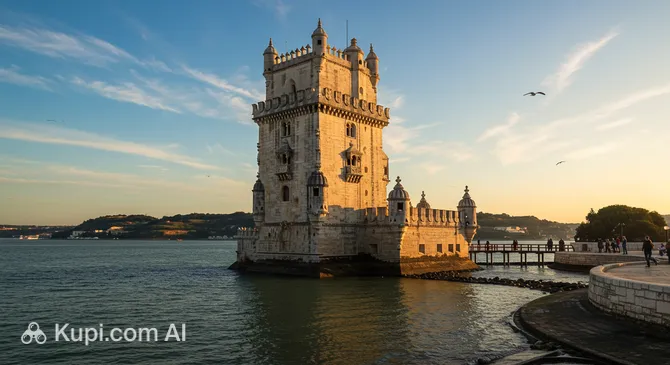
One of the most recognizable symbols of Lisbon and all of Portugal is the Belém Tower. This elegant 16th-century Manueline-style fort, located on the banks of the Tagus River, once served as a departure point for explorers setting off in search of new lands. Today, the tower is a UNESCO World Heritage site and attracts tourists with its beauty and historical significance.

Illustration.
Source: Kupi.com AI

Traveller photos:

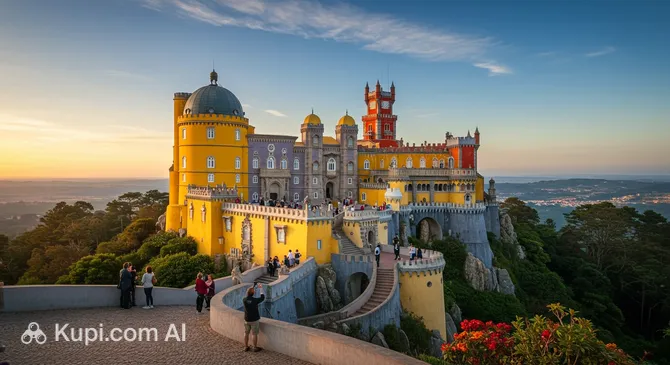
Not far from Lisbon, in Sintra, rises the fairy-tale Pena National Palace. This bright, eclectic castle, appearing as if from the pages of a magic story, captures the imagination with its blend of various architectural styles, from Neo-Gothic to Neo-Moorish. From its terraces, breathtaking views of the surrounding forests and the Atlantic Ocean unfold.

Illustration.
Source: Kupi.com AI

Traveller photos:

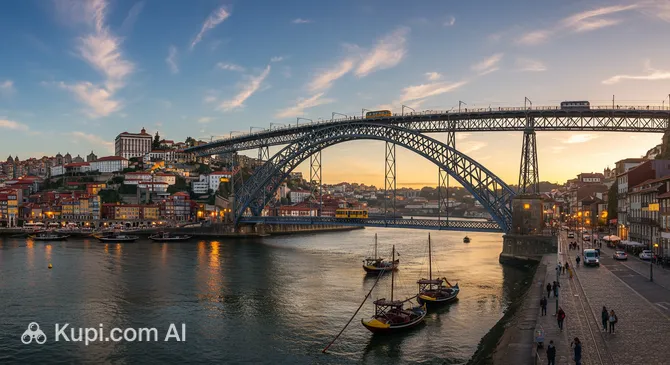
In the city of Porto, the majestic Dom Luís I Bridge cannot be overlooked. This double-deck metal arch bridge, designed by a student of Gustave Eiffel, connects the banks of the Douro River. A walk across the bridge's upper level, which offers a panoramic view of the old town and the wine cellars of Vila Nova de Gaia, will leave an unforgettable impression.

Illustration.
Source: Kupi.com AI

Traveller photos:

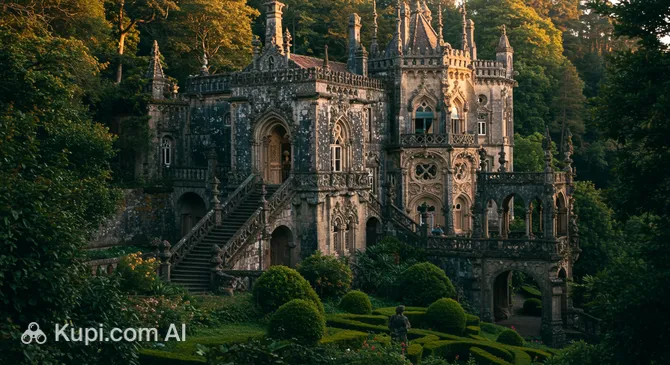
Another treasure of Sintra is the mysterious Quinta da Regaleira. This estate is famous for its luxurious palace, chapel, and, above all, a mysterious park full of hidden tunnels, grottoes, and symbolic structures, including the famous "Initiation Well." Exploring this place turns into a real adventure full of discoveries.

Illustration.
Source: Kupi.com AI

Traveller photos:

Best Time to Visit

Portugal is welcoming year-round, but choosing the best time for your trip largely depends on your preferences and plans. High season traditionally lasts from June to August, also including the beginning of September. During this period, you can expect hot, sunny weather, especially on the southern Algarve coast and in cities like Lisbon. This is the perfect time for a beach holiday, water sports, and enjoying the lively atmosphere. Numerous festivals take place in summer, including the famous June festivals of the Patron Saints (Festas dos Santos Populares), celebrated with particular vibrancy in Lisbon and Porto. However, keep in mind that this is when the largest influx of tourists occurs, and prices for accommodation and flights can be significantly higher.

Shoulder season, spanning spring (April-May) and autumn (September-October), is considered by many travelers to be the optimal time to visit Portugal. The weather during these months is usually warm and pleasant without the exhausting summer heat, making it perfect for sightseeing, hiking, and exploring the country. There are noticeably fewer tourists, and prices are more affordable. In spring, Portugal blooms, covered in a carpet of wildflowers, and in autumn, you can catch the grape harvest in the Douro Valley. Low season (from November to March) is characterized by cooler and sometimes rainy weather, especially in the north of the country. However, this period also has its advantages: a minimum number of tourists, the lowest prices, and a cozy atmosphere for visiting museums and experiencing local cuisine. Southern regions, such as the Algarve, remain relatively mild even in winter. The climate in Portugal varies from region to region, so it is always useful to check the weather forecast for the specific places you plan to visit.

Traditions

The Portuguese are known for their openness and friendliness, which is evident in their communication style. When meeting and in subsequent encounters, it is customary to exchange a handshake while maintaining eye contact. Among friends and relatives, greeting kisses on both cheeks are common. Hospitality holds a special place in Portugal's culture: if you are invited to visit, a small gift such as a bottle of wine, flowers, or sweets will be received with gratitude, although it is not a strict requirement. Regarding clothing, the Portuguese stick to a casual style in everyday life. However, when visiting churches and other religious sites, it is important to show respect by choosing clothing that covers the shoulders and knees.

At the table, the Portuguese value a leisurely meal and pleasant conversation. It is considered good manners to try all the dishes offered, and hands are usually kept on the table during the meal (not in the lap). Do not start eating until the host or the oldest person at the table has begun. To make your stay in Portugal as comfortable as possible and avoid offending locals, try to avoid comparing Portuguese culture with Spanish, as the Portuguese are very proud of their identity. Learning a few simple phrases in Portuguese, such as "olá" (hello) or "obrigado/obrigada" (thank you), will certainly earn you their favor. Important dates include Portugal Day (June 10), symbolizing national unity, as well as the colorful June festivals of the Patron Saints (Santos Populares), celebrated with particular vibrancy in Lisbon and Porto.

Entertainment

Portugal is a country where everyone will find entertainment to their liking, from thrilling outdoor adventures to immersion in a rich culture. Fans of active recreation can conquer the Atlantic waves on a surfboard, explore picturesque hiking trails in numerous natural parks, or enjoy diving in crystal-clear waters. Portugal's cultural life is equally diverse: ancient castles, magnificent palaces, museums with extensive collections, art galleries, and the opportunity to hear the poignant melodies of fado in the cozy streets of old towns await you here.

For those seeking nightlife, major cities such as Lisbon and Porto offer a lively atmosphere with many bars, restaurants, and clubs for every taste. Shopping in Portugal is an opportunity to bring home unique souvenirs: from traditional painted azulejo ceramics and cork products to the famous port wine, high-quality footwear, and designer items. Families with children will also not be bored thanks to the variety of theme parks, water parks, and aquariums, as well as the beautiful Atlantic beaches, perfect for relaxation and play.

Currency rates

Planning a trip? Wonderful! To make sure the financial side of your journey holds no surprises, it's worth remembering that exchange rates are constantly changing. That's why we strongly recommend keeping an eye on current rates both before departure and throughout your trip. To help with that, you can use the data provided below — we monitor exchange rates 24/7 and strive to provide the most up-to-date information.

EUR exchange rate for 13/08/2026

4.26 AED
~ 1 EUR
424.12 AMD
~ 1 EUR
1.64 AUD
~ 1 EUR
1.97 AZN
~ 1 EUR
3.45 BYN
~ 1 EUR
1.62 CAD
~ 1 EUR
1 GBP
~ 1.17 EUR
366.40 HUF
~ 1 EUR
110.58 INR
~ 1 EUR
101.38 KGS
~ 1 EUR
1642.09 KRW
~ 1 EUR
539.99 KZT
~ 1 EUR
4.33 PLN
~ 1 EUR
95.92 RUB
~ 1 EUR
4.35 SAR
~ 1 EUR
1.48 SGD
~ 1 EUR
55.36 TRY
~ 1 EUR
51.91 UAH
~ 1 EUR
1.16 USD
~ 1 EUR
13823.98 UZS
~ 1 EUR

Reached the bottom of the page?

Looks like you know this route inside out

We use cookies and services to collect user information. This is essential for the functioning of the site and for marketing purposes. You can find out more in .