Ireland

About

Ireland, known as the "Emerald Isle," is a country located on the island of the same name in Western Europe. It is famous for its rich history dating back to ancient times, mystical Celtic legends, and a unique culture that fascinates travelers from all over the world. Here, every stone seems to hold a secret, and the air is filled with the spirit of ancient lore.
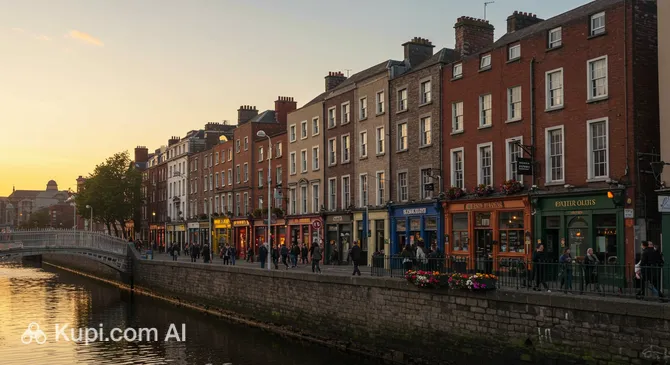
Illustration.
Source: Kupi.com AI

Ireland's nature is breathtaking, with its lush green hills, picturesque lakes, and dramatic rocky coastlines of the Atlantic Ocean. The mild, humid climate encourages the vibrant vegetation that gave the island its poetic name. But Ireland is not just about landscapes; it is also about incredibly hospitable and friendly people, known for their warmth and love for good conversation, music, and, of course, the famous Irish stout.

The country's capital, vibrant Dublin, is the cultural and historical heart of Ireland, offering tourists a chance to discover a rich literary heritage, visit famous pubs with live music, and enjoy a unique atmosphere. Beyond the capital, cities like historical Cork, known for its scenic harbor and culinary traditions, or artistic Galway with its colorful festivals and medieval streets, are well worth a visit. Each place in Ireland reveals a different facet of this amazing country's multifaceted character.

Currency

The official currency of Ireland is the Euro (EUR). Banknotes in denominations of 5, 10, 20, 50, 100, 200, and 500 euros are in circulation, as well as coins of 1, 2, 5, 10, 20, 50 cents and 1, 2 euros. The design of the banknotes is the same for all eurozone countries, while Irish euro coins are decorated with an image of the Celtic harp – the national symbol of the country.

You can exchange currency at banks, official exchange offices (Bureaux de Change), or at some post offices. Generally, banks offer the most favorable rates. It is recommended to avoid exchanging large sums at airports or hotels due to potentially less favorable rates and commissions. Credit and debit cards (Visa, Mastercard) are widely accepted almost everywhere: in shops, restaurants, hotels, and for various services. However, it is always useful to carry a small amount of cash for small purchases or in case cards are not accepted somewhere.

Visa Requirements

When planning a trip to Ireland, it is important to clarify the visa requirements in advance. Citizens of European Union (EU) and European Economic Area (EEA) countries do not require a visa to enter Ireland. Visa-free entry for up to 90 days is also usually permitted for citizens of countries such as the USA, Canada, Australia, and New Zealand. However, for citizens of many other states, including some CIS countries, a tourist visa (short-stay type 'C' visa) will be required to visit Ireland.

An application for an Irish visa is generally submitted online, followed by the submission of documents to the Irish embassy or consulate in your country of residence. Regardless of whether you need a visa, you must have a valid passport to enter the country, and its validity should cover the entire period of your stay. Return tickets, proof of hotel reservation, medical insurance, and evidence of sufficient financial means may also be required. Since visa rules can change, it is strongly recommended to check the most up-to-date information on the official website of the Department of Foreign Affairs of Ireland or at the nearest Irish diplomatic mission before your trip.

We'll let you know if you need a visa

Enter your destination or
Your nationality
Destination

Timezones

When planning a trip to Ireland, you don't have to worry about changing time zones within the country. The entire territory of Ireland is in one time zone. The standard time is Greenwich Mean Time (GMT), also known as Western European Time (WET).

In the summer, Ireland switches to Irish Standard Time (IST), which corresponds to GMT+1. This means that the time difference with other countries may change depending on the season, but within Ireland itself, the time will always be the same, whether you are in Dublin or on the west coast.

Getting There

Ireland, the Emerald Isle, hospitably welcomes travelers from all over the world, and the most popular way to get here is certainly by air travel. The country has several international airports, the main one being Dublin Airport, which serves as a major hub for flights from Europe, North America, and other regions. There are also airports in cities such as Cork and Shannon. Direct flights and convenient connections are available from most major European cities, as well as from some cities in North America and the Middle East.

For those who prefer sea travel or multi-modal routes, ferry services connect Ireland with the United Kingdom (England, Wales, and Scotland) and continental Europe (for example, France and Spain). This is an excellent option if you are traveling with your own car or simply want to enjoy the sea breeze. Although Ireland is an island, you can reach it by land transport via the UK, using a ferry to cross the Irish Sea. Regardless of the method chosen, it is recommended to book tickets in advance, especially if your trip coincides with the peak tourist season (summer or holidays), to ensure the best prices and availability.

AirportCityIATA
Dublin AirportDublinDUB
Cork AirportCorkORK
Shannon AirportShannonSNN
Ireland West Airport KnockKnockNOC
Kerry County AirportKerryKIR

Ireland attracts travelers with its variety of cities and resorts, each possessing a unique charm. From bustling metropolises full of history and culture to cozy coastal towns offering peaceful relaxation in nature – everyone will find something for themselves here. Naturally, the heart of the country is its capital, Dublin. This city is a real treasure trove for lovers of history, literature, and, of course, famous Irish hospitality.

Illustration.
Source: Kupi.com AI

Beyond the capital, Ireland is proud of other gems. Cork, located in the south, enchants with its rich history, lively markets, and friendly atmosphere. In the west of the country, Galway awaits you – a city with a bohemian spirit, known for its festivals, traditional music, and proximity to the breathtaking landscapes of Connemara. For those seeking unity with nature, Killarney is the perfect starting point for exploring the famous national park with its lakes and mountains. Many cities, such as historical Waterford, also offer a unique look at the country's rich heritage. These and many other places are waiting for you to provide unforgettable impressions of your journey across the Emerald Isle.

Top Attractions

Ireland, a country with a rich history and breathtaking landscapes, offers travelers many unique attractions. From ancient monuments to lively city centers — everyone will find something here. Here are just a few places to include in your Emerald Isle itinerary.

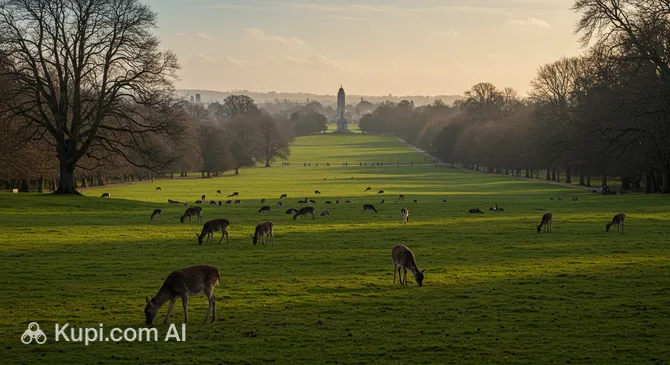
One of Dublin's iconic landmarks is Phoenix Park. It is one of the largest enclosed public parks in any European capital. Here, you can not only enjoy nature and see herds of wild fallow deer but also visit the Dublin Zoo, the residence of the President of Ireland (Áras an Uachtaráin), and numerous gardens and monuments. The park is ideal for walking, picnics, and cycling trips.

Illustration.
Source: Kupi.com AI

Traveller photos:

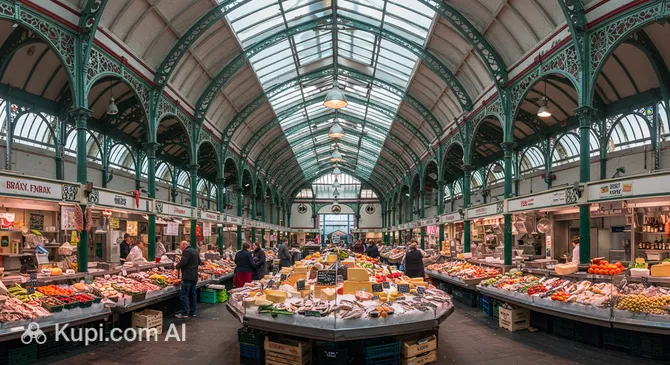
If you find yourself in Cork, be sure to visit the English Market. This historic indoor market, operating since 1788, is the true heart of the city. Here, you will find an abundance of fresh local produce, from farmhouse cheeses and meats to fresh fish and pastries. It is a great place to sample Irish delicacies and experience the authentic atmosphere.

Illustration.
Source: Kupi.com AI

Traveller photos:

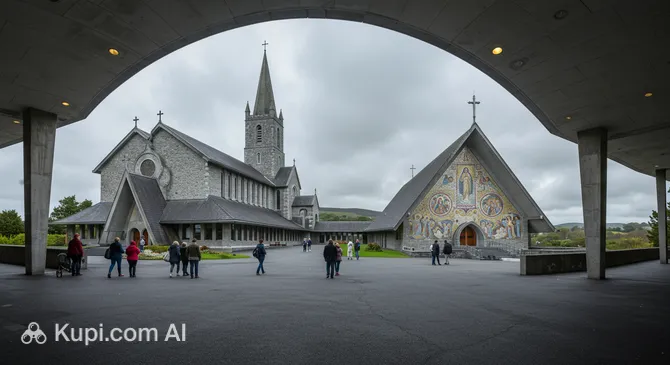
For those interested in the spiritual side of Ireland, the Knock Shrine in County Mayo is an important place of pilgrimage. It is famous for the apparition of the Virgin Mary, Saint Joseph, and Saint John the Evangelist in 1879. Every year, this site attracts hundreds of thousands of visitors from around the world seeking peace and a spiritual experience.

Illustration.
Source: Kupi.com AI

Traveller photos:

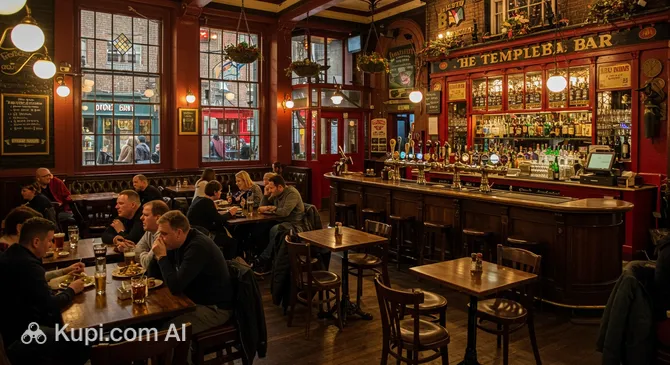
And, of course, when talking about Ireland, one cannot fail to mention the famous The Temple Bar Pub in Dublin. Located in the cultural quarter of the same name, this pub is one of the most famous in the world. It is renowned for its live traditional Irish music, a massive selection of whiskeys, and its unique, always lively atmosphere. This is a place where you can truly feel Irish hospitality.

Illustration.
Source: Kupi.com AI

Traveller photos:

Best Time to Visit

Choosing the best time to visit Ireland largely depends on your preferences. The high season traditionally falls during the summer months – from June to August. During this time, the weather is at its warmest and sunniest, and the days are long, which is perfect for sightseeing, hiking scenic trails, and enjoying nature. However, summer is also the peak of tourist activity, so expect more crowds at popular spots and higher prices for accommodation and airfare.

The shoulder season, covering spring (April-May) and autumn (September-October), offers a good compromise. There are fewer tourists, prices drop slightly, and nature delights with either spring blossoms or vibrant autumn colors. The weather during these periods can be changeable but is often pleasant. The low season lasts from November to March. This period is characterized by cooler, windier, and rainier weather, as well as short daylight hours. The main advantages are minimal tourist crowds and the lowest prices. However, some attractions, especially in rural areas, may be closed or operate on a reduced schedule. A special event that draws many visitors is St. Patrick's Day (March 17th). Even though it falls during the shoulder season, large-scale celebrations take place in Dublin and other cities, resulting in a tourist surge.

Regardless of the chosen season, Irish weather is famous for its unpredictability – be prepared for the famous "four seasons in one day" and always carry an umbrella or a raincoat. Although the climate is generally temperate maritime, the west coast can be a bit windier and wetter due to the influence of the Atlantic Ocean. Overall, Ireland is beautiful at any time of year; the key is to be properly prepared for its capricious but charming weather.

Traditions

The Irish are famous for their friendliness and hospitality, which makes interacting with them easy and pleasant. Greetings are usually informal; a handshake is appropriate when first meeting, and eye contact during conversation is valued as a sign of sincerity. An important part of Irish culture is the concept of "craic" (pronounced "crack") – it's not just about fun, but about soulful communication, good company, and live music, often found in traditional pubs. If you are invited into an Irish home, it is a great honor. While gifts are not mandatory, a small token of appreciation, such as a bottle of wine or a box of chocolates, will be received with gratitude. The most important thing is your sincere participation and readiness to maintain a conversation.

In everyday life in Ireland, there are no strict requirements for clothing; a comfortable and practical style prevails. However, when visiting churches or other religious sites, it is worth showing respect and choosing a more modest outfit that covers the shoulders and knees. At the table, the Irish follow general European etiquette: do not start eating until everyone present has received their dishes, and do not put your elbows on the table. To avoid awkward situations, try not to compare Ireland with the UK in a derogatory way and be tactful when discussing political issues, especially those concerning Northern Ireland. The Irish are very proud of their history and culture, so a sincere interest in their traditions will be perceived very positively.

One of the most vibrant and world-famous Irish holidays is St. Patrick's Day, celebrated on March 17th. On this day, the whole country immerses itself in an atmosphere of universal fun, the streets fill with people in green clothing, and colorful parades and festivals are held in honor of Ireland's patron saint. This holiday is the quintessence of the Irish spirit, hospitality, and love for life. By showing respect for local customs and openness in communication, you will not only avoid misunderstandings but also be able to deeper experience the unique charm of the Emerald Isle.

Entertainment

Ireland offers travelers an amazing variety of entertainment for every taste. If you prefer active recreation, the "Emerald Isle" will not disappoint: there are excellent conditions for hiking through picturesque hills and along the dramatic coastline, cycling on specially designated routes, as well as world-class golf courses. Water sports enthusiasts can go surfing on Atlantic waves or kayaking, while both sea and river fishing will provide an unforgettable experience.

The cultural program in Ireland is rich and authentic. The country is famous for its traditional music sessions, which regularly take place in cozy pubs, where you can enjoy live folk music and dancing. Numerous theaters, especially in the capital Dublin, offer a diverse repertoire from classic plays to modern productions. Museums and art galleries will introduce you to the country's rich history and art. As evening falls, Irish cities come alive, and the famous pubs open their doors hospitably, offering not only excellent drinks but also a unique atmosphere of friendliness and fun, especially in lively centers like Dublin or Cork.

For shopping enthusiasts, Ireland offers many unique souvenirs. Hand-knitted Aran sweaters, elegant items with Celtic patterns, famous Irish whiskey, and, of course, various products with Guinness branding are particularly popular. The main shopping streets with stores and boutiques are located in major cities. Families with children will also find plenty of interesting things to do in Ireland: from visiting interactive museums and taking fascinating tours of old castles to walking in spacious city parks and meeting animals at specialized centers and farms.

Currency rates

Planning a trip? Wonderful! To make sure the financial side of your journey holds no surprises, it's worth remembering that exchange rates are constantly changing. That's why we strongly recommend keeping an eye on current rates both before departure and throughout your trip. To help with that, you can use the data provided below — we monitor exchange rates 24/7 and strive to provide the most up-to-date information.

EUR exchange rate for 13/08/2026

4.26 AED
~ 1 EUR
424.12 AMD
~ 1 EUR
1.64 AUD
~ 1 EUR
1.97 AZN
~ 1 EUR
3.45 BYN
~ 1 EUR
1.62 CAD
~ 1 EUR
1 GBP
~ 1.17 EUR
366.40 HUF
~ 1 EUR
110.58 INR
~ 1 EUR
101.38 KGS
~ 1 EUR
1642.09 KRW
~ 1 EUR
539.99 KZT
~ 1 EUR
4.33 PLN
~ 1 EUR
95.92 RUB
~ 1 EUR
4.35 SAR
~ 1 EUR
1.48 SGD
~ 1 EUR
55.36 TRY
~ 1 EUR
51.91 UAH
~ 1 EUR
1.16 USD
~ 1 EUR
13823.98 UZS
~ 1 EUR

Reached the bottom of the page?

Looks like you know this route inside out

We use cookies and services to collect user information. This is essential for the functioning of the site and for marketing purposes. You can find out more in .