Norway

About

Norway is a country of incredible natural beauty, stretching along the western coast of the Scandinavian Peninsula. Its rugged coastline is world-famous for its majestic fjords that cut deep inland, as well as its picturesque mountains and glaciers. Here, you can witness unique natural phenomena such as the Northern Lights in winter or the midnight sun in summer, making a trip to Norway truly unforgettable.

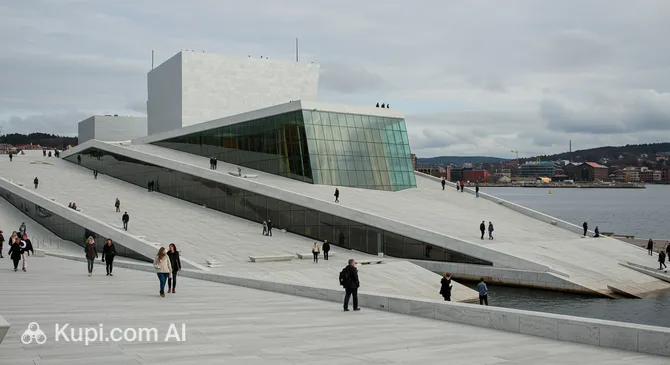
Norwegian culture is closely intertwined with its rich history, from the Viking Age to today's prosperous modern society. The country's capital, Oslo, harmoniously combines historical architecture and ultra-modern design, offering guests many museums and galleries. A striking example of modern architecture is the Oslo Opera House, which has become one of the city's iconic landmarks.
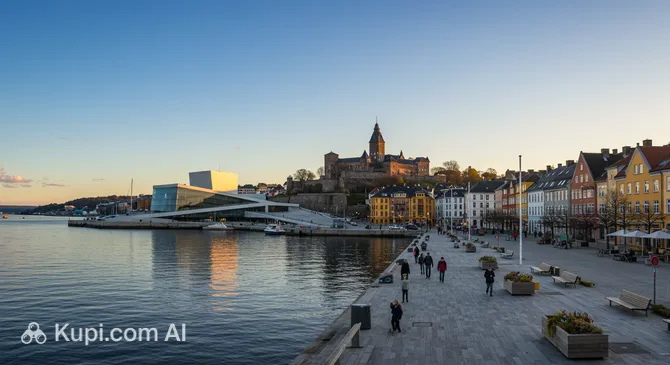
Illustration.
Source: Kupi.com AI

Beyond the capital, the charming city of Bergen is well worth a visit, with its famous Bryggen wharf and the historical Bergenhus Fortress. Overall, Norway offers a unique combination of breathtaking landscapes, rich cultural heritage, and modern Scandinavian life, creating an atmosphere of tranquility and inspiration for every traveler.

Currency

The national currency of Norway is the Norwegian Krone (international code: NOK). Modern Norwegian banknotes feature a bright and contemporary design dedicated to maritime themes. The obverse side displays abstract pixel motifs, while the reverse side features more traditional sea-related images, such as a lighthouse, a Viking ship, or a wave. The coins also have a distinctive design, often featuring royal monograms or national symbols.

Currency can be exchanged at banks and official exchange offices found at airports, railway stations, and in major cities. It is recommended to compare rates and commissions at different locations, as they can vary. Credit and debit cards (especially Visa and Mastercard) are accepted almost everywhere in Norway, including small shops, taxis, and restaurants. In fact, the country is actively moving toward a cashless society, and in many places, card payment is preferred, and sometimes the only way. Cash may be needed for small purchases at markets or in some remote areas, but overall you can travel comfortably relying on bank cards.

Visa Requirements

To enter Norway, many travelers will require a visa. Citizens of European Union (EU) and European Economic Area (EEA) countries do not need a visa for short-term trips. Tourists from most other countries generally need to apply for a Schengen visa, as Norway is part of the Schengen Area. This visa is typically obtained in advance at a Norwegian embassy or consulate, or at an accredited visa center in your country of residence.

In addition to a visa (if required), you will need a valid passport to cross the border, with an expiration date that must exceed the planned date of departure from the Schengen Area. It is also recommended to have confirmation of your hotel or other accommodation booking, return tickets, and medical insurance covering expenses for the entire period of your stay. It is extremely important to check current visa requirements and the list of required documents directly before your trip on the official website of the Norwegian embassy or the authorized visa center, as rules can change.

We'll let you know if you need a visa

Enter your destination or
Your nationality
Destination

Timezones

Norway is located in one primary time zone. The entire mainland of the country, including the capital Oslo, as well as the Svalbard archipelago and Jan Mayen island, observes Central European Time (CET), which corresponds to UTC+1. Like many European countries, Norway switches to Daylight Saving Time (CEST), which is two hours ahead of Coordinated Universal Time (UTC+2). This means that tourists traveling along Norway's main tourist routes will not have to worry about time zone changes within the country.

Getting There

Getting to Norway, the land of majestic fjords and the mysterious Northern Lights, can be done in several ways, but the fastest and most popular is by air. The country's main international hub is Oslo Airport Gardermoen, located near the capital, Oslo. It receives numerous flights from most European countries and offers convenient connections for travelers from North America, Asia, and other parts of the world. Additionally, there are international airports in other major cities such as Bergen, Stavanger, and Trondheim, allowing for flexible route planning across the country.

For those who prefer a slower or more scenic way of traveling, Norway also offers land and sea routes. Land borders connect the country with Sweden, Finland, and Russia, and although direct rail service from distant European countries is limited, you can reach it by train or bus from neighboring Scandinavian states. Sea transport is particularly popular: numerous ferries run between Norwegian ports and cities in Denmark, Germany, and Sweden. This is a wonderful opportunity to enjoy views of the famous Norwegian coast even before arrival. It is also worth noting that many international cruise ships include visits to the Norwegian fjords in their itineraries.

When planning a trip to Norway, it is strongly recommended to book flights, ferry spots, or train tickets in advance. This is especially true if your trip falls during the peak tourist season, which usually occurs in the summer months (June-August) or during the Christmas and New Year holidays. Early booking will not only help you find better rates but also ensure availability for your desired dates.

AirportCityIATA
Oslo Airport GardermoenOsloOSL
Bergen AirportBergenBGO
Trondheim Airport VærnesTrondheimTRD
Stavanger Airport SolaStavangerSVG
Tromsø Airport, LangnesTromsøTOS

Norway offers travelers an amazing variety of cities and resort areas, each with its own unique charm. From lively metropolises with rich cultural lives to cozy coastal towns and active recreation centers—there is a destination for every taste. The country's capital, Oslo, is the main cultural and economic center, attracting visitors with modern museums, historical landmarks, and scenic parks.

Illustration.
Source: Kupi.com AI

Among other popular cities, Bergen stands out as the former capital of Norway, famous for its Hanseatic wharf Bryggen, a UNESCO World Heritage site, and stunning views from Mount Fløyen. Equally interesting is Trondheim, the country's third-largest city, with its majestic Nidaros Cathedral and charming wooden houses along the Nidelva River. For those dreaming of exploring the fjords, Stavanger is often the starting point, from where it is easy to reach the famous Preikestolen (Pulpit Rock) cliff.

In addition to large cities, Norway is famous for its resort areas. For example, Voss attracts outdoor enthusiasts year-round: skiing in winter, and rafting, hiking, and paragliding in summer. Every corner of Norway is ready to offer something special, whether it's an immersion in history, enjoying nature, or discovering modern Scandinavian culture.

Top Attractions

Norway, the land of majestic fjords and the Northern Lights, offers travelers many amazing places. Here, everyone will find something to their liking: from modern architectural masterpieces to historical fortresses and unique nature parks. Exploring Norway's attractions will leave an unforgettable impression and allow for a deeper understanding of the culture and history of this Scandinavian country.

One of the capital's iconic landmarks is the Oslo Opera House. This impressive modern building, located on the shore of the Oslo Fjord, is known for its unique architecture that allows visitors to walk on its sloping roof. Inside, world-class opera and ballet productions await you, as well as stunning views of the city and fjord.

Illustration.
Source: Kupi.com AI

Traveller photos:

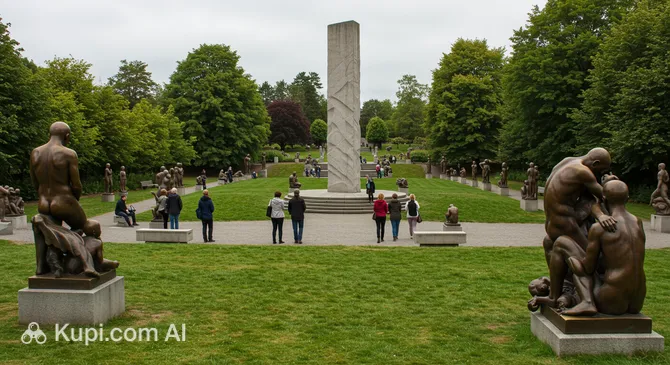
Nearby, also in Oslo, is the famous Vigeland Park—the world's largest sculpture park by a single artist, Gustav Vigeland. More than 200 sculptures in bronze, granite, and wrought iron depict various stages of human life and emotions, creating a powerful and touching sight. It is a favorite spot for walks for both tourists and locals.

Illustration.
Source: Kupi.com AI

Traveller photos:

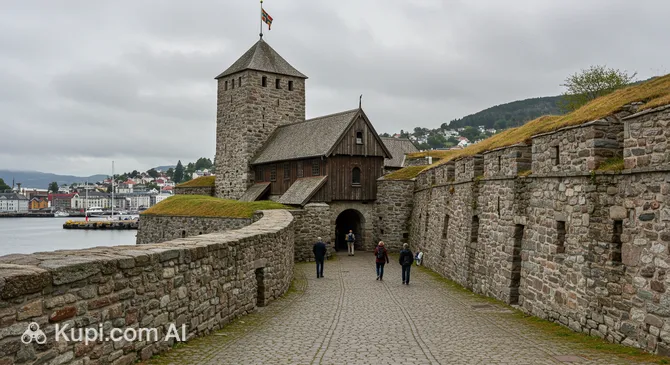
If you find yourself in Bergen, be sure to visit Bergenhus Fortress. It is one of Norway's oldest and best-preserved fortresses, with a history dating back to the 13th century. A walk through its grounds, including the King's Hall and the Rosenkrantz Tower, will allow you to touch the city's medieval past and enjoy views of the harbor.

Illustration.
Source: Kupi.com AI

Traveller photos:

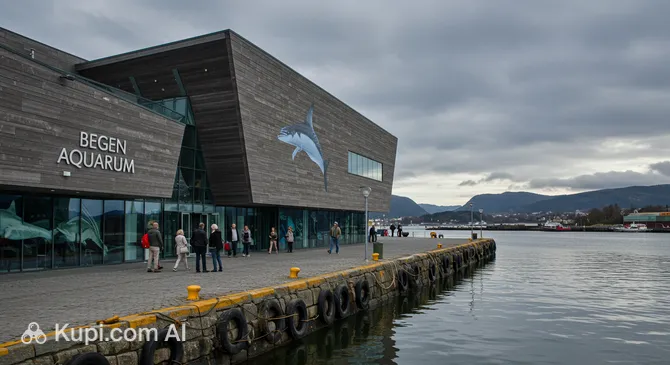
Another interesting place in Bergen is the Bergen Aquarium. Here you can get acquainted with the rich underwater world of the North Atlantic, see seals, penguins, a variety of fish, and even crocodiles. The aquarium offers engaging shows and educational programs that will be of interest to visitors of all ages.

Illustration.
Source: Kupi.com AI

Traveller photos:

Best Time to Visit

Norway is beautiful at any time of year, but choosing the best period for your trip largely depends on your plans and preferences. High season traditionally falls during the summer months, from June to August. This is when the warmest weather sets in, ideal for exploring the famous fjords, hiking scenic trails like Trolltunga or Preikestolen, and enjoying long, light days. In the north of the country, you can catch the amazing midnight sun in summer. The main downsides of this period are the large number of tourists in popular locations and, consequently, higher prices for accommodation and airfare.

The shoulder season, covering spring (April-May) and autumn (September-October), attracts travelers with fewer crowds and more affordable prices. In spring, nature wakes up, waterfalls become particularly powerful, and in autumn, forests dress in gold and crimson, creating unique landscapes. However, the weather during these periods can be quite changeable, and some high-mountain trails or certain tourist sites may still be closed or operate on a reduced schedule. Winter (from November to March) offers a completely different, magical experience: it's the best time for observing the mesmerizing Northern Lights (especially in northern regions), skiing, or exciting dog sledding trips. Among significant events, Constitution Day on May 17 stands out, when colorful parades and folk festivities take place throughout the country. Given Norway's significant length from south to north, the climate in different parts can vary substantially—from mild coastal to harsh Arctic. Therefore, it is always recommended to check the current weather forecast for the specific region you plan to visit before your trip.

Traditions

When planning a trip to Norway, it is worth getting acquainted with some local cultural characteristics so that your interaction with Norwegians is comfortable and respectful. When meeting, Norwegians usually exchange a firm handshake and maintain direct eye contact, which is considered a sign of sincerity. They value punctuality, so try not to be late for meetings. If you are invited to someone's home, it is a great honor. A small gift for the hosts, such as flowers (but not white lilies or carnations, which are often associated with funerals), chocolate, or a bottle of wine, will be appropriate and appreciated. Norwegians are quite reserved in showing emotions in public, but they are very friendly and hospitable.

In everyday life, Norwegians prefer comfortable and practical clothing. There are no strict rules regarding appearance in public places; however, when visiting churches, it is recommended to dress modestly. At the table, European etiquette standards are followed; it is usually customary to wait until the hosts suggest starting the meal. One of the most significant and colorful national holidays is Norway's Constitution Day, celebrated on May 17. On this day, parades take place throughout the country, and many people wear traditional costumes—bunads. Christmas (Jul) is also an important family holiday. In conversation, try to avoid excessive loudness and boasting. Norwegians value nature deeply, so respect for the environment is an integral part of their culture. The simple word "takk" (thank you) is used very often and is an important element of politeness.

Entertainment

Norway is a country offering tourists an incredible variety of entertainment for every taste. Thanks to its unique nature, active recreation flourishes here. In summer, hiking along picturesque mountain trails, fishing in crystal-clear fjords and lakes, kayaking, and rafting are popular. In winter, Norway transforms into a paradise for lovers of alpine skiing, snowboarding, and cross-country skiing. Many regions offer excellent conditions for observing the Northern Lights, which is an unforgettable experience in itself.

The country's cultural life is also rich. In large cities like Oslo and Bergen, you will find many world-class museums, art galleries, theaters, and concert halls where you can encounter both classical and modern Norwegian art. Various festivals dedicated to music, cinema, and folk traditions are frequently held. For those interested in Viking history, themed museums and reconstructed settlements are open.

As for nightlife, it is most active in the capital and other large cities. There are many bars, pubs, and clubs offering both a quiet atmosphere for conversation and energetic parties. Shopping in Norway will please those who appreciate quality goods. Traditional souvenirs include wool products (the famous Norwegian sweaters), reindeer skins, Viking-style jewelry, and, of course, local chocolate and cheese. Main shopping streets and centers are concentrated in cities. For family holidays, Norway also offers plenty of interest: from interactive museums and science centers to amusement parks and aquariums, where children can spend time in a fun and educational way.

Currency rates

Planning a trip? Wonderful! To make sure the financial side of your journey holds no surprises, it's worth remembering that exchange rates are constantly changing. That's why we strongly recommend keeping an eye on current rates both before departure and throughout your trip. To help with that, you can use the data provided below — we monitor exchange rates 24/7 and strive to provide the most up-to-date information.

NOK exchange rate for 13/08/2026

1 AED
~ 2.57 NOK
38.75 AMD
~ 1 NOK
1 AUD
~ 6.67 NOK
1 AZN
~ 5.55 NOK
1 BYN
~ 3.17 NOK
1 CAD
~ 6.78 NOK
1 EUR
~ 10.89 NOK
1 GBP
~ 12.75 NOK
33.47 HUF
~ 1 NOK
10.10 INR
~ 1 NOK
9.26 KGS
~ 1 NOK
150.01 KRW
~ 1 NOK
49.33 KZT
~ 1 NOK
1 PLN
~ 2.53 NOK
8.76 RUB
~ 1 NOK
1 SAR
~ 2.52 NOK
1 SGD
~ 7.38 NOK
5.06 TRY
~ 1 NOK
4.74 UAH
~ 1 NOK
1 USD
~ 9.44 NOK
1262.88 UZS
~ 1 NOK

Reached the bottom of the page?

Looks like you know this route inside out

We use cookies and services to collect user information. This is essential for the functioning of the site and for marketing purposes. You can find out more in .