Support

Faroe Islands

Cities in the country

About

The Faroe Islands are a stunning archipelago in the North Atlantic Ocean, located between Iceland, Norway, and Scotland. This autonomous territory of the Kingdom of Denmark attracts travelers with its pristine nature, unique culture, and sense of seclusion. If you are looking for a destination where you can escape the city bustle and enjoy incredible landscapes, the Faroes will be a true discovery.

The main asset of the Faroe Islands is their breathtaking nature. Emerald valleys, steep cliffs with waterfalls plunging directly into the ocean, and picturesque fjords await you. The climate here is marine, with mild but windy winters and cool, often rainy summers. This weather only adds drama to the already impressive landscapes, creating a unique atmosphere of mystery and grandeur. The islands are home to many seabirds, including the famous puffins.
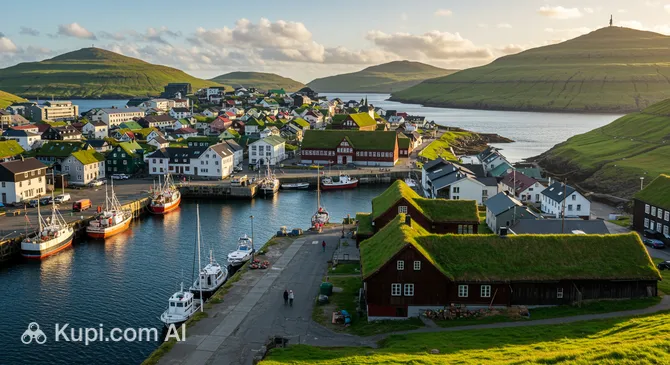
Illustration.
Source: Kupi.com AI

The culture of the Faroe Islands is unique and carefully preserves ancient traditions rooted in the Viking era. The capital of the archipelago, Tórshavn, is one of the smallest and most charming capital cities in the world, where modern amenities harmoniously blend with historical buildings. Here, you can visit, for example, the National Gallery of the Faroe Islands to get acquainted with local art. Besides the capital, the second-largest city, Klaksvík, an important fishing hub, is also of interest. A trip to the Faroes is an immersion into a world of tranquility, incredible beauty, and the hospitality of the locals.

Currency

The national currency of the Faroe Islands is the Faroese króna (FOK), which is not an independent currency but a version of the Danish krone (DKK). The exchange rate of the Faroese króna is pegged to the Danish krone at a 1:1 ratio. Danish coins are in circulation on the islands, but the banknotes have their own unique design, depicting local Faroese motifs such as animals and landscapes. These banknotes have the same value as Danish ones and can be used interchangeably with them throughout the islands.

Currency can be exchanged at banks, for example, in the capital Tórshavn. It is recommended to check bank opening hours in advance. Credit cards, especially Visa and Mastercard, are widely accepted in most hotels, restaurants, and shops, particularly in larger settlements. However, when visiting small villages or for small purchases, cash may be needed. ATMs are also available, mainly in the towns.

Visa Requirements

When planning a trip to the Faroe Islands, it is important to familiarize yourself with the visa requirements in advance. Although the Faroe Islands are part of the Kingdom of Denmark, they are not part of the Schengen Area and have their own entry rules. Citizens of European Union and European Economic Area countries do not require a visa to visit the Faroe Islands. Citizens of countries such as the USA, Canada, and Australia generally can also enter visa-free for up to 90 days. However, for citizens of many other states, including some CIS countries, a special visa will be required for entry. Usually, this is a tourist visa that must be obtained in advance at a Danish embassy or consulate authorized to issue visas for the Faroe Islands.

Regardless of citizenship, a valid passport is absolutely necessary for a trip to the Faroe Islands. It is also recommended to have confirmation of accommodation bookings, return tickets, and a medical insurance policy. Since visa rules can change, we strongly advise checking the most current information on the official websites of Danish diplomatic missions or the Danish Immigration Service, which is responsible for Faroese visa policy, before your trip.

We'll let you know if you need a visa

Enter your destination or
Your nationality
Destination

Timezones

There is one time zone in the Faroe Islands. Standard time corresponds to Western European Time (WET), which is UTC+0. In the summer, the country switches to daylight saving time, Western European Summer Time (WEST), corresponding to UTC+1. This means travelers do not need to worry about time changes when moving between the islands of the archipelago.

Getting There

Getting to the Faroe Islands, this amazing archipelago in the North Atlantic, can be done in several main ways, with air travel being the most common. The country's main international hub is Vágar Airport (FAE), serving the capital Tórshavn and its surroundings. Regular flights connect the Faroe Islands with several European cities, primarily Copenhagen in Denmark, and there are also connections with Iceland, Norway, and some other countries offering convenient transfers.

For those who prefer sea travel or plan to bring a car, there is an option to reach the Faroe Islands by ferry. This is a longer but incredibly scenic route, offering a chance to enjoy the beauty of the North Atlantic. Ferry services connect the islands with, for example, Denmark and Iceland. Regardless of your chosen method of travel, it is highly recommended to book tickets in advance, especially if your trip is planned for the summer months, which are considered the peak tourist season. This will help you not only secure a spot but also potentially find better fares.

AirportCityIATA
Vagar AirportTorshavnFAE

The Faroe Islands are an archipelago where every settlement, whether a bustling capital or a secluded village, possesses its own unique charm. There are no noisy resorts in the traditional sense, but there are amazing towns and villages harmoniously integrated into the rugged yet breathtaking nature. The main center of attraction is, of course, Tórshavn, one of the smallest and coziest capitals in the world. Here, historic houses with grass roofs sit alongside modern buildings, and narrow streets lead to a picturesque harbor.

Illustration.
Source: Kupi.com AI

Equally interesting is Klaksvík, the second-largest town in the archipelago and an important fishing center, offering stunning views of the surrounding fjords and mountains. For those seeking a connection with nature, Vestmanna is worth noting, famous for its bird cliffs and boat tours to impressive sea stacks. Even small settlements, such as the picturesque Eiði or Sørvágur, near which the islands' only airport is located, offer a unique experience of Faroese culture and lifestyle.

Every place in the Faroe Islands is an opportunity to discover something new, be it ancient legends, the rugged beauty of northern nature, or the hospitality of the locals. A trip through these islands promises unforgettable impressions and complete immersion in an atmosphere of peace and harmony. Explore these and other wonderful corners of the Faroe Islands to create your own unique itinerary.

Top Attractions

The Faroe Islands, lost in the North Atlantic, enchant not only with their wild nature but also with unique cultural sites. Here are a few places that should definitely be included in your itinerary:

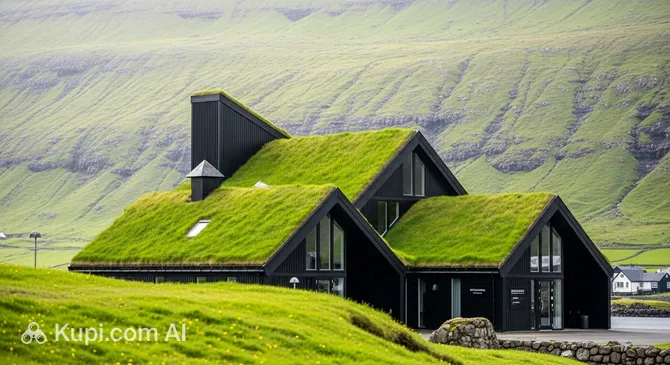
One of the main cultural gems of the Faroe Islands is The Nordic House (Norðurlandahúsið) in the capital, Tórshavn. It is a modern architectural masterpiece and a multifunctional center where you can dive into the world of Scandinavian art: attend concerts, exhibitions, theatrical performances, and themed events dedicated to the culture of Northern Europe.

Illustration.
Source: Kupi.com AI

Traveller photos:

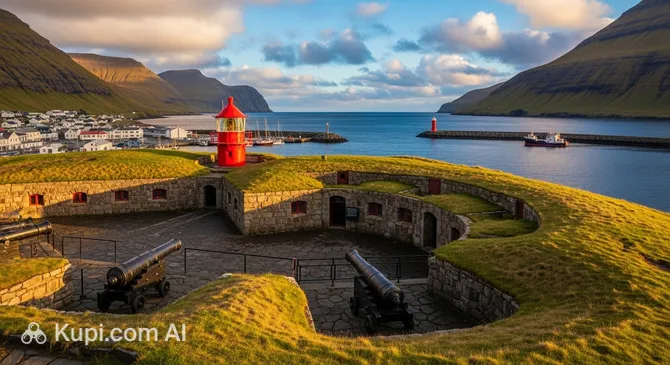
To touch the history of the archipelago, head to Skansin—an ancient fortress located on a hill overlooking the harbor of Tórshavn. This historical fortification with old cannons and a picturesque lighthouse not only tells the story of the islands' maritime past but also offers magnificent panoramic views, perfect for photography.

Illustration.
Source: Kupi.com AI

Traveller photos:

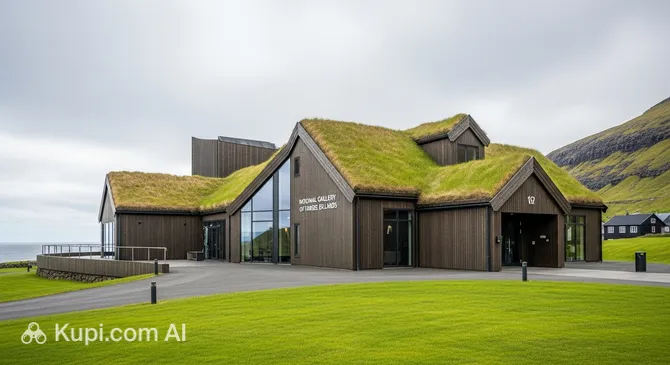
The National Gallery of the Faroe Islands (Listasavn Føroya) invites you to get acquainted with unique Faroese art. Its halls feature works by local artists inspired by the rugged beauty of the island's nature, its distinctive culture, and daily life. It is a wonderful opportunity to see the Faroes through the eyes of their creators.

Illustration.
Source: Kupi.com AI

Traveller photos:

Best Time to Visit

The best time to visit the Faroe Islands largely depends on your preferences and what you want to see and experience. High season traditionally falls during the summer months, from June to August. At this time, the weather is mildest and most stable, though still changeable, with temperatures around 10-15°C. The days are very long, making it ideal for hiking, exploring the islands, and observing numerous seabird colonies, including the famous puffins. The pros of this period are maximum accessibility of all attractions and activities. However, be prepared for more tourists and potentially higher prices for accommodation and services.

Low season, covering spring (April-May), autumn (September-October), and winter (November to March), offers a completely different experience. The weather becomes harsher and more unpredictable, with frequent rain, wind, and short daylight hours, especially in winter. Winter air temperatures hover around 0-5°C. The pros of this time are significantly fewer tourists, allowing you to enjoy solitude and dramatic landscapes in their pristine beauty, as well as lower prices. In winter, there is a chance to see the northern lights. Cons include the fact that some tourist routes and establishments may be closed or operate on a reduced schedule. An important event to consider when planning your trip is the national holiday Ólavsøka, celebrated at the end of July in Tórshavn—it is a vibrant cultural event with parades, sporting competitions, and traditional music.

Traditions

Faroese people are known for their calm and friendly nature, though they may seem reserved at first. When meeting, it is customary to exchange handshakes and maintain eye contact—this is an important part of local etiquette. Hospitality is highly valued here: if you are invited into a home, it is a sign of special favor. While gifts are not mandatory, a small souvenir from your country or flowers would be a nice gesture of appreciation to the hosts. Locals take great pride in their unique culture and language, so showing a sincere interest in their traditions is always received positively and helps build rapport.

In everyday life on the Faroe Islands, there are no strict dress requirements; however, when visiting churches, as in many other cultures, it is better to opt for more modest attire that covers shoulders and knees. At the table, standard European etiquette rules are followed; if you are offered traditional Faroese dishes, even if they seem exotic to you, try to show respect and politeness by tasting at least a little. The main national holiday is Ólavsøka, celebrated on July 29th. On this day, especially vibrantly in the capital, Tórshavn, there are festivities, parades in national costumes, traditional dances, and sporting competitions, including the famous rowing races. To ensure your trip leaves only pleasant memories, be punctual, avoid overly loud behavior in public places, and, most importantly, refrain from direct criticism of local customs or traditions, even if they differ from what you are used to. Respect for the unique Faroese identity is the key to pleasant interaction.

Entertainment

The Faroe Islands offer a unique range of entertainment, where nature and authentic culture play the leading roles. For active leisure enthusiasts, it is a true paradise: countless opportunities for hiking along scenic trails with breathtaking views of the ocean, fjords, and green valleys, bird watching for numerous species including the famous puffins, as well as boat trips, kayaking, and fishing. The atmosphere of seclusion and pristine beauty promotes complete relaxation and restoration.

The cultural life of the Faroe Islands, centered mainly in the capital, Tórshavn, and other major settlements, offers an introduction to the archipelago's unique heritage. Travelers can visit small but interesting museums detailing history, seafaring, and the traditional lifestyle of the islanders, as well as art galleries exhibiting works by local artists who draw inspiration from the rugged beauty of the islands. It is not uncommon to find concerts of traditional Faroese music or modern cultural events. As for shopping, traditional items brought back from the Faroes include high-quality local wool products, especially the famous sweaters with recognizable patterns, as well as various handicraft souvenirs.

Nightlife on the Faroe Islands is characterized by tranquility and coziness. In Tórshavn and some other towns, there are bars and restaurants where you can enjoy a pleasant evening with local drinks and fresh seafood dishes. The atmosphere here encourages leisurely conversation rather than loud parties. For family holidays, the islands primarily offer a connection with nature: fascinating walks, encounters with unique fauna, and the chance to see sheep grazing against a backdrop of incredible scenery. Although there are no specialized theme parks here, the adventure and exploration of the islands themselves will be an unforgettable experience for both children and adults.

Currency rates

Planning a trip? Wonderful! To make sure the financial side of your journey holds no surprises, it's worth remembering that exchange rates are constantly changing. That's why we strongly recommend keeping an eye on current rates both before departure and throughout your trip. To help with that, you can use the data provided below — we monitor exchange rates 24/7 and strive to provide the most up-to-date information.

DKK exchange rate for 18/07/2026

1 AED
~ 1.77 DKK
56.35 AMD
~ 1 DKK
1 AUD
~ 4.54 DKK
1 AZN
~ 3.83 DKK
1 BYN
~ 2.25 DKK
1 CAD
~ 4.64 DKK
1 EUR
~ 7.44 DKK
1 GBP
~ 8.75 DKK
48.78 HUF
~ 1 DKK
14.82 INR
~ 1 DKK
13.45 KGS
~ 1 DKK
228.36 KRW
~ 1 DKK
72.52 KZT
~ 1 DKK
1 PLN
~ 1.71 DKK
12.04 RUB
~ 1 DKK
1 SAR
~ 1.73 DKK
1 SGD
~ 5.04 DKK
7.25 TRY
~ 1 DKK
6.87 UAH
~ 1 DKK
1 USD
~ 6.50 DKK
1853.24 UZS
~ 1 DKK

Reached the bottom of the page?

Looks like you know this route inside out

We use cookies for your convenience.