Slovenia

About

Slovenia is a charming country in Central Europe, often called "Europe in miniature" due to its incredible variety of landscapes within a relatively small territory. From Alpine peaks to the Adriatic coast, from emerald rivers to mysterious karst caves, Slovenia surprises at every turn. It is a country where active recreation and peaceful nature-watching blend easily, offering something for every traveler.
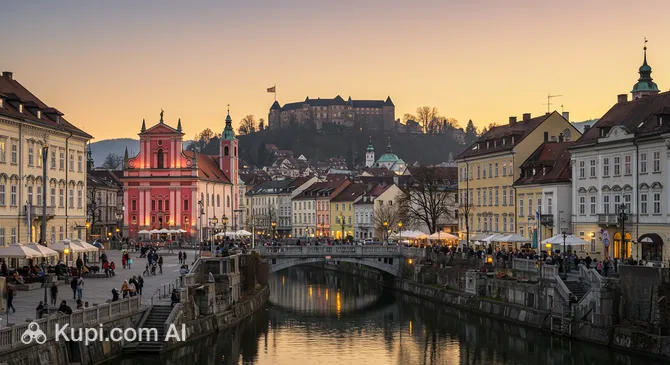
Illustration.
Source: Kupi.com AI

Slovenia's cultural heritage is rich and multifaceted, intertwining Slavic, Germanic, and Romance influences. The heart of the country is its capital, Ljubljana, a charming city with a picturesque waterfront, an ancient castle, and cozy streets. Slovenia's natural treasures are no less impressive: the famous Lake Bled with its fairytale island and castle, and one of the world's most famous karst caves — Postojna Cave.

The atmosphere in Slovenia is perfect for a relaxed and soulful holiday. Hospitable locals, delicious national cuisine, and a temperate climate with warm summers and snowy winters make this country attractive to visit at any time of year. Slovenia leaves the impression of a cozy, green, and incredibly beautiful country where everyone can find a corner to their liking.
Currency

The official currency of Slovenia is the Euro (EUR), as the country is part of the Eurozone. Euro banknotes and coins have a uniform design for all member countries on one side and a national design on the other. Slovenian Euro coins are decorated with various symbols reflecting the history and culture of the country; for example, the 1 Euro coin features Primož Trubar, a key figure of the Slovenian Reformation.

Currency can be exchanged at banks, official exchange offices (menjalnica), and some post offices. It is recommended to avoid exchanging money with private individuals or in questionable places due to the risk of getting an unfavorable rate or encountering fraud. Credit and debit cards (Visa, Mastercard, Maestro) are widely accepted in most hotels, restaurants, shops, and petrol stations, especially in tourist areas and major cities. However, it is always useful to carry a small amount of cash for minor purchases, paying at markets, or in small settlements.

Visa Requirements

Slovenia is part of the Schengen Area, which determines the visa requirements for entry. Citizens of European Union and European Economic Area countries do not require a visa to visit Slovenia. Also, citizens of many other countries, including the USA, Canada, and Australia, can enter the Schengen Area, and accordingly Slovenia, without a visa for short stays (usually up to 90 days within a 180-day period). For citizens of other states who require a visa, it is necessary to apply for a Schengen tourist visa. This visa is generally obtained in advance at a Slovenian consular office or an accredited visa center in your country of residence.

Regardless of whether you need a visa, a valid passport is required to enter Slovenia, and its validity must meet the requirements of the Schengen Agreement (usually at least three months after the intended date of departure from the Schengen Area). It is also recommended to carry proof of sufficient financial means, return tickets, confirmation of accommodation bookings, and medical insurance valid within the Schengen territory. Since visa rules and document requirements can change, we strongly advise checking current information on the official website of the Embassy or Consulate of Slovenia in your country or at the relevant visa center before your trip.

We'll let you know if you need a visa

Enter your destination or
Your nationality
Destination

Timezones

When planning a trip to Slovenia, you won't have to worry about changing time zones within the country. The entire territory of Slovenia is in one time zone. The country uses Central European Time (CET), which corresponds to UTC+1. Like most European countries, Slovenia switches to Central European Summer Time (CEST), which corresponds to UTC+2, during the period from the last Sunday in March to the last Sunday in October.

Thus, the time difference with your location will be the same whether you are in the capital Ljubljana, in the Alpine resorts, or on the Adriatic coast. This simplifies the planning of transfers and activities during your trip through this picturesque country.

Getting There

There are several ways to reach Slovenia, and the choice depends on your location and preferences. The most popular and often fastest option is air travel. The country's main international air hub is Jože Pučnik Airport in Ljubljana, which receives flights from many European capitals and major cities. There are also convenient connections for travelers from other regions of the world. In addition to the capital's airport, there are others serving international and charter flights, especially during the tourist season.

Due to its location in Central Europe, Slovenia is excellently connected to neighboring countries via land transport. A developed network of roads and railways makes it easy to get here by car, bus, or train from Italy, Austria, Hungary, and Croatia. International bus and train routes offer regular connections to major European cities. This can be not only an economical but also a scenic way to get to know the region.

Although Slovenia has a small exit to the Adriatic Sea, sea transport is also one of the ways to enter the country, especially if you are traveling on a cruise ship or ferry from nearby Adriatic ports, such as those in Italy. The main port receiving passenger ships is Koper. Regardless of the chosen method, it is recommended to book tickets in advance, especially if your trip falls during the peak tourist season, to ensure the best prices and availability.

AirportCityIATA
Ljubljana Jože Pučnik AirportLjubljanaLJU
PortorozPortorožPOW
Maribor Edvard Rusjan International AirportMariborMBX

Slovenia, despite its compact size, offers an amazing variety of places for relaxation and travel. Here, everyone will find something to their liking: from lively city centers to peaceful natural corners and charming coastal resorts. The heart of the country is undoubtedly its capital, Ljubljana. This city captivates with its elegant architecture, famous bridges over the Ljubljanica River, cozy cafes, and rich cultural life.

Illustration.
Source: Kupi.com AI

For lovers of fairytale landscapes, a trip to Bled is a must, famous for its picturesque lake with an island in the middle and a medieval castle on a cliff. If the Adriatic coast beckons you, then head to Piran — a charming town with narrow streets and Venetian architecture — or to Portorož, known for its beaches, spa centers, and lively resort atmosphere. Each of these places is unique in its own way and is waiting for you to discover it.

Top Attractions

Slovenia, a country of amazing natural beauty and rich history, offers tourists many fascinating attractions. Everyone will find something for themselves here, from medieval castles to breathtaking caves and picturesque gorges.

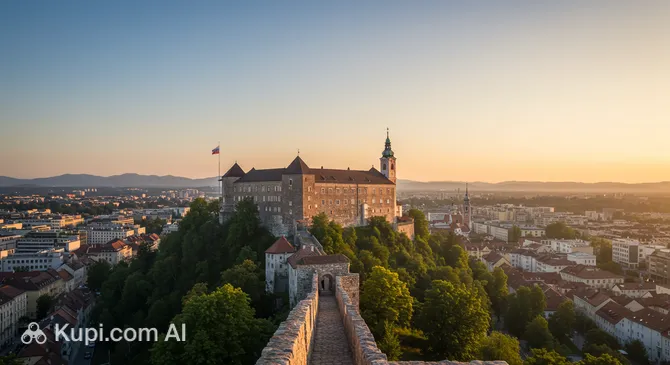
One of the main gems of the country is undoubtedly Ljubljana Castle. This medieval fortress, proudly towering over the capital, Ljubljana, offers not only a dive into history but also breathtaking panoramic views of the city and its surroundings. Inside the castle, you can visit museums, exhibitions, and even climb the observation tower.

Illustration.
Source: Kupi.com AI

Traveller photos:

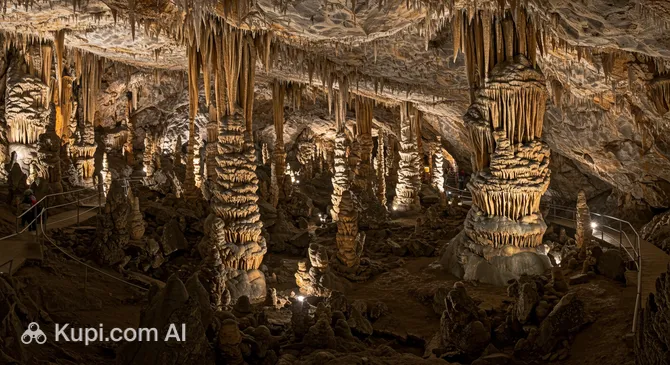
Another wonder of Slovenia that should not be missed is the famous Postojna Cave. This is one of the largest and most visited karst caves in the world. A unique underground railway will take you through mazes of majestic halls decorated with whimsical stalactites and stalagmites, and introduce you to its amazing inhabitant — the proteus, or "human fish."

Illustration.
Source: Kupi.com AI

Traveller photos:

No less impressive is Bled Castle, picturesquely situated on a cliff above the emerald Lake Bled. This is one of the oldest castles in Slovenia, from whose terraces open truly postcard-perfect views of the lake with its island and the surrounding Alpine peaks. The castle houses a museum, a chapel, and a restaurant where you can enjoy local cuisine.

For nature lovers and hikers, the Vintgar Gorge, located near Bled, is a must-visit. This stunningly beautiful canyon is carved by the Radovna River, featuring emerald water, waterfalls, and cascades. Specially equipped wooden bridges and galleries allow you to walk along the entire gorge, enjoying its pristine beauty.

Best Time to Visit

Slovenia is beautiful at any time of year, but choosing the best period for your trip depends on your plans. High season traditionally falls during the summer months (June–August). During this time, the weather is warm and sunny, ideal for active recreation: hiking in the Julian Alps, swimming in lakes like Bled, or relaxing on the Adriatic coast in Piran. However, there are more tourists in summer, and prices for accommodation and services may be higher. Spring (April–May) and autumn (September–October) are the happy medium. In spring, nature blooms, the weather becomes pleasantly warm, and there are significantly fewer tourists. In autumn, Slovenia enchants with its crimson forests, comfortable temperatures, and the grape harvest season, especially in the eastern regions.

Low season, covering the period from November to March, mainly attracts winter sports enthusiasts. Ski resorts such as Kranjska Gora offer excellent conditions for skiing. In cities like Ljubljana, a magical atmosphere of Christmas markets reigns in December. The downsides of this period can be shorter daylight hours and the possible closure of some tourist sites, especially far from major centers. When planning a trip, it is also worth paying attention to cultural events: the famous Ljubljana Festival takes place in summer, numerous wine festivals in autumn, and the colorful Kurentovanje carnival in Ptuj at the end of winter. The climate in Slovenia is diverse, ranging from Alpine in the northwest to Mediterranean on the coast, so it is recommended to check the weather forecast for the specific region of your trip before you go.

Traditions

Slovenians are known for their friendliness and openness. When meeting or greeting someone, it is customary to shake hands while maintaining eye contact. Using the formal "you" and the titles "Gospod" (Mr.) or "Gospa" (Ms.) with a surname is the norm until you are invited to use the informal "you" (ti). Punctuality is highly valued, so try to arrive at meetings on time. Hospitality is an important trait of the Slovenian character. If you are invited to someone's home, it is good manners to bring a small gift for the hosts, such as flowers, a bottle of local wine, or a box of chocolates. In many homes, it is customary to remove outdoor shoes upon entering.

In everyday life, there are no strict requirements for clothing; however, when visiting churches and monasteries, it is better to prefer modest outfits that cover the shoulders and knees. At the table, Slovenians follow general European rules of etiquette: they usually start the meal after the hosts' invitation (for example, the phrase "Dober tek!" — "Bon appétit!"), and it is customary to keep hands on the table rather than on the lap during the meal. Among the key national holidays reflecting the spirit of the country are Prešeren Day (February 8) — Slovenian Culture Day, dedicated to the great poet France Prešeren, and Statehood Day (June 25), marking the achievement of independence. To show respect to the locals, avoid excessively loud behavior in public places and try not to compare Slovenia with other countries, especially in the context of its past — Slovenians are very proud of their unique culture and identity.

Entertainment

Slovenia offers travelers an amazing variety of entertainment to suit all tastes. Lovers of active recreation will find a true paradise here: from breathtaking hiking trails in the Julian Alps and ski slopes in winter to rafting on emerald rivers like the Soča and exploring world-famous karst caves, such as the renowned Postojna Cave. Picturesque lakes like Bled also offer opportunities for water sports and quiet relaxation in nature.

The country's cultural life is centered in its charming cities, primarily in the capital, Ljubljana. Here you can visit numerous museums, art galleries, and theaters, and enjoy concerts of classical or contemporary music. Historical castles, such as Ljubljana Castle or Bled Castle, tell the story of the country's rich past. As evening falls, the cities come alive: cozy bars, cafes with open terraces, and restaurants serving local cuisine create a pleasant atmosphere for relaxation. The Ljubljana riverfront in the capital and coastal towns like Piran and Portorož are particularly famous for their atmosphere.

For those who like to bring back memorable souvenirs, Slovenia offers products from local artisans, famous Slovenian honey, high-quality wines, and traditional lace. Main shopping streets and markets can be found in Ljubljana and other major cities. Families with children will also find plenty to do: in addition to exciting excursions to natural wonders like the Vintgar Gorge, the country offers modern water parks and themed entertainment that will make the holiday unforgettable for all ages.

Currency rates

Planning a trip? Wonderful! To make sure the financial side of your journey holds no surprises, it's worth remembering that exchange rates are constantly changing. That's why we strongly recommend keeping an eye on current rates both before departure and throughout your trip. To help with that, you can use the data provided below — we monitor exchange rates 24/7 and strive to provide the most up-to-date information.

EUR exchange rate for 14/08/2026

4.26 AED
~ 1 EUR
424.01 AMD
~ 1 EUR
1.64 AUD
~ 1 EUR
1.97 AZN
~ 1 EUR
3.47 BYN
~ 1 EUR
1.62 CAD
~ 1 EUR
1 GBP
~ 1.16 EUR
365.46 HUF
~ 1 EUR
110.54 INR
~ 1 EUR
101.33 KGS
~ 1 EUR
1643.50 KRW
~ 1 EUR
539.54 KZT
~ 1 EUR
4.33 PLN
~ 1 EUR
96.56 RUB
~ 1 EUR
4.36 SAR
~ 1 EUR
1.48 SGD
~ 1 EUR
55.35 TRY
~ 1 EUR
51.83 UAH
~ 1 EUR
1.16 USD
~ 1 EUR
13853.12 UZS
~ 1 EUR

Reached the bottom of the page?

Looks like you know this route inside out

We use cookies and services to collect user information. This is essential for the functioning of the site and for marketing purposes. You can find out more in .