Bosnia and Herzegovina

About

Bosnia and Herzegovina is a stunning region in the Balkans where East meets West, creating a unique cultural cocktail. The country is famous for its dramatic mountain landscapes, emerald rivers, and rich history, where the legacies of the Ottoman and Austro-Hungarian empires intertwine. This destination is ideal for those seeking authenticity, genuine hospitality, and untouched nature.

The heart of the country is its capital — Sarajevo. This city is often called the 'European Jerusalem' due to the unique proximity of mosques, Catholic cathedrals, Orthodox churches, and synagogues. A walk through the historic quarters of the capital allows you to literally feel the passage of time, moving from one historical era to another in just a few minutes.
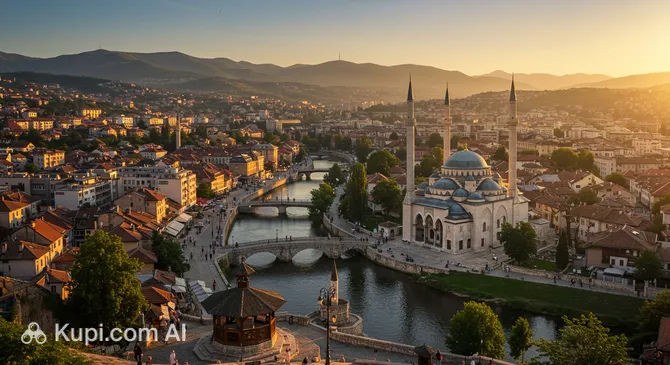
Illustration.
Source: Kupi.com AI

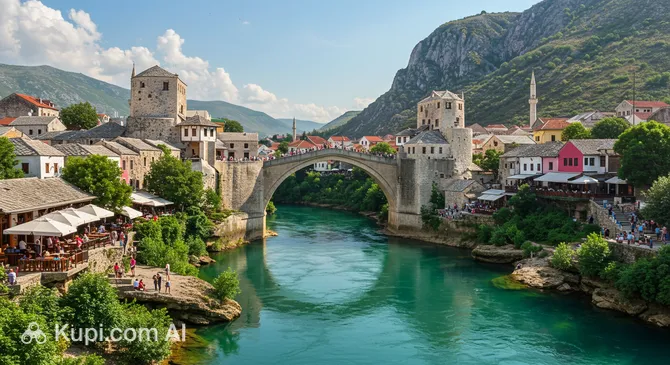
Beyond the capital, travelers are consistently drawn to picturesque Mostar with its legendary bridge and cozy Jajce, known for its waterfall right in the city center. Bosnia and Herzegovina is a place where everyone will find something for themselves: from active recreation on ski slopes to peaceful walks through ancient oriental bazaars.

Currency

The national currency of the country is the Convertible Mark, denoted by the code BAM (within the country, the abbreviation KM is often used). Notably, the mark's exchange rate is pegged to the Euro, providing it with stability. Banknotes have a modern design and are issued in two versions (for the Federation of Bosnia and Herzegovina and for the Republika Srpska), but both types are fully equivalent and accepted throughout the country.

In major cities such as Sarajevo or Banja Luka, credit cards are accepted in most hotels, shopping centers, and restaurants. Nevertheless, for visiting markets, small souvenir shops, and traveling to rural areas, you should always carry cash. Currency can be exchanged (it is best to bring Euros) at banks or official exchange offices (Mjenjačnica), which are widespread in tourist areas.

Visa Requirements

When planning a trip to Bosnia and Herzegovina, it is important to know that the country's visa policy is largely oriented toward European Union standards. Citizens of many countries, including the EU, USA, Canada, and several CIS countries, can visit the country for tourism purposes without a visa for up to 90 days within a six-month period. This makes the destination highly accessible and attractive for short-term travel.

Nevertheless, to cross the border, you will certainly need a valid passport (usually with a validity of at least 3 months after the end of the trip). In some cases, border services may ask for proof of accommodation booking, return tickets, or medical insurance. Since rules can change, we strongly recommend checking the current requirements on the official website of the Ministry of Foreign Affairs of Bosnia and Herzegovina or at the nearest consulate before departure.

We'll let you know if you need a visa

Enter your destination or
Your nationality
Destination

Timezones

The entire territory of Bosnia and Herzegovina is in one time zone — Central European Time (CET). In winter, it corresponds to UTC+1, and in summer — UTC+2, as the country moves to daylight saving time on the last Sunday of March and returns to standard time on the last Sunday of October.

For tourists, this means simplicity when planning routes and traveling between regions: you won't have to worry about changing your watch when moving from Sarajevo to Mostar or Banja Luka. Time here is uniform for the entire country, which greatly facilitates the coordination of excursions and transport connections.

Getting There

The fastest and most convenient way to reach Bosnia and Herzegovina is by air. The main air hub of the country is Sarajevo International Airport, which receives regular flights from many European capitals and major cities in the Middle East. Depending on your route, flights to Tuzla Airport, often used by low-cost airlines, or to Banja Luka may also be convenient.

If you are already traveling through the Balkans, the country is easily accessible by land. There is a well-developed regular bus service with Croatia, Serbia, and Montenegro. For example, a bus trip from Dubrovnik to Mostar is a popular route that allows you to enjoy scenic views from the window. Rail service is limited, but the modern train journey between the capital and Mostar is considered one of the most beautiful railway routes in Europe.

When planning your trip, especially during the peak tourist season (July-August) or during major festivals, it is recommended to book plane and bus tickets in advance. This will not only help you save money but also guarantee a seat on your desired route.

AirportCityIATA
Sarajevo International AirportSarajevoSJJ
Tuzla International AirportTuzlaTZL
Banja Luka AirportBanja LukaBNX
Mostar AirportMostarOMO

A journey through Bosnia and Herzegovina reveals a kaleidoscope of vibrant locations, each with its own unique character. Here you can find bustling metropolises with oriental flair, quiet towns surrounded by mountains, and holy sites attracting pilgrims from all over the world. The country is perfect for those who value diversity: from historical architecture to modern spa resorts.

The undisputed leader in traveler preference is the photogenic Mostar, famous for its medieval bridge. Equally interesting are the pilgrimage center of Čitluk (Medjugorje), as well as elegant Banja Luka, known for its green boulevards and parks. For those seeking relaxation, Ilidža — a resort suburb of the capital with thermal springs — is a perfect fit.

Illustration.
Source: Kupi.com AI

It is also worth paying attention to gems like Jajce with its waterfalls and royal fortress, or sunny Trebinje in the far south of the country. Each of these cities offers a deep dive into Balkan traditions, superb local cuisine, and an unforgettable atmosphere of southern hospitality.

Top Attractions

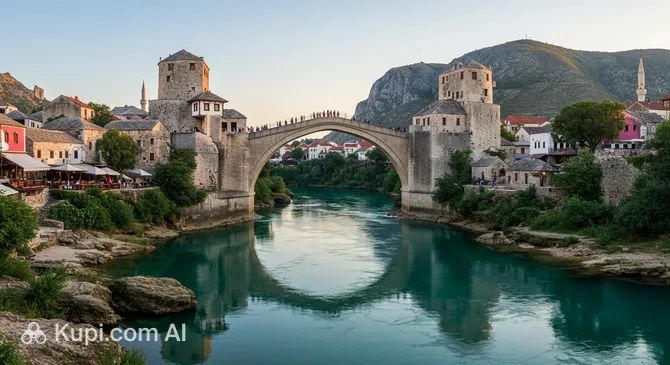
One of the most recognizable landmarks in the country is Stari Most (Old Bridge) in Mostar. This 16th-century masterpiece of Ottoman architecture, connecting the banks of the Neretva River, is recognized as a UNESCO World Heritage site. The bridge is striking in its elegance, and local daredevils jumping from its 24-meter height into the icy water provide a thrilling spectacle for tourists.

Illustration.
Source: Kupi.com AI

Traveller photos:

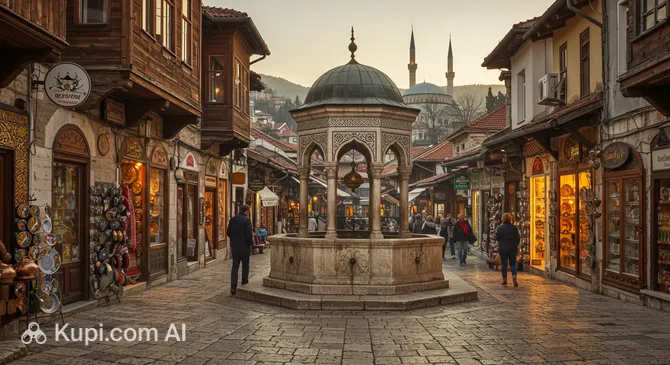
In the very center of the capital is Baščaršija — an old oriental bazaar and the historical heart of Sarajevo. Here, in the narrow cobbled streets, you'll find craft workshops, spice shops, and famous coffee houses. This is the ideal place to try traditional coffee and feel the atmosphere of the old city, preserved since the Ottoman era.

Illustration.
Source: Kupi.com AI

Traveller photos:

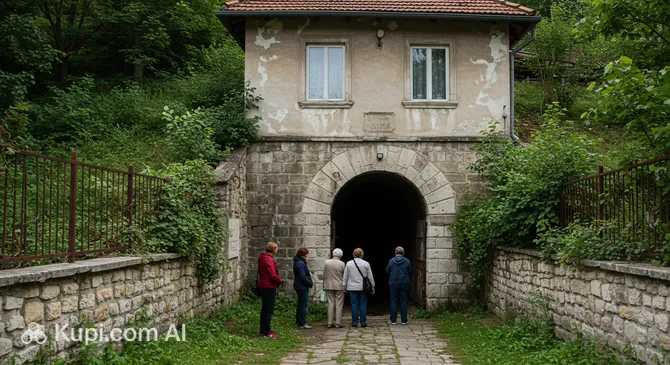
For those interested in modern history, a must-visit is the Sarajevo Tunnel, also known as the 'Tunnel of Hope.' This structure played a key role in the city's survival during the difficult times of the 1990s. Today, it houses a museum telling the story of the residents' courage and the history of this unique site.

Illustration.
Source: Kupi.com AI

Traveller photos:

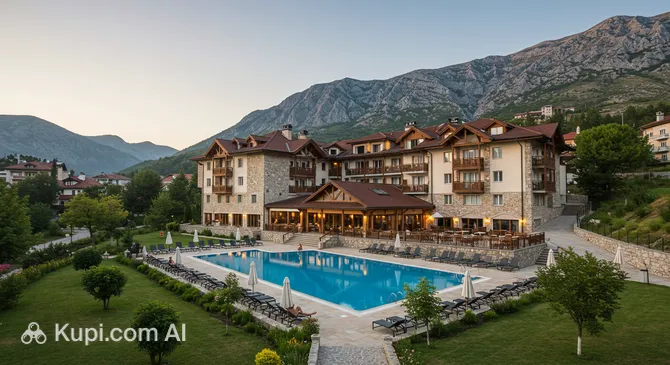
For those seeking comfort and wellness, Hotel Hills Sarajevo Congress & Thermal Spa Resort in Ilidža is worth a visit. This modern complex combines luxury relaxation with access to therapeutic thermal waters, offering guests a huge water park and a world-class spa center.

Illustration.
Source: Kupi.com AI

Traveller photos:

Best Time to Visit

The best time to visit Bosnia and Herzegovina depends largely on your goals, as the country offers excellent vacation opportunities all year round. The high season traditionally falls between May and September. During this time, the weather is warm and sunny, ideal for hiking in the mountains, rafting on the Tara River, or strolling through the historic centers of cities like Mostar. August is particularly popular thanks to the famous Sarajevo Film Festival, though it is worth considering that southern regions, such as Herzegovina, can be quite hot in summer.

For winter sports enthusiasts, the optimal time is from December to March. Ski resorts near Sarajevo offer excellent conditions for skiing at very affordable prices. The shoulder season (April and October) is pleasant due to the lack of crowds and lower accommodation prices, making this period a great choice for those who prefer quiet sightseeing in comfortable, albeit changeable, weather.

Traditions

The culture of Bosnia and Herzegovina is primarily a culture of hospitality and leisurely socializing. A special place in the life of locals is occupied by the coffee tradition. Coffee here is not just a drink, but a reason for long conversation ('ćeif'). If you are invited to visit, it is considered good manners to bring a small gift, such as sweets or coffee beans. It is important to remember that it is customary to remove your shoes when entering a private home; hosts often offer guests slippers.

In communication, Bosnians are open and friendly, valuing politeness and eye contact. The country is multi-confessional, so when visiting mosques, churches, and monasteries, you should follow a dress code: shoulders and knees should be covered, and women should cover their heads with a scarf when entering a mosque. In public places and restaurants, it is customary to behave calmly, showing respect for others.

Among significant holidays are religious celebrations — Bayram, Christmas, and Easter, which are celebrated by different communities. One of the key secular events is the Sarajevo Film Festival, which gathers guests from all over the world and showcases the country's modern, open spirit. The main advice for a tourist: don't rush, enjoy the moment, and be sure to try the local cuisine — it is an important part of the national heritage.

Entertainment

Entertainment in Bosnia and Herzegovina is surprisingly diverse, catering to both thrill-seekers and those who appreciate peaceful cultural leisure. For fans of active recreation, the country offers some of the best conditions in Europe for rafting, canyoning, and paragliding. In winter, the focus shifts to ski slopes, and in summer, to endless trails for hiking and cycling in national parks.

Cultural life is most vibrant in the capital, where international festivals are regularly held, and the doors of numerous museums and contemporary art galleries are open. In the evening, the cities come alive: nightlife here is closely tied to coffee culture and cozy pubs. In Sarajevo, it's worth visiting atmospheric hookah lounges or modern clubs where both local and international music is played.

Shopping in Bosnia is primarily about hunting for unique handicrafts. At the ancient Baščaršija market, you can purchase hammered copperware, handmade carpets, and traditional jewelry. For lovers of modern brands, large shopping centers like Sarajevo City Center or Mepas Mall in Mostar feature popular international brands.

Currency rates

Planning a trip? Wonderful! To make sure the financial side of your journey holds no surprises, it's worth remembering that exchange rates are constantly changing. That's why we strongly recommend keeping an eye on current rates both before departure and throughout your trip. To help with that, you can use the data provided below — we monitor exchange rates 24/7 and strive to provide the most up-to-date information.

BAM exchange rate for 13/08/2026

2.18 AED
~ 1 BAM
216.85 AMD
~ 1 BAM
1 AUD
~ 1.19 BAM
1.01 AZN
~ 1 BAM
1.76 BYN
~ 1 BAM
1 CAD
~ 1.21 BAM
1 EUR
~ 1.95 BAM
1 GBP
~ 2.28 BAM
187.34 HUF
~ 1 BAM
56.54 INR
~ 1 BAM
51.83 KGS
~ 1 BAM
839.59 KRW
~ 1 BAM
276.09 KZT
~ 1 BAM
2.21 PLN
~ 1 BAM
49.04 RUB
~ 1 BAM
2.22 SAR
~ 1 BAM
1 SGD
~ 1.32 BAM
28.30 TRY
~ 1 BAM
26.54 UAH
~ 1 BAM
1 USD
~ 1.69 BAM
7068.08 UZS
~ 1 BAM

Reached the bottom of the page?

Looks like you know this route inside out

We use cookies and services to collect user information. This is essential for the functioning of the site and for marketing purposes. You can find out more in .