Sweden

About

Sweden is a Scandinavian country that charms travelers with its contrasts: from vibrant cities to serene natural landscapes. Located in Northern Europe, it is famous for its vast forests, thousands of lakes, and a long coastline, offering endless opportunities for outdoor activities and seclusion. The country's capital, Stockholm, spread across 14 islands, is the cultural and historical heart of Sweden, where modern design blends harmoniously with medieval architecture.
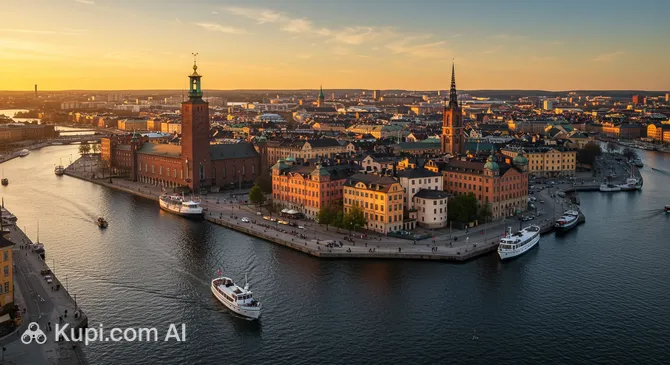
Illustration.
Source: Kupi.com AI

Sweden's cultural heritage is rich and diverse, from the Viking Age to world-renowned Swedish design and innovation. Here you will find a unique combination of ancient traditions and a progressive lifestyle. Cities like Gothenburg on the west coast offer their own unique atmosphere, with cozy cafes, world-class museums, and a lively cultural scene. Of particular note is the famous Vasa Museum in Stockholm, which houses an almost perfectly preserved 17th-century ship.

Sweden's nature is impressive in its pristine beauty. In summer, you can enjoy the white nights and the traditional Midsummer festival, while in winter, you can see the Northern Lights in Lapland or go skiing. The country's atmosphere is perfect for a calm and measured holiday, whether it's exploring historical castles, walking through national parks, or getting to know the local cuisine, known for its simplicity and use of fresh, natural products.


Currency

The national currency of Sweden is the Swedish krona (international code: SEK). Modern banknotes feature prominent figures of 20th-century Swedish culture, such as the writer Astrid Lindgren or the director Ingmar Bergman, which gives them a special national flavor. Coins traditionally feature a portrait of the reigning monarch or royal symbols.

You can exchange currency for Swedish kronor at banks or official exchange offices found in most cities and airports; however, it is worth comparing rates, as they may be less favorable at the airport. It is important to note that Sweden is one of the most "cashless" countries in the world. Credit and debit cards (especially Visa and Mastercard) are accepted almost everywhere, from large supermarkets to small souvenir shops, and some establishments may not even accept cash at all. Therefore, having a bank card will significantly simplify payments during your trip through Sweden.

Visa Requirements

When planning a trip to Sweden, it is important to clarify visa requirements in advance. Sweden is part of the Schengen Area, so citizens of European Union (EU) and European Economic Area (EEA) countries do not require a visa for entry and stays of up to 90 days. Citizens of many other countries, such as the USA, Canada, and Australia, can also visit Sweden without a visa for short-term tourist or business trips. However, for citizens of a number of other nations, a Schengen visa must be obtained in advance to enter Sweden. Typically, this is a tourist visa obtained from the Swedish embassy or consulate in your country of residence.

Regardless of whether you need a visa, a valid passport will be required to cross the border, with an expiration date that must exceed the intended date of departure from the Schengen Area. Other standard documents may also be needed: return tickets, proof of accommodation booking, travel medical insurance, and evidence of sufficient financial means for the stay. Visa rules and document requirements can change, so we strongly recommend always checking the most up-to-date information on the official website of the embassy or visa center of Sweden in your country before starting your journey.

We'll let you know if you need a visa

Enter your destination or
Your nationality
Destination

Timezones

When planning a trip to Sweden, you won't have to worry about changing time zones within the country. The entire territory of Sweden is in one time zone. Standard time here corresponds to Central European Time (CET), which is designated as UTC+1.

Like many European countries, Sweden observes daylight saving time. During this period, usually from the last Sunday in March to the last Sunday in October, time shifts one hour forward and corresponds to Central European Summer Time (CEST), or UTC+2. This means that the time difference with other countries may change depending on the season, so always check the current time before your trip.

Getting There

There are several convenient ways to reach Sweden, the land of Vikings, modern design, and picturesque nature. The most popular and fastest option is, of course, air travel. There are several international airports in the country, the main one being Stockholm Arlanda Airport, located near the capital, Stockholm. Direct flights or convenient connections are available from most European capitals, as well as from major cities in North America and Asia. Other significant airports are located in Gothenburg and Malmö, serving the southern and western regions of the country.

For those who prefer land travel or want to combine a trip to Sweden with a visit to neighboring countries, there are other options. Thanks to the developed railway network and the famous Øresund Bridge connecting Malmö with Copenhagen, Denmark, you can comfortably reach Sweden by train from many European cities. International bus routes are also available. In addition, maritime transport plays an important role, especially for travelers from the Baltic region: regular ferry lines connect Sweden with Finland, Estonia, Latvia, Lithuania, Poland, and Germany. This is a great way to enjoy a sea voyage and bring a car with you.

Regardless of the chosen method, it is recommended to book tickets in advance, especially if your trip falls during the peak tourist season (summer months or Christmas holidays). This will not only help you save money but also guarantee availability for your desired dates. When planning your trip to Sweden, explore the various options and choose the one that best suits your preferences and budget.

AirportCityIATA
Stockholm Arlanda AirportStockholmARN
Göteborg Landvetter AirportGothenburgGOT
Lulea AirportLuleaLLA
Malmo AirportMalmöMMX
Umea AirportUmeaUME

Sweden offers travelers an amazing variety of experiences: from the bustling life of cosmopolitan cities to the peaceful beauty of northern nature. Here everyone will find something for themselves – whether it's exploring rich history and culture in ancient centers, enjoying modern Scandinavian design, or active recreation at the country's many resorts.

Illustration.
Source: Kupi.com AI

The heart of Sweden is, of course, its capital Stockholm. Located on 14 islands, this city impresses with its harmonious combination of royal majesty, historical sights of the Old Town (Gamla Stan), and modern Scandinavian design. Travelers are also attracted to Gothenburg, the country's second-largest city, known for its picturesque canals, maritime heritage, and lively cultural life.

In the south of the country, it's worth paying attention to Malmö – a dynamic city famous for its modern architecture, including the famous Turning Torso skyscraper, and its proximity to Denmark via the Øresund Bridge. And for those looking for active outdoor recreation, especially in winter, the popular destination is the Sälen ski resort, which offers excellent conditions for skiing and family leisure.

Top Attractions

Sweden offers travelers many amazing places, but some stand out particularly for their history and uniqueness. Here are just a few attractions that are definitely worth including in your itinerary through this Scandinavian country.

One of the most impressive sights in Stockholm and all of Sweden is the Vasa Museum. It houses the almost entirely preserved 17th-century galleon "Vasa," which sank on its maiden voyage and was raised from the seabed 333 years later. This is a unique opportunity to touch maritime history and see a real warship of the past, admiring its size and intricate carvings.

Illustration.
Source: Kupi.com AI

Traveller photos:

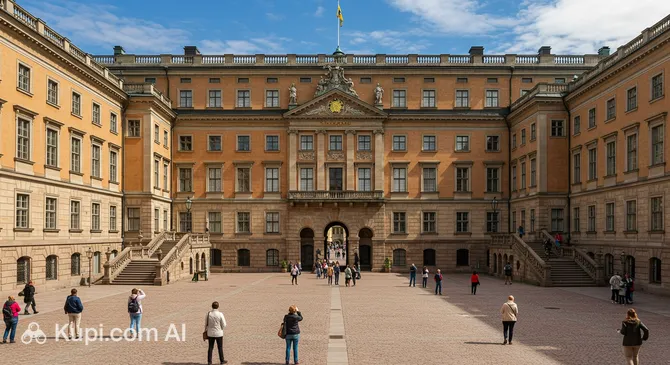
In the very heart of Stockholm lies the majestic Royal Palace – the official residence of the Swedish monarch and one of the largest active palaces in Europe. Visitors can explore the luxurious state rooms, royal apartments, the treasury with the royal regalia, and several museums, including the Armory. Don't miss the spectacular changing of the guard ceremony!

Illustration.
Source: Kupi.com AI

Traveller photos:

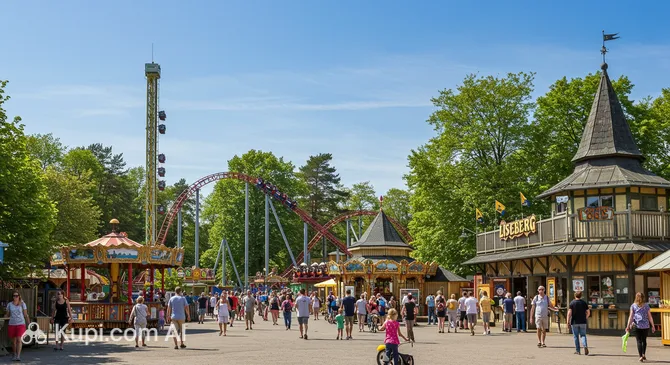
For thrill-seekers and families, a visit to the Liseberg amusement park in Gothenburg is a must. It is one of the largest and most popular amusement parks in Scandinavia, offering entertainment for all tastes – from breathtaking roller coasters and high-altitude rides to cozy carousels, concert venues, and picturesque gardens, which are especially beautiful during Christmas markets.

Illustration.
Source: Kupi.com AI

Traveller photos:

Best Time to Visit

Choosing the best time to visit Sweden largely depends on your plans and preferences. High season traditionally falls during the summer months – from June to August. During this time, the weather is warm and sunny, ideal for strolling through cities like Stockholm, exploring picturesque archipelagos, and outdoor activities. The days are very long, allowing you to make the most of your time. One of the brightest events of the summer is the celebration of Midsummer (summer solstice) – a unique experience of Swedish culture. However, summer sees the largest influx of tourists, and prices for accommodation and flights can be higher.

The shoulder season, covering spring (April-May) and autumn (September-October), attracts travelers with a quieter atmosphere and lower prices. The weather in spring and autumn can be changeable, but often surprises with pleasant days, especially in the southern regions. In autumn, Sweden is painted in bright colors, creating magical landscapes. Low season is winter, from November to March. During this time, the country is covered in snow, especially in the north, where you can enjoy winter sports such as skiing in Sälen, and, of course, see the mesmerizing Northern Lights. Cities are decorated for Christmas, creating a festive atmosphere. Disadvantages can include short daylight hours and the fact that some tourist sites, especially outside large cities, may be closed or operate on a reduced schedule.

Given Sweden's significant north-to-south extent, the climate in different parts of the country can vary significantly. The south of the country is characterized by milder weather, while the north offers real Arctic adventures. Therefore, before a trip, it is always recommended to check the weather forecast for the specific region you plan to visit to make your journey as comfortable as possible.

Traditions

When planning a trip to Sweden, it's worth getting to know some local customs to ensure your interaction with residents is pleasant and respectful. When meeting, Swedes usually exchange handshakes and value direct eye contact, but restraint and respect for personal space are very important. Punctuality is not just politeness, but a way of life in Sweden, so it is customary to arrive on time for meetings. In conversation, try to avoid excessive loudness or overly animated gestures, as Swedes value calmness and moderation, which is reflected in their life philosophy "lagom" – "not too much, not too little, just right."

If you are invited to visit, a small gift for the hosts, such as flowers or chocolate, will be a pleasant token of attention. In Swedish homes, it is customary to remove outdoor shoes at the entrance. Regarding clothing, Swedes prefer a comfortable and practical style in everyday life. There are usually no strict clothing requirements for visiting public places or churches, but neatness and restraint are always appropriate. Standard European etiquette rules are followed at the table. Before taking the first sip of an alcoholic drink, it is customary to say "Skål!", looking into the eyes of those with whom you are raising your glass.

Among the most significant holidays that give an insight into Swedish culture are Midsummer (Midsommar) – the summer solstice festival at the end of June, celebrated on a grand scale with dancing around a decorated pole and folk festivities, and Saint Lucia's Day (December 13), when touching processions with songs and candles take place. In general, Swedes are very helpful and appreciate it when foreigners show interest and respect for their traditions. Avoid discussing personal finances or asking too many persistent questions – this can be perceived as impolite. Showing tact and following these simple tips will help you better understand and enjoy the unique atmosphere of Sweden.

Entertainment

Sweden offers magnificent opportunities for outdoor enthusiasts all year round. In summer, its boundless forests, numerous lakes, and picturesque Baltic coast are ideal for hiking, cycling, kayaking, fishing, and enjoying nature. In winter, the country turns into a real paradise for winter sports fans: downhill skiing and snowboarding at well-equipped resorts, as well as ice skating on frozen water bodies and cross-country skiing on specially prepared tracks are available almost everywhere.

Cultural life in Sweden is rich and diverse, offering something interesting for everyone. Major cities such as Stockholm, Gothenburg, and Malmö take pride in their numerous world-class museums covering history, art, and science, as well as art galleries, theaters, and concert halls with a rich repertoire. For families with children, Sweden offers many exciting leisure options, including modern theme parks, interactive science centers, zoos, and aquariums that will provide unforgettable experiences for both young and adult visitors.

As evening falls, major Swedish cities come alive, offering a wide range of entertainment. Here you will find cozy bars to relax with a drink, stylish restaurants serving both traditional Scandinavian and international cuisine, and lively nightclubs with music for every taste, especially in dynamic centers like Stockholm. As for shopping, Sweden is famous for its unique design – from fashionable clothing and interior items to innovative gadgets. As souvenirs, tourists often bring back glassware, traditional handicrafts like Dala horses, and, of course, famous Swedish delicacies. The main shopping streets, department stores, and designer boutiques are concentrated in the centers of large cities, offering a rich selection of goods.

Currency rates

Planning a trip? Wonderful! To make sure the financial side of your journey holds no surprises, it's worth remembering that exchange rates are constantly changing. That's why we strongly recommend keeping an eye on current rates both before departure and throughout your trip. To help with that, you can use the data provided below — we monitor exchange rates 24/7 and strive to provide the most up-to-date information.

SEK exchange rate for 13/08/2026

1 AED
~ 2.59 SEK
38.51 AMD
~ 1 SEK
1 AUD
~ 6.71 SEK
1 AZN
~ 5.59 SEK
1 BYN
~ 3.19 SEK
1 CAD
~ 6.82 SEK
1 EUR
~ 10.96 SEK
1 GBP
~ 12.83 SEK
33.27 HUF
~ 1 SEK
10.04 INR
~ 1 SEK
9.21 KGS
~ 1 SEK
149.11 KRW
~ 1 SEK
49.03 KZT
~ 1 SEK
1 PLN
~ 2.55 SEK
8.71 RUB
~ 1 SEK
1 SAR
~ 2.53 SEK
1 SGD
~ 7.42 SEK
5.03 TRY
~ 1 SEK
4.71 UAH
~ 1 SEK
1 USD
~ 9.50 SEK
1255.31 UZS
~ 1 SEK

Reached the bottom of the page?

Looks like you know this route inside out

We use cookies and services to collect user information. This is essential for the functioning of the site and for marketing purposes. You can find out more in .