Latvia

Cities in the country

About

Latvia, nestled on the shores of the Baltic Sea in Northern Europe, charms travelers with its unique blend of medieval heritage and picturesque nature. This relatively small country offers a surprising variety of experiences, from the lively streets of its capital, Riga, to the peaceful landscapes of its national parks. Latvia is a country where history harmoniously intertwines with modernity, creating a unique atmosphere for exploration and relaxation.
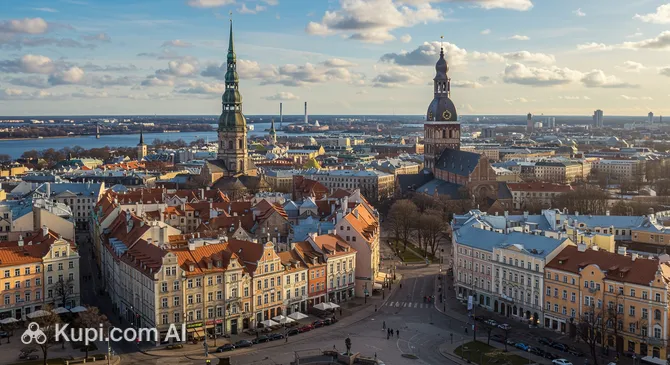
Illustration.
Source: Kupi.com AI

The heart of Latvia lies in its rich history and culture. Riga, with its magnificent Art Nouveau architecture, its historic center listed as a UNESCO World Heritage site, and colorful places like the Riga Central Market, is a true gem of the Baltics. Beyond the capital, the country is proud of its ancient castles, distinctive folk traditions, and melodious language. The popular resort of Jurmala attracts visitors with its famous sandy beaches and characteristic wooden architecture, providing ideal conditions for a relaxed holiday.

Latvia's nature is its main treasure: vast forests covering nearly half the country's territory, over 3,000 lakes, winding rivers, and a scenic coastline with sandy dunes. The temperate climate makes traveling comfortable for both summer seaside holidays and exploring natural beauty in other seasons. Numerous national parks, such as Gauja National Park, offer excellent opportunities for hiking, cycling, and bird watching, allowing tourists to experience a true connection with nature.

Currency

The official currency of Latvia is the Euro (EUR), as the country is part of the Eurozone. Banknotes in denominations of 5, 10, 20, 50, 100, 200, and 500 euros are in circulation, along with coins in denominations of 1, 2, 5, 10, 20, 50 euro cents and 1, 2 euros. The design of the banknotes is the same for all Eurozone countries, while the coins have one common side and one national side—Latvian euro coins often feature the image of a maiden in national costume or the coat of arms of Latvia.

You can exchange currency for euros at banks, specialized exchange offices (Valūtas maiņa), as well as in some hotels and at Riga Airport. It is recommended to compare rates and commissions in different places, as they may vary. Avoid exchanging money with private individuals on the street to avoid becoming a victim of fraud. Credit and debit cards (Visa, Mastercard) are accepted almost everywhere in Latvia, especially in cities—in shops, restaurants, hotels, and at gas stations. Carrying a small amount of cash can be useful for small purchases at markets or in smaller settlements.

Visa Requirements

When planning a trip to Latvia, it is important to familiarize yourself with the current visa requirements in advance. For citizens of European Union countries and the European Economic Area, a visa to enter Latvia is not required, as the country is a member of the Schengen Agreement. Citizens of many other countries, such as the USA, Canada, and Australia, can also visit Latvia without a visa for short-term tourist trips. However, for citizens of a number of countries, including some CIS countries, a Schengen visa must be obtained beforehand to enter Latvia.

If a visa is required for your trip, it is usually a tourist Schengen visa, which must be obtained in advance at the Latvian embassy or consulate in your country of residence. To enter the country, you will need a valid passport, the expiration date of which should typically exceed the date of your intended departure from the Schengen area. Also, be prepared that other standard documents may be required, such as return tickets, proof of accommodation booking, medical insurance, and evidence of sufficient financial means. We strongly recommend always checking the latest information on visa rules and the list of required documents on the official websites of the Latvian embassy or visa center before planning your trip, as visa requirements can change.

We'll let you know if you need a visa

Enter your destination or
Your nationality
Destination

Timezones

When planning a trip to Latvia, you won't have to worry about changing time zones within the country. The entire territory of Latvia is in one time zone—Eastern European Time (EET). The standard time here is UTC+2.

Like many European countries, Latvia observes daylight saving time. During this period, from the last Sunday in March to the last Sunday in October, the time corresponds to UTC+3 (Eastern European Summer Time, EEST). Thus, the time difference with Greenwich Mean Time (UTC) is +2 hours in winter and +3 hours in summer. This means that the time in Riga and other Latvian cities will always be the same.

Getting There

You can reach Latvia in several ways, and the choice depends on your location and preferences. The most popular and fastest option for most international travelers is air travel. The country's main air gateway is Riga International Airport, which serves as a major hub and receives flights from many European capitals and major cities. Convenient connecting flights from more distant regions of the world are also available. Additionally, there are other airports in the country serving regional and international destinations.

For those who prefer ground travel, Latvia is accessible by land. There are regular international bus routes connecting Latvia with neighboring countries such as Estonia and Lithuania, as well as with other European states. Railway connections also exist, although they may be less extensive compared to the bus network. Maritime transport is another scenic way to enter the country. Ferries regularly run between Latvian ports, such as Riga, Ventspils, and Liepaja, and ports in Sweden, Germany, and other Baltic Sea countries.

When planning a trip, especially during the peak tourist season (usually the summer months) or during major holidays, it is recommended to book tickets in advance. This will not only help guarantee your place but may also allow you to find better fares for flights, trains, buses, or ferries.

AirportCityIATA
Riga International AirportRigaRIX

Latvia offers travelers an amazing variety of places for relaxation and discovery. From bustling capital streets to the serene beaches of the Baltic Sea—everyone will find a spot to their liking here. The main magnet for tourists is undoubtedly Riga, the country's capital. This city is famous for its magnificent Art Nouveau architecture, its historic center listed as a UNESCO World Heritage site, and its vibrant cultural life.

Illustration.
Source: Kupi.com AI

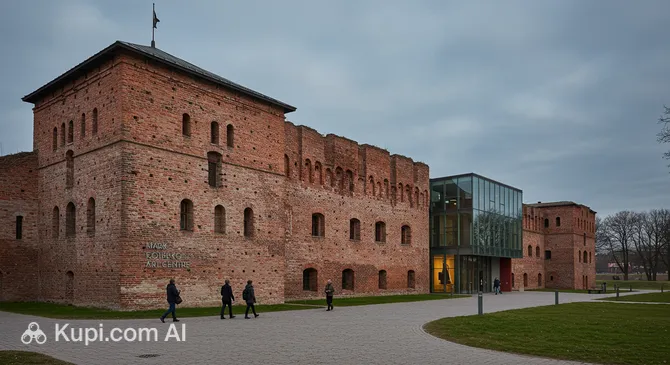
If you dream of sea breezes and golden sand, the famous resort of Jurmala is an ideal choice. Its long beaches, the healing air of pine forests, and charming wooden architecture have attracted holidaymakers for many decades. History buffs and those who enjoy maritime romance should look toward Liepaja, known as the "city where the wind is born," with its wide beaches and the unique Karosta district. To explore the eastern part of the country and its rich cultural heritage, head to Daugavpils, Latvia's second-largest city, where the impressive Daugavpils Fortress awaits you.

Top Attractions

Latvia is rich in unique places that attract travelers from all over the world. Among them, the following attractions stand out, capable of providing unforgettable impressions to every guest of this Baltic country.

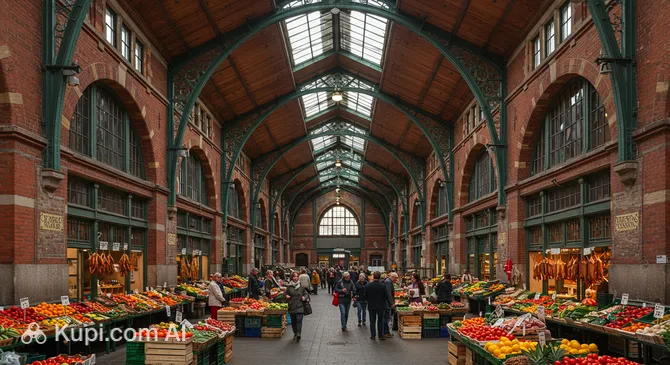
One of the symbols of the capital is the Riga Central Market. This is not just a place for shopping, but a real architectural monument located in former Zeppelin hangars. Here you can find the freshest local products, handicrafts, and feel the authentic atmosphere of Riga.

Illustration.
Source: Kupi.com AI

Traveller photos:

For those seeking unusual experiences, an interesting itinerary stop could be Karosta Prison in Liepaja. This former naval prison now functions as a museum and even offers interactive programs. Visitors can learn about the history of this place and its difficult past.

Art lovers should definitely visit the Mark Rothko Art Centre in Daugavpils, the hometown of the world-famous artist. The center presents a collection of his original works and hosts exhibitions by contemporary Latvian and foreign artists. This is an important cultural space dedicated to the legacy of abstract expressionism.

Illustration.
Source: Kupi.com AI

Traveller photos:

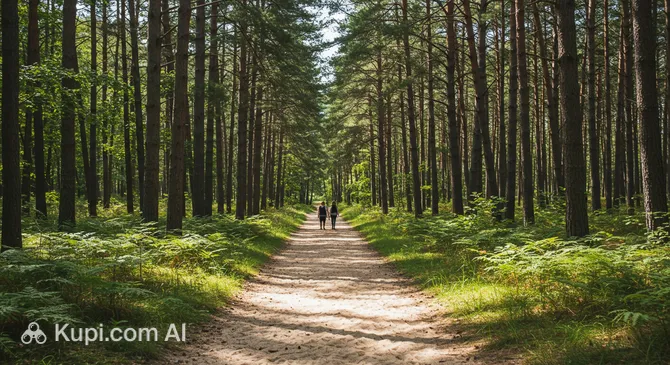
If you want to enjoy nature and fresh air, head to Dzintari Forest Park in Jurmala. This well-maintained park with pine forest, dunes, and paved paths is ideal for walks, active recreation, and family picnics. There is also an observation tower offering a beautiful view of the surroundings and the Baltic Sea.

Illustration.
Source: Kupi.com AI

Traveller photos:

Best Time to Visit

Latvia is beautiful at any time of year, but the choice of the optimal period for a trip depends on your preferences. The peak season traditionally falls during the summer months—from June to August. During this time, the weather is warm and sunny, ideal for relaxing on the famous beaches of Jurmala, walking through the charming streets of Riga, and sightseeing across the country. Air temperatures usually range between +20-25°C, sometimes reaching +30°C. The advantages of this period are the most comfortable conditions for active tourism and swimming in the Baltic Sea. However, it should be noted that this is also the time of the largest influx of tourists and, as a result, higher prices for accommodation and services.

The low season, or shoulder season, covers spring (April-May) and autumn (September-October). In spring, nature awakens, everything blooms, and the air is fresh and pleasant. In autumn, Latvia is colored in gold and crimson tones, creating incredibly picturesque landscapes. The weather during these periods can be changeable, with temperatures from +10°C to +20°C, and rain is possible. The main advantages of the shoulder season are significantly fewer tourists, a calmer atmosphere, and lower prices. Winter (November-March) is also considered a low season, offering snowy landscapes, the cozy charm of Christmas markets, and opportunities for winter sports. However, be prepared for frosty weather when temperatures can drop below zero. One of the most vibrant events worth catching is the Ligo (Midsummer) celebration in late June—a large-scale folk festival of the summer solstice with ancient traditions, songs, and bonfires.

Traditions

Latvians are generally reserved upon first meeting but are very hospitable and value politeness. The standard form of greeting is a handshake with both men and women; direct eye contact is important. When addressing strangers or elders, it is customary to use the formal form of address "Jūs." There are no specific dress code requirements in daily life, but for visiting churches and other religious sites, it is recommended to choose modest clothing that covers shoulders and knees. Latvians value punctuality, so try not to be late for meetings. An attempt to learn and use a few basic phrases in Latvian, such as "Labdien" (Good day) or "Paldies" (Thank you), will be received with great warmth.

If you are invited to a home, which is quite likely given Latvian hospitality, it is good manners to bring a small gift for the hosts—this could be flowers (an odd number, avoid yellow roses and carnations unless it is an official event), a box of chocolates, or high-quality alcohol. At the table, follow standard European etiquette. It is not customary to start eating before the hosts do. Avoid loud conversations in public places and the discussion of sensitive political or historical topics, especially concerning the country's past, unless you are certain of the person's knowledge and views. A respectful attitude toward local traditions and culture will help you better understand Latvia and its people.

To delve deeper into the spirit of the country, pay attention to the national holidays. One of the most beloved and colorful is Ligo (Jāņi), the summer solstice festival celebrated on the night of June 23rd to 24th. At this time, bonfires are lit across the country, folk songs are sung, and wreaths are woven from oak leaves and wildflowers. This is an ancient tradition with roots in pagan times. Another significant holiday is Latvia's Independence Day (November 18th), which is widely celebrated throughout the country, especially solemnly in the capital, Riga, with parades, concerts, and fireworks. Getting to know these customs will enrich your trip and leave unforgettable impressions.

Entertainment

Latvia offers a variety of leisure opportunities to suit a wide range of tastes. Active recreation enthusiasts will appreciate the scenic natural landscapes, perfect for hiking and cycling, especially along the Baltic coast or in the numerous national parks. The country is also rich in cultural entertainment: numerous museums, art galleries, theaters, and concert halls, particularly in Riga, offer a full program year-round, introducing visitors to Latvian history and contemporary art.

As evening falls, nightlife comes alive, especially in the capital, Riga. Cozy bars, stylish restaurants, and clubs offer entertainment for every taste. For those who prefer shopping, Latvia offers both modern shopping centers and authentic markets where you can purchase items by local craftsmen, the famous Riga Black Balsam, amber, and linen products. A walk through the Riga Central Market is an exciting experience in itself.

For family holidays, there is also plenty of interest in Latvia. Besides outdoor walks and relaxing on beaches, for example in Jurmala, you can visit various theme parks, interactive museums geared toward children, and zoos. Many cities offer special programs and events for young travelers, making a holiday in Latvia comfortable and memorable for the whole family.

Currency rates

Planning a trip? Wonderful! To make sure the financial side of your journey holds no surprises, it's worth remembering that exchange rates are constantly changing. That's why we strongly recommend keeping an eye on current rates both before departure and throughout your trip. To help with that, you can use the data provided below — we monitor exchange rates 24/7 and strive to provide the most up-to-date information.

EUR exchange rate for 13/08/2026

4.26 AED
~ 1 EUR
424.12 AMD
~ 1 EUR
1.64 AUD
~ 1 EUR
1.97 AZN
~ 1 EUR
3.45 BYN
~ 1 EUR
1.62 CAD
~ 1 EUR
1 GBP
~ 1.17 EUR
366.40 HUF
~ 1 EUR
110.58 INR
~ 1 EUR
101.38 KGS
~ 1 EUR
1642.09 KRW
~ 1 EUR
539.99 KZT
~ 1 EUR
4.33 PLN
~ 1 EUR
95.92 RUB
~ 1 EUR
4.35 SAR
~ 1 EUR
1.48 SGD
~ 1 EUR
55.36 TRY
~ 1 EUR
51.91 UAH
~ 1 EUR
1.16 USD
~ 1 EUR
13823.98 UZS
~ 1 EUR

Reached the bottom of the page?

Looks like you know this route inside out

We use cookies and services to collect user information. This is essential for the functioning of the site and for marketing purposes. You can find out more in .