Macedonia

Cities in the country

About

Macedonia is an amazing country on the Balkan Peninsula, which, despite its modest size, offers travelers an incredible variety of experiences. This is a land with a rich history where ancient civilizations have left their mark, and where East meets West, creating a unique cultural mosaic. Macedonia fascinates with its authenticity, the hospitality of its residents, and its affordability, making it an excellent choice for those looking for unexplored European gems.

The heart of the country is its capital, Skopje, a city of contrasts where modern architectural projects coexist with centuries-old monuments of the Ottoman era, such as the colorful Old Bazaar. Walking through Skopje, you can see grand monuments, cross the 15th-century Stone Bridge, and feel the dynamic rhythm of modern life mixed with deep respect for the past. Macedonia is also a country of ancient Orthodox monasteries, many of which are located in picturesque secluded spots, preserving priceless frescoes and centuries-old traditions.
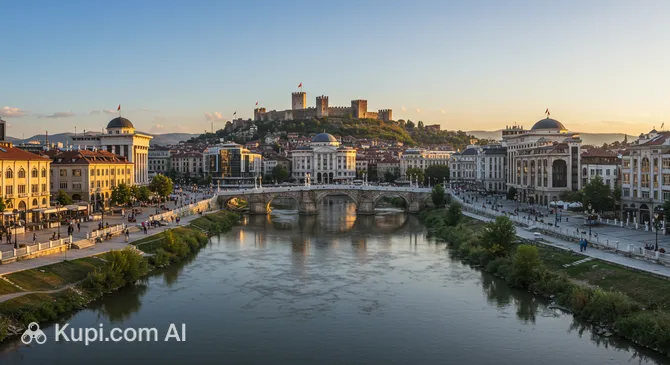
Illustration.
Source: Kupi.com AI

Macedonia's natural beauty will not leave any tourist indifferent. The country is famous for its majestic mountains, crystal-clear lakes, and green valleys. The jewel is Ohrid and its namesake lake, a UNESCO World Heritage site, often called the "Jerusalem of the Balkans" due to the abundance of ancient churches, including the famous Church of Saint John at Kaneo, picturesquely situated on a cliff overlooking the water. The mild climate and welcoming atmosphere make Macedonia attractive to visit at any time of year, promising an unforgettable experience exploring its cultural treasures and natural wonders.

Currency

The national currency of Macedonia is the Macedonian denar (international code MKD). Denar banknotes are decorated with images of significant historical figures, architectural monuments, and elements of the country's cultural heritage. You can exchange currency at banks or official exchange offices, which are easy to find in cities. It is recommended to avoid exchanging money with street money changers to avoid unfavorable rates or fraud. You can also withdraw cash from numerous ATMs.

Credit and debit cards (Visa, Mastercard) are quite widely accepted in hotels, restaurants, and large stores, especially in the capital, Skopje, and other tourist centers. However, in smaller towns, at markets, or in family guesthouses, cash may be preferred, so it is always useful to have some denars with you for small expenses.

Visa Requirements

When planning a trip to Macedonia, it is important to familiarize yourself with current visa requirements in advance. For citizens of European Union countries, the USA, and many other states, including some CIS countries, a visa-free regime often applies for tourist trips for a certain period (usually up to 90 days). The main document for entering the country is a valid passport, the validity of which must cover the intended period of stay.

In case a visa to Macedonia is still required for citizens of your country, this is usually a tourist visa that must be applied for in advance at the Macedonian embassy or consular section in your country of residence. In addition to a visa and passport, a standard set of documents for crossing the border may include return tickets, proof of accommodation booking, and a medical insurance policy. Given that visa policy can change, it is strongly recommended to check the latest information on the official websites of the Ministry of Foreign Affairs of Macedonia or the relevant diplomatic missions before your trip.

We'll let you know if you need a visa

Enter your destination or
Your nationality
Destination

Timezones

When planning a trip to Macedonia, you won't have to worry about changing time zones within the country. The entire territory of Macedonia is in one time zone. Standard time here corresponds to Central European Time (CET), which means UTC+1. Like many European countries, Macedonia switches to Daylight Saving Time (CEST), shifting the clocks forward by one hour to UTC+2, usually from the last Sunday in March to the last Sunday in October.

Thus, for travel around the country, there is no need to adjust your watch or consider the time difference between regions. This simplifies the planning of excursions and movements between cities, including the capital Skopje and other interesting places.

Getting There

There are several ways to reach Macedonia, but air travel is the most popular and convenient. The country has international airports, the main one being the airport in the capital, Skopje, which serves as the primary hub for arriving travelers. Regular flights connect Macedonia with many major European cities, and convenient connecting flights are offered from more distant regions of the world.

For those who prefer land travel, Macedonia is accessible thanks to a developed network of highways and bus routes connecting it with neighboring countries such as Serbia, Bulgaria, Greece, Albania, and Kosovo. International buses are a common way to reach Macedonia from Balkan countries and some other parts of Europe. Rail connections also exist, although they may be less developed compared to bus travel for international trips. Regardless of the chosen method, it is recommended to book tickets in advance, especially if your trip falls during the peak tourist season, to ensure the best prices and availability.

AirportCityIATA
Skopje Alexander the Great AirportSkopjeSKP
Ohrid AirportOhridOHD

Macedonia offers travelers an amazing variety of cities and resorts, each with its own unique charm. From ancient cities with a rich history to picturesque lakeside resorts, there is something for everyone here. Whether you are planning a cultural immersion, an active vacation, or a quiet time in nature, Macedonia is ready to surprise you.

Illustration.
Source: Kupi.com AI

The heart of the country is certainly its capital – Skopje. This city is a unique blend of antiquity and modernity. Here you will find impressive monuments, ancient fortresses such as Kale, the colorful Old Bazaar, as well as modern architectural projects and a vibrant cultural life. Skopje is a place where history comes to life at every step, offering tourists a rich program for exploration.

Equally attractive is the city of Ohrid, located on the shore of the lake of the same name, which is a UNESCO World Heritage site. Ohrid is famous for its numerous ancient churches, monasteries, and the crystal-clear water of the lake, making it an ideal place for history buffs and beach lovers. The city of Bitola, the second largest in the country, will charm you with its elegant architecture from the Ottoman and Neoclassical periods, as well as the cozy atmosphere of its main pedestrian street, Shirok Sokak. And if you are looking for a poetic atmosphere, head to Struga, also located on the shores of Lake Ohrid and known for its international poetry evenings.

Top Attractions

Macedonia is rich in historical and cultural treasures that attract travelers from all over the world. Among them, several must-visit places stand out.

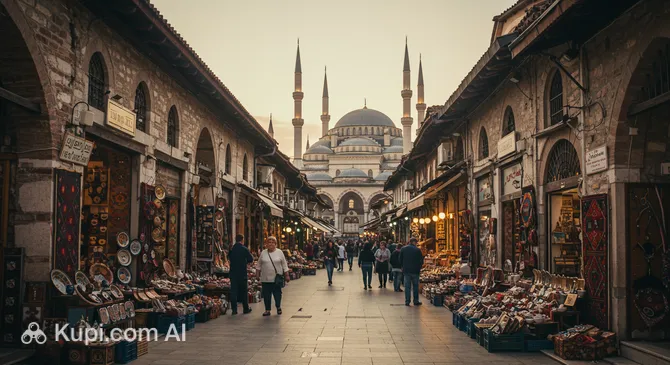
One of the most atmospheric places in the capital is the Old Bazaar in Skopje. This is one of the largest and oldest bazaars in the Balkans, having preserved its Ottoman character. Here you can wander for hours through narrow streets, looking at handicrafts, tasting local delicacies, and enjoying the unique atmosphere of the East. It is a true labyrinth of history, where every corner holds its secrets.

Illustration.
Source: Kupi.com AI

Traveller photos:

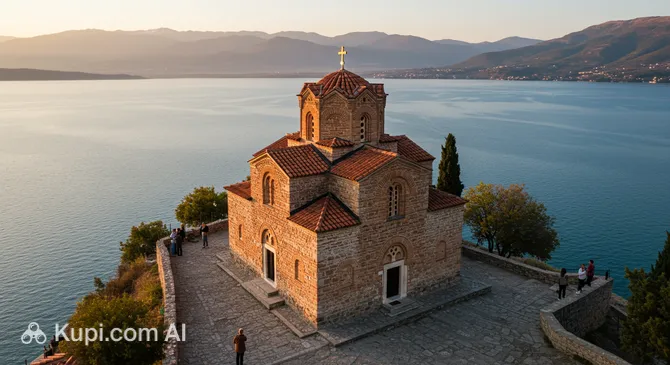
Not far from Lake Ohrid, on a picturesque cliff, stands the famous Church of Saint John at Kaneo. This is a small but incredibly photogenic medieval church that has become one of the symbols of Macedonia. From here, breathtaking views of the lake and surroundings open up, especially at sunset. A visit to this place brings peace and unforgettable impressions.

Illustration.
Source: Kupi.com AI

Traveller photos:

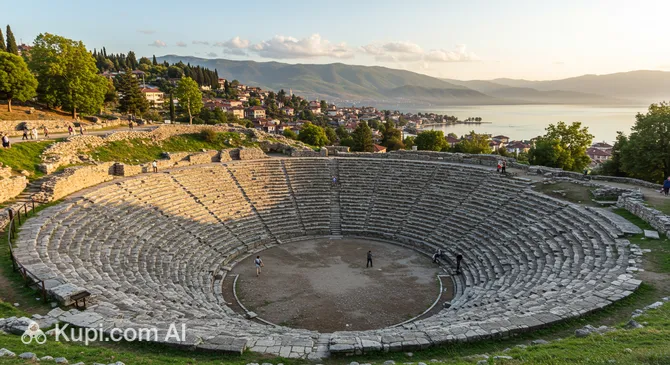
Ancient history buffs should visit the Ancient Theatre of Ohrid. Built back in the Hellenistic period, this theater is perfectly preserved and is still used for various cultural events and festivals. Sitting on its stone steps, it is easy to imagine the gladiator fights or theatrical performances that took place here many centuries ago. This is a unique opportunity to touch ancient history.

Illustration.
Source: Kupi.com AI

Traveller photos:

Best Time to Visit

Macedonia warmly welcomes guests all year round, but the choice of the best time for a trip depends on your preferences. High season traditionally falls during the summer months – from June to August. At this time, the weather is warm and sunny, ideal for relaxing on the shores of Lake Ohrid, hiking in the mountains, and exploring numerous attractions. However, be prepared for a large influx of tourists and, accordingly, higher prices for accommodation and services. One of the highlights of the summer is the famous Ohrid Summer Festival, which attracts artists and audiences from all over the world.

Low season, or the shoulder season, covers spring (April-May) and autumn (September-October). The weather during these periods is usually mild and pleasant, although more changeable, with possible rain. The main advantages of this time are the fewer number of tourists, allowing you to enjoy the country's beauty in a more peaceful setting, and more affordable prices. In spring, nature blooms with bright colors, while autumn brings golden landscapes and a rich harvest of fruit. Winter (December-February) can be quite cold, especially in mountainous areas where snow falls, attracting winter sports enthusiasts to small ski resorts. Before traveling in the off-season or winter, it is worth checking if the tourist sites you are interested in are open, as some may operate on a reduced schedule.

Traditions

Macedonians are known for their warm hospitality, and if you are invited to visit, it is considered a great sign of respect. It is customary to bring a small gift for the hosts, such as flowers, chocolate, or a bottle of local wine. When meeting, a handshake is the standard greeting, while eye contact is important, demonstrating openness and respect. Politeness is valued in communication; it is customary to address elders or those in a higher position, as well as strangers, with the formal "You" until you are invited to switch to a more informal tone.

When visiting the numerous Orthodox churches and monasteries that abound in Skopje and throughout Macedonia, it is important to observe modesty in clothing: shoulders and knees should be covered. Otherwise, in everyday life, there are no strict requirements for appearance. At the table, Macedonians are very generous and hospitable; it is considered polite to try all the dishes offered; refusing treats several times may be perceived as disrespect. To avoid awkward situations, try not to point your finger at people and always ask permission before taking photos of local residents. Loud conversations and boisterous displays of emotion in public places are also not encouraged.

Among the key national holidays reflecting the spirit and history of the country are Independence Day (September 8) and Ilinden – Republic Day (August 2), which marks important historical events in the struggle for sovereignty. Knowing and respecting these simple rules of etiquette will help you better understand the local culture and make your trip through Macedonia more comfortable and pleasant, allowing you to establish warm relations with the local people.

Entertainment

Macedonia is a country capable of surprising with a variety of options for leisure and entertainment. Active recreation enthusiasts will appreciate the picturesque mountain trails, ideal for hiking and walking, especially in the numerous national parks. Famous lakes, such as Lake Ohrid, provide excellent opportunities for water sports, swimming, and simply relaxing in nature. During the winter period, some mountainous regions of the country can also offer conditions for skiing.

The cultural life of the country is especially rich in its major cities. In the capital, Skopje, as well as in historical Ohrid, you will find theaters, museums with rich collections telling about history and traditions, and art galleries representing both classical and contemporary Macedonian art. As evening falls, these cities offer a different atmosphere: numerous bars, cozy restaurants with national cuisine, and clubs where you can enjoy local music and dancing open up. This is felt especially colorfully in the historical centers, where ancient architecture harmoniously blends with modern energy.

For those who cannot imagine a trip without shopping, Macedonia offers both traditional handicrafts and modern shopping centers. At authentic bazaars, for example, the famous Old Bazaar in Skopje, you can find unique handmade souvenirs, jewelry, leather goods, and, of course, local delicacies. Families with children will also find plenty to do: cities have well-kept parks for walks, and in Skopje, you can visit, for example, the Skopje Zoo or find other entertainment venues for young travelers.

Currency rates

Planning a trip? Wonderful! To make sure the financial side of your journey holds no surprises, it's worth remembering that exchange rates are constantly changing. That's why we strongly recommend keeping an eye on current rates both before departure and throughout your trip. To help with that, you can use the data provided below — we monitor exchange rates 24/7 and strive to provide the most up-to-date information.

MKD exchange rate for 14/08/2026

1 AED
~ 14.46 MKD
6.89 AMD
~ 1 MKD
1 AUD
~ 37.46 MKD
1 AZN
~ 31.23 MKD
1 BYN
~ 17.70 MKD
1 CAD
~ 38.08 MKD
1 EUR
~ 61.21 MKD
1 GBP
~ 71.62 MKD
5.94 HUF
~ 1 MKD
1.80 INR
~ 1 MKD
1.65 KGS
~ 1 MKD
26.72 KRW
~ 1 MKD
8.77 KZT
~ 1 MKD
1 PLN
~ 14.21 MKD
1.57 RUB
~ 1 MKD
1 SAR
~ 14.11 MKD
1 SGD
~ 41.47 MKD
1 TRY
~ 1.11 MKD
1 UAH
~ 1.19 MKD
1 USD
~ 53.09 MKD
225.21 UZS
~ 1 MKD

Reached the bottom of the page?

Looks like you know this route inside out

We use cookies and services to collect user information. This is essential for the functioning of the site and for marketing purposes. You can find out more in .