Bulgaria

About

Bulgaria is a charming country located in the heart of the Balkan Peninsula in Southeast Europe. It attracts travelers with its striking diversity: from the sunny Black Sea beaches in the east to majestic mountain ranges like Rila and Pirin, offering excellent opportunities for outdoor activities. Bulgaria boasts a rich history dating back to antiquity and a welcoming atmosphere that makes every journey unforgettable.

Bulgaria's cultural heritage is impressively diverse. Thracians, Romans, Byzantines, and Ottomans have all left their mark here, creating a unique tapestry of civilizations. Travelers can explore ancient tombs, ruins of antique cities, and magnificent medieval monasteries, many of which are included in the UNESCO World Heritage List. The country's capital, Sofia, is one of the oldest cities in Europe, where modern rhythms of life harmoniously blend with historical monuments. It is a city with a special energy where everyone will find something interesting for themselves.
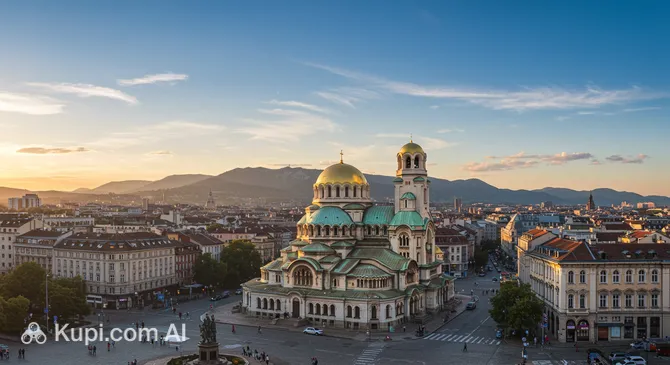
Illustration.
Source: Kupi.com AI

Bulgaria's natural beauty will not leave anyone indifferent. In addition to the famous Black Sea resorts, the country offers picturesque national parks, thermal springs, and caves. The climate here is predominantly temperate continental, with warm summers and snowy winters, making Bulgaria attractive to visit year-round. Be sure to visit gems such as the ancient town of Nesebar, located on a picturesque peninsula, or the cultural capital Plovdiv with its unique Ancient Theatre.

Currency

The national currency of Bulgaria is the Bulgarian lev (international code BGN). Banknotes of various denominations are in circulation, featuring prominent figures from Bulgarian history and culture, along with coins. The lev is pegged to the Euro at a fixed exchange rate.

Currency can be exchanged at banks or licensed exchange offices. It is recommended to compare rates and clarify the presence of any commissions before exchanging. Avoid exchanging currency with private individuals or in questionable places. Credit cards (Visa, Mastercard) are widely accepted in most hotels, restaurants, and large stores, especially in tourist areas and major cities. However, for small purchases, in markets, or in small settlements, it is better to have cash with you.

Visa Requirements

When planning a trip to Bulgaria, it is important to clarify visa requirements in advance. Citizens of European Union and European Economic Area (EEA) countries generally do not require a visa to enter Bulgaria. For citizens of many other countries, including, for example, the USA, Canada, and Australia, visa-free entry is also often provided for short-term tourist trips. However, for citizens of a number of states, including some CIS countries, it is necessary to obtain a visa to visit Bulgaria.

Typically, a tourist visa is issued for travel purposes. To obtain it, you should contact the embassy or consulate of Bulgaria in your country of residence. Regardless of visa requirements, you will need a valid passport to cross the border. It is also recommended to have return tickets, hotel booking confirmation, and a medical insurance policy with you. As visa rules can change, we strongly advise checking the most up-to-date information on the official websites of Bulgarian embassies or visa centers before your trip.

We'll let you know if you need a visa

Enter your destination or
Your nationality
Destination

Timezones

When planning a trip to Bulgaria, you won't have to worry about changing time zones within the country. The entire territory of Bulgaria is in one time zone – Eastern European Time (EET), which corresponds to GMT+2. Like many European countries, Bulgaria switches to Daylight Saving Time (EEST) when the clocks are moved forward one hour, making the time GMT+3. This transition usually occurs on the last Sunday of March and back on the last Sunday of October.

Thus, the time in Sofia, Varna, Plovdiv, and other cities and resorts in Bulgaria will always be the same. This simplifies planning internal travel and excursions, allowing you to fully focus on your holiday and exploring the country's rich culture and beautiful nature.

Getting There

Bulgaria is an attractive tourist destination, and it can be reached in several ways, the most popular of which is by air. The country has several international airports, the key one being the airport in the capital, Sofia. It receives many regular flights from most European countries and offers convenient connections for travelers from more distant regions. During the summer season, the number of charter flights serving popular Black Sea resorts, such as Burgas and Varna, increases significantly.

For those who prefer land travel, Bulgaria is accessible thanks to a developed network of international bus routes connecting it with neighboring Balkan countries and Central European states. Railway connections also exist, although they may be less efficient compared to buses or planes. Sea cruise enthusiasts might consider arriving via ferries or liners at major Black Sea ports such as Varna or Burgas, especially during the peak tourist season. Important tip: regardless of the chosen transport, it is always recommended to book tickets in advance, especially if your trip is planned for peak dates (summer months, major holidays), to guarantee the best prices and availability.

For clarity, here is a summary of the main international airports in Bulgaria:

AirportCityIATA
Sofia AirportSofiaSOF
Burgas AirportBurgasBOJ
Varna AirportVarnaVAR

Bulgaria offers travelers an amazing variety of destinations, from lively urban centers rich in history and culture to picturesque resorts on the Black Sea coast and in the mountains. Everyone will find something here, whether it is exploring ancient ruins, relaxing on golden beaches, or discovering local traditions.

Illustration.
Source: Kupi.com AI

The country's capital, Sofia, is the main cultural and historical center, where modern rhythms of life intertwine with centuries-old heritage. Here you can see the impressive Alexander Nevsky Cathedral, ancient Roman ruins, and numerous museums. For those seeking a combination of history and a seaside holiday, Nesebar is an ideal choice — an ancient open-air museum town located on a picturesque peninsula and listed as a UNESCO World Heritage site. Its narrow cobbled streets and old churches are charming at first sight.

Among other popular destinations, Plovdiv stands out as one of the oldest continuously inhabited cities in Europe, boasting its beautifully preserved ancient theatre and atmospheric Old Town. Fans of seaside resorts should also consider Varna, a major port city and popular beach destination known for its parks and lively waterfront. If you are drawn to more secluded and authentic places, the old town of Sozopol, with its characteristic architecture and romantic atmosphere, will be a wonderful choice.

Top Attractions

Bulgaria is a country with a rich history and diverse landscapes, offering tourists many interesting places to visit. From ancient ruins to modern entertainment centers, everyone will find something to their liking here. Let's get to know some of the most remarkable attractions.

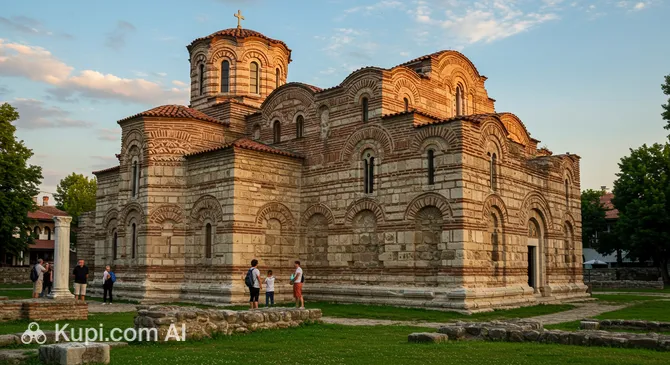
One of the gems of Bulgarian heritage is the Church of Saint Sophia in Nesebar. These impressive ruins of an ancient basilica, also known as the Old Bishopric, transport visitors back to the times of early Christianity. The powerful stone walls and arches create a special atmosphere and bear witness to the rich history of the city, which is listed as a UNESCO World Heritage site.

Illustration.
Source: Kupi.com AI

Traveller photos:

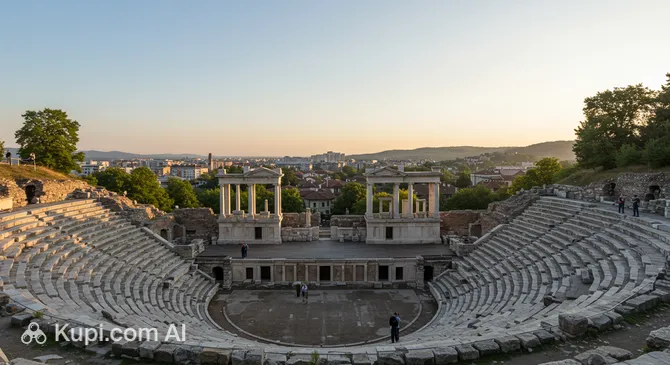
In Plovdiv, one of the oldest cities in Europe, you can find the magnificent Ancient Theatre of Philippopolis. This beautifully preserved Roman amphitheater from the 2nd century AD is still used for concerts, operas, and theatrical performances, allowing audiences to touch history in a unique setting.

Illustration.
Source: Kupi.com AI

Traveller photos:

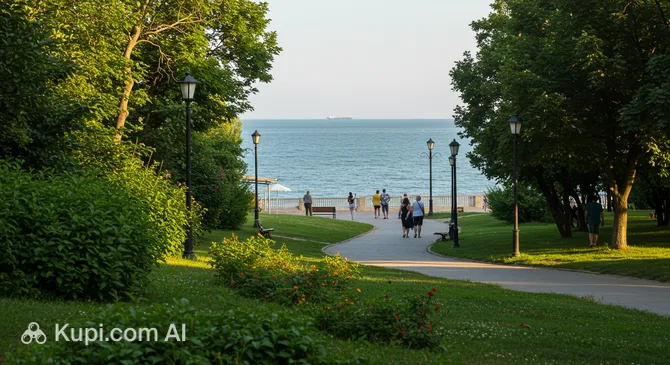
For lovers of nature and peaceful relaxation, the Sea Garden in Burgas will be a true oasis. This vast park stretching along the Black Sea coast offers shaded alleys, beautiful flower beds, fountains, sculptures, and, of course, magnificent sea views. It is an ideal place for walks, picnics, and cultural events held in the open-air theater.

Illustration.
Source: Kupi.com AI

Traveller photos:

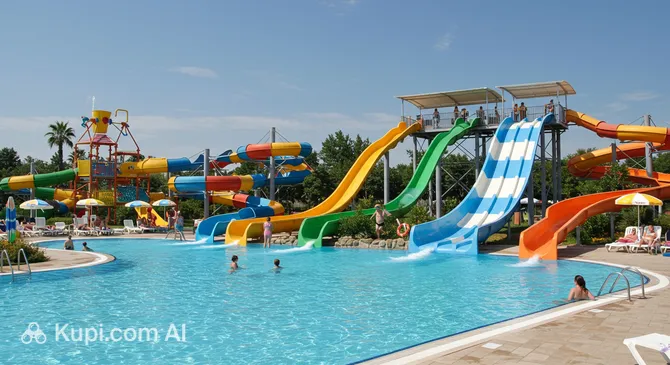
If you are traveling with family or just want to have a fun time, check out Aquapark Nessebar. It is one of the largest water parks on the Bulgarian coast, offering a huge number of water slides, pools, and attractions for all ages. You can spend an entire day here enjoying the sun and water activities.

Illustration.
Source: Kupi.com AI

Traveller photos:

Best Time to Visit

Bulgaria is a country with a diverse climate, offering excellent holiday opportunities all year round, but the best time to travel depends on your goals. The high season occurs in two periods. The summer peak is from June to August, when warm, sunny weather prevails on the Black Sea coast, perfect for beach holidays and water sports. Air temperatures often reach +28-30°C, and the water warms up to +24-26°C. At this time, resorts such as Nesebar and Sozopol are at their liveliest, though prices for accommodation and services are higher and there are significantly more tourists. The winter high season is from December to February, when ski resorts like Bansko, Borovets, and Pamporovo attract winter sports enthusiasts. There is snow in the mountains, and temperatures stay below freezing.

The low season, or shoulder season, spans spring (April–May) and autumn (September–October). This is a wonderful time for sightseeing trips to cities like Sofia, Plovdiv, or Veliko Tarnovo, as well as for visiting spa resorts like Velingrad. The weather during these months is usually mild and pleasant, though it can be changeable, especially in spring. A major plus is the fewer number of tourists and lower accommodation prices. In autumn, you can enjoy the golden colors of nature and the grape harvest. At the end of May and beginning of June, the famous Rose Festival takes place in the Rose Valley, attracting many visitors. It is worth noting that the climate in Bulgaria is temperate continental, but it is milder on the coast and cooler in the mountains, so it is always useful to check the forecast for a specific region before your trip.

Traditions

Bulgaria is a country with rich traditions and hospitable people. When communicating with Bulgarians, note one interesting feature: a nod of the head up and down here means "no", and a shake of the head from side to side means "yes". This can be confusing at first, but you quickly get used to it. Bulgarians value direct eye contact during a conversation; it is considered a sign of sincerity. A handshake is the standard form of greeting. Hospitality is an important part of Bulgarian culture. If you are invited to visit, it is good manners to bring a small gift for the hosts—this could be a bottle of wine, a box of chocolates, or flowers (an odd number). The hosts, in turn, will certainly offer you treats, which it is not customary to refuse.

When visiting Orthodox churches and monasteries in Bulgaria, women are recommended to cover their heads and shoulders, and men should wear trousers rather than shorts. Otherwise, there are no particularly strict dress codes, but a neat appearance is always welcomed. At the table, there are no major complexities, though it is appreciated if you try all the dishes offered. One of the most colorful and beloved holidays is Baba Marta (March 1st), when Bulgarians give each other martenitsas—red and white amulets for health and luck. Bulgaria's Liberation Day (March 3rd) is also widely celebrated. Overall, Bulgarians are very friendly and open to tourists. Showing respect for local customs, even if you do not know all of them in detail, will always be appreciated. Avoid loud conversations in the street late at night and do not criticize local orders—this will help you enjoy your trip and leave a pleasant impression of yourself.

Entertainment

Bulgaria offers tourists a wide range of entertainment for every taste, capable of satisfying both adventure seekers and those who appreciate a quiet holiday. Active recreation enthusiasts will find plenty of opportunities here: from hiking and cycling along picturesque mountain routes to exciting runs at ski resorts in winter. In summer, the Black Sea coast beckons fans of water sports, including diving, windsurfing, and simply relaxed beach relaxation.

For those interested in cultural heritage, Bulgaria opens the doors to numerous museums, ancient monasteries, archaeological excavations, and art galleries where you can learn about the country's rich history and traditions. The nightlife in major cities like Sofia and at popular resorts offers variety: from cozy restaurants with national cuisine and atmospheric bars to lively nightclubs and concert venues.

Shopping in Bulgaria is also a pleasant part of the journey. Tourists often bring home products by local artisans, ceramics, textiles with traditional embroidery, and, of course, the famous Bulgarian rose oil and cosmetics based on it. For families with children, the country offers various leisure options, including modern water parks, amusement parks, and spacious city parks perfect for walks and games, which can be found, for example, in Burgas or Plovdiv.

Currency rates

Planning a trip? Wonderful! To make sure the financial side of your journey holds no surprises, it's worth remembering that exchange rates are constantly changing. That's why we strongly recommend keeping an eye on current rates both before departure and throughout your trip. To help with that, you can use the data provided below — we monitor exchange rates 24/7 and strive to provide the most up-to-date information.

BGN exchange rate for 14/08/2026

2.18 AED
~ 1 BGN
216.79 AMD
~ 1 BGN
1 AUD
~ 1.19 BGN
1.01 AZN
~ 1 BGN
1.78 BYN
~ 1 BGN
1 CAD
~ 1.21 BGN
1 EUR
~ 1.95 BGN
1 GBP
~ 2.28 BGN
186.86 HUF
~ 1 BGN
56.52 INR
~ 1 BGN
51.81 KGS
~ 1 BGN
840.30 KRW
~ 1 BGN
275.86 KZT
~ 1 BGN
2.21 PLN
~ 1 BGN
49.37 RUB
~ 1 BGN
2.23 SAR
~ 1 BGN
1 SGD
~ 1.32 BGN
28.30 TRY
~ 1 BGN
26.50 UAH
~ 1 BGN
1 USD
~ 1.69 BGN
7083.01 UZS
~ 1 BGN

Reached the bottom of the page?

Looks like you know this route inside out

We use cookies and services to collect user information. This is essential for the functioning of the site and for marketing purposes. You can find out more in .