Switzerland

About

Switzerland, a country nestled in the heart of Europe, is world-famous for its majestic Alps, crystal-clear lakes, and impeccable quality of life. This destination attracts travelers seeking both active outdoor recreation and a dive into rich culture and history. The capital, the charming Bern, with its medieval center listed as a UNESCO World Heritage site, serves as a wonderful starting point for exploring this amazing country.
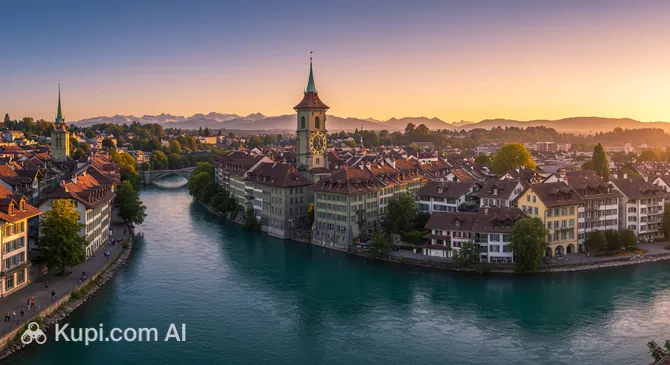
Illustration.
Source: Kupi.com AI

Switzerland's nature is its greatest treasure. Snow-capped mountain peaks like the famous Matterhorn, picturesque valleys, emerald meadows, and countless waterfalls create landscapes of incredible beauty. The climate here is temperate, with warm summers perfect for hiking and cycling, and snowy winters that attract skiing enthusiasts. A trip to Zermatt, at the foot of the Matterhorn, or a ride on the Gornergrat Railway will reveal breathtaking panoramas of Alpine summits.

In addition to natural wonders, Switzerland offers a rich cultural heritage reflected in its multilingualism and variety of traditions. Cities such as picturesque Lucerne, with its famous Chapel Bridge, illustrate this perfectly by combining historical charm with modern dynamics. The country's atmosphere is steeped in tranquility, precision, and a high level of service, making a journey through Switzerland comfortable and unforgettable.

Currency

The national currency of Switzerland is the Swiss franc (international code: CHF). Swiss franc banknotes are known for their vibrant and vertical design; each is dedicated to a specific theme and depicts prominent figures or achievements of Swiss culture and science. Coins also have a distinctive design. It is recommended to exchange currency at banks or official exchange offices, which can be found at airports, railway stations, and in cities. Try to avoid exchanging money in small souvenir shops or hotels, as the rate there may be less favorable.

Credit cards, especially Visa and Mastercard, are accepted almost everywhere in Switzerland: in hotels, restaurants, shops, and gas stations. However, it is always useful to have a small amount of cash on hand for small purchases, public transport fares, or in case you visit small towns where card terminals might not be as common. Contactless payments are also becoming increasingly popular.

Visa Requirements

To enter Switzerland, which is part of the Schengen Area, visa requirements depend on your citizenship. Citizens of European Union (EU) and European Free Trade Association (EFTA) countries do not require a visa for entry. Citizens of many other countries, including the USA, Canada, Australia, and Japan, can also visit Switzerland without a visa for tourist trips of up to 90 days. However, citizens of a number of countries, including some CIS countries, will require a Schengen visa to enter. This tourist visa usually needs to be arranged in advance at the Swiss embassy or consulate in your country of residence.

Regardless of visa requirements, you will certainly need a valid passport for a trip to Switzerland, the validity of which must exceed the intended date of departure from the Schengen Area. Proof of sufficient financial means, return tickets, a hotel reservation, and medical insurance may also be required. Since visa rules can change, it is strongly recommended to check for up-to-date information on the official website of the Swiss embassy or visa center in your country before your trip.

We'll let you know if you need a visa

Enter your destination or
Your nationality
Destination

Timezones

When planning a trip to Switzerland, you won't have to worry about changing timezones within the country. A single timezone operates throughout the entire territory of Switzerland. The country follows Central European Time (CET), which corresponds to UTC+1. Like many European countries, Switzerland switches to Daylight Saving Time (CEST), moving the clocks forward by one hour (UTC+2), typically from the last Sunday in March to the last Sunday in October.

This means the time will be the same in Bern as it is in Zurich, Geneva, or any other corner of this picturesque country. This feature simplifies the planning of transfers and activities during your journey through Switzerland.

Getting There

Reaching Switzerland, a country known for its picturesque Alps, crystal-clear lakes, and high standard of living, can be done in several convenient ways. The most popular and fastest option is undoubtedly air travel. The country has several international airports, the main one often being Zurich Airport, which handles flights from all over the world. Other major air gateways are the airports of Geneva and Basel. Direct flights to Switzerland are available from most European capitals and major cities, while convenient connecting flights are offered from more distant regions such as North America, Asia, or the Middle East.

Due to its location in the heart of Europe, Switzerland is perfectly integrated into the European land transport network. Traveling by train is not only a comfortable but also an incredibly scenic way to enter the country. High-speed trains connect Swiss cities with Paris, Milan, Frankfurt, Vienna, and other major European centers. There is also a well-developed international bus service offering more budget-friendly travel options. Given the lack of direct access to the sea, maritime transport is not a primary way to reach Switzerland, with the exception of river cruises along the Rhine, which may include stops in Swiss cities like Basel.

When planning a trip, especially during peak tourist seasons (summer and winter months), it is recommended to book tickets in advance to ensure the best prices and availability. This applies to both air travel and popular rail routes. Early booking also provides more opportunities to choose a convenient time and route for your journey to this beautiful alpine country.

AirportCityIATA
Zurich AirportZurichZRH
Geneva AirportGenevaGVA
EuroAirport Basel–Mulhouse–FreiburgBaselEAP
EuroAirport Basel Mulhouse FreiburgBaselBSL
Bern AirportBernBRN

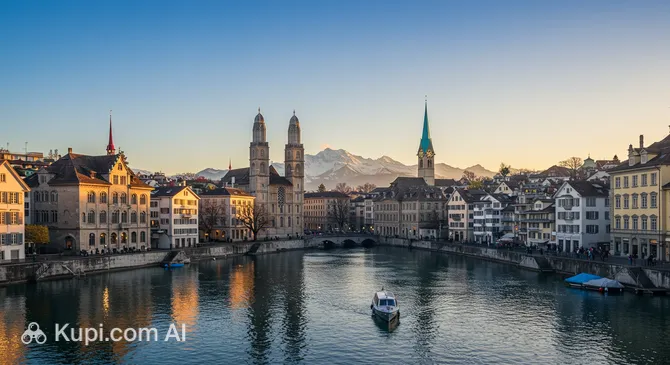
Switzerland is a country where everyone will find a corner to their liking, whether it is a lively city with a rich history and culture, or a secluded mountain resort with breathtaking landscapes. Here, modern metropolises harmoniously coexist with charming alpine villages, offering tourists an incredible variety of experiences and the highest level of service.

Illustration.
Source: Kupi.com AI

Among the most popular destinations is Zurich, the country's largest city, known for its banks, boutiques on Bahnhofstrasse, as well as its picturesque lake and Old Town. No less attractive is the capital, Bern, whose historical center with its medieval streets, fountains, and the famous Clock Tower (Zytglogge) is included in the UNESCO World Heritage list. A visit to the fairytale-like Lucerne, nestled on the shores of Lake Lucerne, with its famous covered Chapel Bridge and stunning views of the surrounding mountains, is also a must.

For lovers of active recreation and alpine beauty, Zermatt is an ideal choice — a world-famous resort at the foot of the majestic Matterhorn, offering excellent opportunities for skiing and hiking. Meanwhile, elegant Lausanne, the Olympic capital on the shores of Lake Geneva, will enchant you with its refined atmosphere, beautiful parks, museums, and views of the Lavaux vineyards. Each of these cities and resorts offers a unique experience and unforgettable impressions of a trip to Switzerland.

Top Attractions

Switzerland is famous not only for its watches, cheese, and chocolate, but also for an incredible variety of attractions capable of impressing any traveler. From picturesque lakes and majestic mountains to historical cities and unique museums — everyone will find something to their liking here.

One of the country's calling cards is the Chapel Bridge in Lucerne. This ancient covered wooden bridge, spanning the Reuss River, is decorated with 17th-century paintings telling the story of the city and the country. A walk across it is a true journey through time, allowing you to touch Switzerland's rich past.

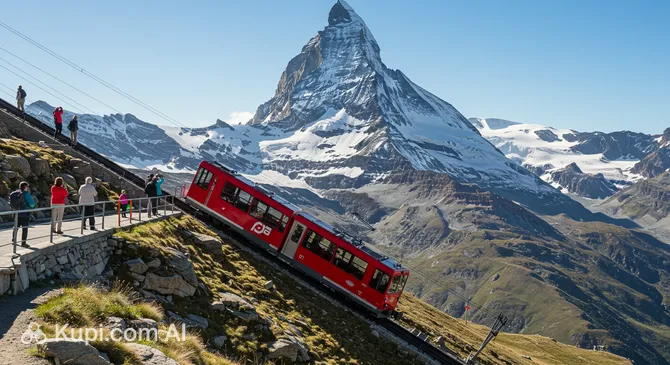
Fans of breathtaking mountain landscapes should definitely take a ride on the Gornergrat Railway. It carries passengers to an altitude of over 3,000 meters, from where stunning views of the famous Matterhorn and surrounding Alpine peaks open up. It is one of the highest and most scenic cogwheel railways in Europe, offering an unforgettable experience.

Illustration.
Source: Kupi.com AI

Traveller photos:

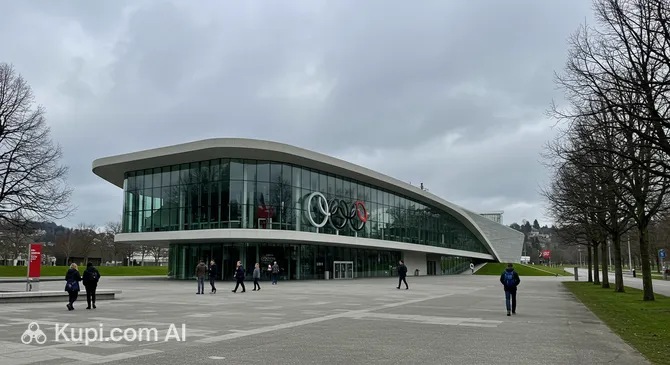
In Lausanne, the Olympic capital of the world, lies the famous Olympic Museum. It houses a rich collection of exhibits dedicated to the history of the Olympic Games, from antiquity to the present day. Interactive exhibitions, personal belongings of athletes, and multimedia installations make a visit to the museum fascinating for both sports fans and those simply interested in world culture.

Illustration.
Source: Kupi.com AI

Traveller photos:

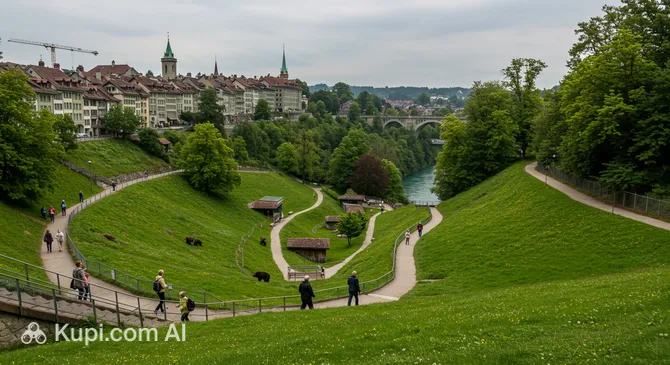
The symbol of the Swiss capital, Bern, is the bear, and it's no surprise that one of the city's main attractions is the Bear Park. Located on the banks of the Aare River, this spacious and modern enclosure allows you to observe brown bears in conditions as close to natural as possible. It is a great place for family recreation and getting to know the living symbol of the city.

Illustration.
Source: Kupi.com AI

Traveller photos:

Best Time to Visit

Switzerland is beautiful at any time of year, but choosing the best season for your trip depends largely on your plans and preferences. The high season in the country can be divided into two main periods. Summer, spanning the months from June to August, attracts with warm and often sunny weather, which is ideal for hiking through picturesque alpine meadows, refreshing swims in crystal-clear lakes, and leisurely exploration of charming cities like Zurich or Lucerne. However, it's worth noting that this time is characterized by the largest influx of tourists and, consequently, the highest prices for accommodation and services. The winter high season, lasting from December to March, lures skiing fans to world-famous resorts, such as Zermatt, offering excellent snow conditions. During this period, prices also reach their peak, especially in popular ski centers.

The shoulder season, including spring (April-May) and autumn (September-October), offers travelers its own unique advantages. In spring, nature awakens in all its glory as alpine slopes are covered in a carpet of flowers, while in autumn, the mountains dress in golden and crimson hues, creating truly breathtaking landscapes ideal for leisurely hikes. During these periods, there are noticeably fewer tourists on the routes and in the cities, and prices for accommodation and various services become more affordable. Possible downsides of the shoulder season include more changeable and unpredictable weather, as well as the possibility that some high-altitude hiking trails or cable cars may be closed, especially in early spring or late autumn.

When planning a trip to Switzerland, it is also useful to consider the calendar of local cultural events. In summer, for example, the famous Montreux Jazz Festival takes place, attracting world stars, while in autumn, many regions host colorful festivals for the cattle drive down from alpine pastures (Désalpe) and various wine festivals. It is important to remember that the climate in the country can vary significantly depending on the specific region: from mild, almost Mediterranean in the south, in the canton of Ticino, to typically alpine, with cooler weather and snow in the mountains even in summer. Therefore, before your trip, it is always recommended to check the current weather forecast for the places you plan to visit, whether it's the capital Bern or idyllic Appenzell.

Traditions

When planning a trip to Switzerland, it's worth getting acquainted with some local traditions to feel more confident and show respect for the country's culture. When meeting and greeting, Swiss people usually exchange handshakes while maintaining eye contact. It is customary to address people you don't know well, especially older ones, using the formal "You" (Sie/Vous/Lei) and the titles Herr/Frau (in the German-speaking part), Monsieur/Madame (in the French-speaking part), or Signore/Signora (in the Italian-speaking part) with their surname until you are invited to use the informal version. Punctuality is highly valued in Switzerland, so try to arrive for meetings on time. If you are invited to someone's home, it is considered a sign of special favor; in this case, it is appropriate to bring a small gift for the hosts, such as flowers (avoiding white lilies and chrysanthemums, which are often associated with funerals) or high-quality Swiss chocolate.

In everyday life, there are no strict requirements for clothing, but the Swiss value neatness and tidiness. When visiting churches and other religious sites, it is recommended to choose modest clothing that covers shoulders and knees. There are certain nuances at the table: for example, it is customary to keep your hands on the table (wrists on the edge) rather than on your lap, and not to start eating until the host or the initiator of the meeting says the traditional "Guten Appetit," "Bon appétit," or "Buon appetito." Try to finish everything on your plate, as this is considered a sign of respect for the hosts and the chef. During toasts, it is customary to look into the eyes of the person you are clinking glasses with.

One of the most vibrant national holidays is Swiss National Day, celebrated on August 1st. On this day, parades are held throughout the country, fireworks are launched, and bonfires are lit on mountain peaks, symbolizing the unity and independence of the confederation. Overall, the Swiss are quite reserved people who value order. Try to avoid excessively loud behavior in public places, do not litter, and respect the personal space of others. Paying attention to these simple rules will help you avoid awkward situations and make your stay in Switzerland even more pleasant.

Entertainment

Switzerland is a country that offers an incredible variety of entertainment for every taste. Active recreation enthusiasts will find a true paradise here: in summer, picturesque alpine trails are ideal for hiking and mountain biking, while numerous lakes beckon with clear water for swimming and water sports. In winter, Switzerland transforms into a mecca for skiers and snowboarders, offering world-class slopes and breathtaking landscapes.

The cultural life of Switzerland is no less rich. The country's cities, such as Zurich, Bern, or Lausanne, are home to many museums — from art galleries to interactive science centers — as well as theaters and concert halls where world stars regularly perform and local festivals take place. In the evening, major cities offer a diverse nightlife: from cozy bars and traditional pubs where you can enjoy local beer or wine, to elegant restaurants and stylish nightclubs open until morning.

For those who can't imagine a trip without shopping, Switzerland offers world-famous watches, delicious chocolate, aromatic cheeses, and high-quality souvenirs. The main shopping streets of the cities abound with both luxury brand boutiques and small shops selling products from local artisans. Families with children won't be bored either: the country has many theme parks, interactive museums, zoos, and opportunities for active outdoor recreation that will make a family trip unforgettable. Scenic trips on panoramic trains will provide pleasure to both adults and young travelers.

Currency rates

Planning a trip? Wonderful! To make sure the financial side of your journey holds no surprises, it's worth remembering that exchange rates are constantly changing. That's why we strongly recommend keeping an eye on current rates both before departure and throughout your trip. To help with that, you can use the data provided below — we monitor exchange rates 24/7 and strive to provide the most up-to-date information.

CHF exchange rate for 14/08/2026

4.54 AED
~ 1 CHF
452.20 AMD
~ 1 CHF
1.75 AUD
~ 1 CHF
2.10 AZN
~ 1 CHF
3.71 BYN
~ 1 CHF
1.72 CAD
~ 1 CHF
1.07 EUR
~ 1 CHF
1 GBP
~ 1.09 CHF
389.76 HUF
~ 1 CHF
117.89 INR
~ 1 CHF
108.06 KGS
~ 1 CHF
1752.75 KRW
~ 1 CHF
575.41 KZT
~ 1 CHF
4.62 PLN
~ 1 CHF
102.98 RUB
~ 1 CHF
4.65 SAR
~ 1 CHF
1.58 SGD
~ 1 CHF
59.03 TRY
~ 1 CHF
55.27 UAH
~ 1 CHF
1.24 USD
~ 1 CHF
14774.10 UZS
~ 1 CHF

Reached the bottom of the page?

Looks like you know this route inside out

We use cookies and services to collect user information. This is essential for the functioning of the site and for marketing purposes. You can find out more in .