Croatia

About

Croatia is a stunning country situated at the crossroads of Central and Southeast Europe, washed by the crystal-clear waters of the Adriatic Sea. Its uniqueness is largely defined by its incredibly picturesque coastline with over a thousand islands, each possessing its own unique charm. This country offers the perfect combination of sunny beaches, turquoise sea, and a rich cultural heritage, making it one of the most attractive destinations in Europe.

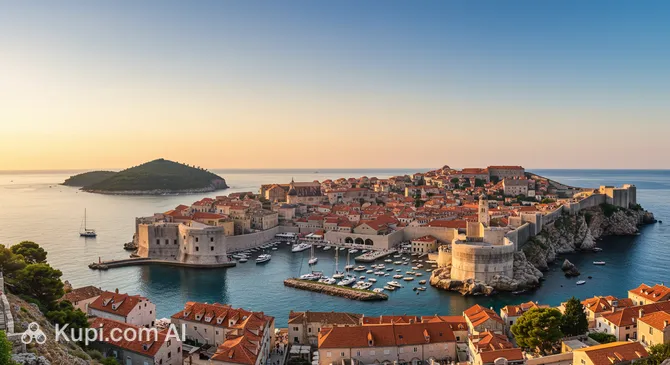
Croatia's history has left a deep mark on its architecture and culture. Travelers can explore ancient Roman ruins, stroll through the narrow streets of medieval towns like the famous Dubrovnik, surrounded by massive fortress walls, or immerse themselves in the lively atmosphere of the capital, Zagreb, with its elegant architecture and numerous museums. Every corner of the country breathes history, offering guests a fascinating journey through time.
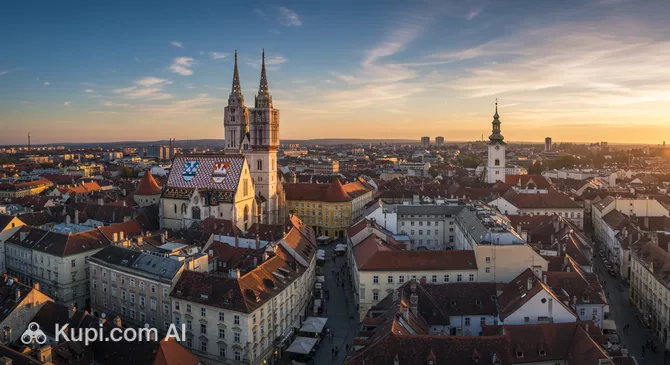
Illustration.
Source: Kupi.com AI

In addition to its impressive coastline and historic cities, Croatia is famous for its stunning nature. Here you can find magnificent national parks with cascading waterfalls, dense forests, and mountain ranges perfect for hiking. Be sure to visit iconic sites such as Diocletian's Palace in Split, which is a UNESCO World Heritage site. The Mediterranean climate provides long sunny days, while the hospitality of the locals creates a warm and friendly atmosphere, making a holiday in Croatia truly unforgettable.

Currency

Since January 1, 2023, the official currency of Croatia has been the Euro (EUR), replacing the Croatian kuna (HRK). If you have kunas left over from previous trips, they could be exchanged for Euros at Croatian banks throughout 2023; it is best to check the current conditions for exchanging old currency in advance. Euro banknotes are the same in all Eurozone countries, while the coins have a national side. Croatian Euro coins are decorated with interesting symbols: the 2-euro coin features a map of Croatia, the 1-euro coin features a marten (a symbol associated with the former currency), the 50, 20, and 10-cent coins feature a portrait of Nikola Tesla, and the small 5, 2, and 1-cent coins feature Glagolitic letters.

For tourists from countries outside the Eurozone, it is recommended to exchange currency at banks or official exchange offices (mjenjačnica), which are easy to find in cities and tourist centers. Avoid exchanging money with street changers or in places with suspiciously favorable rates, as there is a risk of hidden commissions or fraud. Credit and debit cards (Visa, Mastercard, Maestro) are widely accepted in most hotels, restaurants, supermarkets, and shops, especially in tourist areas. However, it is always useful to carry a small amount of cash for minor purchases, paying at markets, or in small cafes, particularly in remote locations.

Visa Requirements

When planning a trip to Croatia, it is important to familiarize yourself with the visa requirements in advance. Since Croatia is a member of the European Union and the Schengen Area, entry is visa-free for citizens of EU/EEA countries and Switzerland. Citizens of many other countries, including the USA, Canada, UK, and Australia, also generally do not require a visa for tourist trips of up to 90 days. However, citizens of several other countries may need a Schengen visa to visit Croatia. This visa must be applied for in advance at a Croatian consulate or an accredited visa center in your country of residence.

Regardless of whether you need a visa, a valid passport is a mandatory document for entering Croatia. Its validity must cover the entire period of the intended stay and, as a rule, have a buffer of several months after departure. It is also recommended to carry confirmation of accommodation bookings, return tickets, and a medical insurance policy valid within the Schengen Area. Given that visa rules can change, we strongly advise checking the most up-to-date information on the official website of the Ministry of Foreign and European Affairs of Croatia or at Croatian consular offices in your country before your trip.

We'll let you know if you need a visa

Enter your destination or
Your nationality
Destination

Timezones

When planning a trip to Croatia, you won't have to worry about changing time zones within the country. The entire territory of Croatia is in a single time zone. Standard time here is Central European Time (CET), which corresponds to UTC+1.

Like many European countries, Croatia observes daylight saving time. During this period, the country operates on Central European Summer Time (CEST), UTC+2. The transition to summer time usually occurs on the last Sunday in March, and back to winter time on the last Sunday in October. Thus, the time difference with Greenwich Mean Time (UTC) is +1 hour in winter and +2 hours in summer.

Getting There

Reaching Croatia, the pearl of the Adriatic, can be done in several ways depending on your location and preferences. The most popular and fastest option is air travel. The country has several international airports, the main one being in Zagreb, the capital of Croatia. Direct flights and convenient connections are available from most European capitals and major cities, and during the summer season, the flight geography expands significantly with charter flights from various parts of the world.

Thanks to its location in Central Europe, Croatia is also accessible by land transport. There are regular international train and bus routes connecting Croatia with neighboring countries such as Slovenia, Hungary, Serbia, Bosnia and Herzegovina, as well as more distant European states. This can be an excellent choice for those who prefer overland travel or want to combine a visit to Croatia with other countries in the region. Additionally, given the long coastline and many islands, maritime transport plays an important role. International ferry lines connect Croatian ports (e.g., Split, Dubrovnik, Rijeka) with Italy, and cruise ships frequently include Croatia in their Mediterranean itineraries.

Regardless of the chosen method, it is recommended to plan your trip and book tickets in advance, especially if your journey falls during the peak tourist season (July-August) when demand for transport and accommodation increases significantly. Early booking will not only help you save money but also ensure availability on the most convenient flights or routes.

AirportCityIATA
Zagreb International AirportZagrebZAG
Split AirportSplitSPU
Dubrovnik AirportDubrovnikDBV
Zadar AirportZadarZAD
Pula AirportPulaPUY

Croatia is famous for its diverse cities and resorts, attracting tourists from all over the world. From ancient port cities with rich histories to modern resorts with magnificent Adriatic beaches – everyone will find something to their liking here. The coast is dotted with picturesque towns, while the continental part of the country offers its own unique discoveries.

Illustration.
Source: Kupi.com AI

Among the most popular destinations, Dubrovnik, known as the "Pearl of the Adriatic," undoubtedly stands out. Its impressive medieval walls and old town, listed as a UNESCO World Heritage site, enchant at first sight. No less attractive is Split, the heart of which is the magnificent Diocletian's Palace, where ancient history is harmoniously interwoven with modern life. Lovers of Roman antiquity will also appreciate Pula with its grandiose and well-preserved amphitheater.

The capital of the country, Zagreb, offers guests a rich cultural program, charming streets in the Upper Town, numerous museums, and a lively atmosphere. For those seeking a more secluded and romantic coastal getaway, Rovinj is ideal – an incredibly photogenic town on the Istrian peninsula with its narrow cobbled streets and colorful houses crowded by the water. And the elegant resort of Opatija, with its luxurious Austro-Hungarian era villas and well-kept promenades, will provide an unforgettable experience for lovers of calm and sophisticated relaxation.

Top Attractions

Croatia is a country with a rich history and culture, offering tourists many amazing places. Among them are attractions that are definitely worth visiting to fully experience the spirit of this country.

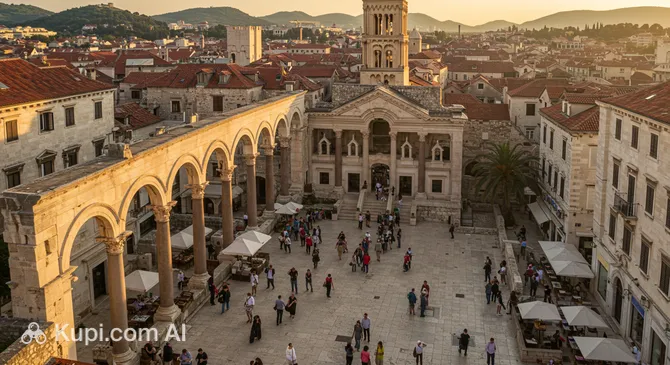
One of the most famous gems of Croatia is Diocletian's Palace in Split. This grandiose complex, built by the Roman Emperor Diocletian in the 4th century, is now the heart of the city. Within its walls, ancient ruins, medieval buildings, and vibrant modern life with numerous cafes, shops, and residential houses are intertwined. A walk through its narrow streets is a true journey through time.

Illustration.
Source: Kupi.com AI

Traveller photos:

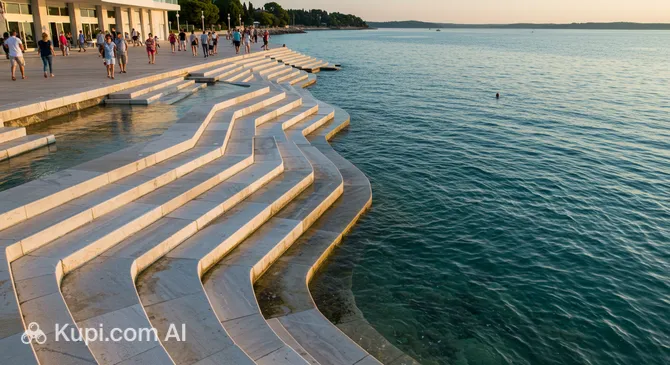
In Zadar, there is a unique architectural and musical structure – the Sea Organ. This system of pipes and whistles, built into the promenade, converts the energy of the sea waves into wonderful melodies. The sounds created by the sea produce a unique atmosphere, especially at sunset when you can enjoy not only the music but also the stunning view of the Adriatic Sea.

Illustration.
Source: Kupi.com AI

Traveller photos:

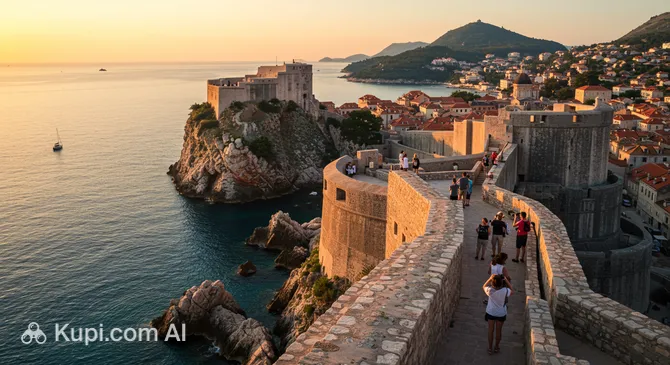
If you find yourself in Dubrovnik, be sure to visit Fort Lovrijenac. This majestic fortress, perched on a 37-meter rock above the sea, is known as the "Gibraltar of Dubrovnik." The fort played a key role in defending the city and is now a popular spot for tourists, offering breathtaking panoramas of the Old Town and the Adriatic. Theatrical performances are often held here, including as part of the famous Summer Festival.

Illustration.
Source: Kupi.com AI

Traveller photos:

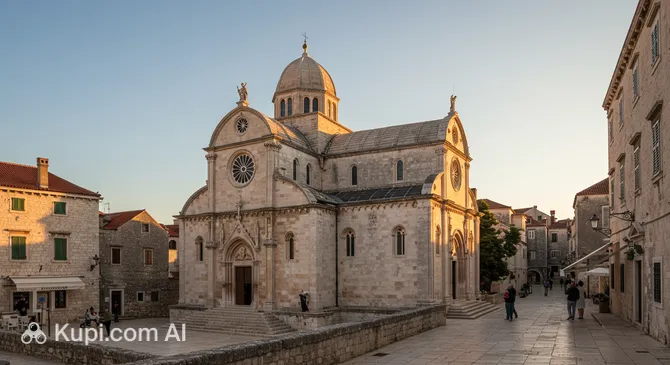
One cannot overlook the Cathedral of St. James in Sibenik, which is included in the UNESCO World Heritage list. This unique cathedral is built entirely of stone without the use of any binding materials. Its architecture combines Gothic and Renaissance elements, and the famous frieze of 71 sculpted heads on the apse depicts contemporaries of the architect Juraj Dalmatinac.

Illustration.
Source: Kupi.com AI

Traveller photos:

Best Time to Visit

Croatia delights travelers with a variety of climatic conditions, so choosing the best time for a trip depends on your preferences. The high season traditionally falls during the summer months – from June to August. During this time, the Adriatic coast enjoys hot and sunny weather, ideal for beach holidays, swimming, and water sports. Air temperatures often rise above +30°C, and the water warms up to a comfortable +24-26°C. The advantages of this period are clear – maximum sunshine and well-developed tourist infrastructure. However, you should be prepared for a large influx of tourists and, as a result, higher prices for accommodation and services.

The shoulder season, spanning spring (April-May) and autumn (September-October), is also a wonderful time to visit Croatia. The weather during these months is usually mild and pleasant, with daytime temperatures around +15-25°C. This is the ideal time for excursions, hiking in national parks like Plitvice Lakes or Krka, and exploring cities like Dubrovnik or Split without the sweltering heat and crowds. Prices during this period are generally lower, and there are significantly fewer tourists. On the downside, the weather can be more changeable, especially in early spring and late autumn, and some tourist sites, particularly on the islands, may have reduced hours or be closed. In summer, Croatia hosts many festivals, such as the Dubrovnik Summer Festival or music festivals in Pula and Split, which can be an additional reason for a trip. The climate varies across the country: it is Mediterranean on the coast and moderate continental in the interior, including Zagreb, so it is worth checking the forecast for your specific region before traveling.

Traditions

Croatians are famous for their cordiality and hospitality, so do not be surprised by the sincere warmth of the local residents. When meeting and greeting, it is customary to exchange a handshake, while direct eye contact is important – it is a sign of respect and openness. If you are invited to someone's home, it is good manners to bring a small gift for the hosts, such as flowers, a bottle of wine, or sweets. In communication, Croatians are usually friendly and open but value politeness and tact. Try to avoid discussing sensitive political topics, especially those related to the recent history of the region, to avoid causing awkwardness.

When visiting religious sites in Croatia, such as churches and monasteries, it is important to follow a dress code: clothing should cover the shoulders and knees. In daily life at resorts and in cities, there are no strict rules; however, appearing in swimwear outside the beach or in overly revealing clothing in public places is considered impolite. At the table, standard European etiquette is followed; if you are a guest, wait until the hosts begin the meal. Croatians value punctuality. One of the significant national holidays is Statehood Day (Dan državnosti), celebrated on May 30th, when solemn events take place across the country. By showing respect for local customs, you will not only avoid awkward situations but also gain a deeper understanding of the culture of this beautiful country, making your trip even more pleasant.

Entertainment

Croatia offers its guests an amazing variety of entertainment to suit all tastes and interests. From outdoor activities in nature to immersion in rich culture and a vibrant nightlife – everyone will find something for themselves when planning an unforgettable journey.

Outdoor enthusiasts will appreciate the opportunities for hiking along scenic mountain trails, diving in the crystal-clear waters of the Adriatic Sea, sailing, and many other water activities along the rugged coastline. In winter, you can even go skiing in some regions of the country. For lovers of cultural entertainment, Croatia opens the doors to numerous museums, ancient historical monuments, art galleries, as well as theaters and concert venues, which are particularly active in cities like Zagreb or Dubrovnik.

As evening falls, coastal resorts and major cities come alive, offering a diverse nightlife: from cozy bars with live music and beach parties to energetic clubs and elegant restaurants. Shopping in Croatia is not just about visiting modern shopping centers, but also a chance to bring home authentic souvenirs such as lavender products, famous olive oil, local wines, cheeses, or traditional lace. Families with children will also find plenty to do: the country has water parks, entertainment centers, and many opportunities for active family leisure in the fresh air.

Currency rates

Planning a trip? Wonderful! To make sure the financial side of your journey holds no surprises, it's worth remembering that exchange rates are constantly changing. That's why we strongly recommend keeping an eye on current rates both before departure and throughout your trip. To help with that, you can use the data provided below — we monitor exchange rates 24/7 and strive to provide the most up-to-date information.

HRK exchange rate for 13/08/2026

1 AED
~ 1.77 HRK
56.29 AMD
~ 1 HRK
1 AUD
~ 4.59 HRK
1 AZN
~ 3.82 HRK
1 BYN
~ 2.18 HRK
1 CAD
~ 4.67 HRK
1 EUR
~ 7.50 HRK
1 GBP
~ 8.78 HRK
48.63 HUF
~ 1 HRK
14.68 INR
~ 1 HRK
13.46 KGS
~ 1 HRK
217.94 KRW
~ 1 HRK
71.67 KZT
~ 1 HRK
1 PLN
~ 1.74 HRK
12.73 RUB
~ 1 HRK
1 SAR
~ 1.73 HRK
1 SGD
~ 5.08 HRK
7.35 TRY
~ 1 HRK
6.89 UAH
~ 1 HRK
1 USD
~ 6.50 HRK
1834.75 UZS
~ 1 HRK

Reached the bottom of the page?

Looks like you know this route inside out

We use cookies and services to collect user information. This is essential for the functioning of the site and for marketing purposes. You can find out more in .