Serbia

Cities in the country

About

Serbia — a country located in the heart of the Balkan Peninsula, attracts travelers with its unique combination of rich history, vibrant city life, and peaceful natural beauty. Its capital, Belgrade, proudly sits at the confluence of the Sava and Danube rivers, a dynamic city where the past and modernity are harmoniously intertwined. Serbia welcomes guests with true Balkan hospitality, inviting them to explore its multifaceted heritage and enjoy its authentic atmosphere.
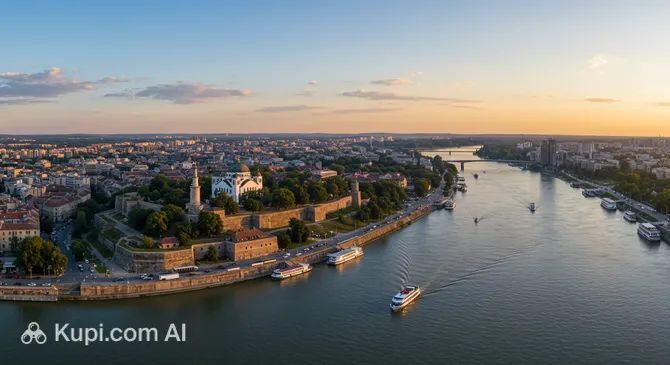
Illustration.
Source: Kupi.com AI

Serbia's history is full of events that have left a mark on its culture and architecture. From ancient Roman ruins and majestic medieval monasteries to Ottoman heritage and iconic 20th-century monuments — the country is a true treasure trove for curious tourists. Exploring the Belgrade Fortress, towering over the city, allows for a journey through the centuries. Local culture is a vibrant mosaic of Slavic traditions, Byzantine influence, and unique Balkan flair, reflected in its music, dance, and, of course, cuisine.

Beyond its historical cities, Serbia enchants with its diverse natural landscapes. Picturesque hills, dense forests, fertile valleys, and national parks like Fruška Gora or Tara offer excellent opportunities for active recreation and connecting with nature. The climate is moderate continental, with warm summers and snowy winters, making it an attractive destination at any time of year. For wellness and relaxation, many choose famous resorts like Vrnjačka Banja, while cultural centers like Novi Sad, with its impressive Petrovaradin Fortress, offer a rich program of events and festivals.

Currency

The national currency of Serbia is the Serbian dinar (international code RSD). The banknotes feature prominent figures from Serbian history, science, and art, while the coins display cultural and historical symbols of the country. This gives the money a special national character that can be of interest to collectors.

You can exchange currency for Serbian dinars at banks or at numerous official exchange offices called "menjačnica," which are easily recognizable by their signs. It is recommended to compare rates in several places, as they may vary slightly, and to avoid exchanging money with street dealers. Credit cards (Visa, Mastercard) are widely accepted in Belgrade and other large cities, especially in hotels, restaurants, and large stores. Nevertheless, for purchases at markets, in small souvenir shops, or for taxis, it is better to have some cash on hand.

Visa Requirements

When planning a trip to Serbia, it is important to familiarize yourself with the visa requirements in advance. For citizens of many countries, including European Union member states, the USA, and most CIS countries, a visa for Serbia is generally not required for short-term tourist visits. However, if your country is not on the visa-free list, you will need to apply for a tourist visa. This is typically done through the embassy or consulate of Serbia in your country of residence.

Regardless of whether you need a visa, a valid passport is a mandatory requirement for entry into Serbia, and its validity should extend beyond your intended departure date. It is also recommended to have return tickets, hotel booking confirmation, and medical insurance. Since visa rules can change, we strongly advise checking the latest information on the official website of the Ministry of Foreign Affairs of Serbia or at the nearest Serbian diplomatic mission before your trip.

We'll let you know if you need a visa

Enter your destination or
Your nationality
Destination

Timezones

When planning a trip to Serbia, you won't have to worry about changing time zones within the country. The entire territory of Serbia is in one time zone. The standard time here is Central European Time (CET), which corresponds to UTC+1.

Like many European countries, Serbia observes daylight saving time. During this period, the country follows Central European Summer Time (CEST), which is two hours ahead of Coordinated Universal Time (UTC+2). This means there is no time difference between different cities and regions of Serbia, simplifying the planning of travel and events.

Getting There

The easiest way to reach Serbia is by air. The country has several international airports, the main one being Nikola Tesla Airport in Belgrade. It serves as the primary transport hub, receiving flights from many European cities and offering convenient connections for travelers from other parts of the world. Regular flights connect Serbia with most major European capitals and cities.

For those who prefer land travel, Serbia is accessible thanks to a developed network of roads and railways, as well as international bus routes. This is particularly convenient for tourists from neighboring European countries. You can cross the border by private car, train, or bus, with regular services running between Serbia and countries such as Hungary, Croatia, Bosnia and Herzegovina, Montenegro, North Macedonia, Bulgaria, and Romania. Regardless of your chosen method of transport, it is recommended to book tickets in advance, especially during the peak tourist season, to secure the best prices and availability.

AirportCityIATA
Belgrade Nikola Tesla AirportBelgradeBEG
Nis Constantine the Great AirportNisINI
KraljevoKraljevoKVO

Serbia offers travelers an amazing variety of experiences — from the bustling life of major cities to the peaceful relaxation at famous balneological resorts. Here, everyone will find something for themselves: history and architecture buffs will be delighted by ancient fortresses and monasteries, while nature lovers can enjoy picturesque landscapes and opportunities for active recreation.

The heart of the country is undoubtedly its capital, Belgrade. This dynamic city with a rich history offers its guests a unique combination of ancient sights, such as the Belgrade Fortress, and modern urban culture with numerous cafes, restaurants, and a vibrant nightlife.

Illustration.
Source: Kupi.com AI

Equally attractive is Novi Sad, the cultural capital of Serbia, known for its EXIT festival and charming old town. For those seeking healing and relaxation, the ideal choices are Vrnjačka Banja, one of the most famous and visited spa centers, and Sokobanja, renowned for its thermal springs and clean mountain air. History enthusiasts will also appreciate Petrovaradin with its majestic fortress, offering stunning views of the Danube.

Top Attractions

Serbia is a country with a rich history and culture, offering tourists many interesting places to visit. Everyone will find something to enjoy: from ancient fortresses to modern parks and unique spiritual centers.

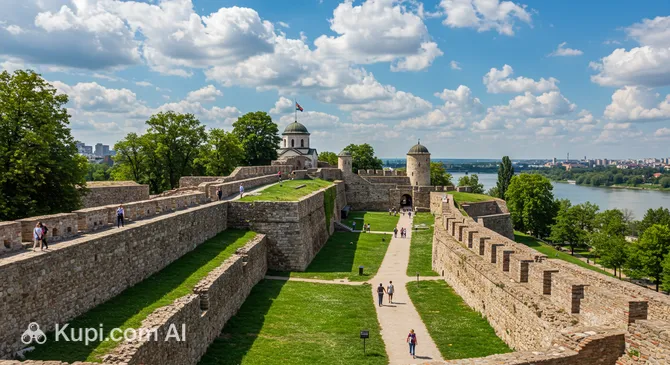
One of the main gems of Belgrade is the Belgrade Fortress. This majestic structure, towering at the confluence of the Sava and Danube rivers, preserves traces of the Roman, Byzantine, Ottoman, and Austro-Hungarian eras. A walk along its walls and through the expansive Kalemegdan Park offers not only breathtaking panoramic views but also a chance to touch centuries of history.

Illustration.
Source: Kupi.com AI

Traveller photos:

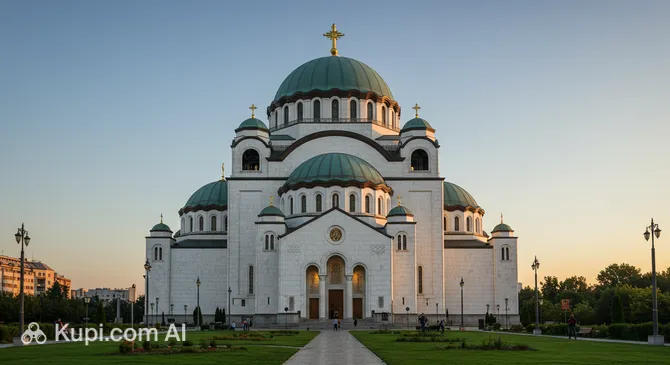
In Belgrade, you will also find the Saint Sava Temple, one of the largest Orthodox churches in the world. Its monumental size, white facades, and shining domes leave a lasting impression. The interior of the temple, especially its famous mosaics, is stunning in its magnificence and is a true work of art.

Illustration.
Source: Kupi.com AI

Traveller photos:

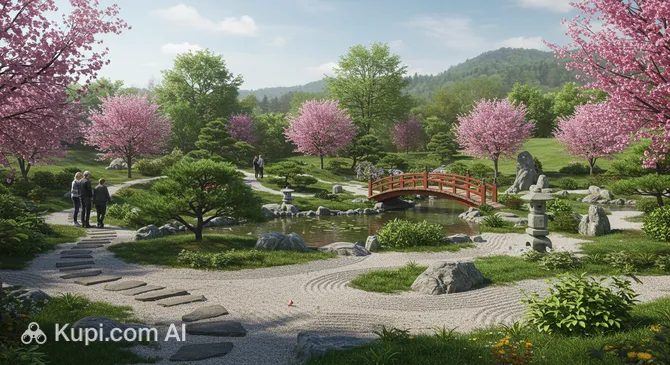
For lovers of peaceful beauty and landscape design, the Japanese Garden in the resort town of Vrnjačka Banja is an interesting destination. This island of Eastern harmony with its traditional elements — a pond with koi carp, stone lanterns, curved bridges, and carefully selected plants — offers visitors peace and quiet.

Illustration.
Source: Kupi.com AI

Traveller photos:

If you are looking for a place for leisure and entertainment, check out Forum Park Zemun. This modern shopping and entertainment complex, located in the historical district of Zemun, offers a wide selection of shops, cafes, and a cinema. It is an excellent spot for shopping and a pleasant time with family or friends.

Best Time to Visit

Serbia delights travelers with a variety of experiences throughout the year, but the best season to visit depends on your plans and preferences. High season traditionally falls in the summer months — from June to August. During this time, the weather is warm and sunny, perfect for strolling through cities like Belgrade or Novi Sad, as well as for outdoor activities. Many festivals take place in the summer, including the famous EXIT music festival in Novi Sad, which makes the trip even more exciting. However, keep in mind that this is the busiest period for tourism, and prices for accommodation and some services may be higher.

For those who prefer a quieter holiday and moderate temperatures, spring (April–May) and autumn (September–October) are excellent choices. This time is considered the shoulder or low season for mass tourism. In spring, Serbia's nature comes into full bloom, and in autumn, it turns golden and crimson, creating magnificent landscapes, for example, near Petrovaradin or in resort towns like Vrnjačka Banja. There are significantly fewer tourists during these months, and prices are often more attractive. A potential downside is more changeable weather, so it's worth bringing clothes for various conditions. Winter (from November to March) attracts skiing enthusiasts to the mountain resorts, but for city sightseeing, this is generally the low season with cooler and sometimes snowy weather.

The climate in Serbia is generally moderate continental, although there can be variations between regions. For instance, in the north, in Vojvodina, summers are usually hotter and winters can be harsher, while the mountain regions in the south and west feature cooler summers and snowy winters. Therefore, when planning your trip, it is always helpful to check the weather forecast for the specific locations you intend to visit to ensure your journey through Serbia is as comfortable and pleasant as possible.

Traditions

By traveling to Serbia, you will discover a country with rich cultural traditions and sincere hospitality. When meeting, Serbians usually exchange a handshake while maintaining eye contact as a sign of openness. In closer relationships or between friends and relatives, you will often see a triple kiss on the cheeks — a characteristic local custom. Hospitality here is almost a cult: if you are invited into a home, be prepared for a warm welcome and an abundant feast. It is customary to bring the hosts a small gift, such as coffee, wine, or sweets. In conversation with strangers or elders, it is polite to use the formal "You."

When visiting the numerous Orthodox churches and monasteries of Serbia, it is important to follow a certain dress code: clothing should cover shoulders and knees for both men and women. It is also advisable for women to have a scarf to cover their head. Otherwise, there are no strict requirements for everyday clothing. At the table, there are no overly complex etiquette rules, but respect for the food and the hosts is always appreciated — try to sample at least a bit of every dish. Serbians truly value it when guests enjoy their treats. To show respect for the local culture, try to avoid discussing sensitive political topics or recent conflicts. It is also best not to compare Serbians with other Balkan peoples in a derogatory way.

Family and religious holidays hold a special place in Serbian life. A unique tradition with no equivalent elsewhere is the "Slava" (Krsna Slava) — a day to honor the family's patron saint, which is celebrated on a large scale and passed down from generation to generation. Naturally, major Orthodox holidays such as Christmas (Božić) and Easter (Vaskrs/Uskrs) are celebrated with great reverence. Knowing and respecting these cultural nuances will make your journey through Serbia more comfortable and memorable, allowing for a deeper understanding of the soul of these hospitable people.

Entertainment

Serbia offers travelers a wide range of leisure and entertainment options for every taste. Fans of active pastimes will find picturesque hiking trails in national parks, opportunities for rafting on mountain rivers, and cycling routes along the Danube. In winter, ski resorts are popular; while not as large as those in the Alps, they offer a cozy atmosphere and good slopes for beginners and intermediate levels. In summer, you can enjoy the many river beaches or visit one of the spa resorts with thermal springs, such as Vrnjačka Banja or Sokobanja.

The cultural life of Serbia is rich and multifaceted. Major cities, especially Belgrade and Novi Sad, are home to many museums, art galleries, theaters, and concert halls that regularly host performances by both local and international artists. The country is famous for its music festivals, which attract young people from all over Europe. The nightlife is also sure to impress: from cozy traditional "kafanas" with live music to modern bars and clubs, which are especially lively in Belgrade's Skadarlija district or in the center of Novi Sad.

For those interested in shopping, Serbia offers both modern shopping malls with famous international brands and authentic markets where you can buy products from local craftsmen, traditional souvenirs like ceramics and embroidery, and, of course, gastronomic delicacies — ajvar, rakija, cheeses, and cured meats. Families with children will also find plenty to do: many cities have beautiful parks for walks, such as Danube Park in Novi Sad or the Belgrade Fortress with its vast grounds. While there are few large theme parks, the hospitable atmosphere and the presence of playgrounds and entertainment zones in cities make traveling with children comfortable.

Currency rates

Planning a trip? Wonderful! To make sure the financial side of your journey holds no surprises, it's worth remembering that exchange rates are constantly changing. That's why we strongly recommend keeping an eye on current rates both before departure and throughout your trip. To help with that, you can use the data provided below — we monitor exchange rates 24/7 and strive to provide the most up-to-date information.

RSD exchange rate for 13/08/2026

1 AED
~ 27.56 RSD
3.61 AMD
~ 1 RSD
1 AUD
~ 71.49 RSD
1 AZN
~ 59.53 RSD
1 BYN
~ 34.01 RSD
1 CAD
~ 72.65 RSD
1 EUR
~ 116.74 RSD
1 GBP
~ 136.71 RSD
3.12 HUF
~ 1 RSD
1 INR
~ 1.06 RSD
1 KGS
~ 1.16 RSD
14.00 KRW
~ 1 RSD
4.60 KZT
~ 1 RSD
1 PLN
~ 27.13 RSD
1 RUB
~ 1.22 RSD
1 SAR
~ 26.98 RSD
1 SGD
~ 79.07 RSD
1 TRY
~ 2.12 RSD
1 UAH
~ 2.26 RSD
1 USD
~ 101.21 RSD
117.82 UZS
~ 1 RSD

Reached the bottom of the page?

Looks like you know this route inside out

We use cookies and services to collect user information. This is essential for the functioning of the site and for marketing purposes. You can find out more in .