Nestled in the heart of the Pyrenees, between France and Spain, Andorra is a unique principality where snow-capped peaks stand alongside modern shopping centers. Despite its modest size, this country is striking in its variety of landscapes and special atmosphere of tranquility, complemented by ancient stone villages and Romanesque churches.
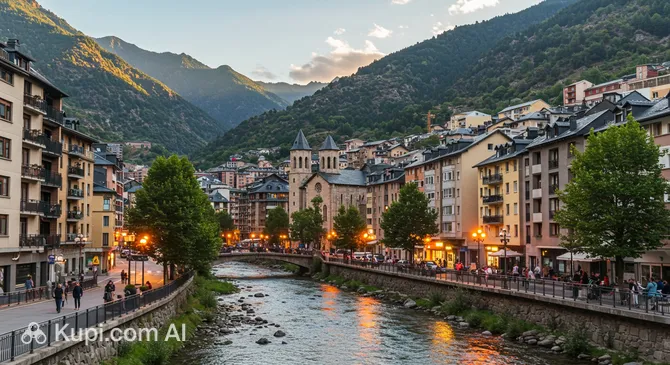
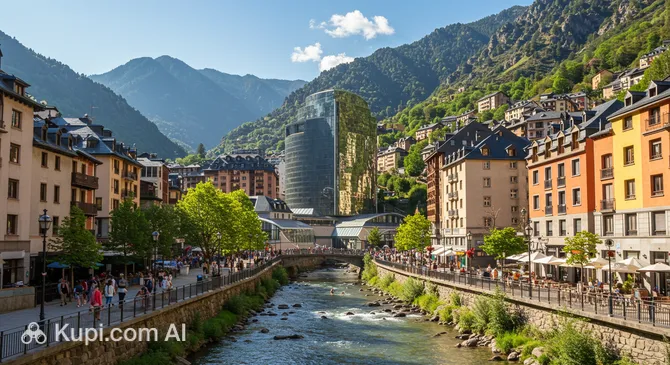
The heart of the country is its capital — Andorra la Vella, the highest capital city in Europe. Here, history intertwines with the modern rhythm of life: the narrow streets of the old town lead to lively avenues with storefronts of global brands. The city is located in a picturesque valley surrounded by mountains, making it an ideal starting point for exploring the surroundings.
Illustration.
Source: Kupi.com AI
Besides the capital, tourists should visit Ordino, considered the cultural center of the country, or head to Canillo to experience authentic mountain life. Andorra is a place where the natural beauty of the mountains meets European comfort, creating perfect conditions for year-round recreation.
Currency
The official currency of Andorra is the Euro (EUR). Although the principality is not a member of the European Union, it has entered into a special monetary agreement allowing it to use the euro as legal tender. Standard banknotes and coins are in circulation, including unique Andorran coins with local symbols, which are highly popular among numismatists.
Currency exchange is best done at banks or specialized exchange offices. Credit and debit cards from international systems (Visa, Mastercard) are accepted almost everywhere: in shopping centers, restaurants, and hotels. However, for small purchases in remote mountain villages or paying for minor services, it is useful to carry some cash. The network of ATMs in the country is very well developed, especially in the capital and major tourist centers.
Currency rates
Planning a trip? Wonderful! To make sure the financial side of your journey holds no surprises, it's worth remembering that exchange rates are constantly changing. That's why we strongly recommend keeping an eye on current rates both before departure and throughout your trip. To help with that, you can use the data provided below — we monitor exchange rates 24/7 and strive to provide the most up-to-date information.
EUR exchange rate for 27/09/2026
4.20 AED
~ 1 EUR
416.16 AMD
~ 1 EUR
1.63 AUD
~ 1 EUR
1.95 AZN
~ 1 EUR
3.46 BYN
~ 1 EUR
1.62 CAD
~ 1 EUR
1 GBP
~ 1.16 EUR
366.91 HUF
~ 1 EUR
109.69 INR
~ 1 EUR
100.11 KGS
~ 1 EUR
1551.28 KRW
~ 1 EUR
506.85 KZT
~ 1 EUR
4.39 PLN
~ 1 EUR
96.34 RUB
~ 1 EUR
4.29 SAR
~ 1 EUR
1.46 SGD
~ 1 EUR
56.06 TRY
~ 1 EUR
51.22 UAH
~ 1 EUR
1.14 USD
~ 1 EUR
13536.95 UZS
~ 1 EUR
Visa Requirements
To visit Andorra, tourists must consider the country's unique geographical location. Since the principality does not have its own airport and is surrounded by Schengen Agreement countries (France and Spain), visa requirements are effectively determined by the entry rules of these states. Citizens of countries with a visa-free regime with the EU do not need an additional visa. For other travelers, a Schengen visa is required (preferably multiple-entry to avoid formal difficulties when crossing borders).
A valid passport is mandatory for entry. It is also recommended to carry medical insurance, hotel bookings, and return tickets, although strict border control upon entering Andorra is rare. As rules can change, we strongly advise checking current information on the websites of the embassies of France or Spain before planning your trip.
We'll let you know if you need a visa
Enter your destination or
Your nationality
Destination
Timezones
The entire territory of Andorra is in one time zone. The country operates on Central European Time (CET), which corresponds to UTC+1 in winter. Like most European countries, Andorra observes Daylight Saving Time (CEST), moving clocks forward by one hour on the last Sunday in March, which corresponds to UTC+2.
For tourists, this means convenience when planning trips from neighboring Spain and France, as the time in these countries is the same. The small time difference with most European cities makes adaptation quick and easy, allowing you to immediately dive into your holiday and walks on the mountain slopes.
Getting There
Getting to Andorra is already part of the adventure, as the principality itself does not have its own international airport or railway station. Most tourists arrive via neighboring countries — France or Spain. The nearest major air hubs are in Barcelona and Toulouse, from where comfortable buses and private transfers regularly run to the Andorra border. The journey from these cities takes about 3–3.5 hours and follows scenic mountain roads.
If you prefer to travel by car, a highway leads from France through the pass or the Envalira tunnel, and from Spain through the town of Seo de Urgel. A car trip provides an opportunity to enjoy breathtaking panoramas of the Pyrenees and stop in small border towns. It is worth considering that in winter, roads can be snow-covered, so carrying snow chains or having winter tires is mandatory.
Andorra can also be reached by train to the French station L'Hospitalet-près-l'Andorre or the Spanish Lleida, followed by a bus transfer. We recommend booking airport transfer tickets in advance, especially during the height of the ski season, as demand for this destination is traditionally high.
Popular Places
The variety of destinations in Andorra can surprise any traveler. The main flow of tourists heads to Andorra la Vella and the neighboring town of Escaldes-Engordany, which have practically merged into one. These are the life centers of the principality, where the best thermal complexes, fashionable boutiques, and cozy restaurants with mountain views are concentrated.
Illustration.
Source: Kupi.com AI
For those seeking direct access to ski slopes, Encamp is ideal. The town is connected by the Funicamp high-speed lift to the Grandvalira ski area, making it a strategic location for skiers. If you prefer a more intimate atmosphere and traditional architecture, look into Ordino. This parish is considered one of the most beautiful in the country thanks to its carefully preserved stone buildings and calm pace of life.
Equally interesting is Canillo, which serves as a gateway to the world of active winter entertainment and is famous for its ice palace. Each of these towns has its own unique character, allowing visitors to switch between dynamic shopping and a secluded holiday in nature.
Top Attractions
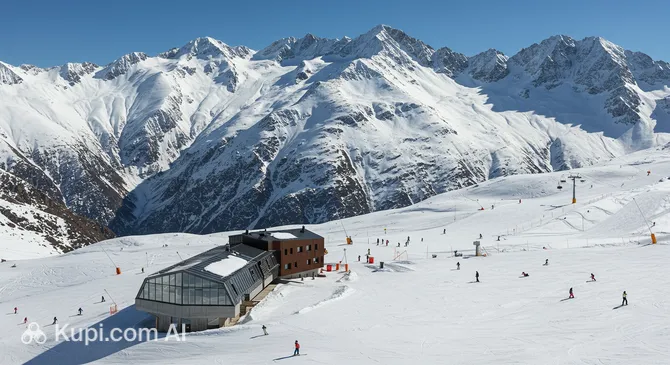
The country's main pride is rightfully considered Grandvalira — the largest ski area in the Pyrenees. It is a true paradise for winter sports fans with hundreds of kilometers of slopes of varying difficulty, modern lifts, and excellent ski schools. The majestic panoramas opening from the peaks are breathtaking at any time of year.
Illustration.
Source: Kupi.com AI
Traveller photos:
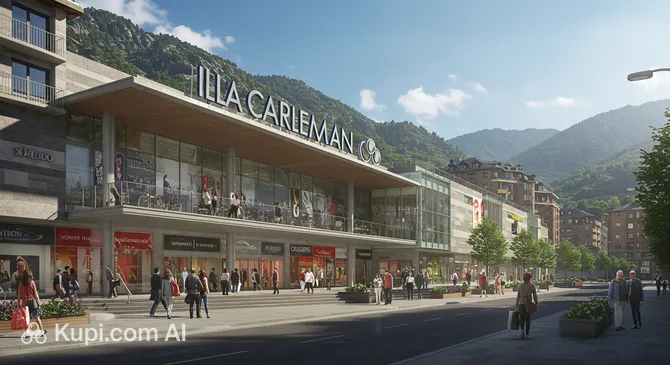
For those who want to combine relaxation with bargain shopping, a must-see is the Illa Carlemany Shopping Center. Located in the city center, this complex is not only a world-class shopping destination but also an important social space with cinemas and recreation areas. Its modern architecture contrasts strikingly with the surrounding mountain ranges.
Illustration.
Source: Kupi.com AI
Traveller photos:
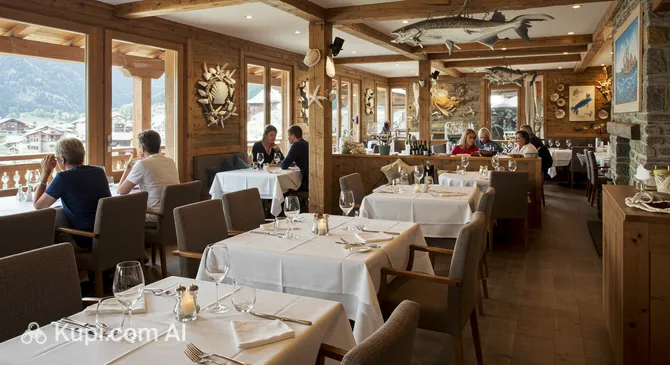
If you get hungry after your walks, stop by Don Denis Seafood Restaurant. This iconic establishment in Escaldes-Engordany is famous for its hospitality and the freshest dishes prepared according to traditional recipes. The restaurant has long been a meeting place for both locals and sophisticated travelers who appreciate high-quality cuisine.
Illustration.
Source: Kupi.com AI
Traveller photos:
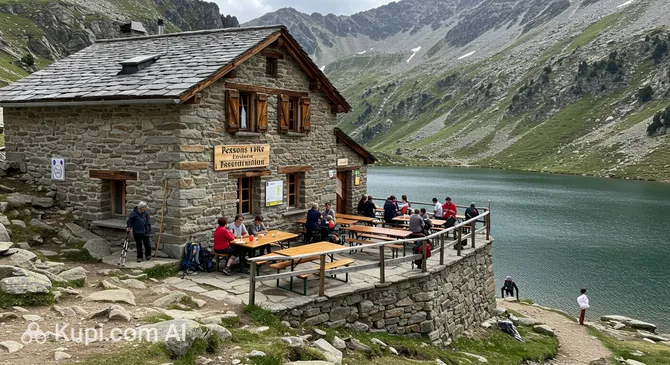
Another gem is the Refugio de Lagos de Pessons. This place is ideal for those seeking solitude amidst untouched nature. The restaurant, located at an altitude of over 2,000 meters by the shore of a mountain lake, offers authentic Andorran cuisine while you enjoy the silence and crystal-clear air of the Pyrenees.
Illustration.
Source: Kupi.com AI
Traveller photos:
Best Time to Visit
Choosing when to visit Andorra depends on your preferences: this country lives by two distinct tourist rhythms. The winter season (from December to March) is the "high season" for fans of skiing and snowboarding. The weather during this time is usually clear, and snow cannons guarantee excellent slope conditions even with low snowfall. At this time, in cities like Canillo and Encamp, life is in full swing, but be prepared for an influx of tourists and higher accommodation prices.
The summer period (July and August) attracts lovers of trekking, mountain biking, and fresh air. This time is perfect for walks in nature parks and exploring ancient villages. Days are usually warm and sunny, though evenings in the mountains can be cool. The off-season (April–June and September–November) is considered the low season. This time is best suited for shopping and wellness retreats in thermal complexes, when hotel prices drop significantly and peace reigns in the towns.
The Christmas and New Year period deserves special mention, when cities are transformed by festive lighting and fairs. If you plan to travel at this time, book accommodation in Andorra la Vella or at the ski resorts several months before your visit.
Traditions
The culture of Andorra is deeply rooted in Catalan traditions, which is evident in the language, customs, and daily interaction. Locals are known for their politeness and reserve. When meeting, standard European greetings are used, and eye contact is considered a sign of sincerity and openness. Hospitality here is calm but very warm: Andorran families value comfort and traditional shared meals.
Folk holidays hold a special place in the life of the principality. One of the brightest events is the celebration of Sant Jordi (Saint George's Day), when the city streets are filled with flowers and books. Festivals dedicated to parish patron saints are also widely celebrated, where you can see national dances and hear folk music. Andorrans are very protective of their history, so visiting local churches requires a respectful attitude and appropriate modest clothing.
The influence of the mountain climate is felt in Andorra's gastronomic traditions — dishes are hearty and simple. It is not customary to rush at the table; a meal is seen as a time for socializing with loved ones. Loud behavior in public places and disregard for local rules of etiquette are considered impolite. By showing interest in the principality's history and trying to say even a few words in Catalan, you will surely earn the sympathy and special favor of the locals.
Entertainment
Entertainment in Andorra goes far beyond classic ski holidays. Fans of active recreation will find endless opportunities here: from the professional slopes of Grandvalira to picturesque hiking and cycling trails in the summer. For those who prefer a more relaxed pastime, the doors of modern wellness centers with thermal waters are open, offering deep relaxation after a day in the mountains.
The country's cultural life is centered in its museums and ancient Romanesque churches scattered throughout the principality. Here you can learn about the life of Andorrans in ethnographic museums or enjoy art in small galleries. Shopping enthusiasts will appreciate the duty-free zone, where the main shopping avenues feature the world's best brands in cosmetics, perfumes, electronics, and fashion.
The country's evening life offers a cozy and welcoming atmosphere. Numerous restaurants, such as El Refugi Alpi, invite you to try local cuisine in an authentic setting. For families with children, there are outdoor adventure parks offering entertainment all year round — from tobogganing to ecological educational trails.
We use cookies and services to collect user information. This is essential for the functioning of the site and for marketing purposes. You can find out more in .