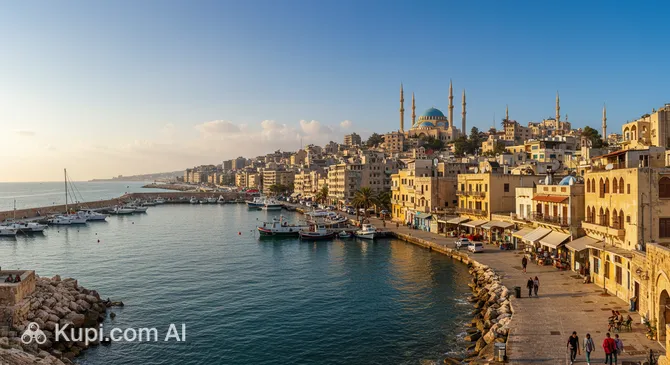
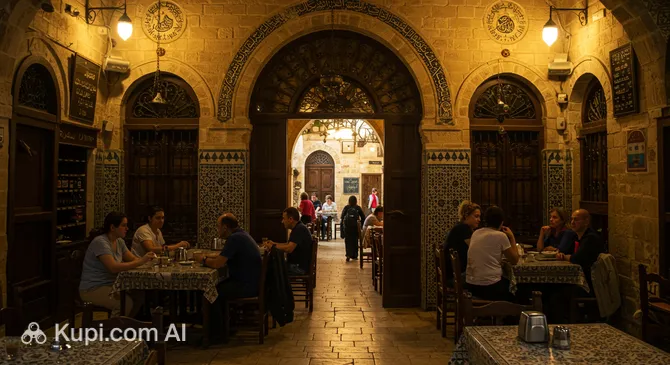
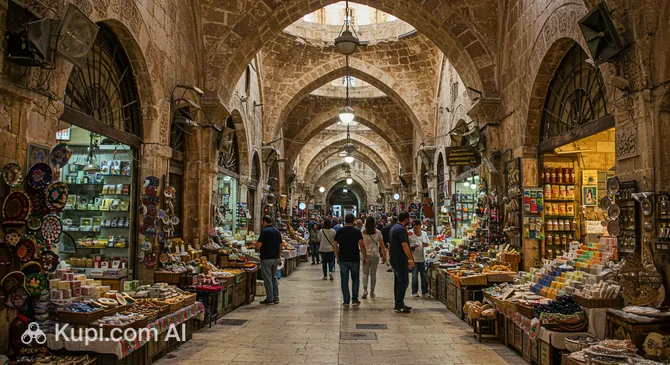
Shopping in Tripoli is, first and foremost, an immersion into the atmosphere of traditional oriental bazaars rather than a hunt for brands in modern shopping malls. The city is famous for its historical markets (souks), where you can find authentic goods, handicrafts, and local delicacies. This is a unique experience that allows you to feel the true spirit of Lebanon.
The main commercial arteries of Tripoli are its famous ancient markets (souks), located in the heart of the Old City. It is a whole labyrinth of covered and open streets, each often specializing in specific goods: Souk al-Attarine (perfume and spice market), Souk al-Sayaghin (goldsmiths' market), Souk al-Haraj (one of the oldest covered markets), and many others. Walking through them is a true journey back in time, filled with aromas, sounds, and vibrant colors.
Large modern shopping centers in the style of Western megamalls are not a characteristic feature of shopping in Tripoli. Although individual shops and small shopping complexes can be found in the newer parts of the city, the main focus for tourists remains the colorful historical markets, which offer a more authentic shopping experience and unique products.
Tripoli's markets are the soul of the city. Here you can find almost everything: from fresh produce, oriental sweets, and aromatic spices to clothing, fabrics, copper and brass items, ceramics, and jewelry. A special place is occupied by Khan al-Saboun (the Soap Caravanserai), where famous Tripoli olive oil soap has been produced for centuries using natural ingredients. This is not just a market, but an active historical workshop where you can watch the soap-making process and purchase unique products.
As souvenirs from Tripoli, it is worth bringing back:
- Traditional olive soap: especially from Khan al-Saboun; it comes in various shapes and with different additives (herbs, honey, clay).
- Oriental sweets: baklava, knafeh, maamoul, and other delicacies. These can be found both in the markets and in specialized pastry shops like the famous Hallab 1881.
- Spices and herbs: zaatar, sumac, cardamom, and other aromatic seasonings that will give your dishes an oriental flavor.
- Handicrafts: copper cookware, inlaid wood products, ceramics, and traditional musical instruments.
- Textiles: shawls, scarves, and tablecloths with traditional patterns.
- Jewelry: especially silver items, which can be found at Souk al-Sayaghin.
Shops and stalls in Tripoli's markets are usually open from the morning (around 9:00-10:00 AM) and work until the evening (6:00-7:00 PM). Some may close for a lunch break. On Friday, the holy day for Muslims, many shops may be closed or operate on a reduced schedule. The primary method of payment in the markets is cash (Lebanese pounds or US dollars). In some larger stores or modern boutiques, bank cards may be accepted, but you should not count on this in the old souks.
Regarding the Tax Free system (VAT refund for tourists), it is not as widespread or easily accessible in Tripoli as in some European countries, especially for purchases in traditional markets. If you make a large purchase in a major store, it is worth checking with the seller about the possibility of processing tax refund documents, but overall, when buying souvenirs and goods in the markets, this option is unlikely.