Lebanon

About

Lebanon is an amazing country on the eastern coast of the Mediterranean Sea, where ancient history meets modernity, and majestic mountains descend to azure waters. Despite its modest size, Lebanon offers an incredible variety of experiences: from the lively atmosphere of the cosmopolitan capital, Beirut, to the tranquility of ancient ruins and picturesque mountain landscapes.
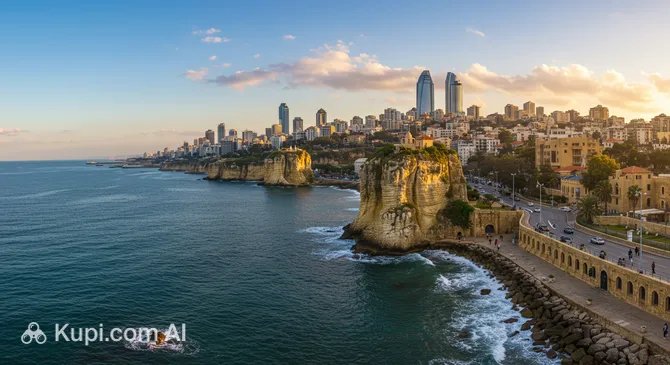
Illustration.
Source: Kupi.com AI

This land, once the cradle of the Phoenician civilization, preserves traces of many eras and cultures. Travelers can explore impressive Roman temples in Baalbek, stroll through the streets of one of the world's oldest continuously inhabited cities – Byblos, or discover a unique fusion of Eastern and Western cultural traditions. This is reflected in the architecture, exquisite national cuisine, and the famous hospitality of the locals.

Lebanon charms not only with its rich historical heritage but also with its natural beauty. Here you can enjoy a mild Mediterranean climate, relax on cozy beaches, and even go skiing in the snow-capped mountains in winter. The country leaves the impression of a bright kaleidoscope where everyone will find something for themselves, whether it's bustling oriental markets, modern shopping centers, exquisite restaurants, or secluded nature reserves.

Currency

The national currency of Lebanon is the Lebanese pound, with the international code LBP. Banknotes of various denominations are in circulation. Due to the current economic situation in the country, it is recommended to check for up-to-date information on the most convenient methods of payment and currency exchange directly before your trip. US dollars are often accepted for payment for goods and services or for exchange into local currency.

It is best to exchange foreign currency into Lebanese pounds at banks or official exchange offices; try to avoid exchange offers from individuals on the street. The use of credit cards may be limited, especially outside of major cities like Beirut and in small retail outlets. Even where cards are formally accepted, preference is often given to cash payments. Therefore, it is always useful to carry a certain amount of cash (in Lebanese pounds or US dollars) for small purchases, paying for taxis, and visiting markets.

Visa Requirements

To enter Lebanon, tourists from most countries, including EU and CIS countries, generally require a visa. However, for citizens of many states, there is the possibility of obtaining a tourist visa on arrival at Beirut International Airport or other border points. The main requirement is a valid passport with a validity period that covers the intended period of stay in the country.

In addition to a passport, return tickets, proof of hotel booking, and medical insurance may be required. It is important to note that visa rules can change, so it is highly recommended to check current information on the need for a visa and the conditions for obtaining it on the official website of the Lebanese embassy or consulate in your country of residence before your trip. This will help avoid unforeseen difficulties when crossing the border.

We'll let you know if you need a visa

Enter your destination or
Your nationality
Destination

Timezones

When planning a trip to Lebanon, you won't have to worry about changing time zones within the country. A single time zone applies throughout the territory of Lebanon. The standard time corresponds to Eastern European Time (EET), which is GMT+2.

Also, Lebanon observes daylight saving time (EEST), when the clocks are moved one hour forward, making the time GMT+3. Usually, the transition to daylight saving time occurs on the last Sunday of March, and back to winter time on the last Sunday of October. Take this into account when planning your activities and flights, especially if your trip falls during these transition periods.

Getting There

When planning a trip to Lebanon, most tourists choose air travel as the most convenient and fastest way to reach the country. The main gateway to Lebanon is the Beirut-Rafic Hariri International Airport, located in the capital, Beirut. This airport receives flights from many major cities in Europe, the Middle East, and Africa, and also offers connecting flights for travelers from other regions of the world. Regular air links connect Lebanon with dozens of countries, making it accessible for international tourism.

Although Lebanon has land borders, for most international travelers, flying remains the preferred option. Ground crossing options may be limited or specific, so it is recommended to check current information in advance. Sea connections to Lebanon are represented mainly by cargo shipments and cruise ship calls, while regular passenger ferry lines are less common. In any case, when planning a trip, especially during the high tourist season, it is worth taking care to book tickets in advance to ensure the best prices and availability of seats.

AirportCityIATA
Beirut-Rafic Hariri International AirportBeirutBEY

Lebanon, a country with a rich history and culture, offers travelers an amazing variety of cities and resorts. From bustling metropolises to ancient ports and picturesque mountain villages – everyone will find something for themselves here. Many Lebanese cities bear the traces of millennial civilizations, while modern resorts offer first-class relaxation on the Mediterranean Sea.

Illustration.
Source: Kupi.com AI

The country's capital, Beirut, is a dynamic city where modernity meets antiquity. It is famous for its vibrant nightlife, exquisite restaurants, trendy boutiques, and impressive historical monuments. No less attractive is the ancient city of Byblos, one of the oldest continuously inhabited cities in the world, where you can stroll through ancient streets and visit an archaeological park. For fans of beach holidays and entertainment, Jounieh is perfect, known for its resorts, casino, and breathtaking views of the bay. A trip to Baalbek will amaze you with its grand Roman temples, which are among the best-preserved in the world.

Other popular destinations include historical Tyre with its Roman hippodrome and ancient ruins, and the charming coastal city of Batroun, known for its old churches and Phoenician wall. Each of these places offers a unique experience and allows for a deeper acquaintance with the multifaceted Lebanon.

Top Attractions

Lebanon, a country with a rich history and culture, offers travelers many amazing places. Among them are attractions capable of impressing even the most sophisticated tourist. Immerse yourself in the atmosphere of antiquity and modernity, exploring the main treasures of this land.

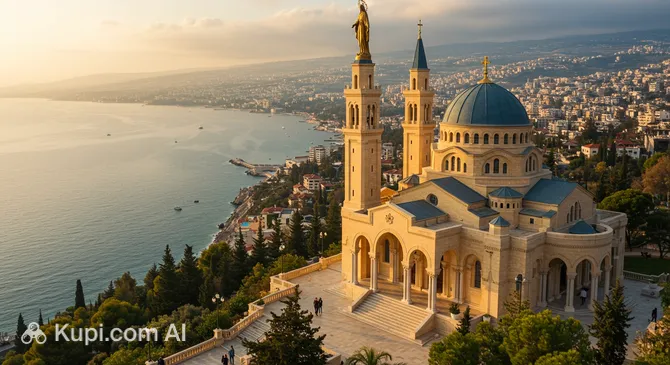
One of the most revered and iconic sites is the Our Lady of Lebanon Basilica in Jounieh. Located on top of a hill, it is crowned by a huge statue of the Virgin Mary, visible from afar. You can ascend to the basilica by cable car, enjoying breathtaking views of the coast along the way. This place attracts not only pilgrims but everyone who appreciates majestic architecture and a peaceful atmosphere.

Illustration.
Source: Kupi.com AI

Traveller photos:

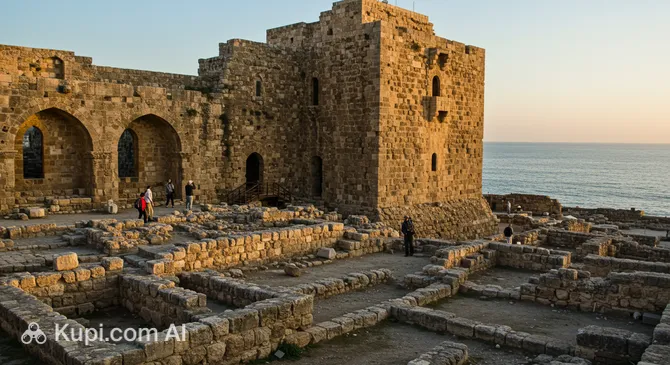
For history lovers, a mandatory point on the program is a visit to Byblos Castle. This ancient castle, located in one of the world's oldest cities, Byblos (Jbeil), is a witness to the succession of many civilizations. A walk along its powerful walls and towers will allow you to touch millennial history and imagine how people lived in ancient times.

Illustration.
Source: Kupi.com AI

Traveller photos:

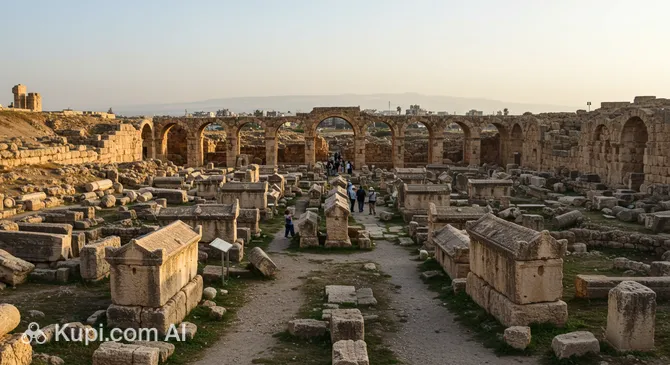
An equally impressive historical site is the Tyre Necropolis, a UNESCO World Heritage site. This vast ancient city of the dead impresses with its monumental tombs, sarcophagi, and triumphal arch. Exploring this place is a unique opportunity to learn more about the burial rituals and art of the Phoenician civilization.

Illustration.
Source: Kupi.com AI

Traveller photos:

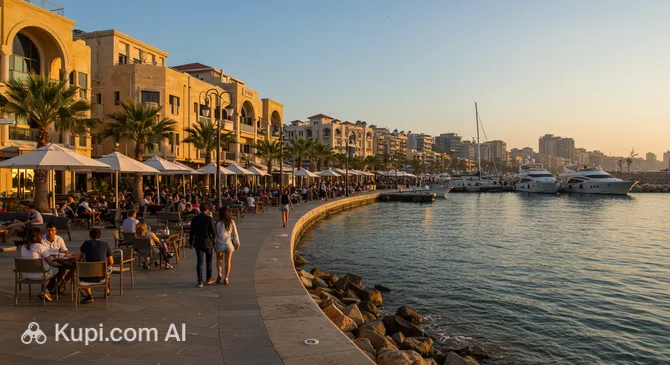
If you want to dive into the modern life of Beirut and enjoy the sea breeze, head to Zaitunay Bay. This stylish waterfront with a yacht marina, numerous restaurants, cafes, and boutiques has become a favorite spot for strolls for both locals and tourists. Here you can spend a pleasant time admiring the Mediterranean Sea and the city skyline.

Illustration.
Source: Kupi.com AI

Traveller photos:

Best Time to Visit

Lebanon is a country that can be visited year-round, but the best time to visit depends on your plans. For most travelers looking to explore cultural treasures and enjoy comfortable weather, the ideal seasons are spring (April-May) and autumn (September-October). During these months, the air temperature is very pleasant for walking through cities like Beirut or ancient Byblos, as well as for trips to natural beauties. In spring, nature blooms with bright colors, and in autumn, the mountains delight the eye with golden hues.

High tourist season in Lebanon has two main periods. Summer (June-August) attracts those dreaming of a vacation on the Mediterranean Sea, for example, on the beaches of Jounieh or Tyre. The weather at this time is hot and sunny, which is perfect for swimming and water sports. However, keep in mind that there are more tourists during this period, and prices for accommodation and services may be higher. Famous cultural events also take place in summer, including the renowned International Festival in Baalbek. Winter (December-February) is the time for ski enthusiasts who head to the snowy slopes of the Lebanese mountains. On the coast, winter is mild but rainy.

Low season, or shoulder season, usually falls in November and early spring (March). The main advantages of this period are fewer tourists and generally more affordable accommodation prices. However, the weather can be changeable, with a chance of rain, especially on the coast, and general coolness. Some tourist sites or establishments in resort areas may operate on a reduced schedule. It is important to remember that the climate in Lebanon varies: from Mediterranean on the coast to more continental in the Bekaa Valley and mountainous in high-altitude areas. Therefore, it is always useful to check the weather forecast for the regions you plan to visit before your trip.

Traditions

When planning a trip to Lebanon, it is worth getting acquainted with some local cultural features to ensure your interaction with the residents is as comfortable and respectful as possible. Greetings here are usually warm: a handshake accompanied by a smile and direct eye contact is the norm. With close acquaintances and friends, it is customary to exchange kisses on the cheek. Lebanese people are famous for their exceptional hospitality – being invited into a home is a great honor. In such a case, it is appropriate to bring a small gift for the hosts, such as sweets, pastries, or flowers. Refusing an offered treat may be perceived as impolite, so try to at least taste what you are offered.

Regarding appearance, in large cities like Beirut, the style of dress is quite free and largely resembles European fashion. However, when visiting religious sites – mosques, churches, or monasteries – it is important to show respect. Women are recommended to cover their shoulders, knees, and head (especially in mosques), and men should avoid shorts and tank tops. At the table, Lebanese people value conversation and leisure. A meal is an important social event. Be prepared for an abundance of dishes and don't hesitate to try a little bit of everything. It is considered polite to use the right hand for eating (if eating without utensils) and for passing items. Try to avoid loud public arguments and always ask for permission before photographing local residents, especially women.

Among the significant holidays in Lebanon, Independence Day stands out, celebrated on November 22, symbolizing the country's sovereignty. Both Christian (Christmas, Easter) and Muslim (Eid al-Fitr, Eid al-Adha) holidays are also widely celebrated, with dates determined by the respective calendars. Overall, the Lebanese are very open and friendly to tourists. Showing interest in their culture and respect for local customs always meets with a warm response and makes a trip through this amazing country even more memorable.

Entertainment

Lebanon offers a surprisingly diverse range of entertainment capable of satisfying the tastes of any traveler. For enthusiasts of active recreation, there are many opportunities: picturesque mountain trails are ideal for hiking, ski slopes open in winter, and the Mediterranean coast attracts fans of diving, surfing, and other water sports. The cultural program is also rich: numerous museums and ancient archaeological sites tell the story of the country's rich history, while galleries, theaters, and concert halls introduce the modern art and music of Lebanon.

As evening falls, life in Lebanon does not quiet down, especially in its capital, Beirut, which is famous for its vibrant and dynamic nightlife. Here, travelers will find numerous bars, trendy clubs with diverse music, and exquisite restaurants offering both traditional Lebanese dishes and masterpieces of world cuisine. Shopping enthusiasts will also not be disappointed: in Lebanon, you can find both colorful oriental bazaars (souks) selling unique souvenirs, spices, jewelry, and carpets, as well as modern shopping centers with boutiques of famous international brands.

For family vacations, Lebanon also offers many options. Many coastal resorts have infrastructure for relaxing with children, and entertainment centers and parks can be found in the cities. Overall, Lebanon is a country where every day can be filled with new discoveries and bright impressions, harmoniously combining ancient history, rich culture, and a modern pace of life, making it an attractive destination for all kinds of tourists.

Currency rates

Planning a trip? Wonderful! To make sure the financial side of your journey holds no surprises, it's worth remembering that exchange rates are constantly changing. That's why we strongly recommend keeping an eye on current rates both before departure and throughout your trip. To help with that, you can use the data provided below — we monitor exchange rates 24/7 and strive to provide the most up-to-date information.

Reached the bottom of the page?

Looks like you know this route inside out

We use cookies and services to collect user information. This is essential for the functioning of the site and for marketing purposes. You can find out more in .