Korea, Republic Of

About

South Korea is a land of fascinating contrasts, located in East Asia on the southern part of the Korean Peninsula. It is a place where ancient traditions harmoniously coexist with ultra-modern technologies, creating a unique atmosphere that attracts travelers from all over the world. The country's dynamic capital, Seoul, is a prime example of this symbiosis, where ancient palaces and temples stand alongside futuristic skyscrapers and bustling shopping districts.
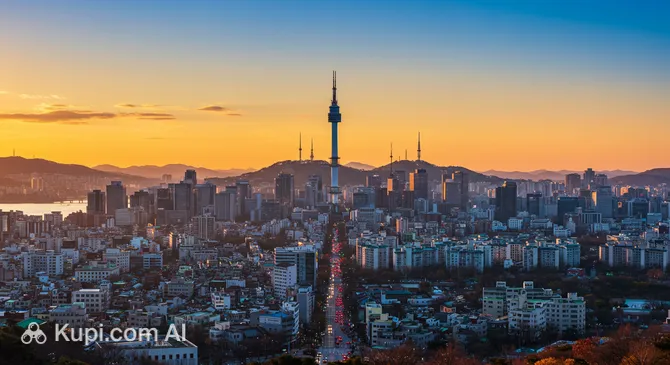
Illustration.
Source: Kupi.com AI

South Korea's cultural heritage is rich and multifaceted: from a thousand-year history reflected in numerous UNESCO World Heritage sites to the world-famous Korean Wave (Hallyu), which includes K-pop music and dramas. The country is also famous for its unique cuisine, picturesque mountain landscapes, such as those in Seoraksan or Jirisan National Parks, and beautiful coastal areas. Travelers can expect a variety of natural beauty, from green tea plantations to the volcanic landscapes of Jeju-si.

South Korea offers guests a unique blend of vibrant city life and peaceful nature. Here you can explore historical cities like Gyeongju, the former capital of the ancient Silla Kingdom, enjoy the hospitality of the locals, and discover a country that is constantly evolving while carefully preserving its past. The climate in the country is temperate, with four distinct seasons, each of which gives the trip a special charm.

Currency

The national currency of South Korea is the South Korean Won (international code KRW). Banknotes of various denominations are in circulation, featuring prominent historical figures of Korea, such as the scholar Yi Hwang (1,000 won) or King Sejong the Great (10,000 won), as well as coins. It is recommended to exchange currency at banks or official exchange offices, which can be found at airports, cities, and tourist areas. Try to avoid exchanging large sums at hotels or with street money changers due to less favorable rates and potential risks.

Credit cards (especially Visa and Mastercard) are widely accepted in most shops, restaurants, and hotels throughout the country, particularly in major cities like Seoul. However, it is always useful to carry a small amount of cash for small purchases, public transportation, or visiting traditional markets, where cards may not be accepted everywhere.

Visa Requirements

When planning a trip to South Korea, it is important to familiarize yourself with the visa rules in advance. Citizens of many countries, including most European Union countries and the United States, can visit South Korea without a visa for a specified period for tourism purposes. However, such trips usually require a pre-arranged electronic travel authorization (K-ETA), which is obtained online. Citizens of other countries, including some CIS countries, may require a tourist visa for entry. This is typically applied for in advance at a South Korean embassy or consulate in your country of residence. Regardless of visa requirements, a valid passport is required for entry, usually with a validity period of at least six months from the date of intended departure from South Korea.

In addition to a passport and visa (or K-ETA, if applicable), you may be asked to present return flight tickets, proof of hotel booking, and a medical insurance policy at border control. Since visa rules and entry conditions can change, it is strongly recommended to always check the most up-to-date information on the official websites of the South Korean embassy or consulate in your country, as well as on the official immigration portals of the Republic of Korea, immediately before planning and undertaking your trip.

We'll let you know if you need a visa

Enter your destination or
Your nationality
Destination

Timezones

When planning a trip to South Korea, you won't have to worry about changing time zones within the country. A single time zone applies to the entire territory of South Korea—Korea Standard Time (KST), which corresponds to UTC+9. This means that the time in Seoul, Busan, or on Jeju Island is always the same.

This uniformity significantly simplifies the planning of travel and events throughout the country, saving tourists from the need to reset their watches or account for time differences between various regions.

Getting There

The main way to get to South Korea is, of course, by air. The country has several international airports, the most significant being Incheon International Airport, which serves the capital Seoul and is one of the largest and busiest hubs in Asia. Direct flights to South Korea are operated from many major cities in Asia, Europe, North America, and Oceania. There are also many flight options with convenient connections through major aviation hubs.

In addition to air travel, you can reach South Korea by sea. Regular ferry lines connect the country with Japan and China, offering an alternative and often scenic way to travel. Cruise ships also frequently include South Korean ports in their East Asian itineraries. Land connection for tourists is currently restricted due to the geopolitical situation on the Korean Peninsula. Regardless of the chosen method, it is recommended to book tickets in advance, especially if your trip falls during the peak tourist season or national holidays, to ensure the best prices and seat availability.

AirportCityIATA
Incheon International AirportSeoulICN
Jeju International AirportJeju CityCJU
Gimhae International AirportBusanPUS
Cheongju AirportCheongjuCJJ
Daegu International AirportDaeguTAE

South Korea offers travelers an amazing variety of destinations. Here you will find ultra-modern metropolises pulsing with energy, cozy resort towns where you can enjoy nature and tranquility, and ancient capitals that hold secrets of the centuries. Everyone will find something to their liking, whether it's getting to know a rich culture, relaxing on picturesque coasts, or immersing themselves in history.

The heart of the country is undoubtedly its capital, Seoul—a city of contrasts where skyscrapers stand alongside ancient palaces, and fashionable districts neighbor traditional markets. This is a place where modernity meets centuries-old traditions, offering tourists endless opportunities for discovery.

Illustration.
Source: Kupi.com AI

For lovers of beach vacations and natural beauty, the island of Jeju-si is perfect, known for its volcanic landscapes, picturesque beaches, and unique ecosystem. If you are drawn to history, head to Gyeongju, the former capital of the ancient Silla Kingdom, where many historical monuments and artifacts are concentrated. The coastal city of Gangneung will delight sea lovers with its beaches and fresh air, as well as cultural events. These and many other cities are waiting to give you an unforgettable experience while traveling through South Korea.

Top Attractions

South Korea offers travelers an amazing variety of attractions, from ultra-modern skyscrapers to unique natural wonders. Here everyone will find something to their liking while planning their unforgettable adventure.

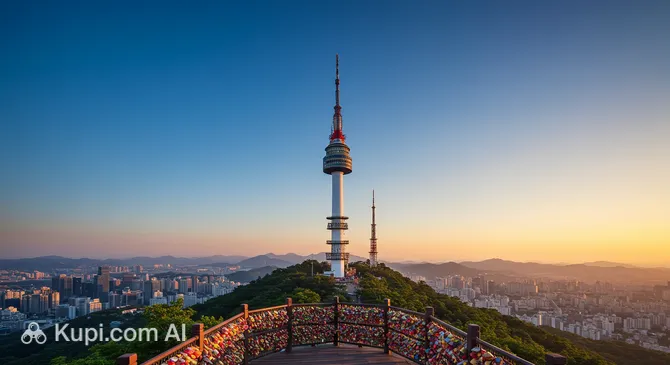
One of the most recognizable symbols of the capital is the N Seoul Tower, located on Mount Namsan. Its observation decks offer breathtaking panoramic views of Seoul, especially impressive at sunset. The tower is also famous for its "love locks"—thousands of padlocks that couples leave here as a sign of eternal love.

Illustration.
Source: Kupi.com AI

Traveller photos:

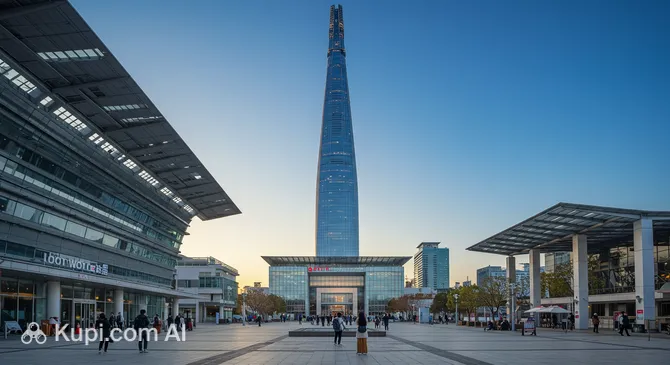
An equally impressive modern structure is the Lotte World Tower. This is one of the tallest skyscrapers in the world, home to the Seoul Sky observation deck with a glass floor, offering a bird's-eye view of the city. The complex also includes a huge shopping mall, an amusement park, and an aquarium.

Illustration.
Source: Kupi.com AI

Traveller photos:

For lovers of natural beauty, a visit to the Manjanggul Lava Tube is a must. This is one of the largest and best-preserved lava caves in the world, listed as a UNESCO World Heritage site. A walk through its mysterious tunnels, created by lava flows, will leave a lasting impression.

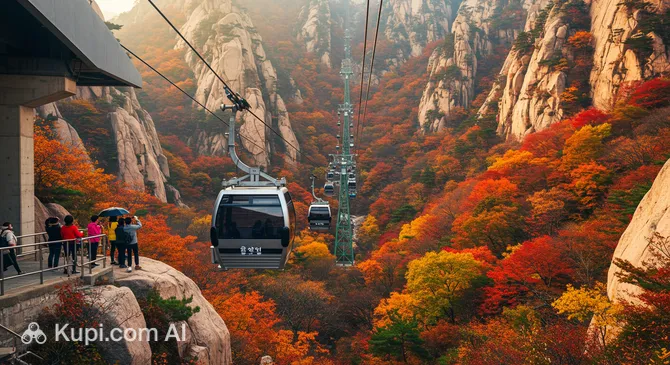
Mountain landscape enthusiasts should head to Seoraksan National Park and take a ride on the Seoraksan Cable Car. The ascent to the peaks reveals magnificent views of picturesque cliffs, dense forests, and valleys. The park is especially beautiful in autumn, when the foliage is painted in vibrant colors.

Illustration.
Source: Kupi.com AI

Traveller photos:

Best Time to Visit

South Korea is beautiful at any time of year, but the best time to visit is traditionally considered spring (April-May) and autumn (September-October). In spring, the country is awash in cherry blossoms and other flowering trees, creating incredibly picturesque landscapes, especially in cities like Gyeongju or in the parks of Seoul. In autumn, Korea is painted in gold and crimson tones thanks to the vibrant foliage, making it the perfect time for hiking in national parks, such as Seoraksan near Sokcho. The weather during these seasons is usually very comfortable: warm, sunny, and with little precipitation. This is the high season, so be prepared for more tourists and higher prices for flights and accommodation.

Summer (June-August) in South Korea is hot and humid, especially in July during the "jangma" rainy season. Despite this, the summer months attract people to beach resorts such as Jeju-si island or the coast of Gangneung. Winter (December-February) is quite cold and snowy, especially in the northern and mountainous regions, providing excellent conditions for skiing. Cities like Chuncheon can also be charming under a blanket of snow. These periods can be considered the shoulder or low season for sightseeing, meaning fewer tourists at popular spots and potentially lower prices. However, be prepared for unpredictable weather: summer downpours can disrupt plans, and winter cold requires warm clothing.

When planning your trip, consider major national holidays such as Seollal (Lunar New Year) in winter and Chuseok (Harvest Festival) in autumn. During these days, many Koreans travel across the country to visit relatives, leading to crowded transportation and the closure of some shops and establishments. Additionally, South Korea is rich in various festivals, such as those related to spring blossoms or cultural events in cities like Seoul or Jeonju. Although the climate in the country is generally temperate, it may vary slightly by region—for example, winter is milder on the southern island of Jeju-si. Therefore, it is recommended to check the weather forecast for specific locations on your itinerary before you travel.

Traditions

South Korea is a country with a rich and ancient culture where respect for tradition plays an important role in daily life. When greeting someone, especially elders or those in a higher position, Koreans usually give a slight bow. The depth of the bow depends on the status of the person. Direct eye contact with strangers or elders can be considered impolite. Hospitality is highly valued here; if you are invited into a home, a small gift for the hosts is appropriate—this could be fruit, sweets, or a souvenir from your country. When visiting temples or some traditional establishments, you should choose modest clothing that covers the shoulders and knees. Overall, Koreans highly value a neat appearance.

There are also specific rules at the table in South Korea. For example, it is not customary to start eating before your elders, and chopsticks should not be stuck vertically into rice, as this is associated with funeral rituals. You should also avoid pointing at people or objects with your chopsticks. It is important to remember that tipping is not practiced in most establishments and may even be perceived as an insult. Major national holidays include Seollal (Lunar New Year) and Chuseok (Harvest Festival), when families gather together to honor ancestors and enjoy traditional dishes. During these holidays, many businesses may be closed and transportation crowded, which should be considered when planning your trip.

To show respect for the local culture, try not to speak loudly in public places, especially on public transport. It is customary to receive and pass items with two hands or with the right hand while supporting it with the left at the wrist, especially when it comes to money, gifts, or business cards. Learning a few basic Korean phrases, such as "annyeonghaseyo" (hello) and "kamsahamnida" (thank you), will be highly appreciated by the locals and will help make your trip even more enjoyable.

Entertainment

South Korea offers tourists an incredible variety of entertainment for every taste. Fans of active recreation will find picturesque mountain trails for hiking, especially popular in spring and autumn, as well as opportunities for water sports along the coast. The country is rich in cultural events: from visiting numerous museums and art galleries, where you can learn about a thousand-year history and contemporary art, to watching traditional Korean performances and ultra-modern K-pop concerts. In major cities like Seoul, cultural life is buzzing year-round.

As darkness falls, South Korea's nightlife reveals itself in all its glory, especially in districts like Itaewon or Hongdae in Seoul, where numerous bars, clubs, and karaoke restaurants (noraebang) stay open until the early morning, offering a chance to dive into an atmosphere of fun and energy. Shopping is another integral part of Korean leisure. From huge shopping malls and department stores with the latest fashion and electronics to traditional markets where you can buy unique souvenirs, cosmetics, ginseng, and handicrafts—everyone will find something to their liking. Popular shopping destinations include the Myeongdong and Dongdaemun districts in the capital.

For family vacations, South Korea also offers plenty of options. There are world-class modern theme parks with thrilling rides, water parks for summer fun, and numerous interactive museums and educational entertainment centers that will be of interest to both children and adults. Many parks and public spaces are perfectly equipped for relaxing with children, offering playgrounds and picnic areas.

Currency rates

Planning a trip? Wonderful! To make sure the financial side of your journey holds no surprises, it's worth remembering that exchange rates are constantly changing. That's why we strongly recommend keeping an eye on current rates both before departure and throughout your trip. To help with that, you can use the data provided below — we monitor exchange rates 24/7 and strive to provide the most up-to-date information.

KRW exchange rate for 14/08/2026

1 AED
~ 384.32 KRW
1 AMD
~ 3.86 KRW
1 AUD
~ 996.02 KRW
1 AZN
~ 829.88 KRW
1 BYN
~ 470.59 KRW
1 CAD
~ 1012.15 KRW
1 EUR
~ 1626.02 KRW
1 GBP
~ 1901.14 KRW
1 HUF
~ 4.47 KRW
1 INR
~ 14.79 KRW
1 KGS
~ 16.14 KRW
1 KZT
~ 3.03 KRW
1 PLN
~ 377.79 KRW
1 RUB
~ 16.94 KRW
1 SAR
~ 375.38 KRW
1 SGD
~ 1101.32 KRW
1 TRY
~ 29.54 KRW
1 UAH
~ 31.55 KRW
1 USD
~ 1410.44 KRW
8.47 UZS
~ 1 KRW

Reached the bottom of the page?

Looks like you know this route inside out

We use cookies and services to collect user information. This is essential for the functioning of the site and for marketing purposes. You can find out more in .